
Apple, a titan in the technology industry, is renowned for its seamlessly integrated hardware and software ecosystems. From the iPhone to the Mac, Apple products are celebrated for their intuitive user experience, robust performance, and aesthetic design. Behind this polished facade lies a sophisticated tapestry of programming languages, each serving a distinct purpose in bringing Apple’s innovations to life. To truly understand “what coding language Apple uses” is to delve into a multi-faceted strategy that underpins its technological prowess, reinforces its brand identity, and drives its unparalleled financial success. It’s not a single language but a meticulously chosen array, evolving with technology and market demands.

The Foundation of Apple’s Software Ecosystem: A Historical Perspective
Apple’s journey through software development is marked by key linguistic shifts, each reflective of the prevailing technological landscape and the company’s strategic vision. Understanding this evolution is crucial to appreciating the current state of Apple’s coding practices.
Objective-C: The Pillar of Classic Apple Development
For decades, Objective-C stood as the primary programming language for Apple’s operating systems, including macOS (formerly OS X) and iOS. Developed in the early 1980s by Brad Cox and Tom Love, it’s an object-oriented, dynamic extension of the C programming language. Apple acquired Objective-C through its acquisition of NeXT in 1997, bringing Steve Jobs back to the company and laying the groundwork for modern Apple software.
Objective-C, with its message-passing syntax, provided a flexible and powerful environment for building the complex graphical user interfaces and robust frameworks that defined early Apple platforms. It powered the first versions of iOS, the App Store, and many of the iconic applications that shaped the smartphone revolution. Its runtime features allowed for dynamic behavior, making it versatile for UI development and system-level programming. Developers accustomed to its verbose syntax and header files found it a potent tool, enabling them to craft intricate applications that leveraged the full capabilities of Apple’s hardware. While it has largely been superseded by Swift for new development, a vast legacy of Apple’s operating system components and countless existing applications are still written in Objective-C, ensuring its continued, albeit diminished, presence in Apple’s software stack. Its stability and proven track record cemented its place as a cornerstone of Apple’s original developer paradigm.
The Enduring Role of C and C++
Beneath the user-friendly interfaces and high-level programming lies the bedrock of C and C++. These fundamental languages are absolutely critical for performance-intensive tasks and low-level system interactions within Apple’s ecosystem. C, the father of many modern languages, is extensively used for writing operating system kernels (like the XNU kernel that powers macOS and iOS), device drivers, and other components where direct memory manipulation and maximum efficiency are paramount. Its close-to-the-metal access allows Apple engineers to squeeze every ounce of performance from their custom silicon.
C++ plays a similar, though often more object-oriented, role. It’s frequently employed in graphics engines (Metal API), gaming frameworks, audio processing, and other areas where high performance and complex data structures are essential. For instance, parts of WebKit, the rendering engine behind Safari, are written in C++. The presence of C and C++ underscores Apple’s commitment to delivering optimal performance and granular control over its hardware. While application developers typically interact with higher-level languages, the underlying frameworks they use are heavily reliant on the speed and efficiency that C and C++ provide, forming an invisible but indispensable layer of Apple’s technological foundation.
Swift: Apple’s Vision for the Future of Coding
In 2014, Apple unveiled Swift, a revolutionary new programming language designed to address the shortcomings of Objective-C while ushering in a new era of safety, performance, and modern development practices. Swift quickly became the flagship language for building apps across all Apple platforms.
Key Features and Developer Advantages of Swift
Swift was engineered with several core principles in mind: safety, performance, and modern language features. Its robust type system and automatic memory management (ARC – Automatic Reference Counting) significantly reduce common programming errors like null pointer exceptions and buffer overflows, which are prevalent in less safe languages. This focus on safety means fewer crashes for end-users and less debugging time for developers, directly translating to higher quality apps and a more productive development cycle.
Performance was another major driver. Swift compiles to highly optimized native code, often outperforming Objective-C for many tasks, especially those involving numerical computations or complex data structures. Its concise and expressive syntax is a breath of fresh air for developers coming from Objective-C. Features like optionals, generics, and protocol-oriented programming enable developers to write cleaner, more maintainable code with less boilerplate. The Xcode integrated development environment (IDE) provides powerful tools for Swift development, including playgrounds for real-time code experimentation and SwiftUI for declarative UI development, which drastically simplifies interface design across multiple Apple devices. For businesses, this translates to faster time-to-market for new applications and updates, as developers can build and iterate more efficiently.
Swift’s Impact on the Apple Brand and User Experience
Swift has profoundly impacted the Apple brand, both internally within the developer community and externally in the perception of Apple products. By creating a modern, approachable, and powerful language, Apple reinforced its image as an innovator dedicated to pushing the boundaries of technology. Swift’s emphasis on safety and performance contributes directly to the renowned stability and responsiveness of apps on iOS, macOS, watchOS, and tvOS. This translates into a superior user experience – fewer crashes, faster load times, and more fluid interactions – which is a core tenet of Apple’s premium brand identity.
For developers, Swift has cultivated a vibrant and engaged community. The language’s elegance attracts new talent, making Apple platforms an attractive choice for aspiring and seasoned programmers alike. This robust developer ecosystem, fueled by an accessible and powerful language, ensures a continuous supply of high-quality applications that enrich the App Store. Swift’s modern feel aligns perfectly with Apple’s brand values of elegance, simplicity, and cutting-edge design, reinforcing the perception that Apple products are not just functional but also thoughtfully crafted and forward-thinking. This strengthens the brand’s appeal and loyalty among both creators and consumers.
The Open-Source Movement and Swift’s Broader Reach
In a significant strategic move, Apple open-sourced Swift in late 2015. This decision dramatically expanded Swift’s reach beyond Apple’s proprietary ecosystem, allowing it to be used for server-side development, cross-platform tools, and even on Linux and Windows. This was a clear signal of Apple’s ambition for Swift to become a major general-purpose programming language, competing with established players like Python, Ruby, and Java for backend services and other applications.
The open-source initiative has several benefits. It fosters community collaboration, allowing developers worldwide to contribute to Swift’s evolution, fix bugs, and develop new features, accelerating its growth and improvement. It also makes Swift more attractive to businesses that might not exclusively develop for Apple platforms, as they can now leverage their Swift knowledge across various parts of their technology stack. For example, server-side Swift frameworks like Vapor and Kitura enable developers to build entire web backends using Swift, maintaining a consistent language across frontend and backend, which can streamline development and reduce context switching. This strategic open-sourcing not only diversifies Swift’s application but also solidifies Apple’s influence in the broader software development landscape, showcasing a more collaborative and expansive vision for its proprietary technologies.
A Comprehensive Toolkit: Beyond Core Apple Languages
While Swift and Objective-C form the backbone of Apple’s platform development, the company’s vast operations and diverse product offerings necessitate a much broader array of programming languages. Apple is a global technology giant that operates on many fronts, from cloud services and machine learning to internal tools and web infrastructure.
Web Technologies: JavaScript, HTML, CSS

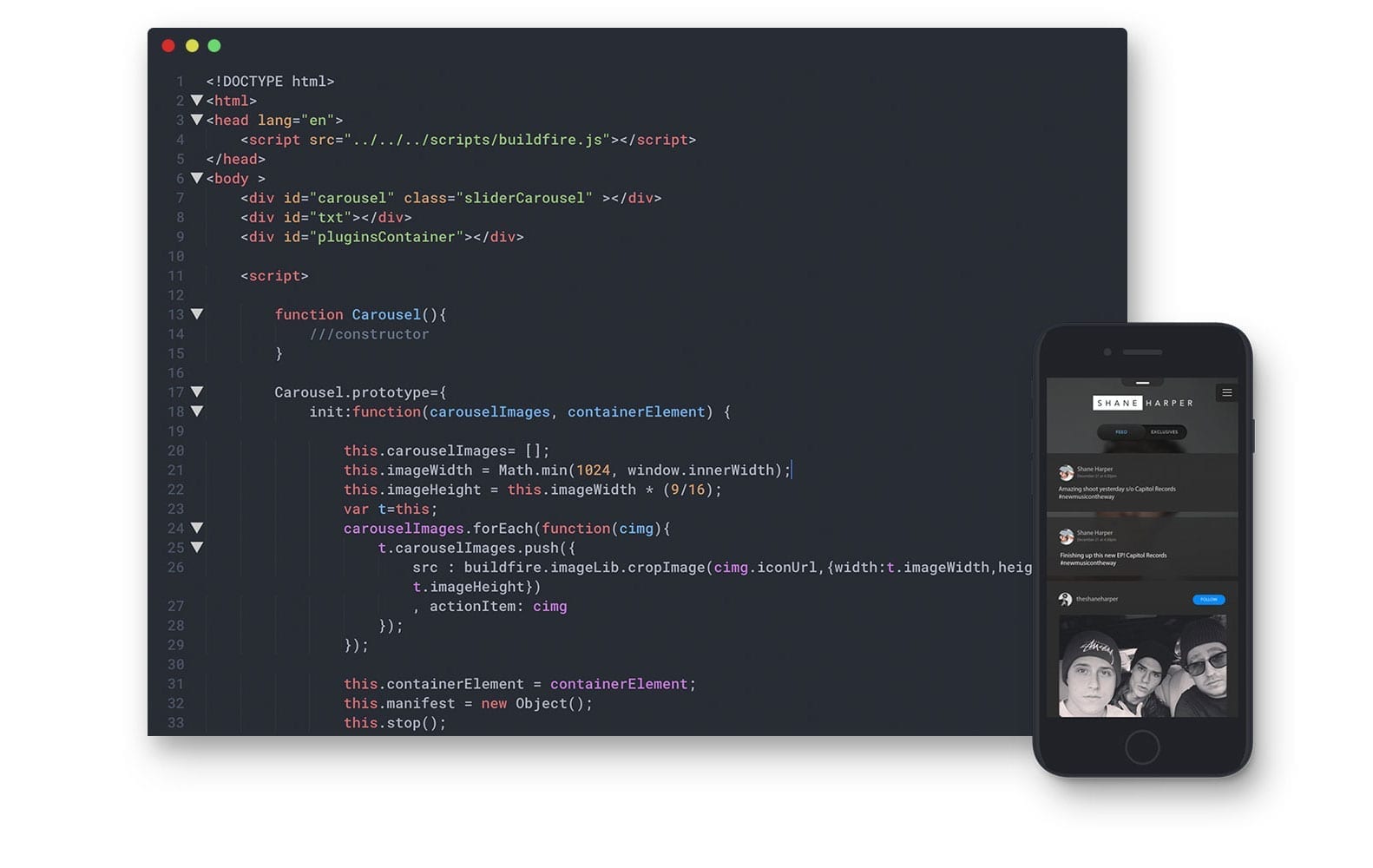
The internet is a foundational component of modern computing, and Apple leverages standard web technologies extensively. JavaScript, HTML, and CSS are indispensable for developing web applications, dynamic content for Safari, and cloud-based services. HTML structures web pages, CSS styles them, and JavaScript provides the interactivity. Apple’s iCloud web suite (iCloud.com, Pages, Numbers, Keynote web versions) is built using these technologies. Even within native applications, web views are often used to display rich content or integrate web-based services.
Furthermore, Safari, Apple’s proprietary web browser, is built on the WebKit rendering engine, which heavily relies on JavaScript for executing web scripts. The ongoing evolution of web standards and frameworks means Apple’s engineers continually work with these languages to ensure compatibility, performance, and security across its various platforms that interact with the web. This highlights that even a company known for its native app experiences fully embraces and contributes to the open web stack.
Scripting and Server-Side: Python, Ruby, Go
Beyond user-facing applications, Apple runs an enormous internal infrastructure, including vast server farms, data centers, and intricate development pipelines. For these crucial backend services, automation, and data processing tasks, Apple utilizes a variety of scripting and server-side languages.
Python is a ubiquitous language at Apple, employed for everything from internal tooling, data analysis, and machine learning models to server automation and script orchestration. Its readability, extensive libraries, and versatility make it a go-to choice for rapidly prototyping solutions and managing complex systems. Ruby, known for its elegant syntax and the popular Ruby on Rails framework, might also see use in specific web services or internal tools. More recently, Go (or Golang), developed by Google, has gained traction in areas requiring high performance, concurrency, and efficient resource utilization, particularly for building scalable network services and microservices. Apple likely uses Go for parts of its cloud infrastructure and other performance-critical backend components, capitalizing on its efficiency and ease of deployment. These languages are the workhorses behind the scenes, ensuring the smooth operation of Apple’s global services and developer tools.
Specialized Languages for AI and Data Science
With the increasing prominence of Artificial Intelligence and Machine Learning across Apple products (Siri, Face ID, computational photography, intelligent suggestions), specialized languages and frameworks are paramount. While Python, with libraries like TensorFlow and PyTorch, is dominant in the broader AI community, Apple develops its own optimized machine learning frameworks such as Core ML and Create ML. These frameworks allow developers to integrate trained models into their apps, often leveraging Swift.
However, the underlying research and development for AI models within Apple would undoubtedly involve Python for data manipulation and model training. Additionally, languages like R might be used for statistical analysis and data visualization by Apple’s data science teams. The complexity of AI demands a flexible linguistic approach, where different languages are employed at various stages, from initial data ingestion and model training to deployment and integration into user-facing features, ultimately enhancing the “intelligence” of Apple’s ecosystem.
The Strategic Interplay: Technology, Brand, and Economy
Apple’s choice of programming languages is not merely a technical decision; it’s a strategic one, deeply intertwined with its core business objectives, brand identity, and the economic engine of its ecosystem.
Technological Innovation and Security Through Language Choice
Apple’s approach to programming languages directly supports its commitment to technological innovation and robust security. Swift, with its emphasis on type safety and memory safety, drastically reduces the potential for common vulnerabilities that plague applications written in less secure languages. This inherent security advantage is a critical factor for a company that handles vast amounts of user data and positions itself as a privacy champion. By designing and promoting Swift, Apple gains greater control over the development landscape, allowing it to integrate new hardware features (like neural engines) and software capabilities more seamlessly and securely.
Furthermore, by controlling the core languages and development tools (Xcode, SwiftUI, Metal), Apple can drive innovation across its platforms more effectively. When a new feature or hardware capability is introduced, Apple can rapidly update its SDKs and frameworks, ensuring developers can quickly adopt and leverage these advancements. This tight integration from silicon to software, facilitated by strategic language choices, enables Apple to deliver groundbreaking features that are often years ahead of the competition, from advanced augmented reality experiences to sophisticated on-device machine learning.
Shaping the Apple Brand and Developer Community
The choice of coding languages significantly shapes Apple’s brand perception and its relationship with the vast developer community. Swift embodies Apple’s brand values: elegance, modernity, and a focus on user experience. A language that is clean, readable, and powerful reflects the premium, well-designed aesthetic of Apple’s hardware. This coherence strengthens the overall brand message.
For developers, Swift has fostered a loyal and enthusiastic community. Apple’s comprehensive documentation, developer forums, and annual Worldwide Developers Conference (WWDC) build a strong sense of belonging. By making Swift open-source, Apple demonstrated a willingness to engage with the broader developer world, enhancing its reputation beyond its walled garden. This thriving developer community is crucial for the App Store, which is a cornerstone of Apple’s services revenue. Developers are the lifeblood of the ecosystem, and providing them with a modern, enjoyable, and efficient language like Swift ensures a continuous influx of high-quality applications that keep users engaged and committed to Apple devices.
Economic Implications for Developers and Apple’s Ecosystem
The economic implications of Apple’s language choices are profound for both the company and the millions of developers worldwide. For Apple, maintaining a robust, secure, and developer-friendly ecosystem directly translates into revenue. The App Store, powered by apps predominantly written in Swift and Objective-C, generates billions of dollars annually through commissions on app sales and in-app purchases. The ease of development with Swift, combined with powerful tools, lowers the barrier to entry for many aspiring developers, expanding the pool of talent creating content for Apple platforms.
For developers, investing in learning Swift and building for Apple platforms offers significant financial opportunities. The premium nature of Apple products often means users are willing to pay for high-quality apps, leading to potentially higher revenue per user compared to other platforms. Swift’s safety features can also reduce development and maintenance costs by minimizing bugs and security flaws, leading to more stable applications and happier customers. The open-source nature of Swift also enables developers to use their skills for server-side development, potentially creating full-stack solutions with a single language, which can streamline operations and reduce overhead. In essence, Apple’s language strategy is a core component of its economic engine, fueling innovation, attracting talent, and ultimately driving its colossal profitability.
The Future of Apple Development: Trends and Outlook
The landscape of Apple development is constantly evolving, reflecting broader trends in technology and Apple’s strategic direction. The future will likely see further refinements and expansions of its current linguistic toolkit.
SwiftUI, Apple’s declarative UI framework, represents a significant leap forward in how developers build interfaces across all Apple platforms. Designed to work hand-in-hand with Swift, SwiftUI simplifies complex UI layouts and animations, reducing the amount of code needed and enhancing developer productivity. This focus on modern, declarative paradigms will likely continue to shape the evolution of Swift and Apple’s SDKs. Furthermore, the integration of machine learning into virtually every aspect of computing will see continued emphasis on frameworks like Core ML, allowing developers to easily incorporate sophisticated AI capabilities into their applications.
The open-source growth of Swift for server-side and cross-platform development will also be a key area to watch. As Swift matures and its ecosystem of libraries and frameworks expands beyond Apple platforms, its adoption in enterprise and backend environments could accelerate. This positions Swift not just as an Apple language, but as a formidable general-purpose language. Apple’s commitment to security, privacy, and performance will undoubtedly continue to guide its language choices and development strategies, ensuring that the diverse array of programming languages it employs remains at the forefront of technological innovation. The aim is clear: to continue empowering developers to create the next generation of experiences that define the Apple ecosystem.
In conclusion, “what coding language does Apple use?” doesn’t have a single, simple answer. It’s a complex, dynamic tapestry woven from Swift, Objective-C, C, C++, JavaScript, Python, Go, and others. Each language serves a vital role, contributing to the seamless functionality, security, and innovative spirit that defines the Apple experience. This strategic blend of languages is a testament to Apple’s sophisticated approach to technology, its unwavering commitment to its brand, and its masterful orchestration of a thriving economic ecosystem that continues to captivate users and inspire developers worldwide.
aViewFromTheCave is a participant in the Amazon Services LLC Associates Program, an affiliate advertising program designed to provide a means for sites to earn advertising fees by advertising and linking to Amazon.com. Amazon, the Amazon logo, AmazonSupply, and the AmazonSupply logo are trademarks of Amazon.com, Inc. or its affiliates. As an Amazon Associate we earn affiliate commissions from qualifying purchases.