
The question “What class am I based on income?” is far more complex than a simple number might suggest. While income is undoubtedly a foundational metric for understanding socioeconomic status, it’s merely one piece of a much larger, intricate puzzle. Our economic class influences everything from daily spending habits and access to healthcare to long-term financial security and generational wealth accumulation. In an era marked by shifting economic landscapes, increasing wealth inequality, and a fluctuating cost of living, understanding where you stand—and what that truly means—is more critical than ever.

This article delves into the various facets of income-based class identification, exploring how different methodologies define economic tiers, the limitations of relying solely on income, and the profound financial implications associated with each stratum. We’ll move beyond mere categorization to discuss the practical aspects of managing finances within your identified class and strategies for building greater financial resilience and mobility, irrespective of your starting point. Our aim is to provide a professional, insightful, and engaging exploration of economic class, grounded firmly in the principles of personal finance.
The Shifting Sands of Socioeconomic Class Definition
Defining “class” is a challenge that has preoccupied economists, sociologists, and policymakers for centuries. While historical definitions often intertwined with ancestry, occupation, or land ownership, the modern understanding in capitalist societies leans heavily on economic factors, with income at its forefront. However, even with this focus, the boundaries are fluid, contested, and constantly evolving.
Beyond Simple Income Brackets: A Multifaceted View
While many might instinctively reach for government-published income brackets (e.g., “low-income,” “middle-income,” “high-income”), these simplified categories often fail to capture the nuanced realities of economic life. A truly comprehensive view of socioeconomic class acknowledges that income, while crucial, interacts with a host of other factors:
- Wealth (Net Worth): The total value of your assets minus your liabilities. Someone with a high income but significant debt might have less financial security than someone with a moderate income but substantial savings and investments. Wealth often dictates long-term stability and generational transfer.
- Education: Higher education levels generally correlate with higher earning potential and greater career stability. Access to quality education itself can be a marker of class.
- Occupation: The type of work one does can confer status, benefits, and job security beyond the immediate paycheck. Manual labor, service industries, and professional careers often carry different social and economic implications.
- Cost of Living: A high income in an expensive metropolitan area might offer a similar lifestyle to a moderate income in a more affordable region. Raw income figures without geographic context can be misleading.
- Family Structure and Dependents: A single individual earning $70,000 might be in a very different financial position than a family of four with the same household income.
- Access to Resources: This includes access to healthcare, quality housing, financial services, and social safety nets. These resources can significantly impact an individual’s financial health and ability to accumulate wealth.
Understanding these interconnected elements allows for a more robust self-assessment, moving beyond a simplistic income comparison to a holistic appreciation of one’s economic standing.
Historical Contexts and Evolving Class Structures
The concept of economic class has undergone significant transformations throughout history. In pre-industrial societies, class was often hereditary and rigidly defined by land ownership or aristocratic titles. The Industrial Revolution introduced a new dynamic, fostering a growing working class and an emerging bourgeoisie. The 20th century saw the rise of the “middle class” as a dominant economic and social force, particularly in post-World War II Western economies, characterized by stable employment, homeownership, and consumerism.
Today, global economic shifts, technological advancements, and increasing globalization have reshaped these structures once again. The decline of manufacturing jobs in some regions, the rise of the gig economy, and the increasing concentration of wealth at the top have all contributed to a more polarized economic landscape. The stability that once defined the middle class has eroded for many, leading to greater financial precarity and a widening gap between the very rich and everyone else. These historical and ongoing evolutions underscore why a static definition of class is inadequate.
The Myth of the “Middle Class”: A Broad and Contested Category
Perhaps no economic designation is as widely claimed and simultaneously elusive as the “middle class.” Politically, socially, and economically, identifying as middle class often implies stability, comfort, and the ability to achieve the “American Dream.” However, the sheer breadth of this category can mask significant disparities. What one person considers middle class—perhaps a household income of $60,000 supporting a family in a rural area—another might deem financially constrained, especially if they live in a high-cost urban environment with a similar income.
Economic definitions often use income multiples of the national median income to delineate the middle class (e.g., households earning between two-thirds and double the national median). However, even these statistical boundaries are arbitrary and fail to capture the lived experience. Many who technically fall within these brackets report feeling financially stressed, struggling with rising costs of housing, education, and healthcare. This highlights a crucial point: simply being within an income bracket does not automatically confer a sense of financial security or the expected lifestyle associated with that class. The perception versus the statistical reality often diverges, complicating personal finance planning for many.
Navigating Income-Based Classifications: A Practical Guide
Given the complexities, how can an individual practically identify their income-based class? While no single method is perfect, several approaches offer useful insights, especially when combined with an understanding of their limitations.
Defining Income Tiers: Lower, Middle, Upper
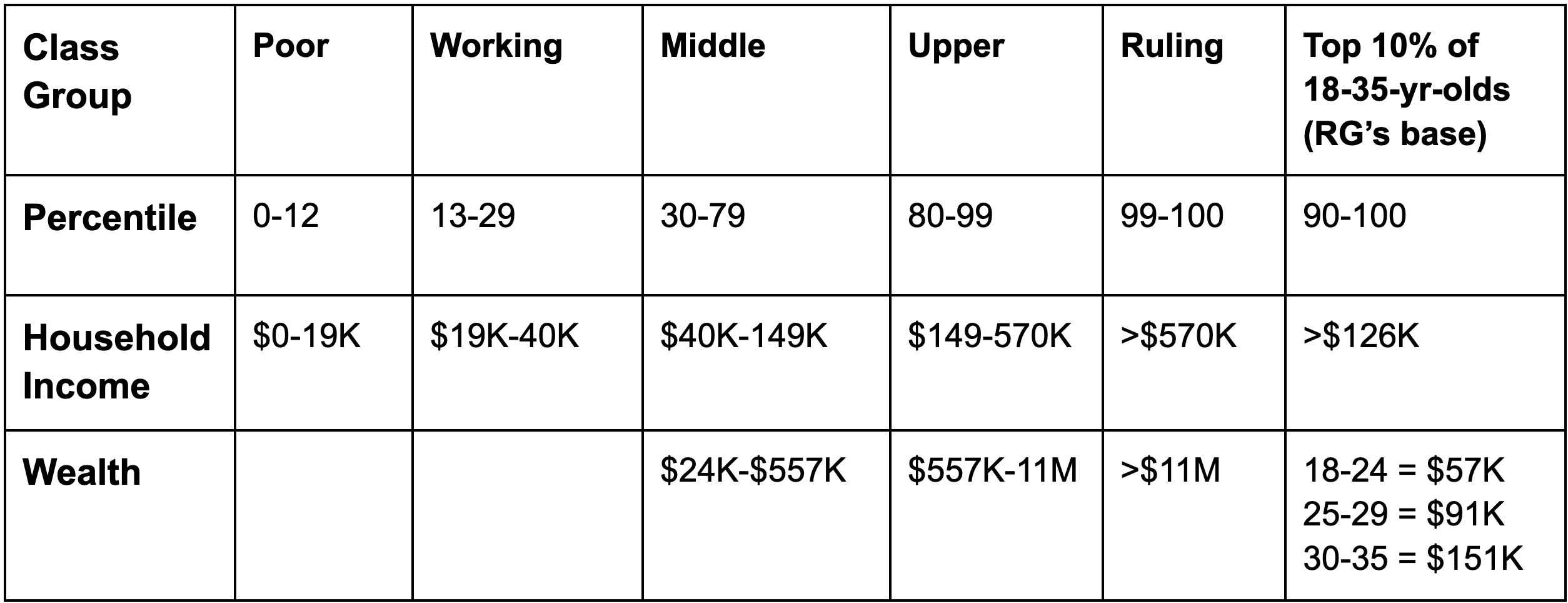
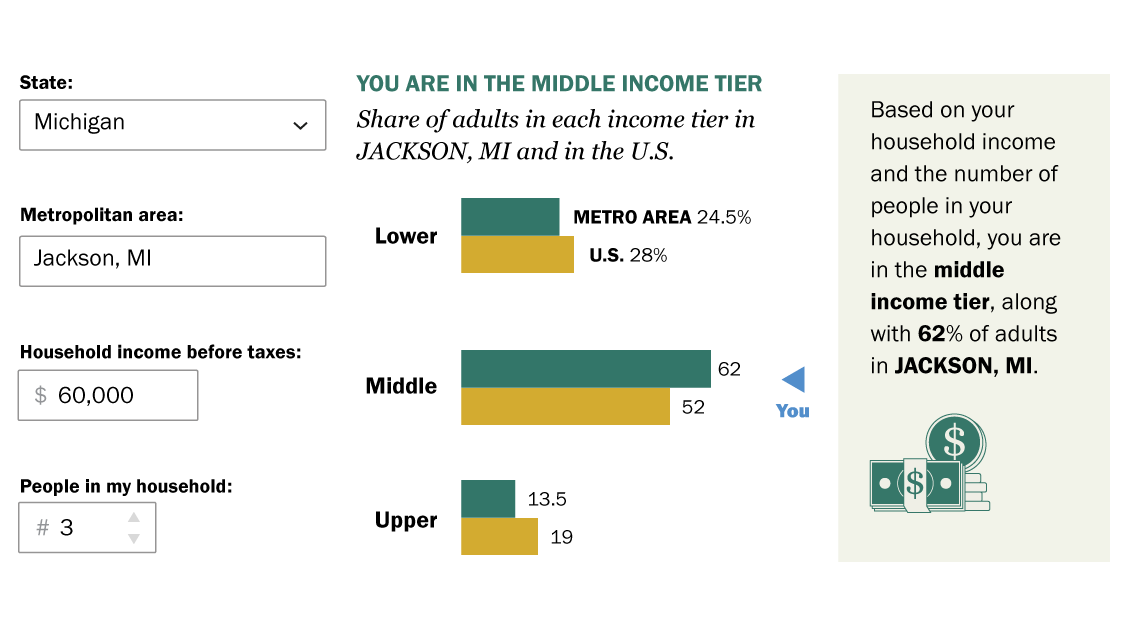
Governments and research institutions frequently use specific income thresholds to segment the population. These are often based on percentages of the national median household income. For example, a common framework might be:
- Lower Income: Households earning less than two-thirds of the national median income.
- Middle Income: Households earning between two-thirds and double the national median income.
- Upper Income: Households earning more than double the national median income.
It’s vital to remember that these thresholds are national averages and can vary significantly. For instance, in 2023, if the median household income was approximately $75,000, then:
- Lower income might be below ~ $50,000.
- Middle income might range from ~$50,000 to ~$150,000.
- Upper income might be above ~$150,000.
These figures are illustrative and change annually, emphasizing the need to consult the latest data from reputable sources like the U.S. Census Bureau or think tanks like the Pew Research Center.
The Role of Median vs. Household Income
When evaluating your position, it’s crucial to distinguish between individual income and household income. Most class definitions rely on household income, which aggregates the earnings of all adult members within a single dwelling. This provides a more accurate picture of a household’s collective purchasing power and financial capacity.
The median income (the income level at which half of households earn more and half earn less) is typically used as the benchmark against which class tiers are calculated. The average income (mean) can be skewed by extremely high earners and is often less representative of the typical experience. Therefore, comparing your household’s total income to the median household income for your country or region is the most common and informative approach.
Geographic and Cost-of-Living Adjustments
Perhaps the most critical adjustment to raw income figures is accounting for the cost of living in your specific geographic area. Earning $100,000 in San Francisco, California, places you in a vastly different financial situation than earning $100,000 in Topeka, Kansas. Housing, transportation, groceries, and services can be exponentially more expensive in certain urban centers or coastal regions.
Several tools and indices exist to help with this adjustment:
- Cost of Living Indexes: Websites and economic reports often provide indices that compare the cost of living in various cities or states relative to a national average.
- Local Median Incomes: Some organizations provide median income data specific to metropolitan areas or even counties, offering a more localized benchmark than national figures.
Without these adjustments, comparing your income to national averages can lead to a distorted view of your actual purchasing power and, consequently, your true economic class. An income that places you in the upper-middle class nationally might barely qualify as middle-class in a high-cost urban environment after accounting for expenses.
The Financial Implications of Your Economic Tier
Your income-based class is not just a label; it carries significant financial implications, shaping your daily life and long-term prospects. Understanding these implications is crucial for effective personal financial planning.
Budgeting and Wealth Accumulation Strategies for Each Class
- Lower Income: For individuals and families in lower income brackets, financial planning often centers around survival and stability. The primary focus is on covering essential expenses (housing, food, healthcare, transportation) and managing debt. Budgeting might involve meticulous tracking of every dollar, utilizing public assistance programs, and finding ways to maximize limited resources. Wealth accumulation, while a goal, is often challenged by a lack of discretionary income, making saving difficult. Strategies might include micro-saving, emergency fund creation, and focusing on skills development for income growth.
- Middle Income: The middle class typically has more discretionary income, allowing for a balance between present consumption and future savings. Budgeting here often involves allocating funds for larger goals like homeownership, retirement savings, and children’s education. Wealth accumulation strategies can include investing in diversified portfolios, paying down mortgages, and leveraging employer-sponsored retirement plans. However, the “middle-class squeeze” means many face pressures from rising costs, making consistent saving a challenge.
- Upper Income: For those in upper income tiers, financial planning shifts from meeting basic needs to optimizing wealth preservation, growth, and often, legacy planning. Budgeting may still be relevant for large expenses, but the emphasis is more on investment strategy, tax optimization, philanthropic giving, and estate planning. Wealth accumulation can involve more complex instruments like private equity, real estate investments, and sophisticated trust structures. The challenge often lies in managing significant assets effectively and strategically.
Access to Financial Resources and Opportunities
Economic class significantly dictates access to financial resources and opportunities.
- Credit and Lending: Individuals in higher income brackets generally have better credit scores, access to lower interest rates on loans (mortgages, personal loans), and a wider range of financial products. Those with lower incomes may face higher interest rates, stricter lending criteria, or reliance on alternative, higher-cost financial services like payday loans.
- Investment Opportunities: Investing requires capital. While lower-income individuals can participate in low-cost index funds, substantial investment opportunities that build significant wealth (e.g., real estate, private businesses) are often more accessible to those with higher incomes and existing capital.
- Financial Advice: Comprehensive financial planning services, including wealth management and tax advice, are often geared towards higher net worth individuals, leaving those with fewer resources to navigate complex financial decisions on their own or with less specialized guidance.
- Education and Healthcare: The ability to afford quality education for oneself or one’s children, or comprehensive private healthcare, can be a direct function of income. These foundational elements profoundly impact long-term financial health and potential.
Debt Management and Risk Tolerance Across Income Levels
The approach to debt and risk also varies across income classes.
- Lower Income: Debt, particularly high-interest consumer debt, can be a heavy burden for lower-income households, often accrued out of necessity. Risk tolerance might be low due to the limited safety net, making any financial setback potentially catastrophic.
- Middle Income: Debt for the middle class often includes mortgages, student loans, and car payments. While manageable, an unexpected job loss or health crisis can quickly destabilize their financial position. Risk tolerance for investments tends to be moderate, aiming for growth without excessive exposure.
- Upper Income: Upper-income individuals might use debt strategically (e.g., leverage in real estate or business investments) rather than out of necessity. They often have a higher capacity for risk in their investment portfolios, given their substantial asset base and ability to absorb losses.
Understanding these inherent differences is paramount for tailoring financial advice and strategies to be effective and relevant for any given economic tier.
Building Financial Resilience and Upward Mobility
Regardless of where you currently stand on the income ladder, the goal for many is to improve their financial position and build greater resilience. This is a journey that involves strategic planning, consistent effort, and often, overcoming systemic challenges.
Strategies for Growing Your Income
Increasing income is one of the most direct routes to upward mobility.
- Skill Development and Education: Investing in oneself through further education, certifications, or acquiring in-demand skills can significantly boost earning potential. This could range from vocational training to advanced degrees.
- Career Advancement: Actively seeking promotions, taking on more responsibility, or strategically changing jobs within your industry can lead to higher salaries. Networking and personal branding play a crucial role here.
- Side Hustles and Entrepreneurship: Leveraging existing skills or developing new ones to generate additional income outside of a primary job can provide a buffer and a path to greater financial independence. This could involve freelancing, consulting, or starting a small business.
- Negotiation: Regularly negotiating salaries and benefits, both when starting a new role and during annual reviews, is vital for ensuring your compensation aligns with your value and market rates.
The Power of Saving and Investing Early
While income growth is important, the ability to save and invest consistently is equally, if not more, impactful for wealth creation.
- Emergency Fund: Building a robust emergency fund (3-6 months of living expenses) is foundational for financial security, protecting against unexpected job loss, health issues, or other crises.
- Automated Savings: Setting up automatic transfers from your checking to savings or investment accounts ensures consistent contributions and takes the guesswork out of saving.
- Retirement Accounts: Maximize contributions to tax-advantaged retirement accounts like 401(k)s and IRAs. The power of compounding interest over decades is the most significant engine of wealth growth.
- Diversified Investments: Beyond retirement, invest in a diversified portfolio of stocks, bonds, and potentially real estate, matching your risk tolerance and financial goals. Starting small and consistently adding to investments allows even modest incomes to build substantial wealth over time.
Overcoming Structural Barriers and Wealth Gaps
It’s imperative to acknowledge that upward mobility is not solely dependent on individual effort. Structural barriers such as systemic discrimination, limited access to quality education in certain areas, generational poverty, and wealth gaps (e.g., racial wealth gaps) significantly impede progress for many. Addressing these requires broader societal and policy changes.
However, even within these limitations, individuals can seek out resources, advocate for themselves, and build strong community networks. Utilizing mentorship, financial literacy programs, and community-based support systems can provide crucial guidance and opportunities that might otherwise be inaccessible. Understanding the existence of these barriers can also inform personal choices, such as prioritizing financial education and strategic career planning.
Beyond Income: A Holistic View of Financial Well-being
While the initial question centers on income, true financial well-being extends far beyond the number on a paycheck. A holistic view considers net worth, lifestyle choices, and the intangible assets that contribute to a rich and secure life.
The Importance of Net Worth Over Income Alone
Income is a flow; net worth is a stock. Your income dictates how much money comes in, but your net worth—the sum of all your assets minus all your liabilities—is the ultimate measure of your financial health and security. A high income can be entirely consumed by high expenses and debt, leaving a low net worth. Conversely, a moderate income, managed diligently with smart savings and investments, can lead to a substantial net worth over time. Focusing on building assets and reducing debt, rather than solely chasing higher income, is the cornerstone of long-term financial stability and true economic mobility.
Lifestyle, Assets, and Social Capital
Financial well-being also encompasses elements beyond pure monetary figures:
- Lifestyle Choices: Conscious decisions about spending, consumption, and values can significantly impact financial health. Living below one’s means, regardless of income, fosters wealth creation.
- Assets Beyond Investments: This includes tangible assets like real estate (especially if paid off), valuable possessions, and intellectual property. It also includes intangible assets like strong health, which reduces future medical costs and enables consistent work.
- Social Capital: The networks of relationships, trust, and reciprocity that one has access to. Social capital can lead to job opportunities, mentorship, business partnerships, and crucial support during challenging times, all of which have tangible financial benefits.
These elements collectively contribute to a sense of financial freedom and capability that might not be fully captured by an income statement.
Financial Education as a Catalyst for Change
Ultimately, irrespective of your current income bracket, continuous financial education is the most powerful tool for achieving economic mobility and security. Understanding budgeting, saving, investing, debt management, and tax planning empowers individuals to make informed decisions that optimize their resources. It demystifies the complex world of finance, enabling proactive rather than reactive financial management. Access to and engagement with financial literacy resources can act as a profound equalizer, providing the knowledge and confidence to navigate the financial landscape effectively and pave a path towards a more secure future, whatever class you identify with.
aViewFromTheCave is a participant in the Amazon Services LLC Associates Program, an affiliate advertising program designed to provide a means for sites to earn advertising fees by advertising and linking to Amazon.com. Amazon, the Amazon logo, AmazonSupply, and the AmazonSupply logo are trademarks of Amazon.com, Inc. or its affiliates. As an Amazon Associate we earn affiliate commissions from qualifying purchases.