
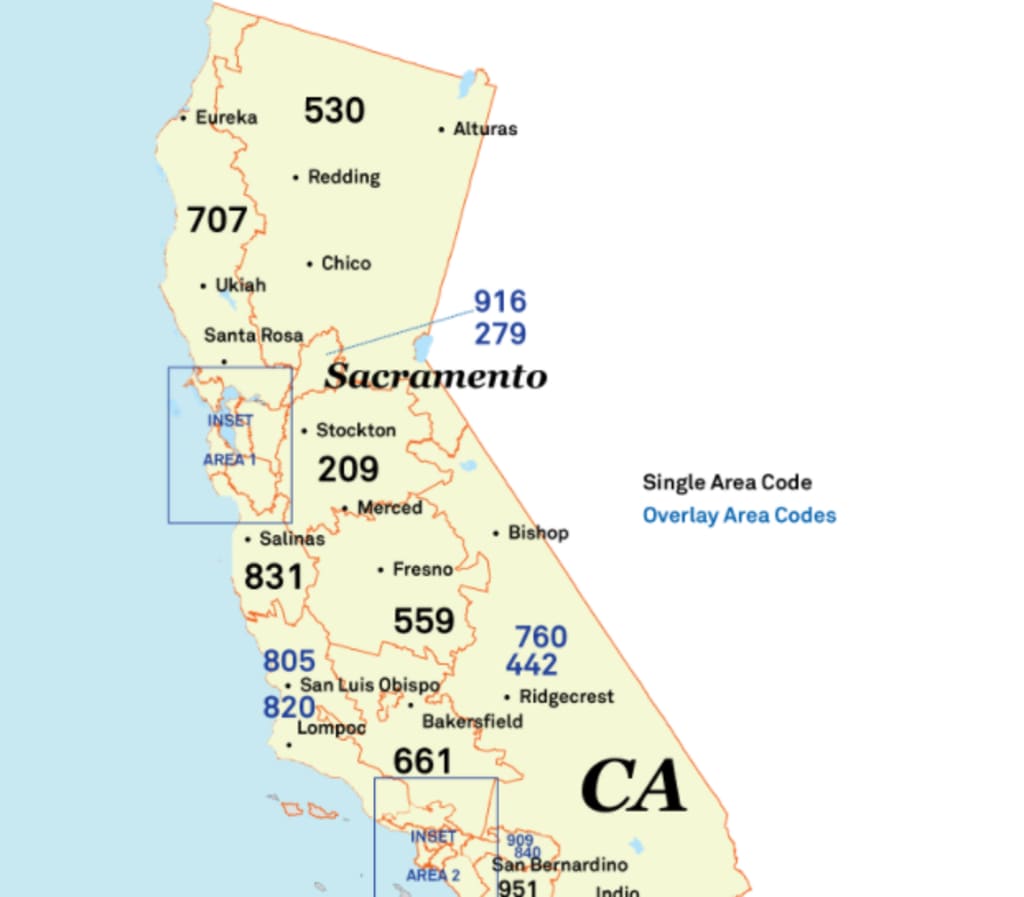
In the era of hyper-connectivity, the way we perceive geography and communication has fundamentally shifted. When a phone rings with an unfamiliar prefix, our first instinct is often to ask: “Where is this call coming from?” If you see a call from area code 844, the answer isn’t a specific city like New York, Los Angeles, or Chicago. In fact, 844 doesn’t belong to any city at all.
From a technical perspective, the 844 area code is a non-geographic, toll-free prefix within the North American Numbering Plan (NANP). While traditional area codes are tethered to physical switches and regional central offices, the 844 code exists within the cloud—a testament to the evolution of telecommunications from copper wires to sophisticated software-defined networks. Understanding the tech behind this prefix requires a deep dive into how modern routing, virtual telephony, and digital security protocols function in a borderless digital landscape.
The Architecture of Toll-Free Technology: Why 844 is Location-Independent
To understand why 844 isn’t tied to a city, one must understand the architecture of the North American Numbering Plan. Historically, area codes were designed to route calls through specific physical switches. However, as the demand for business communication grew, the telecommunications industry developed Service Access Codes (SACs).
The Evolution of the North American Numbering Plan (NANP)
The NANP governs the allocation of phone numbers across the United States, Canada, and several Caribbean nations. For decades, “800” was the gold standard for toll-free communication. As the inventory of 800 numbers reached exhaustion due to the explosion of internet service providers and corporate expansion, the Federal Communications Commission (FCC) and the NANP Administrator (NANPA) had to release new prefixes. This led to the rollout of 888, 877, 866, 855, and eventually, 844 in December 2013.
Technically, these numbers are “non-geographic” because they utilize a database-driven routing system rather than a geographic hardware switch. When a user dials an 844 number, the Public Switched Telephone Network (PSTN) queries a centralized database—known as the Service Management System (SMS/800)—to determine how to route the call.
The Role of Responsible Organizations (RespOrgs)
Managing 844 numbers is a specialized technical task handled by entities known as Responsible Organizations, or “RespOrgs.” These organizations have certified access to the 800 Service Management System. Unlike a local landline, which is managed by a local exchange carrier (LEC), an 844 number is “portable.” This means a business can move its operations from Seattle to Miami without ever changing its phone number. The RespOrg simply updates the routing instructions in the database, ensuring that calls are directed to the new IP address or physical hardware of the recipient.
Virtual Telephony and Cloud-Based Call Routing
The rise of the 844 area code is inextricably linked to the advancement of Voice over Internet Protocol (VoIP) and cloud-based communication systems. In the past, a toll-free number required a dedicated physical trunk line. Today, 844 numbers are almost entirely software-defined.
SIP Trunking and IP PBX Integration
Modern 844 numbers frequently utilize Session Initiation Protocol (SIP). SIP trunking is the technology that allows the “voice” part of a call to be sent over a data connection rather than traditional phone lines. When an 844 call is placed, it is converted into data packets. These packets are routed via the internet to a Private Branch Exchange (PBX) system, which can be located anywhere in the world.
This technology allows for “follow-me” routing. A developer can write a script that instructs an 844 number to ring at a call center in Manila during the day and a support hub in Dublin at night. This technical flexibility is why 844 numbers are the backbone of global tech support and distributed software teams.
Intelligent Routing Algorithms
Behind every 844 number is a series of intelligent routing algorithms. These systems can route calls based on various technical parameters:
- Time-of-Day Routing: Calls are directed to active data centers based on the current time zone.
- Geographic Origination: Even though the 844 number is non-geographic, the system can identify the caller’s location and route the call to the nearest server to minimize latency (lag).
- Load Balancing: If one server or call center is experiencing high traffic, the cloud system can automatically redistribute incoming 844 traffic to underutilized nodes.
Digital Security, Scams, and the 844 Prefix
While 844 numbers are essential tools for legitimate tech companies and enterprises, the same technology that makes them flexible also makes them targets for exploitation. Because 844 numbers are virtual and easy to provision through automated APIs, they have become a common tool in the arsenal of “robocallers” and digital scammers.
The Problem of Caller ID Spoofing
One of the most significant technical challenges facing the 844 prefix is “spoofing.” Scammers use specialized software to manipulate the “From” field in the SIP header, making a call appear as if it is coming from a legitimate 844 business line. This is often used in “tech support scams,” where users receive a call claiming their computer has a virus and are directed to call an 844 number for “repairs.”
STIR/SHAKEN: The Technical Solution to Trust
To combat the misuse of 844 and other toll-free codes, the telecom industry implemented the STIR/SHAKEN framework.
- STIR (Secure Telephone Identity Revisited): A protocol that adds a digital signature to the SIP header, verifying that the caller has the right to use that number.
- SHAKEN (Signature-based Handling of Asserted information using toKENS): A set of guidelines for how carriers should handle these digital signatures.
When an 844 call travels through a modern network, it undergoes a series of cryptographic checks. If the digital “passport” of the call doesn’t match the source, the carrier may flag the call as “Potential Spam” or block it entirely. This technological layer is crucial for maintaining the utility of the 844 prefix in a digital landscape rife with automated threats.
AI-Driven Call Filtering
Many modern smartphones and VoIP apps now use machine learning models to analyze 844 traffic patterns. These AI tools look for “burstiness” (a high volume of calls in a short period) and “short duration calls” (indicative of a robocall) to protect users. For tech-savvy consumers, using apps that leverage these databases is the best way to distinguish between a legitimate 844 business call and a malicious actor.
The Future of Global Communication Protocols
As we move toward 5G and eventually 6G, the distinction between “phone numbers” and “digital identities” continues to blur. The 844 area code represents an intermediary step in this evolution—a bridge between the old world of physical telephony and the future of Unified Communications as a Service (UCaaS).
Integration with Omnichannel Platforms
Today, an 844 number is rarely just for voice. Through APIs like Twilio or Vonage, companies integrate their 844 numbers into omnichannel platforms. This allows the same 844 “identity” to handle SMS, WhatsApp messages, and even video authentication. The “area code” is becoming a digital brand identifier rather than a telephonic coordinate.
The Impending Exhaustion and New Prefixes
The technology behind numbering plans is always looking forward. Just as 844 was released to provide more inventory, the FCC recently opened the 833 prefix. The technical infrastructure supporting these numbers is becoming increasingly unified. We are seeing a move toward “Rich Communication Services” (RCS), which could eventually make traditional area codes obsolete. In an RCS-driven world, a business might be identified by a verified “handle” or cryptographic token rather than a ten-digit number starting with 844.
Conclusion: A Code Built for the Cloud
In summary, if you are looking for a city associated with area code 844, you won’t find one on a map. Instead, you’ll find it in the data centers of cloud providers and the routing tables of global carriers. The 844 prefix is a product of technical necessity—a virtualized solution to a physical resource shortage.
While it offers businesses unparalleled flexibility and global reach through SIP trunking and intelligent routing, it also demands sophisticated security measures like STIR/SHAKEN to remain a trusted medium of communication. As technology continues to advance, the 844 code stands as a reminder that in the digital age, geography is secondary to connectivity. Whether it’s a legitimate support line for a software giant or a flagged robocall, the 844 prefix is a high-tech tool operating at the intersection of infrastructure, security, and global software logic.
aViewFromTheCave is a participant in the Amazon Services LLC Associates Program, an affiliate advertising program designed to provide a means for sites to earn advertising fees by advertising and linking to Amazon.com. Amazon, the Amazon logo, AmazonSupply, and the AmazonSupply logo are trademarks of Amazon.com, Inc. or its affiliates. As an Amazon Associate we earn affiliate commissions from qualifying purchases.