
In the global food and beverage sector, pizza represents a multi-billion dollar industry that continues to see aggressive growth. While consumers focus on the flavor profiles and crust textures, for the business owner, investor, and financial analyst, the question of “what cheese for pizza” is not a culinary inquiry—it is a significant financial decision. Cheese is typically the most expensive variable cost on a pizza, often accounting for nearly 40% of the total ingredient spend.
Understanding the economics of cheese selection involves a deep dive into commodity markets, supply chain logistics, and margin optimization. To build a profitable pizza enterprise, one must treat cheese not just as a topping, but as a critical financial asset that requires strategic management.
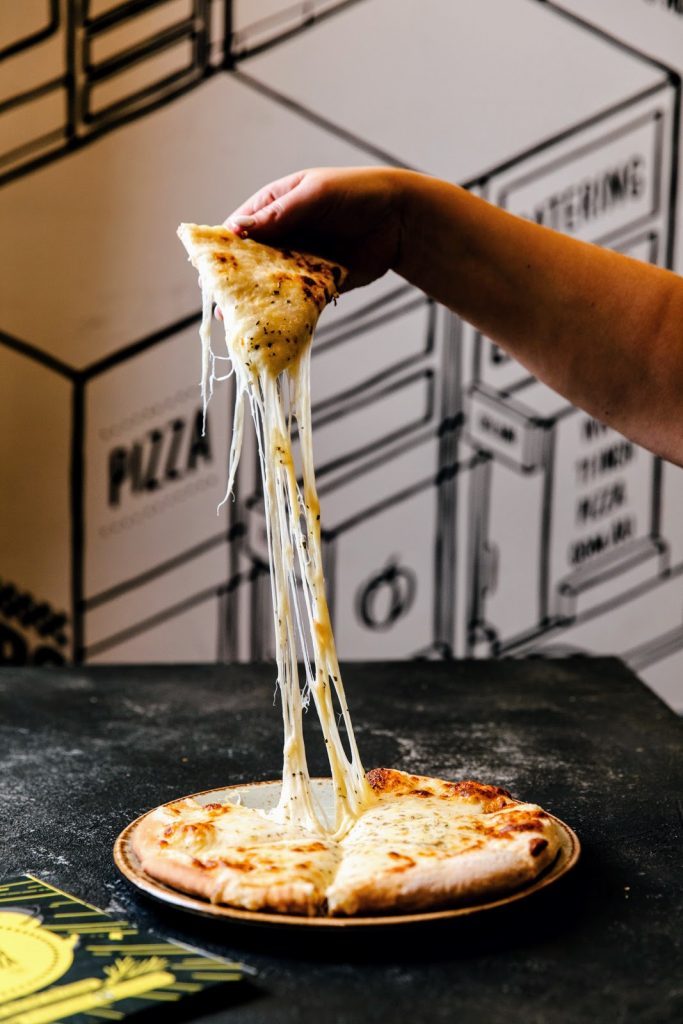
1. The Commodity Market: Understanding Mozzarella Economics
The global dairy market is one of the most volatile sectors in the food industry. For a business to remain solvent, the choice of cheese must be grounded in an understanding of how raw materials are priced and traded.
The Role of the Chicago Mercantile Exchange (CME)
In the United States, and by extension much of the global market, the price of pizza cheese is tethered to the Chicago Mercantile Exchange (CME). Block and barrel cheese prices fluctuate daily based on milk production cycles, weather patterns, and export demand. A professional pizza operation does not simply “buy cheese”; it manages a commodity risk. Large-scale operators often use “forward pricing” or “hedging” strategies to lock in cheese prices months in advance, protecting their bottom line from sudden market spikes that could erode profit margins.
Grade A vs. Industrial Grade: The Quality-Cost Tradeoff
From a financial perspective, cheese is categorized by its moisture content, fat levels, and aging process. Lower-moisture part-skim mozzarella is the industry standard because it offers a longer shelf life and more predictable performance under high heat. However, the decision between a “premium” buffalo mozzarella and a “standard” cow’s milk mozzarella is a branding decision backed by a financial model. High-grade cheeses command a premium price point, which must be justified by the brand’s ability to pass that cost on to the consumer via a higher Menu Price Floor.
2. Cost-Benefit Analysis: Premium Artistry vs. Bottom-Line Efficiency
When determining which cheese to utilize, a business must conduct a rigorous cost-benefit analysis. This involves calculating the “Yield and Coverage” of the product—essentially how much surface area the cheese covers per ounce and how it reacts to the heat of the oven.
The Mathematics of Yield and Melt
Financial efficiency in pizza production is often measured by the “melt spread.” A cheese that melts and spreads efficiently allows a kitchen to use fewer ounces per pie while still providing the visual appearance of a fully covered pizza. For example, a high-fat whole-milk mozzarella may cost more per pound than a part-skim alternative, but if its superior melt allows a chef to reduce the portion from 8 ounces to 7 ounces without compromising quality, the higher-priced ingredient may actually result in a lower “Cost Per Unit” (CPU).
The Upsell Potential of Blended Formulations
Many of the most successful pizza franchises do not use a single cheese; they use a proprietary blend. Financially, blending serves two purposes: consistency and cost control. By mixing a high-cost, high-flavor cheese (like aged Provolone or Gruyère) with a lower-cost “filler” mozzarella, a business can create a premium flavor profile while maintaining a manageable Weighted Average Cost of Goods Sold (COGS). This allows for a “Premiumization” strategy, where the business can market a “Signature Four-Cheese Blend” at a 15–20% price markup, despite only a marginal increase in actual ingredient cost.
3. Supply Chain Resilience and Sourcing Strategy
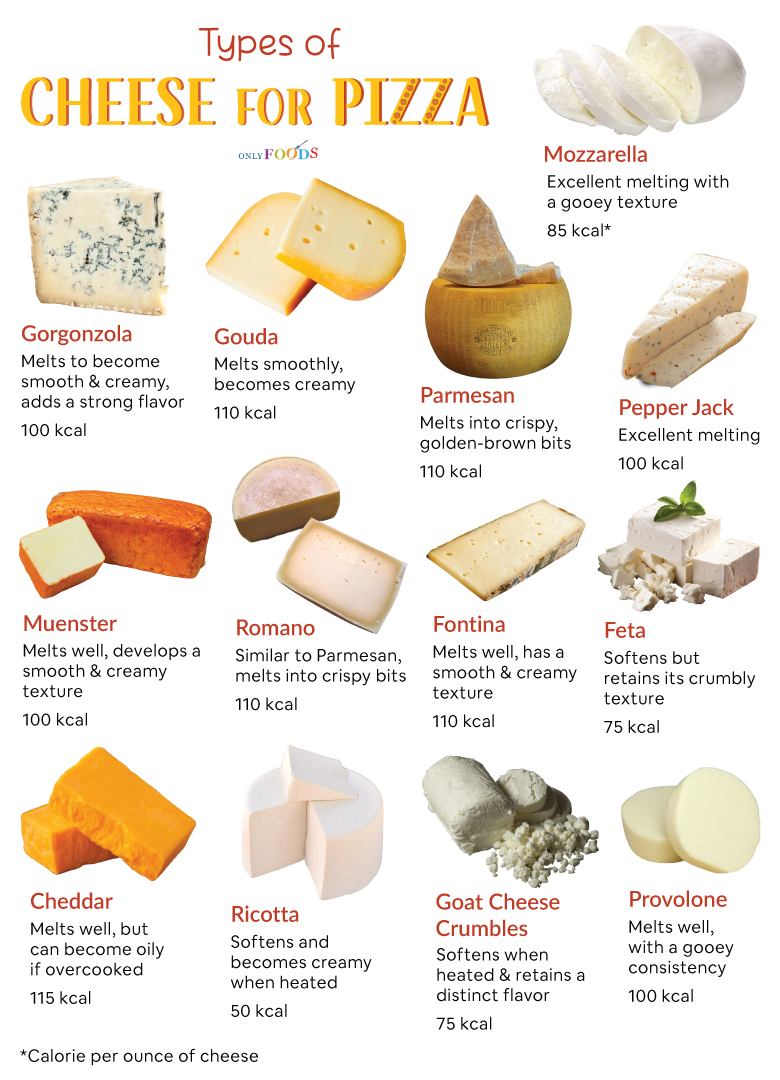
The logistics of cheese procurement are as vital as the price. In an era of global supply chain instability, the “what” of cheese is often dictated by the “where” and the “how.”
Local Sourcing vs. Global Distribution
For a boutique or artisanal brand, local sourcing (farm-to-table) can be a powerful marketing tool that justifies a higher price point. However, from a financial standpoint, local sourcing introduces “Single-Point-of-Failure” risk. If a local dairy experiences a production issue, the business may face a total supply stoppage. Conversely, relying on a global distributor like Sysco or Performance Food Group offers stability and volume-based discounts (Economies of Scale), but often at the cost of brand differentiation.
The Impact of Shredding and Processing Costs
Pizzerias must decide whether to purchase cheese in “blocks” or “pre-shredded.” While pre-shredded cheese reduces labor costs and ensures portion consistency, it comes with a “Value-Added” price premium from the manufacturer. Furthermore, pre-shredded cheeses are often coated in anti-caking agents like potato starch or cellulose, which can affect the melt quality and, consequently, the perceived value of the product. A financial audit of a high-volume pizzeria often reveals that investing in an industrial shredder and purchasing block cheese yields a Return on Investment (ROI) within less than six months due to the significant savings on the price-per-pound of raw cheese.
4. Innovation as an Investment: The ROI of Non-Traditional Cheeses
As consumer preferences shift toward plant-based diets and health-conscious eating, the pizza industry has seen a surge in “alternative” cheeses. These are no longer niche products; they are significant revenue drivers.
The Plant-Based Market Opportunity
Vegan and dairy-free “cheeses” (often made from cashews, coconut oil, or pea protein) typically carry a much higher cost than traditional dairy. However, they also allow businesses to tap into a demographic with high “Customer Lifetime Value” (CLV). By offering a high-quality vegan cheese option, a pizzeria can capture an entire group of diners who would otherwise avoid the establishment. Because these consumers are accustomed to paying “specialty surcharges,” the margins on vegan pizzas can often exceed those of traditional pepperoni or cheese pizzas.
Market Trends and Dietary Premiumization
Beyond plant-based options, there is an increasing market for lactose-free dairy and organic certifications. From a business finance perspective, these choices represent “Market Positioning.” By selecting a cheese that carries a specific certification (e.g., DOP for San Marzano/Mozzarella di Bufala or USDA Organic), a brand moves from a “Price Taker” (competing on the lowest price) to a “Price Maker” (setting a premium price based on perceived and actual quality).
5. Risk Management and Future-Proofing the Pizza Business
Finally, the selection of cheese must be viewed through the lens of long-term sustainability and financial risk management.
Managing Waste and Shrinkage
In the food business, “shrinkage” (waste, theft, or spoilage) is a profit killer. Cheese is a perishable asset. Selecting a cheese with a stable shelf life and predictable spoilage rate is essential for maintaining a healthy balance sheet. High-moisture cheeses, while delicious, have a very short window of peak usability. If a business cannot guarantee high turnover, the financial loss from discarded inventory can outweigh the benefits of using a “fresher” product.
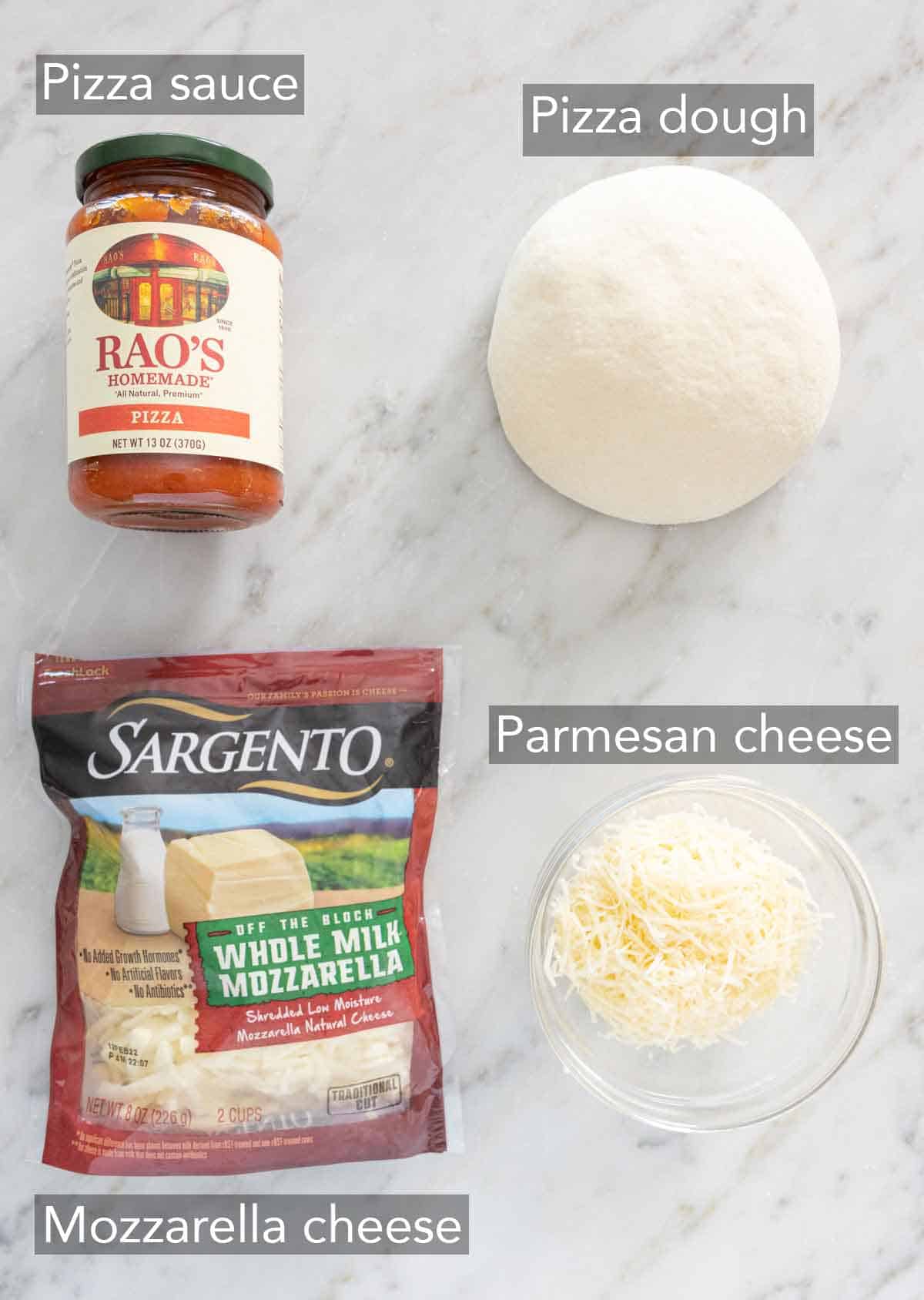
The Future of Synthetic Dairy
Investors are currently pouring millions into “precision fermentation”—a technology that allows for the creation of dairy proteins (like casein and whey) without the cow. As this technology scales, the “what cheese for pizza” question will shift toward lab-grown options that offer perfect consistency and zero commodity market volatility. Forward-thinking companies are already tracking these developments, as the first movers to adopt cost-stable, lab-grown mozzarella will likely gain a massive competitive advantage in the mid-market pizza segment.
In conclusion, choosing the right cheese for a pizza is one of the most consequential financial decisions a food service operator can make. It requires a balance of commodity market savvy, rigorous cost-per-unit analysis, and an understanding of consumer psychology. By treating cheese as a strategic investment rather than a mere ingredient, businesses can ensure both culinary excellence and long-term financial profitability.
aViewFromTheCave is a participant in the Amazon Services LLC Associates Program, an affiliate advertising program designed to provide a means for sites to earn advertising fees by advertising and linking to Amazon.com. Amazon, the Amazon logo, AmazonSupply, and the AmazonSupply logo are trademarks of Amazon.com, Inc. or its affiliates. As an Amazon Associate we earn affiliate commissions from qualifying purchases.