
Navigating the vast landscape of credit cards can be an overwhelming endeavor, especially when a financial giant like Chase offers such a diverse and compelling portfolio. From luxury travel perks to everyday cash back, business solutions, and co-branded airline and hotel rewards, Chase has a credit card tailored for nearly every financial profile and spending habit. But with so many options, the crucial question remains: “What Chase credit card is best?” The answer, unequivocally, isn’t a one-size-fits-all decree. Instead, it hinges entirely on your individual financial goals, spending patterns, creditworthiness, and desired benefits.
This comprehensive guide aims to demystify Chase’s top credit card offerings, providing an insightful analysis to help you pinpoint the card that aligns perfectly with your personal or business financial strategy. We’ll delve into the nuances of their popular card families, highlight specific flagship products, explore how to maximize their unique rewards ecosystems, and equip you with the knowledge to make an informed decision that truly benefits your financial future. By understanding your own needs and matching them against Chase’s robust product line, you can unlock significant value and make your money work harder for you.
Understanding Your Financial Profile and Goals
Before diving into specific card recommendations, it’s imperative to conduct an honest self-assessment of your financial habits and aspirations. The “best” card for a frequent international traveler will drastically differ from that for a budget-conscious student or a small business owner. Identifying your primary financial objectives is the bedrock of making an astute credit card choice.
Identifying Your Spending Habits and Priorities
Take a close look at your monthly expenditures. Do you spend heavily on dining and travel? Are groceries and gas your primary categories? Or do you have significant recurring bills that don’t fit neatly into traditional bonus categories? A detailed understanding of where your money goes is crucial for selecting a card that rewards you most effectively. For instance, if you rarely travel, a card offering lucrative travel points might offer less value than one providing a high flat-rate cash back percentage or bonus points on everyday essentials. Conversely, if you’re constantly on the go, a card with strong travel protections, airport lounge access, and elevated earning rates on travel purchases will likely be a game-changer. Consider also whether you prefer simplicity (e.g., flat cash back) or are willing to engage with rotating bonus categories and complex redemption strategies to maximize value.
Personal vs. Business Use
Chase offers distinct lines of credit cards designed for personal and business use. Attempting to use a personal card for significant business expenses can complicate accounting and potentially limit certain tax benefits, not to mention missing out on business-specific rewards. If you own a small business, whether it’s a sole proprietorship, an LLC, or a growing enterprise, a dedicated business credit card can provide not only higher spending limits and specialized rewards categories relevant to business operations (e.g., office supplies, internet, phone services) but also helps separate personal and business finances, simplifying tax preparation and financial tracking. Chase’s Ink Business series, for example, is renowned for its generous sign-up bonuses and business-centric rewards structures, making it an excellent choice for entrepreneurs looking to optimize their operational spending.
Evaluating Your Creditworthiness
Your credit score plays a significant role in determining which Chase cards you qualify for. Most of Chase’s premium rewards cards, particularly those in the Sapphire and Ink Business lines, require excellent credit (typically FICO scores of 740+). Cards with more accessible entry requirements, such as some of the Freedom cards, may accept good credit (670-739). Before applying, it’s wise to check your credit score and understand your credit history. Over-applying for credit cards, especially with multiple hard inquiries in a short period, can temporarily lower your score and flag you as a higher risk. Chase is also well-known for its “5/24 rule,” which generally denies applications if you’ve opened five or more personal credit accounts across any issuer in the past 24 months. Understanding and navigating this rule is often a critical component for those serious about their Chase card strategy.
Top Chase Credit Card Families and Their Flagship Products
Chase’s credit card portfolio is broadly categorized into a few main families, each targeting different consumer needs. Understanding these families is key to identifying your ideal match.
The Chase Sapphire Ecosystem: Premium Travel Rewards
The Sapphire cards are Chase’s flagship offerings for travelers and foodies, celebrated for their robust Ultimate Rewards (UR) points system and premium perks.
Chase Sapphire Preferred® Card
Often heralded as the best entry-level premium travel card, the Sapphire Preferred offers a compelling balance of a moderate annual fee and significant travel rewards. Cardholders earn 2x points on travel and dining, and 1x on all other purchases. Its true value, however, lies in its ability to transfer points 1:1 to numerous airline and hotel loyalty programs (e.g., United, Southwest, Marriott, Hyatt), and points are worth 25% more when redeemed for travel through the Chase Ultimate Rewards portal. With a substantial sign-up bonus, trip cancellation/interruption insurance, primary rental car insurance, and no foreign transaction fees, it’s an exceptional choice for those beginning their journey into maximizing travel rewards.
Chase Sapphire Reserve®
For the frequent traveler and luxury seeker, the Sapphire Reserve elevates the experience with enhanced benefits and a higher annual fee, largely offset by a generous annual travel credit. This card earns 3x points on travel and dining (after the first $300 travel credit is applied), and 1x on other purchases. Points are worth 50% more when redeemed for travel through the Chase portal and also transfer 1:1 to partners. Key perks include a $300 annual travel credit, Priority Pass Select lounge access, TSA PreCheck/Global Entry fee credit, and comprehensive travel and purchase protections. It’s designed for those who can leverage its premium benefits and whose travel spending justifies the fee.
The Chase Freedom Family: Versatile Cash Back & Rewards
The Freedom cards are designed for everyday spending, offering flexible cash back or points that can be supercharged when paired with a Sapphire card.
Chase Freedom Flex℠
This card offers an innovative rewards structure with 5% cash back on up to $1,500 in combined purchases in rotating quarterly bonus categories (activation required, e.g., gas, groceries, streaming services), 5% on travel purchased through Chase Ultimate Rewards, 3% on dining and drugstores, and 1% on all other purchases. This adaptability makes it incredibly powerful for maximizing returns on varied spending throughout the year. As a no-annual-fee card, it’s an excellent staple for any wallet.
Chase Freedom Unlimited®
For those who prefer simplicity without sacrificing rewards, the Freedom Unlimited is a compelling choice. It offers an unlimited 1.5% cash back on all purchases, 5% on travel purchased through Chase Ultimate Rewards, and 3% on dining and drugstores. With no annual fee, it’s a strong contender for everyday non-bonus category spending and serves as a fantastic companion to a Sapphire card, allowing all earnings to be pooled into a single, high-value Ultimate Rewards account.

The Chase Ink Business Family: Powerful Tools for Entrepreneurs
Chase’s business cards are tailor-made for small to medium-sized businesses, offering robust rewards on business-specific spending.
Chase Ink Business Preferred® Credit Card
Often considered the business counterpart to the Sapphire Preferred, the Ink Business Preferred offers 3x points on the first $150,000 spent annually in select categories including travel, shipping, internet, cable, phone services, and advertising purchases made with social media sites and search engines. It also offers 1x on all other purchases. Points are worth 25% more when redeemed for travel through Chase Ultimate Rewards and can be transferred 1:1 to airline and hotel partners. With cell phone protection and a generous sign-up bonus, it’s ideal for businesses with significant expenses in its bonus categories.
Chase Ink Business Unlimited® Credit Card
A straightforward option for business owners, this card offers unlimited 1.5% cash back (or 1.5x Ultimate Rewards points) on every business purchase, everywhere, with no annual fee. It’s an excellent choice for businesses that prefer a simple rewards structure for their general spending, especially when paired with an Ink Preferred or Sapphire card to leverage the valuable Ultimate Rewards ecosystem.
Chase Ink Business Cash® Credit Card
Similar to the Freedom Flex, the Ink Business Cash offers 5% cash back on the first $25,000 spent annually at office supply stores and on internet, cable, and phone services, and 2% cash back on the first $25,000 spent annually at gas stations and restaurants. All other purchases earn 1% cash back. With no annual fee, it’s a powerful tool for businesses with significant spending in these specific categories.
Maximizing Your Chase Ultimate Rewards
The true power of many Chase credit cards lies in their proprietary rewards program: Ultimate Rewards (UR). This system is consistently ranked among the most valuable and flexible points currencies available. Understanding how to earn and redeem UR points effectively is paramount to making a Chase card truly “best” for you.
Understanding Ultimate Rewards Points Value
Chase Ultimate Rewards points typically have a baseline value of 1 cent per point when redeemed for cash back or gift cards. However, their value can significantly increase when redeemed for travel. With a Chase Sapphire Preferred, points are worth 1.25 cents each when redeemed through the Chase travel portal, and with a Chase Sapphire Reserve, they’re worth 1.5 cents each. But the highest value often comes from transferring points to Chase’s airline and hotel partners.
Strategic Point Transfers to Travel Partners
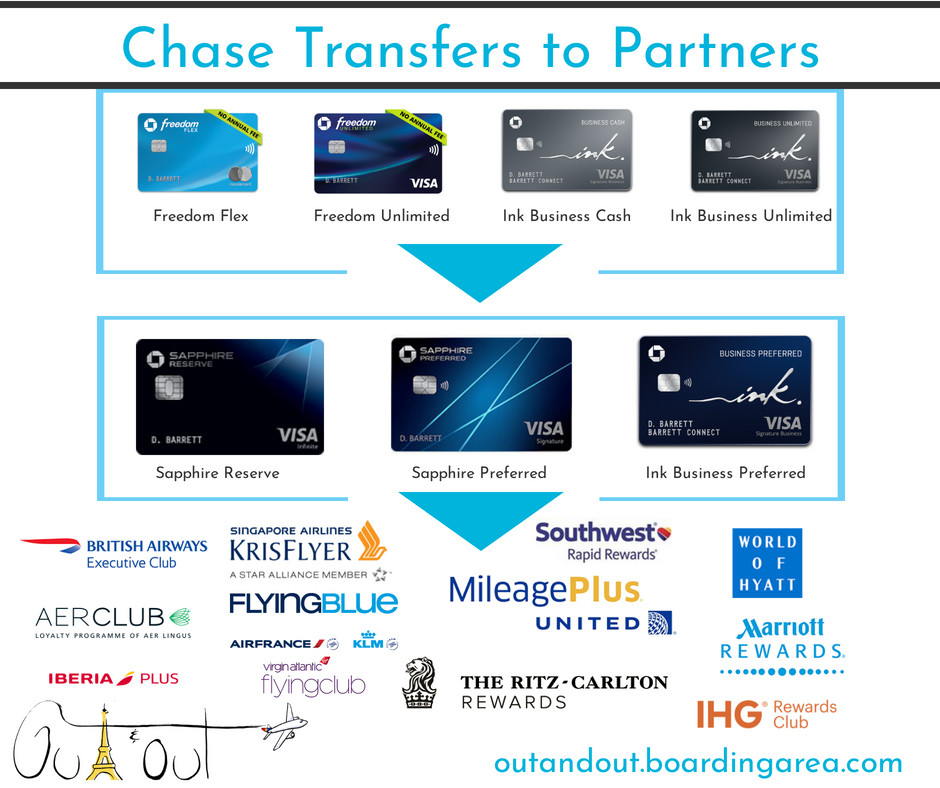
The ability to transfer Ultimate Rewards points 1:1 to a host of leading airline and hotel loyalty programs is where these points shine brightest. Partners include United Airlines MileagePlus, Southwest Airlines Rapid Rewards, British Airways Executive Club, Air France/KLM Flying Blue, Singapore Airlines KrisFlyer, Virgin Atlantic Flying Club, IHG One Rewards, Marriott Bonvoy, and World of Hyatt. By strategically transferring points to partners during promotional periods or for high-value redemption, you can often achieve a value of 2 cents per point or even higher. For instance, redeeming for luxury hotel stays with Hyatt or business/first-class flights with airline partners can yield exceptional returns on your points. This strategy requires some research and flexibility but offers the most lucrative way to utilize your UR points.
The “Chase Trifecta” and Beyond
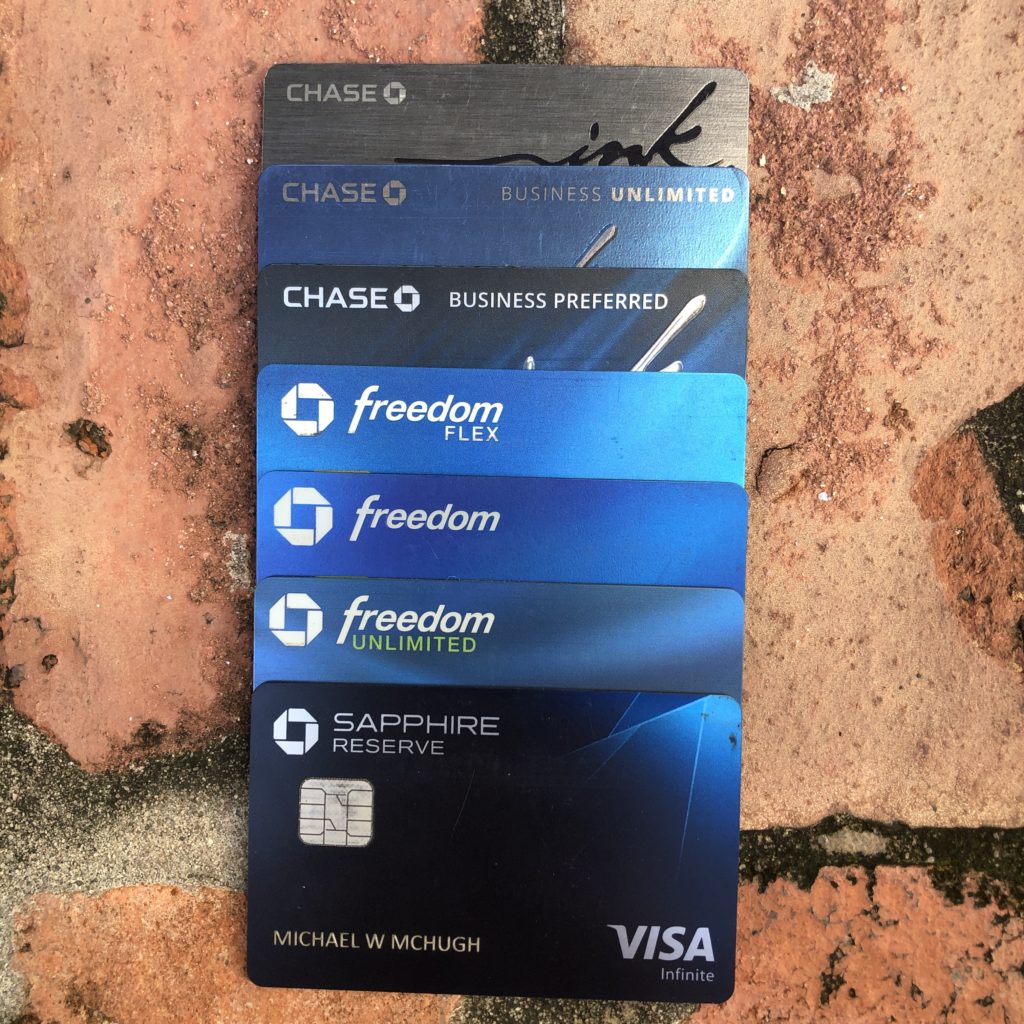
For advanced users, the “Chase Trifecta” strategy involves holding the Chase Sapphire Reserve (or Preferred), Chase Freedom Flex, and Chase Freedom Unlimited. This combination allows you to earn elevated points in various bonus categories while consolidating all points into your premium Sapphire account, where they benefit from the higher redemption value or 1:1 transfer option. For business owners, adding the Ink Business Preferred, Ink Business Cash, or Ink Business Unlimited creates an even more powerful “Quadfecta” or “Quinfecta,” further diversifying earning categories and maximizing overall Ultimate Rewards accumulation across personal and business spending. This synergistic approach ensures that virtually every dollar you spend earns a valuable return within a single, highly flexible rewards ecosystem.
Making the “Best” Choice for Your Financial Future
Ultimately, the “best” Chase credit card is the one that most effectively serves your unique financial landscape. It requires a thoughtful evaluation of your current situation and future aspirations.
Balancing Rewards with Annual Fees
Many of Chase’s premium cards come with annual fees, which can range from under $100 to over $500. It’s crucial to calculate whether the value you derive from the card’s rewards, credits, and perks genuinely offsets this fee. For cards like the Sapphire Reserve, the annual travel credit alone can largely negate the fee if used effectively. For others, like the Sapphire Preferred, the sign-up bonus and ongoing rewards easily justify the cost for the first few years. For those averse to annual fees, the Freedom and Ink Business Cash/Unlimited cards offer excellent no-fee options that can still provide substantial value, especially when paired with a premium Ultimate Rewards card.
Considering the Chase 5/24 Rule and Application Strategy
As mentioned, the Chase 5/24 rule is a critical factor for anyone planning to build a Chase card portfolio. If you’ve opened five or more new personal credit card accounts (from any issuer) in the last 24 months, your application for most Chase cards will likely be denied. Strategic planning is essential. Often, it’s recommended to apply for Chase cards before other issuers if you intend to collect several. Furthermore, prioritize cards that offer the most value for your specific goals, ensuring you make each application count within the 5/24 constraint. This also means being mindful of your credit score and ensuring a healthy credit history before applying for premium cards.
Future-Proofing Your Credit Card Strategy
Your financial needs and spending habits may evolve over time. What’s best for you today might not be best in five years. Consider cards that offer flexibility in rewards redemption and the potential to upgrade or downgrade within the Chase family. For instance, starting with a Freedom Flex or Unlimited and later upgrading to a Sapphire Preferred, or even product changing from one Sapphire to another, allows you to adapt your strategy without closing accounts and impacting your credit history. Continuously review your card usage, redemption patterns, and any changes in your lifestyle to ensure your chosen Chase card (or cards) continues to be the optimal choice for your financial journey.
In conclusion, there isn’t a single “best” Chase credit card, but rather a perfect fit for you. By meticulously analyzing your spending, understanding your financial goals, evaluating your creditworthiness, and strategically navigating Chase’s impressive lineup, you can confidently select the card that unlocks the most value and helps you achieve your personal or business financial aspirations. Always remember to use credit responsibly and ensure any card you choose aligns with your overall financial health.
aViewFromTheCave is a participant in the Amazon Services LLC Associates Program, an affiliate advertising program designed to provide a means for sites to earn advertising fees by advertising and linking to Amazon.com. Amazon, the Amazon logo, AmazonSupply, and the AmazonSupply logo are trademarks of Amazon.com, Inc. or its affiliates. As an Amazon Associate we earn affiliate commissions from qualifying purchases.