
The hum of an engine, the smooth glide down the road, the reliable power for your electronics – all of this relies on a crucial component tucked away under the hood: the car battery. But have you ever stopped to consider the intricate dance of energy that keeps this vital organ of your vehicle alive and kicking? It’s a question that might seem straightforward, but the answer delves into the fascinating interplay of technology, engineering, and fundamental physics. This article will unpack precisely what charges your car battery, exploring the core mechanisms and the broader technological ecosystem that ensures your car starts every time.
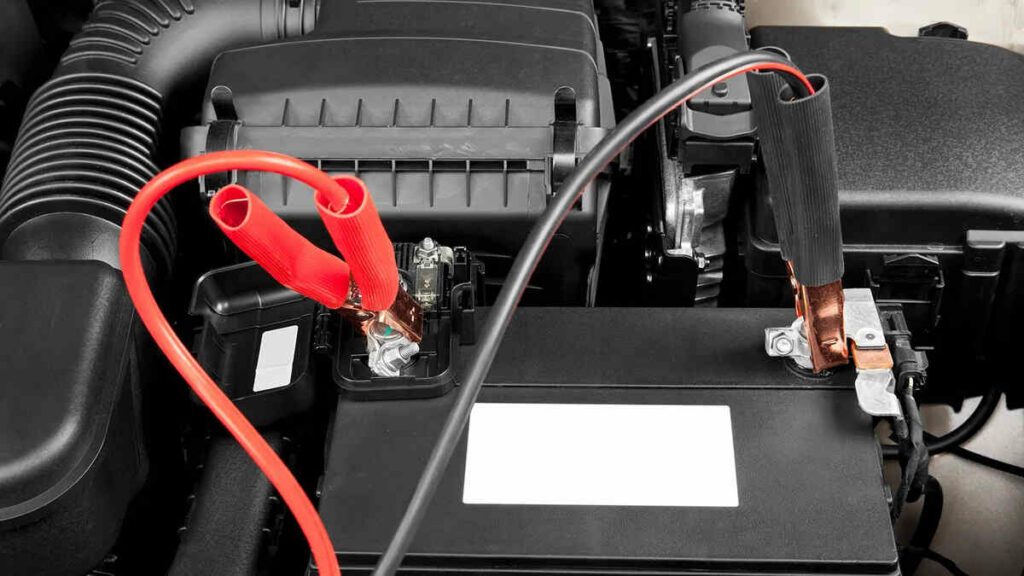
The Engine’s Heartbeat: How the Alternator Powers Your Journey
At the heart of the charging system lies the alternator, the unsung hero that transforms the mechanical energy of your engine into electrical energy. While the battery itself stores electrical energy, it’s the alternator that continuously replenishes that store as you drive.
From Rotation to Electricity: The Physics of Alternation
The alternator is a marvel of electromagnetic induction. It’s essentially a generator that leverages the rotational motion of the engine’s crankshaft. Inside the alternator, a rotor (an electromagnet) spins within a stator (a set of stationary coils). As the rotor spins, its magnetic field sweeps across the stator coils, inducing an alternating current (AC) within them.
This AC current, however, isn’t directly usable by your car’s DC (direct current) electrical system. This is where the rectifier comes in. The rectifier, typically a set of diodes, converts the AC current from the stator into DC current. Diodes act like one-way valves for electricity, allowing current to flow in only one direction, effectively smoothing out the AC waveform into a steady DC output.
The Regulator: Maintaining the Optimal Charge
Simply generating electricity isn’t enough; it needs to be managed. Too much voltage can damage the battery and other electrical components, while too little means the battery won’t charge adequately. This is the role of the voltage regulator.
The voltage regulator monitors the battery’s voltage and the alternator’s output. If the voltage rises too high (often when the engine is running at higher RPMs), the regulator reduces the excitation current to the rotor’s electromagnet, thereby decreasing the magnetic field strength and the alternator’s output. Conversely, if the voltage drops too low, the regulator increases the excitation current, strengthening the magnetic field and boosting the output. This dynamic adjustment ensures that the battery receives a consistent and appropriate charge, preventing both overcharging and undercharging.
The Drive Belt: Connecting Power to the System
The alternator isn’t self-powered; it requires mechanical input. This is provided by the drive belt, often a serpentine belt or a V-belt, that connects the crankshaft of the engine to the pulley on the alternator. As the engine runs, the crankshaft rotates, turning the drive belt, which in turn spins the alternator’s rotor at high speed. The tension of this belt is critical; a loose belt will slip, reducing the alternator’s efficiency, while an overly tight belt can put undue strain on the alternator’s bearings and other components.
Beyond the Alternator: The Battery’s Role in the Energy Cycle
While the alternator is the primary charging source during operation, the car battery plays a crucial role in the overall energy management system. Its functions extend beyond just providing the initial spark to start the engine.
The Energy Reservoir: Storing and Delivering Power
The car battery is an electrochemical device designed to store electrical energy and deliver it when needed. During engine startup, it provides the substantial surge of current required to crank the starter motor. This is a high-demand, short-duration event, and it’s where the battery’s capacity to deliver immense power quickly is essential.
Once the engine is running and the alternator is producing power, the battery acts as a buffer. It absorbs excess electrical energy from the alternator when the car’s electrical demands are low, preventing voltage spikes. Conversely, when the electrical load exceeds the alternator’s immediate output (e.g., when the headlights, radio, and air conditioning are all running simultaneously), the battery supplements the alternator’s power, ensuring a stable electrical supply to all systems. This dual role of storage and supplementary power delivery makes the battery indispensable, even when the alternator is actively charging it.
The Electrochemical Foundation: Lead-Acid Technology
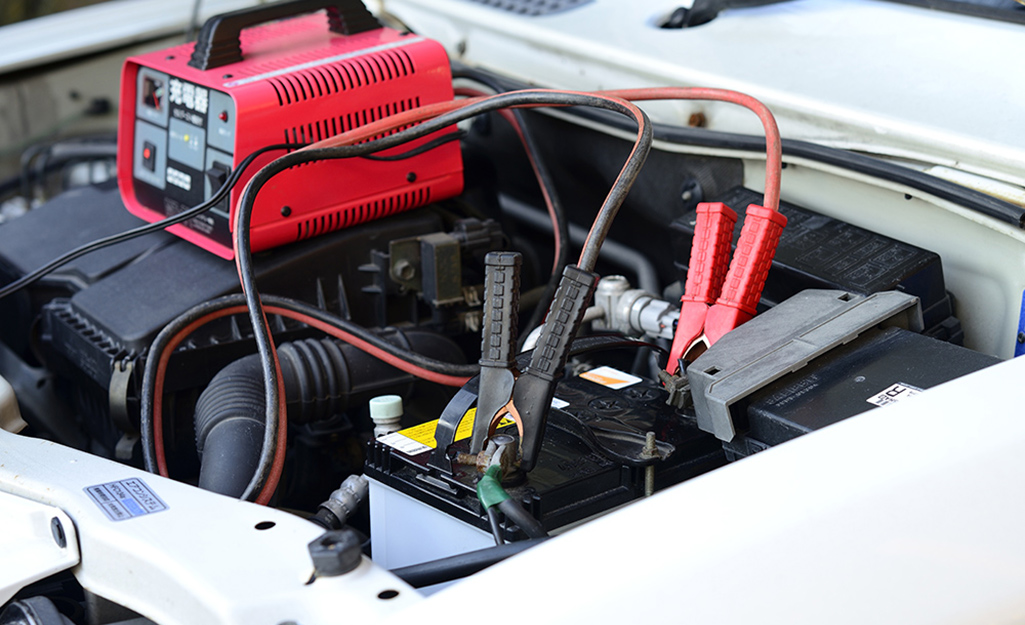
The vast majority of car batteries are based on lead-acid technology. This chemistry involves a series of electrochemical cells, each producing about 2 volts. These cells are connected in series to achieve the desired 12-volt output.
Within each cell, lead plates (positive and negative electrodes) are immersed in an electrolyte, typically a mixture of sulfuric acid and water. During discharge, a chemical reaction occurs between the lead plates and the sulfuric acid, producing electrical energy. During charging, the process is reversed by the alternator, converting the electrical energy back into chemical energy, thus replenishing the battery’s charge. The effectiveness and longevity of this electrochemical process are directly influenced by factors such as temperature, driving habits, and the overall health of the charging system.
The Digital Brain: Modern Car Electronics and Battery Management
In today’s increasingly complex automotive landscape, the relationship between the battery, the alternator, and the car’s other electronic systems has become more sophisticated. Modern vehicles employ advanced Battery Management Systems (BMS) that play a vital role in optimizing charging and extending battery life.
Smart Charging and Load Management
Modern cars utilize intelligent charging algorithms. Instead of simply providing a constant voltage, the BMS can communicate with the alternator to adjust the charging rate based on various factors. These can include the battery’s temperature, its state of charge, and the demands of other electrical components. For instance, if the battery is cold, the BMS might instruct the alternator to charge it at a slightly higher rate to overcome the reduced electrochemical efficiency in colder temperatures. Similarly, if the car is parked with many systems drawing power (like an alarm system or infotainment memory), the BMS might ensure the battery is kept at an optimal charge level.
Preventing Drain and Enhancing Longevity
The BMS also plays a critical role in preventing battery drain. It can monitor parasitic draws – small amounts of current that continue to flow even when the car is off. If a significant parasitic draw is detected, the BMS can alert the driver or even shut down non-essential systems to prevent the battery from being completely discharged. This proactive approach not only prevents inconvenient dead battery situations but also contributes to the overall longevity of the battery by avoiding deep discharge cycles, which can be detrimental to its health.
The Impact of Technology Trends
The integration of sophisticated electronics in vehicles, driven by trends in Tech, such as the rise of electric vehicles (EVs) and advanced driver-assistance systems (ADAS), is further influencing battery technology and charging management. While this article primarily focuses on traditional internal combustion engine (ICE) vehicles, it’s worth noting that EVs have their own complex Battery Management Systems that are far more advanced, managing not only charging but also discharge, thermal regulation, and cell balancing for much larger battery packs. Even in ICE vehicles, the increasing reliance on sensors, infotainment systems, and connectivity features means that the electrical demands on the battery are constantly evolving, pushing the boundaries of alternator and BMS capabilities.
The Cost of Power: Financial Implications of Battery Health
The consistent and effective charging of your car battery has direct implications for your personal finances, falling under the Money umbrella of our website’s core topics. A healthy charging system means fewer unexpected expenses and greater reliability.
Avoiding Costly Repairs and Replacements
A failing charging system, whether it’s a worn-out alternator, a damaged drive belt, or an aging battery, can lead to a cascade of problems. A dead battery is an obvious inconvenience that can result in towing fees, replacement costs, and the potential for missed appointments or work. However, the symptoms can be more subtle. A poorly charging alternator might lead to flickering lights, dashboard warning lights, or even intermittent engine stalling, all of which can be costly to diagnose and repair. The upfront investment in a well-maintained charging system and regular battery checks can prevent these more significant financial burdens down the line.
The Battery Lifecycle and Replacement Costs
Car batteries have a finite lifespan, typically ranging from 3 to 5 years. The alternator, when properly maintained, can last much longer. Understanding the expected lifespan of your battery and the factors that influence it (like climate and driving habits) is crucial for financial planning. When it’s time for a replacement, the cost can vary significantly depending on the battery type and vehicle. Furthermore, the economic considerations extend to the environmental impact of battery disposal and recycling, a growing concern in the automotive industry.

The Ripple Effect on Vehicle Performance
Beyond direct repair costs, an inadequate charging system can subtly impact your vehicle’s overall performance. Modern cars rely on a stable electrical supply for everything from fuel injection efficiency to the optimal functioning of engine control units (ECUs). If the battery isn’t being charged correctly, these systems might not operate at peak efficiency, potentially leading to slightly reduced fuel economy. While this might seem negligible on a daily basis, over time, it can represent a small but consistent financial drain.
In essence, what charges your car battery is a sophisticated partnership between the mechanical power of your engine, the electromagnetic ingenuity of the alternator, and the electrochemical resilience of the battery itself. This intricate system, increasingly augmented by intelligent digital management, ensures your vehicle has the lifeblood it needs to keep moving. Understanding these components not only demystifies a fundamental aspect of your car but also highlights the importance of maintenance for both reliability and financial prudence.
aViewFromTheCave is a participant in the Amazon Services LLC Associates Program, an affiliate advertising program designed to provide a means for sites to earn advertising fees by advertising and linking to Amazon.com. Amazon, the Amazon logo, AmazonSupply, and the AmazonSupply logo are trademarks of Amazon.com, Inc. or its affiliates. As an Amazon Associate we earn affiliate commissions from qualifying purchases.