
When we delve into the fundamental building blocks of life, the molecule that stands out is deoxyribonucleic acid, or DNA. Its intricate double-helix structure is instantly recognizable, a symbol of heredity and the very essence of what makes us, us. But beyond its role as the carrier of genetic information, DNA possesses a fascinating and often overlooked characteristic: charge. This electrical property isn’t just an academic curiosity; it has profound implications across various fields, from the cutting edge of Tech (specifically in biocomputing and diagnostics) to the way we understand biological processes, and even touching on the potential for novel Money-making ventures in biotechnology.

While the question “what charge is DNA?” might seem straightforward, a deeper exploration reveals a nuanced answer. It’s not simply positive or negative, but rather a complex interplay of charges that dictate its behavior, its interactions, and ultimately, its function. Understanding this electrical signature unlocks new possibilities for innovation and application.
The Negatively Charged Backbone: A Fundamental Property
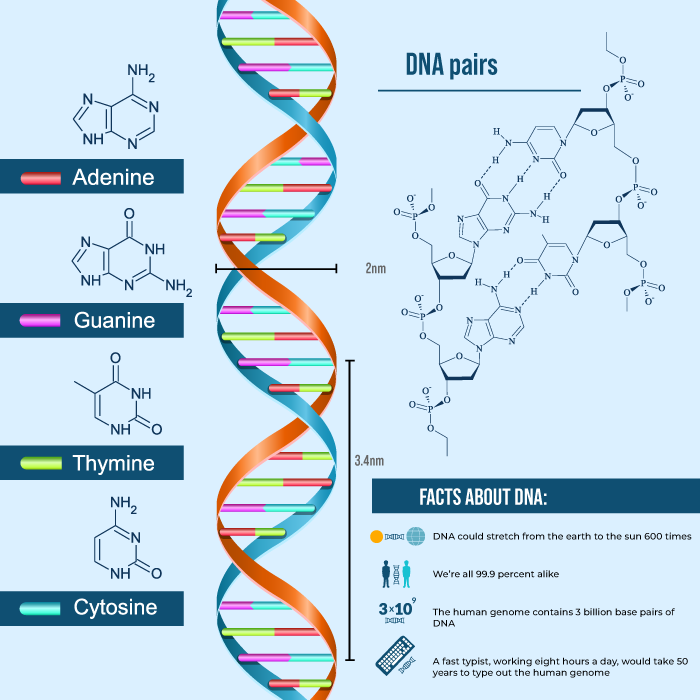
The primary reason DNA carries a negative charge stems from its molecular structure. DNA is a polymer, meaning it’s a long chain of repeating units called nucleotides. Each nucleotide consists of three components: a deoxyribose sugar, a phosphate group, and one of four nitrogenous bases (adenine, guanine, cytosine, or thymine).
The Phosphate Group’s Electrical Influence
The crucial element contributing to DNA’s negative charge is the phosphate group. This group is attached to the deoxyribose sugar in the DNA backbone. In aqueous solutions, which are the environments where DNA exists within cells, the hydrogen atom on the phosphate group readily dissociates, leaving behind a negatively charged oxygen atom. Since each strand of DNA contains numerous phosphate groups, the cumulative effect is a significant and consistent overall negative charge.
This negative charge is a fundamental and invariant property of DNA. It’s a constant that scientists leverage in a wide array of laboratory techniques. For instance, in gel electrophoresis, an essential tool for separating DNA fragments, the negatively charged DNA molecules are driven towards a positive electrode, allowing researchers to analyze their size and quantity. This application directly bridges the gap between fundamental biological science and the Tech advancements that enable modern research and diagnostics.
The Role of the Sugar-Phosphate Backbone
The sugar-phosphate backbone forms the outer structure of the DNA double helix, with the nitrogenous bases pointing inward. This arrangement means that the negative charges are readily exposed to the surrounding environment. This external negative charge plays a critical role in DNA’s interactions with other molecules, particularly positively charged proteins. Many proteins that bind to DNA, such as transcription factors that regulate gene expression, possess positively charged regions. These electrostatic attractions are vital for the specific binding of proteins to DNA sequences, enabling crucial cellular processes.
This interaction between negative DNA and positive proteins is a prime example of how electrical charge dictates biological function. It’s a sophisticated dance orchestrated by fundamental chemical principles, and understanding it is key to developing advanced biotechnologies.
Beyond the Backbone: Nuances in DNA’s Charge
While the phosphate groups are the dominant source of DNA’s negative charge, other factors can influence its overall electrical profile and interactions. These nuances are particularly relevant when considering applications in advanced Tech and the development of novel materials.
The Influence of the Bases: A Subtle Contribution
The nitrogenous bases themselves are generally considered neutral. However, under certain conditions or in specific molecular environments, they can exhibit weak polarity. For instance, the hydrogen bonds that hold the two strands of DNA together involve interactions between nitrogen and oxygen atoms on the bases, which can have subtle charge distributions. While these are not the primary drivers of DNA’s overall charge, they can influence how DNA interacts with certain molecules and its local electrical environment.
Furthermore, modifications to DNA, such as methylation, can alter the charge profile in specific regions. These epigenetic modifications are crucial for gene regulation and can indirectly impact the way DNA interacts with its protein partners, further underscoring the importance of charge in biological control.
The Surrounding Environment: A Dynamic Influence
The charge of DNA is not an isolated phenomenon. It is deeply influenced by the environment in which it resides. The ionic strength of the surrounding solution, for example, plays a significant role. In solutions with high concentrations of positive ions (like sodium or magnesium ions), these ions can partially neutralize the negative charges on the DNA backbone. This phenomenon is crucial in many biological processes and laboratory applications, affecting DNA’s stability, its ability to fold, and its interaction with other molecules.
The pH of the environment also matters. While the phosphate groups remain largely deprotonated (negatively charged) across a wide physiological pH range, extreme pH values can lead to protonation or deprotonation of other parts of the DNA molecule, subtly altering its charge distribution.
These environmental factors highlight that DNA’s charge is not static but dynamic, adapting and interacting with its surroundings in complex ways. This dynamic nature is a key consideration for Tech applications aiming to manipulate or analyze DNA outside of its natural cellular environment.
Harnessing DNA’s Charge: Innovation in Tech and Beyond
The inherent negative charge of DNA is not merely a scientific descriptor; it’s a powerful tool that is being increasingly leveraged in various technological advancements. From the laboratory bench to potential future applications, understanding and manipulating DNA’s charge is opening new frontiers.
Tech Applications: Diagnostics, Sequencing, and Biocomputing
The negative charge of DNA is fundamental to many diagnostic and research Tech. Techniques like:
- Polymerase Chain Reaction (PCR): While not directly dependent on charge for amplification, the manipulation of DNA during PCR, including its movement and isolation, relies on its inherent properties.
- DNA Sequencing: Modern DNA sequencing technologies, such as nanopore sequencing, exploit the passage of negatively charged DNA strands through tiny pores. The electrical current changes as different bases pass through, allowing for the determination of the DNA sequence. This is a direct application of DNA’s charge influencing measurable electrical signals.
- DNA Microarrays and Biosensors: These technologies often rely on immobilizing DNA onto surfaces. The electrostatic interactions between the negatively charged DNA and the charged surface, or specific detection probes, are critical for their functionality.
- Gene Therapy and Drug Delivery: Designing effective gene therapy vectors and drug delivery systems often involves considering the electrostatic interactions between the therapeutic payload (including DNA) and cell membranes or targeting molecules.
Beyond diagnostics, the electrical properties of DNA are paving the way for the burgeoning field of biocomputing. Researchers are exploring ways to use DNA molecules as computational elements, leveraging their ability to store vast amounts of information and their predictable self-assembly based on electrostatic forces. Imagine DNA-based circuits where charge interactions dictate computational operations. This is a futuristic application where a deep understanding of DNA’s electrical nature is paramount.
Brand and Marketing Implications: Communicating Complexity
In the realm of Brand and marketing, the complexity of DNA’s electrical properties can be a double-edged sword. For scientific companies and biotechnology firms, a clear and accurate communication of these fundamental properties can build credibility and showcase innovation.
- Demonstrating Expertise: Companies involved in DNA sequencing, gene editing, or advanced diagnostics can use their understanding of DNA’s charge as a cornerstone of their brand narrative. Case studies highlighting how they overcome challenges related to DNA’s electrical behavior can resonate with investors and partners.
- Simplifying Complex Concepts: While the science is intricate, marketing materials need to translate this into understandable benefits. Focusing on how DNA’s charge enables faster, more accurate diagnostics, or more effective treatments, is key. The brand message should emphasize the positive outcomes derived from this fundamental scientific understanding.
- Ethical Considerations and Trust: As DNA technology advances, so do ethical considerations. A strong brand built on transparency and a deep understanding of the science, including its electrical properties, can foster trust with the public and regulatory bodies.

Money and Investment Opportunities: The Bio-Economy
The profound implications of DNA’s electrical properties are creating significant Money and investment opportunities within the biotechnology and life sciences sectors.
- Diagnostic Technologies: The continuous development of more sensitive and faster DNA-based diagnostic tools, often relying on manipulating charge, represents a rapidly growing market.
- Personalized Medicine: As we move towards personalized medicine, DNA analysis becomes increasingly crucial. Companies developing advanced sequencing and analysis platforms, which implicitly utilize DNA’s charge, are poised for growth.
- Synthetic Biology and Biomanufacturing: The ability to engineer DNA for specific purposes, including creating novel materials or producing pharmaceuticals, is a burgeoning area. Understanding and controlling DNA’s electrical interactions is vital for designing these synthetic systems.
- Biocomputing Investments: While still in its early stages, the potential for DNA-based computing is immense. Early-stage investment in companies and research institutions at the forefront of this field could yield significant returns as the technology matures.
In essence, the “charge” of DNA is not just a scientific fact; it’s a foundational element driving innovation across multiple industries. From the intricate workings of cellular machinery to the design of next-generation technologies and the economic engines of the future, the electrical nature of life’s blueprint continues to unveil new possibilities. Understanding “what charge is DNA” is the first step in unlocking its full potential.
aViewFromTheCave is a participant in the Amazon Services LLC Associates Program, an affiliate advertising program designed to provide a means for sites to earn advertising fees by advertising and linking to Amazon.com. Amazon, the Amazon logo, AmazonSupply, and the AmazonSupply logo are trademarks of Amazon.com, Inc. or its affiliates. As an Amazon Associate we earn affiliate commissions from qualifying purchases.