
Mortality is often viewed through a biological or emotional lens, but in the realm of economics and personal finance, it represents the ultimate market disruptor. In the United States, the leading causes of death—primarily chronic diseases, accidents, and emerging public health crises—do more than impact families; they shape the national debt, influence the volatility of healthcare stocks, and dictate the structure of the insurance industry. Understanding what causes most deaths in the USA is not merely a medical necessity; it is a fundamental requirement for anyone analyzing the long-term fiscal health of the country or planning a robust personal financial strategy.

The High Cost of Chronic Disease: A Macroeconomic Perspective
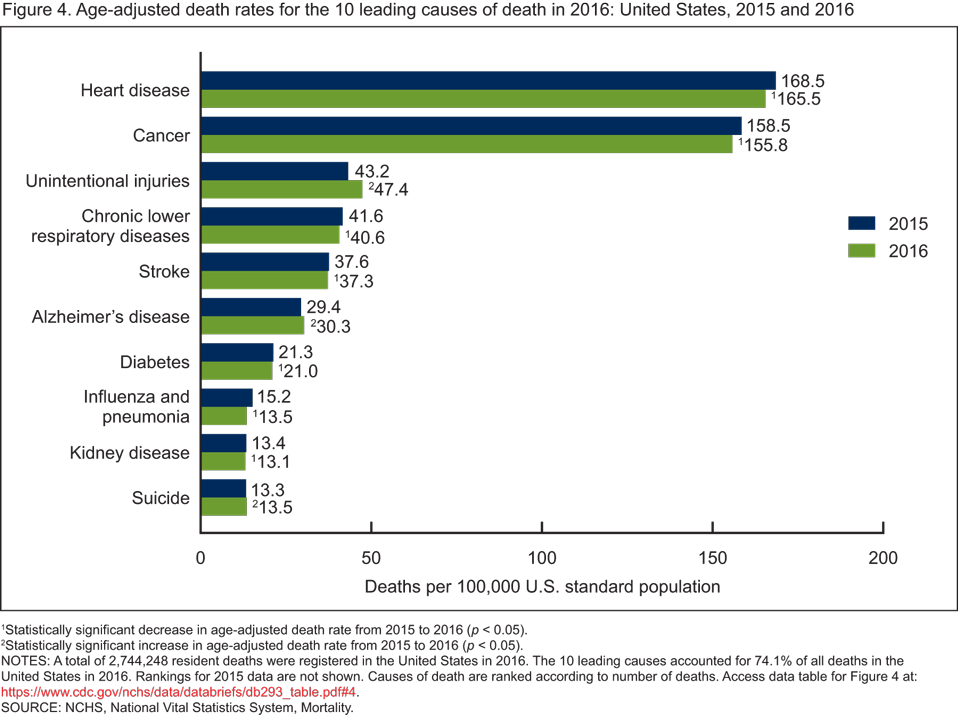
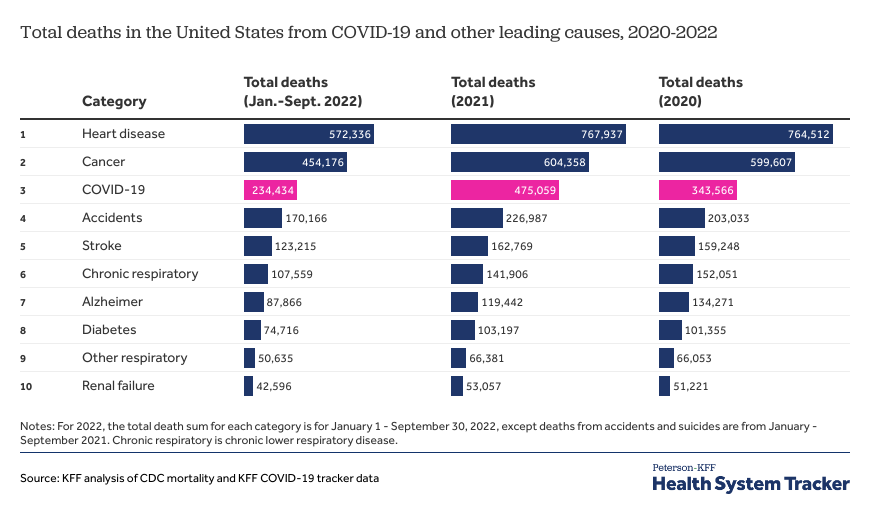
The primary drivers of mortality in the United States remain heart disease and cancer. While these are medical conditions, their existence creates a massive macroeconomic burden that ripples through every sector of the American economy.
The Trillion-Dollar Toll of Cardiovascular Disease
Heart disease has long been the leading cause of death in the USA. From a financial perspective, the costs are twofold: direct medical expenses and indirect productivity losses. According to the American Heart Association and the CDC, the cost of cardiovascular disease in the U.S. is estimated to exceed $400 billion annually. This includes the cost of healthcare services, medicines, and lost productivity due to premature death. For investors, this creates a massive market for pharmaceuticals and medical device manufacturers, but for the taxpayer, it represents a significant portion of the federal budget allocated to Medicare.
Cancer and the Economy of Innovation
Cancer follows closely as a leading cause of mortality. Unlike other sectors, the financial landscape of oncology is defined by high-cost innovation. The development of immunotherapy and targeted treatments has created a multi-billion dollar niche for biotech investors. However, the high price of these treatments can lead to “financial toxicity” for patients, where the cost of staying alive results in bankruptcy. On a macro level, the loss of human capital—individuals in their peak earning years—remains a significant drag on potential GDP growth.
Productivity Loss and Human Capital
When we analyze mortality through the lens of “Money,” we must view the labor force as human capital. Every premature death caused by a manageable chronic condition represents a loss of decades of tax revenue and consumer spending. Economists use the “Value of a Statistical Life” (VSL) to quantify these losses, often placing the value of an American life at roughly $10 million. When thousands of deaths occur prematurely each year, the cumulative “wealth” lost by the nation is staggering.
The Financial Architecture of Healthcare and Longevity
The way Americans die is inextricably linked to how the U.S. healthcare system is financed. The concentration of mortality in specific age groups and disease categories dictates the premiums we pay and the sustainability of our social safety nets.
Medicare, Medicaid, and the Sustainability Crisis
A significant majority of deaths in the USA occur among the elderly, who are primarily covered by Medicare. As the “Silver Tsunami” (the aging Boomer generation) moves into the highest-risk categories for mortality, the financial strain on the federal government intensifies. The cost of end-of-life care is one of the most significant expenditures in the federal budget. Financial analysts monitor these trends closely to predict future tax hikes or benefit cuts, which are essential variables for any long-term retirement plan.
The “Death Spiral” of Insurance Premiums
In the private insurance market, the leading causes of death serve as the primary data points for actuarial science. If mortality rates for younger demographics increase—due to accidents or the opioid crisis—insurance companies must adjust their risk pools. This leads to higher premiums for employers and individuals. For business owners, understanding these mortality trends is vital for forecasting the cost of employee benefits and managing the bottom line.
Out-of-Pocket Expenses and Estate Erosion
For the individual, the leading causes of death in the USA are often preceded by long periods of expensive care. Chronic conditions like Alzheimer’s or respiratory diseases require long-term care (LTC) that is rarely fully covered by standard insurance. This “wealth transfer” from the family estate to healthcare providers is a critical concern in personal finance. Without proper financial tools—such as Long-Term Care insurance or health savings accounts (HSAs)—a lifetime of wealth accumulation can be liquidated in a matter of months.
The Business of Prevention: Investing in Wellness and Longevity
As the financial burden of the leading causes of death becomes unsustainable, a new sector of the economy has emerged: the Longevity Economy. This niche focuses on shifting the financial model from “sick care” to “preventative care.”
The Rise of Longevity Stocks
Investors are increasingly looking toward companies that target the “hallmarks of aging.” By delaying the onset of the leading causes of death, these companies aim to extend the “healthspan” of the population. This includes investments in genomics, wearable health tech, and AI-driven diagnostics. For the savvy investor, the “Money” is no longer just in treating a heart attack, but in the technical and financial tools that prevent one from happening.
Corporate Wellness as an ROI Strategy
Modern corporations have realized that the leading causes of death among their workforce directly affect their profit margins. High mortality risks associated with obesity, stress, and sedentary lifestyles lead to higher insurance claims and lower output. As a result, corporate wellness programs have evolved from a “perk” to a strategic financial tool. Companies that invest in the health of their employees see a clear Return on Investment (ROI) through reduced absenteeism and lower healthcare costs.
The Growth of the Functional Medicine Market
There is a burgeoning market for “Biohacking” and functional medicine, where high-net-worth individuals spend significant capital to mitigate their mortality risks. From specialized blood testing to advanced nutritional supplementation, the business of “not dying” has become a luxury goods market. This shift represents a transition where personal finance is increasingly allocated toward preventative health as a form of “asset protection.”
Personal Financial Protection: Managing Mortality Risk
If you cannot eliminate the risk of mortality, you must hedge against it. In the world of personal finance, this is managed through insurance and meticulous estate planning.
Strategic Life Insurance Allocation
The leading causes of death in the USA—particularly those that are sudden, such as accidents or heart attacks—underline the necessity of life insurance. For a breadwinner, life insurance is a financial tool that replaces the “human capital value” lost upon death. Understanding the statistical likelihood of mortality allows individuals to choose between term and permanent life insurance policies effectively, ensuring that their families are not left with the “debt” of their absence.
Estate Planning and the Cost of Probate
Death is not just a health event; it is a legal and financial transaction. The complexity of the leading causes of death, particularly those involving cognitive decline, makes estate planning essential. Wills, trusts, and powers of attorney are financial instruments designed to protect assets from being eroded by legal fees or unnecessary taxation during the transition of wealth.
The Role of Health Savings Accounts (HSAs)
As a financial tool, the HSA is one of the most efficient ways to prepare for the costs associated with the leading causes of mortality. Because these funds carry over and can be invested, they serve as a “secondary retirement account” specifically earmarked for healthcare. For those looking to optimize their money, maximizing an HSA is a hedge against the rising costs of chronic disease management in later life.
The Future Outlook: Shifting Demographics and Economic Adaptation
The causes of death in the USA are not static. As they shift, so too must our financial systems. The rise of “deaths of despair” and the impact of technology on lifestyle are creating new economic challenges.
The Economic Impact of “Deaths of Despair”
In recent years, the USA has seen an uptick in deaths related to drug overdoses, suicide, and alcohol-related liver disease. Unlike heart disease, which often affects older populations, these “deaths of despair” hit the prime-age workforce. This creates a unique financial crisis: a shrinking labor pool and an increased burden on social services. Financial analysts are beginning to factor these demographic shifts into regional economic forecasts, as certain areas are hit harder than others.
The Cost of Digital Sedentary Lifestyles
Technology has revolutionized the “Money” niche, but it has also contributed to the leading causes of death through sedentary behavior. The irony of the modern economy is that the tools we use to generate wealth (computers, smartphones, AI) are the same tools that contribute to the obesity and heart disease epidemic. The future of the “Money” sector will likely involve a heavier integration of financial incentives for physical activity, such as insurance discounts for those who share their fitness tracker data.
Conclusion: Health as the Ultimate Asset
In the final analysis, the leading causes of death in the USA are more than just statistics in a medical journal; they are the primary drivers of healthcare spending, investment trends, and personal financial risk. To ignore the financial implications of mortality is to ignore the most significant variable in any economic equation. Whether through macro-investing in biotech or personal hedging through life insurance, managing the “business of death” is essential for securing the “wealth of life.” Professional financial planning must account for the reality of what causes death, turning a grim subject into a strategic roadmap for long-term stability and prosperity.
aViewFromTheCave is a participant in the Amazon Services LLC Associates Program, an affiliate advertising program designed to provide a means for sites to earn advertising fees by advertising and linking to Amazon.com. Amazon, the Amazon logo, AmazonSupply, and the AmazonSupply logo are trademarks of Amazon.com, Inc. or its affiliates. As an Amazon Associate we earn affiliate commissions from qualifying purchases.