
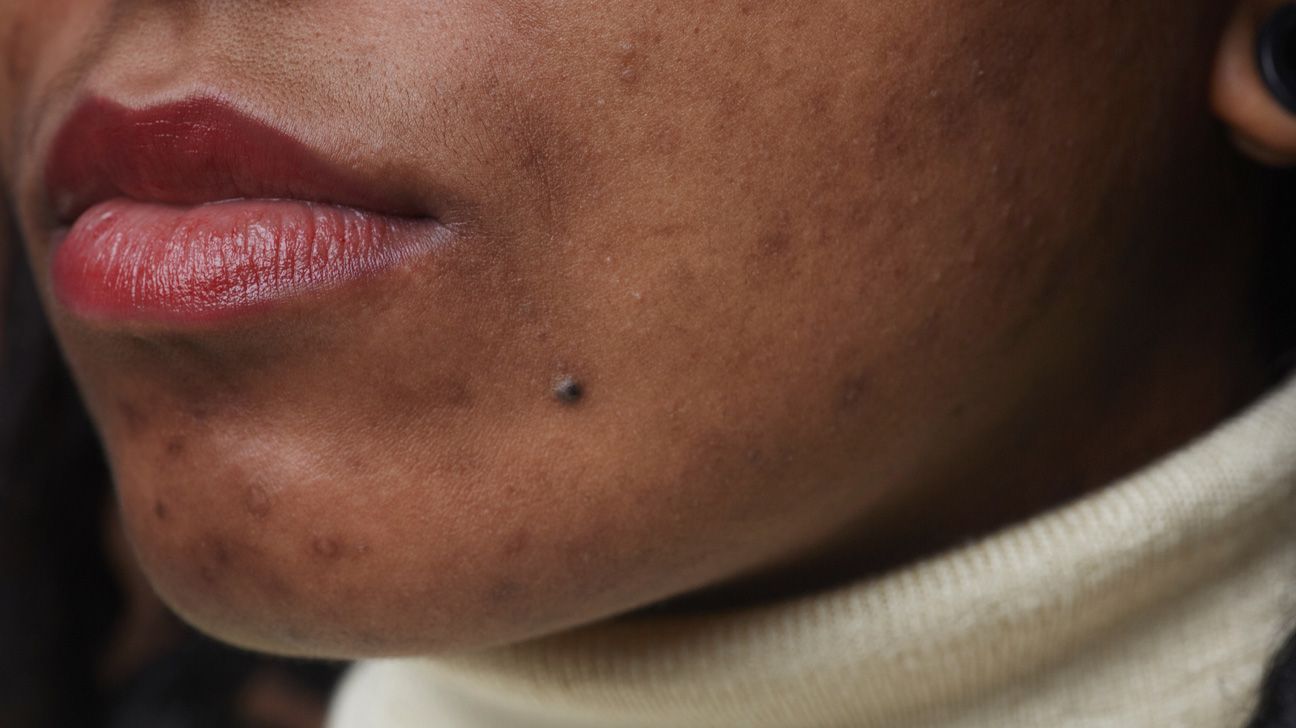
Moles, medically known as nevi, are common growths on the skin that can appear anywhere on the body, including the face. While most moles are harmless, understanding their causes and characteristics is crucial for skin health. In an era defined by rapid technological advancement, our ability to investigate, monitor, and manage these ubiquitous skin markers has evolved dramatically. From sophisticated AI-driven diagnostics to consumer-friendly apps and advanced biotechnological interventions, technology is revolutionizing how we approach dermatological concerns like moles. This article delves into the various causes of moles on the face, examined through the lens of cutting-edge technological tools and innovations.
The Biological Basis of Moles: A Primer Through a Technological Lens
Understanding why moles form requires an appreciation of cellular biology and environmental factors. Technology now allows us to scrutinize these origins with unprecedented precision, moving beyond mere observation to in-depth analysis.
Genetic Predisposition and Heredity: Unraveling DNA with Bioinformatics
The blueprint for our entire being, DNA, plays a significant role in determining our propensity for developing moles. If your parents or close relatives have many moles, you are more likely to develop them too. Traditionally, this was noted through familial histories, but today, bioinformatics and genetic sequencing technologies offer a much deeper dive. Whole-exome or whole-genome sequencing can identify specific gene variants associated with mole formation, such as those in the BRAF or NRAS genes. Advanced computational tools then analyze these vast datasets, mapping genetic predispositions and identifying biomarkers that indicate an individual’s risk profile for developing numerous or atypical moles. This allows researchers to understand the fundamental genetic “causes” at a molecular level and potentially pave the way for highly personalized preventative strategies based on an individual’s unique genetic makeup.
Ultraviolet Radiation Exposure: Monitoring and Predicting Risk with Wearable Tech
One of the most significant external factors contributing to mole development and, critically, their malignant transformation, is exposure to ultraviolet (UV) radiation from the sun or tanning beds. Moles, particularly common acquired moles, often appear on sun-exposed areas like the face. The more sun exposure an individual receives, especially during childhood, the higher the likelihood of developing moles. Wearable technology has emerged as a powerful ally in monitoring and mitigating this risk. Smartwatches, dedicated UV sensors, and intelligent patches can now accurately track cumulative UV exposure throughout the day. These gadgets often integrate with smartphone apps to provide real-time alerts, personalized sun protection recommendations, and historical data logs. By understanding their precise exposure levels, users gain critical insight into a key “cause” of moles and are empowered to adopt more proactive sun-safe behaviors, effectively reducing their risk profile through tech-enabled awareness.
Hormonal Fluctuations and Age: AI’s Role in Pattern Recognition
Hormonal changes, particularly during puberty, pregnancy, and menopause, can influence the appearance and number of moles. New moles may develop or existing ones may darken during these periods. Age is also a factor, with most moles developing during childhood and adolescence, and some fading away in older age. Artificial intelligence (AI) and machine learning algorithms are now being trained on vast datasets of medical records, patient histories, and clinical images to identify complex correlations between hormonal shifts, age demographics, and mole appearance or transformation. By analyzing these multifactorial relationships, AI can assist dermatologists in predicting potential periods of increased mole activity or changes, offering a more nuanced understanding of how internal biological processes, influenced by age and hormones, contribute to mole formation and evolution on the face. This pattern recognition capability transcends human capacity for data processing, revealing previously unseen insights into mole causality.
Advanced Diagnostic Technologies: Pinpointing Mole Characteristics and Causes
Once moles appear, technology becomes instrumental in distinguishing between benign and potentially problematic lesions, and often provides clues about their origin and behavior. These diagnostic tools are critical for early detection and informed management.
High-Resolution Imaging and Dermoscopy: Enhancing Visual Analysis
The traditional visual examination of moles by a dermatologist has been significantly augmented by high-resolution imaging and digital dermoscopy. Dermoscopes are specialized magnifying devices that illuminate and magnify skin lesions, allowing dermatologists to see structures beneath the skin’s surface that are invisible to the naked eye. Digital dermoscopes capture these images, which can then be stored, compared over time, and even analyzed by software. This technology provides an incredibly detailed view of mole characteristics such as color variations, border irregularities, and specific structural patterns (e.g., pigment networks, streaks, dots, globules). These microscopic details offer crucial insights into the cellular activity within the mole, helping clinicians infer its likely cause (e.g., sun-induced, congenital) and its benign or atypical nature. The precision of these gadgets revolutionizes diagnostic accuracy.
AI-Powered Image Analysis: Automating and Augmenting Dermatological Expertise
Building on the foundation of high-resolution imaging, AI-powered image analysis tools represent a significant leap forward in dermatological diagnostics. Machine learning algorithms are trained on enormous datasets of dermoscopic and clinical images, labeled by expert dermatologists as benign or malignant. These algorithms can identify subtle patterns and features within mole images that are indicative of specific types or potential malignancy, often with accuracy comparable to, or even exceeding, human specialists. For moles on the face, where aesthetic and emotional considerations are paramount, AI offers a rapid, objective, and consistent assessment. It doesn’t directly tell “what causes” a mole in the etiological sense, but by accurately classifying a mole’s type (e.g., common nevus, atypical nevus, melanoma), it helps clinicians understand its behavioral cause and thus guide treatment. These tools act as a powerful second opinion, reducing diagnostic error and facilitating earlier intervention.

Non-Invasive Biopsy Technologies: The Future of Molecular Insights
Traditional mole diagnosis often culminates in an excisional biopsy, an invasive procedure. However, emerging non-invasive biopsy technologies promise to provide molecular insights into moles without the need for cutting. Techniques like optical biopsies (e.g., reflectance confocal microscopy) use light to create microscopic images of skin cells in real-time, providing cellular-level detail in vivo. Another promising area is liquid biopsies, which analyze circulating tumor DNA (ctDNA) or other biomarkers in blood samples. While more nascent for mole diagnosis, these technologies aim to detect molecular changes that signify cancerous transformation, offering a less intrusive way to understand the underlying biological processes (“causes”) driving a mole’s progression, particularly for facial moles where scarring is a concern.
Digital Tools and Apps for Self-Monitoring and Preventative Care
Technology has also empowered individuals to take a more active role in their skin health journey, particularly concerning moles on the face.
Smartphone Apps for Mole Tracking and Risk Assessment
The ubiquity of smartphones has given rise to numerous mobile applications designed for mole tracking and risk assessment. These apps allow users to take photographs of their moles, log their location, size, and appearance, and track changes over time. Many apps incorporate features for comparing images, highlighting growth or alteration, and providing reminders for self-examination. Some even integrate rudimentary AI for preliminary risk assessment, though it’s crucial to emphasize that these apps are screening tools and not diagnostic devices. For individuals with multiple moles on their face, these apps provide a convenient, digital diary that can be invaluable in monitoring “what causes” a mole to change or become concerning, generating data that can be shared with a dermatologist during consultations.
Virtual Tele-Dermatology Platforms: Accessible Expert Opinion
Access to dermatological expertise can be a challenge in certain regions. Virtual tele-dermatology platforms bridge this gap by leveraging technology to connect patients with dermatologists remotely. Patients can upload images of their moles (often taken via smartphone apps or digital cameras) and provide relevant medical history, allowing a dermatologist to assess the lesions without an in-person visit. This is particularly beneficial for facial moles, enabling timely initial evaluations and follow-ups. Telemedicine doesn’t directly address “what causes” moles, but it significantly enhances the accessibility of expert opinions on mole changes, facilitating early detection of potential issues that might stem from underlying causes. It ensures that individuals can get professional advice on whether a mole’s appearance or change warrants further investigation.
Personalized Skincare Tech: Tailoring Prevention Based on Data
The future of skincare is increasingly personalized, driven by data. Personalized skincare technology combines insights from genetic analysis, environmental exposure data (from wearables), lifestyle factors, and even AI-powered skin analysis to recommend bespoke skincare routines. This can include custom-formulated sunscreens, antioxidants, and reparative ingredients designed to mitigate specific skin damage that contributes to mole formation or skin aging. By leveraging data unique to an individual, these technologies aim to prevent the external “causes” of moles (like UV damage) more effectively and offer targeted protection, moving beyond one-size-fits-all solutions.
The Horizon of Biotechnological Interventions for Mole Management
Beyond diagnostics and monitoring, biotechnology offers glimpses into future interventions that could fundamentally alter our approach to moles.
Gene Editing and Molecular Therapies: Addressing Root Causes
The frontier of gene editing (e.g., CRISPR-Cas9) and molecular therapies holds immense promise for understanding and potentially manipulating the very root causes of mole formation at a cellular and genetic level. While still largely experimental and ethically complex, these technologies could theoretically target specific genetic mutations that predispose individuals to numerous or atypical moles, or even address early cellular changes before a mole fully forms or transforms. Imagine a future where genetic predispositions to excessive mole development could be mitigated through precision molecular interventions, preventing “what causes” them before they even manifest on the face.
Laser and Light-Based Therapies: Precision Removal and Aesthetic Enhancement
For moles that are aesthetically undesirable or require removal for medical reasons, advanced laser and light-based therapies offer precise and minimally invasive solutions. Lasers can be used to lighten or remove certain types of moles, particularly those that are superficial or pigmented. These technologies utilize targeted energy to break down pigment or remove tissue with high precision, minimizing damage to surrounding skin and reducing scarring. While primarily a treatment for existing moles, the continuous development of these gadgets offers safer and more cosmetically appealing options for managing the visible outcomes of mole causes, especially on sensitive areas like the face.

Nanotechnology in Topical Treatments: Enhanced Delivery and Efficacy
Nanotechnology is revolutionizing the delivery of active ingredients in topical skincare and therapeutic agents. By encapsulating ingredients in nanoparticles, formulations can penetrate deeper into the skin, increasing their efficacy. This has implications for sunscreens (providing more robust UV protection to prevent sun-induced moles) and for potential future topical treatments designed to modify cellular pathways involved in mole development or regression. Nanotech ensures that preventative and therapeutic compounds reach their target cells more effectively, bolstering defenses against the environmental and biological factors that “cause” moles.
In conclusion, while the fundamental biological and environmental factors that cause moles on the face remain constant, the technological tools available to understand, monitor, diagnose, and manage them are evolving at an astonishing pace. From genomic analysis and AI-powered diagnostics to wearable tech and personalized apps, technology is empowering individuals and dermatologists alike with unprecedented insights and capabilities, ultimately leading to better skin health and more informed decisions about moles on the face.
aViewFromTheCave is a participant in the Amazon Services LLC Associates Program, an affiliate advertising program designed to provide a means for sites to earn advertising fees by advertising and linking to Amazon.com. Amazon, the Amazon logo, AmazonSupply, and the AmazonSupply logo are trademarks of Amazon.com, Inc. or its affiliates. As an Amazon Associate we earn affiliate commissions from qualifying purchases.