
In the modern marketplace, the distance between a consumer and a corporation is no longer measured in miles or even in clicks; it is measured in heartbeats. For decades, traditional marketing focused on the “Unique Selling Proposition” (USP)—the cold, hard facts of why a product was better, faster, or cheaper. However, as the digital landscape has become saturated with features and specifications, a new frontier has emerged: Emotional Branding.
When we ask, “What causes crying?” in the context of brand strategy, we are not looking for a biological explanation of tear ducts or physical pain. Instead, we are exploring the sophisticated architecture of storytelling that triggers a profound visceral response in an audience. We are examining why a three-minute holiday commercial from a department store or a short film by a sportswear giant can move a grown adult to tears. In branding, crying is the ultimate KPI of resonance. It signifies that a brand has successfully transcended its status as a commodity and become a part of the consumer’s identity.

The Neuroscience of the “Brand Tear”: Why We Cry at Commercials
To understand what causes crying in a branding context, we must first understand the “Sadness Paradox.” Why would a brand, which seeks to be associated with satisfaction and joy, intentionally aim to make its audience weep? The answer lies in the deep neurological connection between emotion and memory.
The Role of Oxytocin in Consumer Loyalty
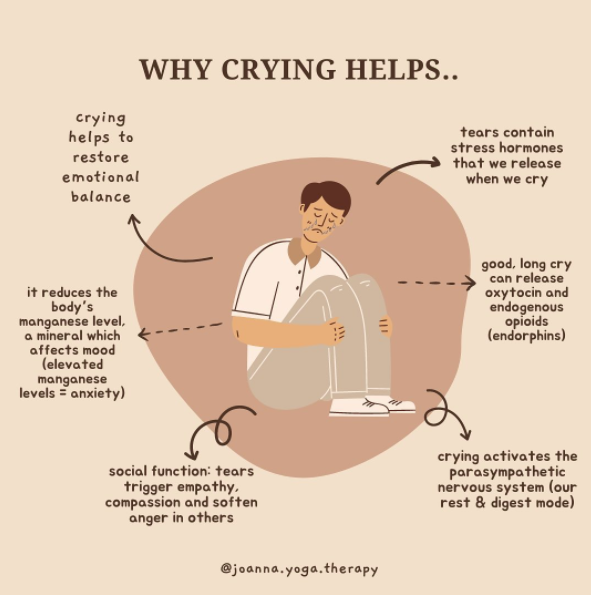
When we witness a moving story—one involving sacrifice, reunion, or triumph over adversity—our brains release oxytocin. Often called the “trust molecule,” oxytocin is responsible for social bonding and empathy. In brand strategy, triggering the release of oxytocin is the “Holy Grail.” When a brand’s narrative causes a viewer to cry, it isn’t just about sadness; it is about the intense feeling of connection. This chemical response signals to the brain that the brand is “safe,” “human,” and “aligned with my values.” Consequently, the consumer is far more likely to remain loyal to that brand over a lifetime, as the relationship has moved from a transactional one to an emotional one.
Mirror Neurons and the Power of Shared Suffering
Human beings are wired for empathy through a system of mirror neurons. When we see a character in a brand’s film experience a loss or a moment of profound vulnerability, our brains simulate that experience as if it were our own. Strategic branding leverages this by placing the “Hero” of the story (often a surrogate for the customer) in a relatable, difficult situation. The “crying” occurs at the moment of catharsis—the point where the tension is released. By facilitating this emotional release, the brand positions itself as the empathetic companion that understands the consumer’s inner world.
Strategic Vulnerability: Building Authenticity Through Emotional Resonance
In the past, brands sought to appear perfect, monolithic, and untouchable. Today, that approach is a recipe for irrelevance. What causes crying in modern branding is often vulnerability. Consumers are increasingly cynical toward “polished” corporate identities; they crave the “human truth.”
Moving Beyond Product Features to Human Truths
The most effective emotional campaigns rarely focus on the product itself. For instance, consider the “Always” #LikeAGirl campaign. The brand didn’t focus on the technical absorption of its products; it focused on the systemic erosion of self-confidence in young girls. By tapping into a painful, universal truth, they triggered a collective emotional response. What caused the crying in this instance was the recognition of a shared societal wound. When a brand identifies a “Human Truth” that resonates with its target demographic, it gains the permission to enter the consumer’s emotional inner circle.
Case Study: How Nike and Dove Mastered the Art of the Tear-Jerker
Nike’s “Find Your Greatness” and Dove’s “Real Beauty Sketches” are masterclasses in emotional brand strategy. Nike doesn’t just sell shoes; it sells the internal struggle of the underdog. The tears shed during a Nike commercial are tears of inspiration—the “uplifting cry.” Conversely, Dove’s campaigns often focus on the “healing cry,” addressing the insecurities and distorted self-perceptions of their audience. Both brands understand that by facilitating an emotional breakdown of the “old self,” they can help the consumer build a “new self” that is inextricably linked to the brand’s identity.
The Architecture of an Emotional Campaign: Tools for Brand Storytellers
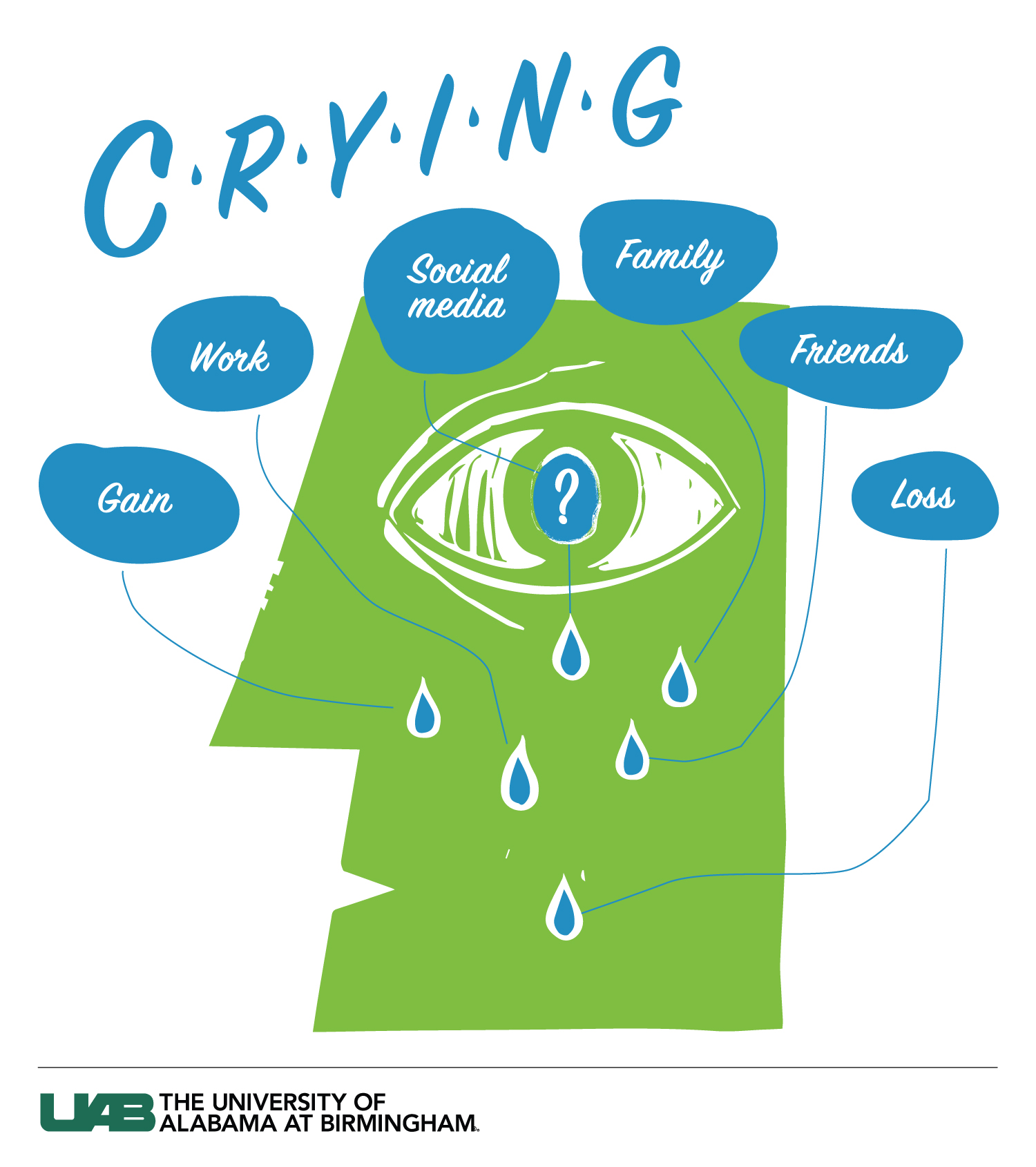
Creating a brand moment that causes crying is not an accident; it is a meticulously engineered process. It involves a combination of narrative structure, sensory triggers, and psychological pacing.
The Hero’s Journey and the “Low Point” Pivot
Most “tear-jerker” brand stories follow a condensed version of Joseph Campbell’s Hero’s Journey. The most critical part of this structure for triggering tears is the “Inmost Cave” or the “Low Point.” This is the moment where all hope seems lost. In brand strategy, this is where the emotional stakes are raised to their peak. When the brand eventually provides the solution—or more importantly, the support needed for the hero to find their own solution—the emotional dam breaks. The crying is a response to the resolution of high-stakes narrative tension.
Visual and Auditory Cues That Trigger Emotional Responses
Beyond the script, the technical elements of a campaign play a massive role in what causes crying.
- The Power of Music: Music is perhaps the most direct route to the human emotional center. Brand strategists often use “The Appoggiatura”—a musical note that clashes with the melody to create tension before resolving. This subtle dissonance can trigger a physical chill or a tearful response.
- Color Grading and Pacing: Lower saturation, warmer tones, and slow-motion cinematography are often used to signal intimacy and nostalgia. When the pacing slows down, it forces the viewer to dwell on the emotion, making the eventual “cry” more likely.
The Risks of Emotional Manipulation: When Tears Turn to Backlash
While emotional branding is powerful, it is also a double-edged sword. There is a fine line between a brand that is “moving” and a brand that is “manipulative.” If the audience feels their emotions are being harvested for profit without a genuine foundation, the strategy will backfire.
The “Sad-vertising” Trap
“Sad-vertising” is a derogatory term used for brands that use tragic imagery or “forced” sadness without a clear connection to their brand purpose. For example, a life insurance company using a tragedy to sell a policy is logical; a soda company using a global protest to sell a soft drink (as seen in the infamous Pepsi-Kendall Jenner ad) is perceived as exploitative. What causes “angry crying” or frustration in consumers is the realization that a brand is faking empathy to gain a market advantage.
Ensuring Brand Alignment: Is Your Emotion Earned?
To avoid the manipulation trap, a brand must ensure its emotional “ask” is earned. This means the emotion must align with the brand’s long-term behavior and corporate social responsibility (CSR) initiatives. If a brand makes you cry about environmental conservation but is a major polluter, the cognitive dissonance will destroy the brand’s equity. Authenticity is the filter through which all emotional branding must pass.
Measuring the ROI of Emotion: Why Crying Leads to Buying
Critics of emotional branding often ask, “Does making someone cry actually sell products?” In the world of high-level brand strategy, the answer is a resounding yes, though the results are often seen in the long term rather than the short term.
Long-term Brand Equity vs. Short-term Conversion
While a “Buy One, Get One Free” coupon might drive a weekend spike in sales, emotional branding builds “Brand Equity”—the intangible value that allows a company to charge a premium and survive market fluctuations. When a brand causes a consumer to cry, it creates a “Flashbulb Memory.” These are vivid, long-lasting memories associated with a highly emotional event. When that consumer is standing in a grocery aisle or looking at a software subscription, they aren’t just looking at prices; they are unconsciously recalling the brand that made them feel something.
The Viral Potential of Emotional Content
In the digital age, emotion is the primary driver of shareability. People share content that makes them feel intense emotions (Awe, Anger, or Sadness). A campaign that causes crying has a much higher “Viral Coefficient” than a standard product demo. This organic reach provides a massive return on investment, as the audience becomes the brand’s distribution network, sharing the “emotional experience” with their own social circles, further cementing the brand’s place in the cultural conversation.
In conclusion, “what causes crying” in the world of brand strategy is the intersection of deep human empathy, masterful storytelling, and authentic vulnerability. When a brand dares to move beyond the transactional and enters the emotional, it stops being a vendor and starts being a storyteller. In a world of noise, the brand that can make us cry is the one we will ultimately remember, trust, and choose.
aViewFromTheCave is a participant in the Amazon Services LLC Associates Program, an affiliate advertising program designed to provide a means for sites to earn advertising fees by advertising and linking to Amazon.com. Amazon, the Amazon logo, AmazonSupply, and the AmazonSupply logo are trademarks of Amazon.com, Inc. or its affiliates. As an Amazon Associate we earn affiliate commissions from qualifying purchases.