
A tire blowout is a sudden, catastrophic failure of a tire, often resulting in a violent loss of control and potentially severe accidents. While often perceived as a random event, tire blowouts are typically the culmination of a series of contributing factors, many of which are within a driver’s control. Understanding these causes is paramount for ensuring road safety and preventing such dangerous incidents. This exploration delves into the primary reasons behind tire blowouts, focusing on the technological and engineering aspects that contribute to tire integrity and failure.
The Invisible Architecture: Tire Construction and Its Weak Points
Tires are sophisticated pieces of engineering, far more complex than they might appear at first glance. Their construction involves multiple layers of materials, each designed to perform specific functions under extreme duress. Understanding this internal architecture is key to appreciating how and why they can fail.
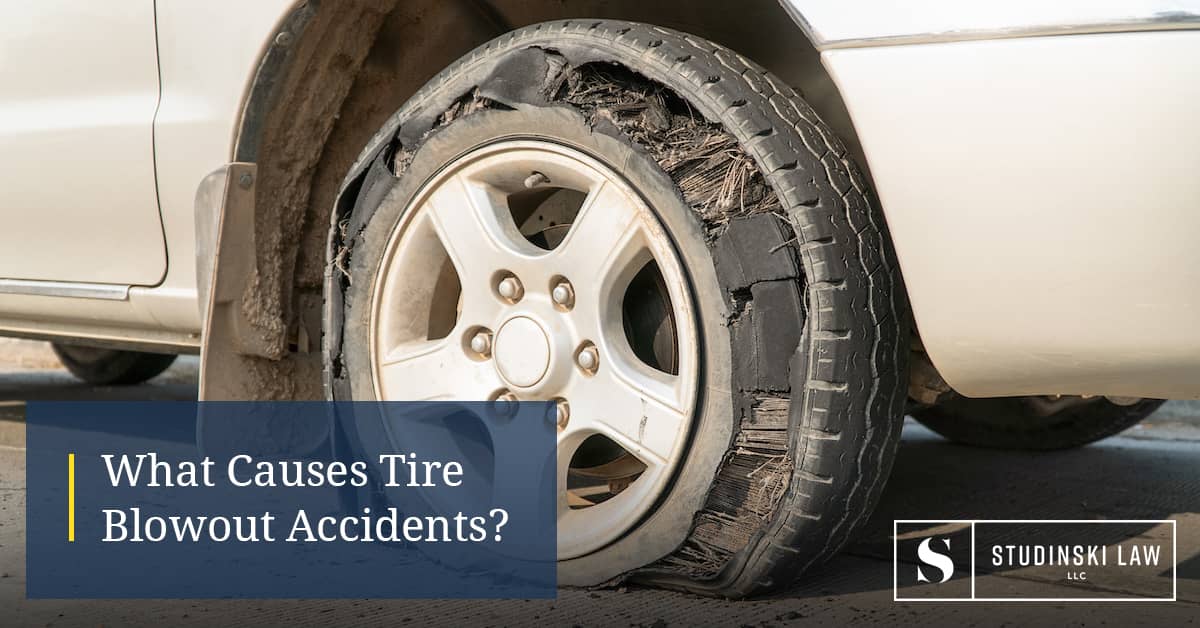
The Role of Internal Stress and Material Degradation
At the heart of a tire’s lifespan and integrity lies the interaction of internal stresses and the gradual degradation of its constituent materials. Tires are constantly subjected to dynamic forces: the weight of the vehicle, the centrifugal forces of rotation, the friction of the road surface, and the impact of imperfections. These forces create internal stresses within the rubber and reinforcing materials.
Over time, and exacerbated by external factors, these materials can degrade. Ozone, UV radiation, heat, and exposure to chemicals all contribute to the breakdown of the rubber compounds. This degradation leads to a loss of flexibility, increased brittleness, and a reduced ability to withstand the constant internal pressures and external stresses. The cords within the tire, typically made of steel or synthetic fibers, can also corrode or fatigue, weakening the tire’s structural integrity. When these combined stresses exceed the tire’s diminished capacity, a blowout becomes a distinct possibility.
Age and Wear: The Cumulative Impact of Time and Use
Tires are not designed to last forever. Their performance and safety diminish with age and accumulated mileage, irrespective of tread depth.
The Silent Threat of Aging Rubber
Even tires that appear visually sound can be compromised by age. The chemical compounds in rubber undergo slow but continuous changes over time. This process, known as aging or oxidation, can lead to a hardening and cracking of the rubber. The sidewalls, which are more flexible and exposed to greater flexing during driving, are particularly susceptible. As the rubber ages and loses its elasticity, it becomes more prone to developing small cracks that can propagate under pressure, eventually leading to a breach. Tire manufacturers often recommend replacing tires that are older than six to ten years, even if the tread appears adequate.
The Obvious Danger of Worn Tread
The most visible indicator of a tire’s diminishing capacity is its tread depth. The tread is crucial for providing grip, dispersing water, and maintaining traction. As the tread wears down, the tire’s ability to perform these functions is severely compromised. More importantly, worn tread means less rubber protecting the internal structure of the tire. This makes the tire more vulnerable to punctures from road debris and increases the likelihood of overheating, a significant factor in blowouts. When the tread is too thin, the internal heat generated during driving cannot dissipate effectively, leading to a dangerous rise in tire temperature.
External Aggressors: Punctures, Impacts, and Overload
While internal factors related to tire construction and age play a significant role, external forces are often the immediate triggers for a blowout. These aggressors directly compromise the tire’s physical integrity, creating an entry point for air loss or causing a catastrophic structural failure.
The Underrated Danger of Underinflation and Overheating
Underinflation is arguably the most common and insidious cause of tire blowouts. When a tire is underinflated, its sidewalls flex excessively. This constant, exaggerated flexing generates significant heat within the tire. The rubber and internal cords are not designed to withstand this level of sustained friction and heat. The increased heat weakens the tire’s structure, making it far more susceptible to a sudden failure.
The Vicious Cycle of Heat Buildup
The lack of proper inflation leads to a vicious cycle. Underinflated tires create more friction with the road, which in turn generates more heat. This heat softens the rubber and can cause delamination – the separation of the tire’s layers. As the tire continues to rotate under pressure, the weakened structure can no longer contain the internal air pressure, leading to a blowout. This is particularly dangerous during long drives or at higher speeds, where the continuous flexing and heat generation are amplified.
The Role of Tire Pressure Monitoring Systems (TPMS)
Modern vehicles are equipped with Tire Pressure Monitoring Systems (TPMS), a technological advancement designed to mitigate the risks associated with underinflation. TPMS alerts drivers when tire pressure drops significantly below the recommended level, providing an early warning. However, TPMS is not a foolproof solution. It typically only activates when the pressure drops by a certain percentage, meaning some degree of underinflation might exist before the alert is triggered. Regular manual checks of tire pressure, in addition to relying on TPMS, remain crucial.
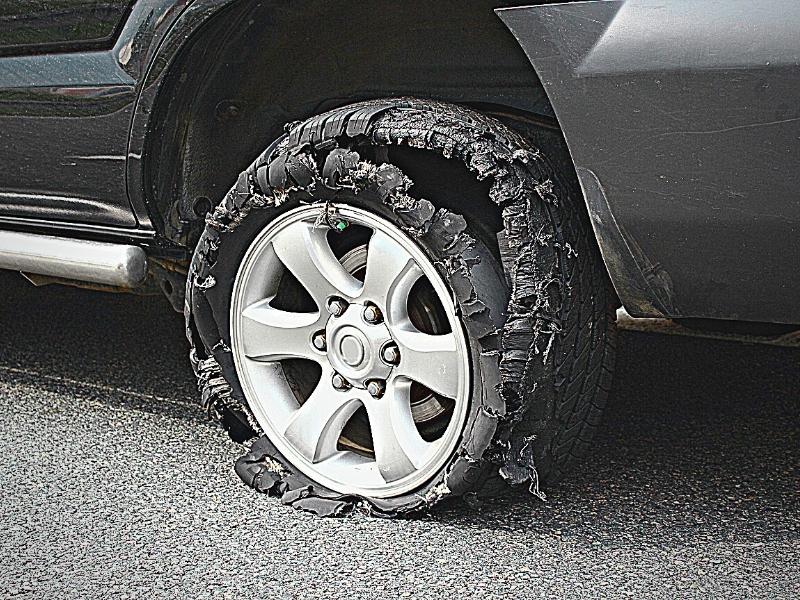
The Sudden Shock: Impacts and Road Hazards
The road surface is rarely perfectly smooth, and unexpected obstacles can pose a serious threat to tire integrity.
The Devastating Force of Potholes and Debris
Potholes, curbs, and sharp road debris such as glass, metal shards, or nails can cause immediate and severe damage to a tire. A sharp impact can rupture the tire’s outer layers, leading to a rapid loss of air. In some cases, even if the puncture is not immediately apparent, a hard impact can damage the internal cords, weakening the tire and setting the stage for a blowout later on, especially if the tire is then driven on while compromised. The sidewalls are particularly vulnerable to impacts due to their thinner construction.
The Subtle Damage from Gradual Wear and Tear
Beyond sudden impacts, the everyday wear and tear of driving on rough or uneven surfaces can also contribute to tire failure. Small cuts, abrasions, and repeated minor impacts can cumulatively weaken the tire structure over time. These seemingly insignificant damages can create stress points that, under the right conditions (e.g., underinflation, high speed), can lead to a blowout.
Beyond the Tire: External Factors and Improper Maintenance
While the tire itself is the component that fails, external factors and a lack of proper maintenance by the driver can significantly increase the likelihood of a blowout. These elements often interact with the tire’s inherent vulnerabilities, creating a perfect storm for failure.
The Criticality of Proper Inflation and Load Management
Maintaining correct tire pressure and adhering to load limits are fundamental aspects of tire maintenance that directly impact their longevity and safety.
The Science of Optimal Tire Pressure
Tire manufacturers specify optimal inflation pressures for their tires, usually found on a sticker in the driver’s side doorjamb or in the vehicle’s owner’s manual. These pressures are determined based on the tire’s design, size, and the vehicle’s weight distribution. Running tires at pressures significantly higher than recommended can lead to a harsher ride, reduced traction, and an increased risk of damage from impacts. Conversely, as discussed, underinflation is a primary cause of overheating and structural failure. Regular checks, ideally when tires are cold, are essential.
The Strain of Overloading and Imbalance
Every tire has a weight rating, and exceeding this limit places undue stress on its structure. Overloading a vehicle means the tires are subjected to forces they were not designed to handle, leading to increased flexing, heat buildup, and a higher risk of failure. Similarly, uneven tire wear, often caused by misaligned wheels or worn suspension components, can put localized stress on specific areas of the tire, making them more susceptible to blowouts.
The Overlooked Risks: Heat and Speed
The relationship between speed, tire temperature, and blowout risk is critical and often underestimated.
The Accelerating Danger of High Speeds
As a vehicle’s speed increases, so does the rate at which the tire rotates. This increased rotation generates more friction between the tire and the road, as well as internal friction within the tire’s components. Consequently, tire temperatures rise significantly at higher speeds. If a tire is already compromised by underinflation, aging, or prior damage, the added heat from high-speed driving can quickly push it beyond its structural limits, leading to a blowout.
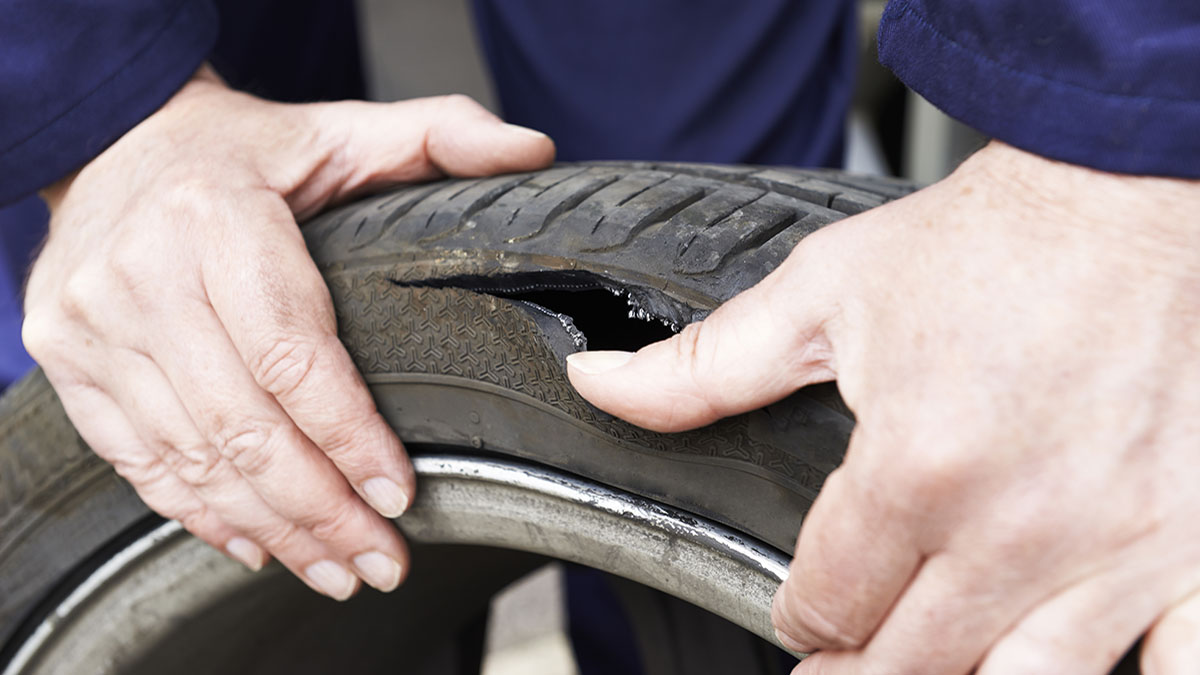
The Preventable Threat of External Heat Sources
External heat sources can also contribute to tire overheating. Driving on very hot asphalt during warm weather, extended periods of braking, or driving for long distances without adequate cool-down periods can all elevate tire temperatures. While modern tires are designed to withstand reasonable operating temperatures, extreme or prolonged exposure to heat, especially in conjunction with other contributing factors, can be a catalyst for failure.
In conclusion, a tire blowout is rarely a spontaneous event. It is typically the result of a complex interplay between the tire’s inherent design and material properties, its age and wear, external forces like impacts and underinflation, and the driver’s maintenance practices and driving habits. By understanding these causal factors, drivers can take proactive measures – regular inspection, proper inflation, mindful driving, and timely replacement – to significantly reduce the risk of experiencing this dangerous and potentially devastating event.
aViewFromTheCave is a participant in the Amazon Services LLC Associates Program, an affiliate advertising program designed to provide a means for sites to earn advertising fees by advertising and linking to Amazon.com. Amazon, the Amazon logo, AmazonSupply, and the AmazonSupply logo are trademarks of Amazon.com, Inc. or its affiliates. As an Amazon Associate we earn affiliate commissions from qualifying purchases.