
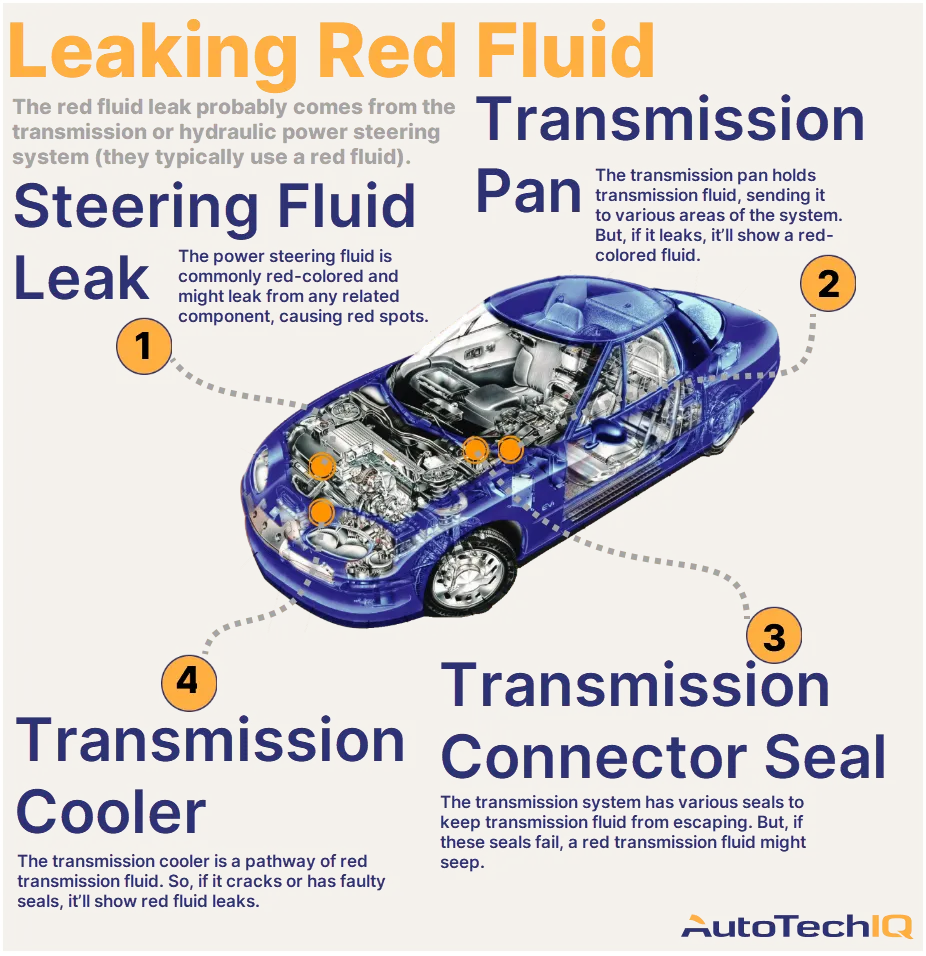
The persistent drip of oil beneath a parked car is often a source of immediate concern for vehicle owners. While the issue itself is a tangible, mechanical failure, understanding “what causes a car to leak oil” in the modern automotive landscape necessitates a deep dive into the sophisticated technologies that design, operate, and diagnose these complex machines. Today’s vehicles are intricate ecosystems of mechanical engineering, advanced materials, and interwoven digital systems. Consequently, an oil leak is not merely a simple component failure but a symptom that demands a technological lens for proper identification, resolution, and future prevention. This article explores the technological underpinnings of oil leaks, focusing on how advancements, diagnostic tools, and systemic understanding contribute to both the problem and its solution, strictly within the realm of automotive technology.
The Interplay of Mechanical Design and Automotive Technology in Preventing Leaks
Modern automotive design is a triumph of engineering precision, leveraging cutting-edge technology to achieve unparalleled performance, efficiency, and reliability. The very systems designed to contain lubricants are products of intensive technological development, from material science to digital simulation.
Precision Engineering and Material Science
The foundation of a leak-free engine lies in its initial design and the materials chosen. Computer-Aided Design (CAD) and Computer-Aided Manufacturing (CAM) software are indispensable in engineering engines with extremely tight tolerances, ensuring that components fit together with minimal gaps. Finite Element Analysis (FEA) is employed to simulate stress, heat distribution, and vibration, allowing engineers to predict how different materials and designs will perform under various operating conditions. This digital prototyping helps optimize gasket and seal designs, minimizing potential leak points before a physical prototype is even built.
Furthermore, material science plays a critical role. Gaskets, O-rings, and seals, while appearing simple, are engineered from advanced polymers, composites, and synthetic rubbers. These materials must withstand extreme temperatures (from freezing cold to hundreds of degrees Fahrenheit), resist chemical degradation from various oils and additives, and maintain their elasticity and sealing properties under continuous pressure and vibration for hundreds of thousands of miles. Innovations in polymer technology, such as Viton or silicone-based elastomers, offer superior heat resistance and flexibility compared to traditional rubber, significantly extending the lifespan of critical seals and reducing the likelihood of premature leaks. The selection of these high-tech materials is a direct application of technological research aimed at enhancing vehicle longevity and reducing maintenance issues.
Sensor Networks and Early Warning Systems
Contemporary vehicles are equipped with an array of sensors that constantly monitor the engine’s health and operational parameters. While not always directly detecting a leak, these sensor networks can provide critical diagnostic data that indicates conditions leading to or resulting from an oil leak. Oil pressure sensors, for instance, monitor the pressure within the lubrication system. A sudden drop in oil pressure, even if the oil level is adequate, could indicate a severe leak elsewhere in the system, a failing oil pump, or an issue that could lead to excessive oil consumption if not addressed.
Oil level sensors alert drivers to low oil levels before critical damage occurs, though by then, a leak is already well underway. More sophisticated engine management systems (ECU – Engine Control Unit) interpret data from various sensors (temperature, RPM, load) to optimize engine operation. Any deviation that suggests stress on seals or components, such as overheating or unusual vibration patterns, can be logged as diagnostic trouble codes (DTCs). These codes, while generic, can direct technicians toward areas where a leak might be developing, offering an early warning system that leverages the vehicle’s integrated digital technology. This proactive monitoring contrasts sharply with older vehicles, where a leak might only be noticed by the driver after significant oil loss.
Leveraging Digital Tools for Leak Detection and Diagnosis
Once a leak is suspected, modern automotive diagnostics move beyond visual inspection to incorporate sophisticated digital tools and technologies that pinpoint the exact source with high precision. This systematic approach saves time, reduces labor costs, and ensures more effective repairs.
The Power of OBD-II Scanners and Diagnostic Software
The On-Board Diagnostics (OBD-II) system, standard in all vehicles since the mid-1990s, is a cornerstone of modern vehicle diagnostics. While primarily associated with emission controls, OBD-II scanners (ranging from simple code readers to advanced professional diagnostic tools) can access the ECU to retrieve DTCs. Although “oil leak” isn’t typically a direct OBD-II code, related codes such as “misfire detected” (P030X), “EVAP system leak” (P044X), or codes related to turbocharger issues (P0299, P0234) can indicate underlying problems that might lead to or be exacerbated by an oil leak. For example, a failing PCV valve (often linked to EVAP system codes) can cause excessive crankcase pressure, which in turn can force oil past seals and gaskets.
Advanced diagnostic software used by professional technicians goes further, allowing them to monitor live data streams from various sensors. By analyzing parameters like engine temperature, fuel trims, oxygen sensor readings, and manifold pressure, technicians can identify anomalies that suggest where the engine might be stressed or experiencing issues that could manifest as an oil leak. For instance, unusually high engine temperatures can degrade seals faster, and irregular exhaust gas readings could indirectly point to oil burning due to internal leaks.
Advanced Leak Detection Technologies
Beyond OBD-II, specialized technological tools are deployed for direct leak detection:
-
UV Dye Kits: These kits involve adding a fluorescent dye to the engine oil. After running the engine, a technician uses a specialized UV light (blacklight) and yellow safety glasses to illuminate the engine bay. The dye, visible under UV light, glows brightly at the exact point of the leak, making even small, elusive leaks readily apparent. This technology transforms an invisible problem into a visually identifiable one.
-
Smoke Testers: For vacuum leaks or leaks in the exhaust or EVAP system (which can sometimes be misdiagnosed as oil leaks, or contribute to conditions that cause oil leaks), a smoke machine is invaluable. It pumps a visible, non-toxic smoke into the sealed system. The smoke then escapes through any cracks or openings, precisely showing the leak’s location. While primarily for air/exhaust leaks, the technology behind creating and distributing this smoke is a clever diagnostic aid.
-
Borescopes/Inspection Cameras: These miniature, flexible cameras with integrated lighting can be snaked into tight, inaccessible areas of the engine bay. Connected to a monitor or smartphone, they provide a clear view of hidden components, allowing technicians to inspect seals, gaskets, and hoses for signs of leakage without extensive disassembly. This optical technology significantly reduces diagnostic time and labor.
Vehicle Telematics and Predictive Maintenance Apps
The rise of connected car technology and smartphone applications has introduced new dimensions to vehicle health monitoring. Many modern vehicles come equipped with telematics systems that can transmit vehicle data, including diagnostic alerts, directly to the manufacturer or the owner’s smartphone app. These systems can notify drivers of low oil levels or severe engine faults that might be related to leaks.

Furthermore, third-party apps and devices (like dongles that plug into the OBD-II port) offer similar capabilities, providing real-time vehicle health reports, tracking maintenance schedules, and even offering predictive analytics. While still evolving, the long-term vision for this technology includes using AI and machine learning to analyze driving patterns and vehicle data to predict component failures, including potential seal degradation or early signs of leaks, before they become critical. This represents a significant shift from reactive repair to proactive, data-driven maintenance.
Understanding Common Leak Points Through a Systems Lens
While the ultimate failure is mechanical, understanding why certain points are prone to leaks requires recognizing the technological challenges involved in creating and maintaining complex fluid-containing systems under dynamic conditions.
Gaskets and Seals: The Unsung Heroes of Oil Containment
Gaskets and seals are critical components designed to prevent fluid leaks between mating surfaces or around moving parts. From a technological standpoint, their design and material selection are highly specialized. Head gaskets, valve cover gaskets, oil pan gaskets, and crankshaft/camshaft seals are all points where engine oil is under pressure or in constant contact with components operating at high temperatures. The “technology” here lies in the advanced materials (as discussed earlier) that allow these static and dynamic seals to maintain their integrity.
However, even the most technologically advanced materials degrade over time due to continuous exposure to heat cycles, chemical attack from oil and combustion byproducts, and mechanical stress from engine vibration. Ultraviolet light exposure, even indirect, can also contribute to the breakdown of polymer-based materials. The failure of these components is a testament to the limitations of even cutting-edge material science when pitted against the relentless forces of physics and chemistry over extended periods.
Oil Pan and Drain Plug Technologies
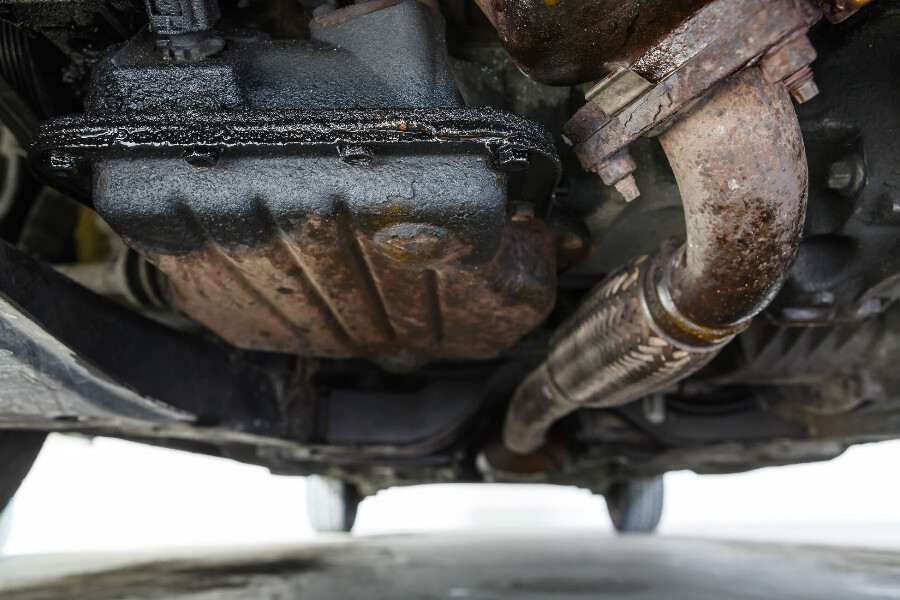
The oil pan, designed to hold the engine’s oil supply, and its drain plug are seemingly simple components, yet their integrity is crucial. Modern oil pans are often made from stamped steel or cast aluminum, engineered to be lightweight yet robust. The drain plug itself typically incorporates a crush washer, a one-time use seal designed to deform and create a tight seal when tightened.
Leaks here are often due to human error (over-tightening, cross-threading, or reusing old crush washers) but can also stem from technological factors. Corrosion of the oil pan (a material science issue), fatigue cracks from impacts, or even the material properties of the drain plug itself can contribute to leaks. Some advanced engines now feature plastic or composite oil pans and drain plugs, designed for weight savings and cost efficiency. While innovative, these materials introduce new challenges regarding heat resistance and susceptibility to damage, potentially creating new leak vulnerabilities if not handled with care.
Turbochargers and VVT Systems
Modern engines increasingly incorporate advanced technologies like turbochargers and Variable Valve Timing (VVT) systems to boost performance and efficiency. While providing significant benefits, these technologies also introduce additional complexity and potential leak points.
Turbochargers, which use engine exhaust gases to spin a turbine, operate at extremely high temperatures and RPMs. Their lubrication systems are critical and typically involve dedicated oil lines to cool and lubricate the turbo bearings. Leaks can occur in these supply or return lines due to heat degradation of seals or vibration-induced loosening of fittings. The extreme operating environment puts immense stress on seals and gaskets, necessitating specialized high-temperature materials.
VVT systems use engine oil pressure to adjust camshaft timing. This involves complex oil passages, solenoids, and actuators. Leaks around VVT solenoids or actuator seals are not uncommon, as these components are constantly bathed in hot, pressurized oil. The precision engineering of these systems means that even minor seal degradation can lead to oil seepage, highlighting how the pursuit of advanced engine performance introduces new challenges for leak prevention and containment.
The Role of Digital Security and Data in Preventative Maintenance
As vehicles become more integrated with digital systems, the concept of maintenance extends beyond the purely mechanical to encompass data integrity and digital security.
Protecting Your Vehicle’s Diagnostic Data
With the growing connectivity of vehicles and the reliance on digital diagnostic tools, the data generated by a vehicle’s systems becomes a valuable asset. This data, which can reveal patterns of wear and potential issues like developing leaks, needs to be secure. The integrity of the diagnostic port (OBD-II) and the vehicle’s internal network (CAN bus) is crucial. Malicious access or improper use of diagnostic tools could potentially compromise vehicle systems or data, affecting maintenance efforts or even vehicle operation. This introduces a cybersecurity dimension to what was traditionally a mechanical problem.
DIY vs. Professional Tech
The availability of consumer-grade diagnostic gadgets (like Bluetooth OBD-II dongles paired with smartphone apps) empowers car owners with basic diagnostic capabilities. These tools represent a democratization of automotive technology, allowing individuals to monitor their vehicle’s health and even identify common DTCs that might indirectly point to a leak. However, truly complex diagnostics, especially for elusive oil leaks in modern, highly integrated engines, often require professional-grade equipment, specialized training, and access to proprietary manufacturer diagnostic software. Understanding when to leverage personal tech tools for preliminary checks versus when to rely on the advanced technology and expertise of a professional workshop is a key aspect of contemporary vehicle ownership.
In conclusion, an oil leak in a car, while a mechanical event, is profoundly influenced by and understood through the lens of automotive technology. From the advanced materials and precision engineering that initially prevent leaks to the sophisticated digital diagnostic tools that pinpoint their origin, technology underpins every aspect of this common automotive problem. As vehicles continue to evolve with more intricate systems and greater connectivity, the technological approach to understanding, preventing, and repairing oil leaks will only become more critical, reinforcing the notion that modern car maintenance is as much about managing complex technology as it is about turning a wrench.
aViewFromTheCave is a participant in the Amazon Services LLC Associates Program, an affiliate advertising program designed to provide a means for sites to earn advertising fees by advertising and linking to Amazon.com. Amazon, the Amazon logo, AmazonSupply, and the AmazonSupply logo are trademarks of Amazon.com, Inc. or its affiliates. As an Amazon Associate we earn affiliate commissions from qualifying purchases.