
The recurring devastation of California’s wildfire seasons has transitioned from a seasonal concern to a perennial crisis. While the fundamental elements of fire—heat, fuel, and oxygen—remain constant, the specific catalysts behind these infernos have become increasingly complex. In the modern era, answering the question of what caused the California wildfires requires a deep dive into the intersection of aging infrastructure, climate data science, and the cutting-edge technology deployed to monitor the Golden State’s vulnerable landscapes. From the failure of legacy electrical hardware to the sophisticated AI now used to predict the next ignition, technology serves as both a primary cause and the ultimate solution in the fight against wildfire escalation.
The Infrastructure Factor: Grid Modernization and the Tech Behind Ignition
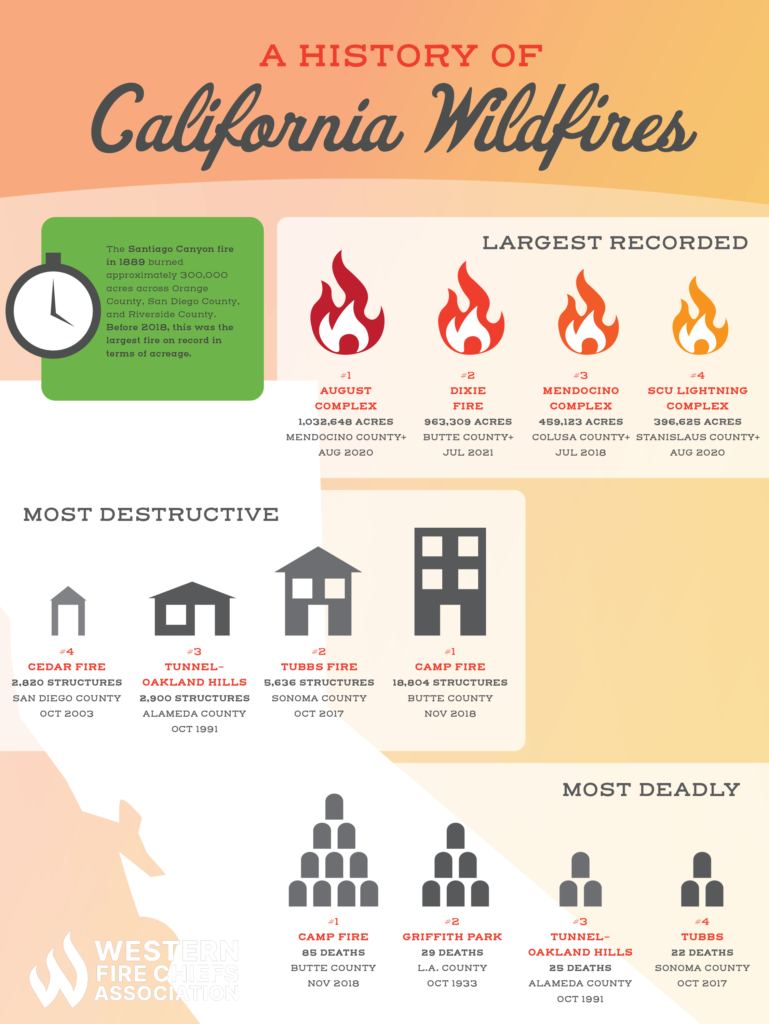
Historically, a significant percentage of California’s most destructive wildfires have been traced back to technological failures within the state’s massive electrical grid. As urban environments expand into the Wildland-Urban Interface (WUI), the interaction between aging high-voltage transmission lines and an increasingly volatile environment has become a flashpoint for disaster.
Aging Transmission Lines and the Smart Grid Solution
The primary technological culprit in many wildfire investigations is the failure of legacy hardware. High-tension wires, some dating back nearly a century, are susceptible to “slapping” during high-wind events or snapping due to material fatigue. When a live wire contacts parched vegetation, the result is an instantaneous ignition. To combat this, utility providers are pivoting toward “Smart Grid” technologies. This involves the installation of synchrophasors and high-speed sensors that monitor the health of the grid in real-time. These devices can detect a “fault” (such as a fallen branch or a swaying line) and de-energize the circuit in milliseconds—faster than a human operator could ever react—potentially preventing a spark before it hits the ground.
Edge Computing in Power Management
One of the most significant shifts in grid technology is the move toward edge computing. Rather than sending all data back to a central server for processing, localized “smart” nodes are installed directly on utility poles. These nodes use localized algorithms to analyze wind speeds and equipment vibration. By processing data at the source, the system can trigger Public Safety Power Shutoffs (PSPS) with surgical precision. Instead of blacking out an entire county, tech-enabled grids allow utilities to isolate specific high-risk micro-sectors, balancing the need for fire prevention with the necessity of maintaining power for critical infrastructure.
Remote Sensing and Satellite Intelligence: Pinpointing the Point of Origin
Once a fire begins, the immediate technological challenge is identifying the cause and the exact point of origin. Understanding “what caused” a fire is a forensic process that now relies heavily on orbital technology and high-resolution imaging rather than just ground-level investigation.
High-Resolution Imaging and Thermal Detection
The use of satellite constellations has revolutionized fire forensics. Instruments like the Visible Infrared Imaging Radiometer Suite (VIIRS) and the Moderate Resolution Imaging Spectroradiometer (MODIS) allow scientists to detect heat signatures from space with incredible accuracy. These satellites can pinpoint a “hot spot” that is only a few meters wide, allowing investigators to look at the exact timestamp of ignition. By cross-referencing these timestamps with localized sensor data from the power grid or lightning detection networks, tech teams can determine if a fire was caused by a hardware failure, a natural surge, or human activity.
Geospatial Data Analysis in Fire Forensics
Beyond simple heat detection, Geospatial Information Systems (GIS) play a critical role in post-fire analysis. After a fire is contained, technicians use LiDAR (Light Detection and Ranging) mounted on drones and aircraft to create 3D maps of the burn scar. This technology allows investigators to analyze the “burn pattern” of the landscape. By reconstructing the environment digitally, investigators can track the fire’s path backward to its source. This tech-heavy approach is essential for legal and safety audits, ensuring that if a specific technological failure caused the fire, the hardware can be redesigned or retired across the entire state.

AI and Predictive Modeling: Understanding Environmental Drivers
While a spark is the immediate cause, the environmental conditions that allow a spark to become a mega-fire are equally important. Silicon Valley and academic institutions are now leveraging Artificial Intelligence (AI) and Machine Learning (ML) to analyze the myriad factors that contribute to wildfire volatility.
Machine Learning Algorithms for Fuel Load Mapping
One of the leading “causes” of wildfire intensity is the accumulation of “fuel”—dead trees, dry brush, and invasive grasses. Traditional methods of mapping fuel loads were slow and often inaccurate. Today, AI-driven software analyzes millions of satellite images to categorize vegetation health. Machine learning models can differentiate between a healthy, moisture-rich oak tree and a drought-stricken pine that is essentially a standing matchstick. By providing high-resolution “fuel maps,” this technology allows fire agencies to identify high-risk zones where any spark, whether natural or technological, is guaranteed to result in a catastrophic blaze.
Real-Time Weather Monitoring Networks
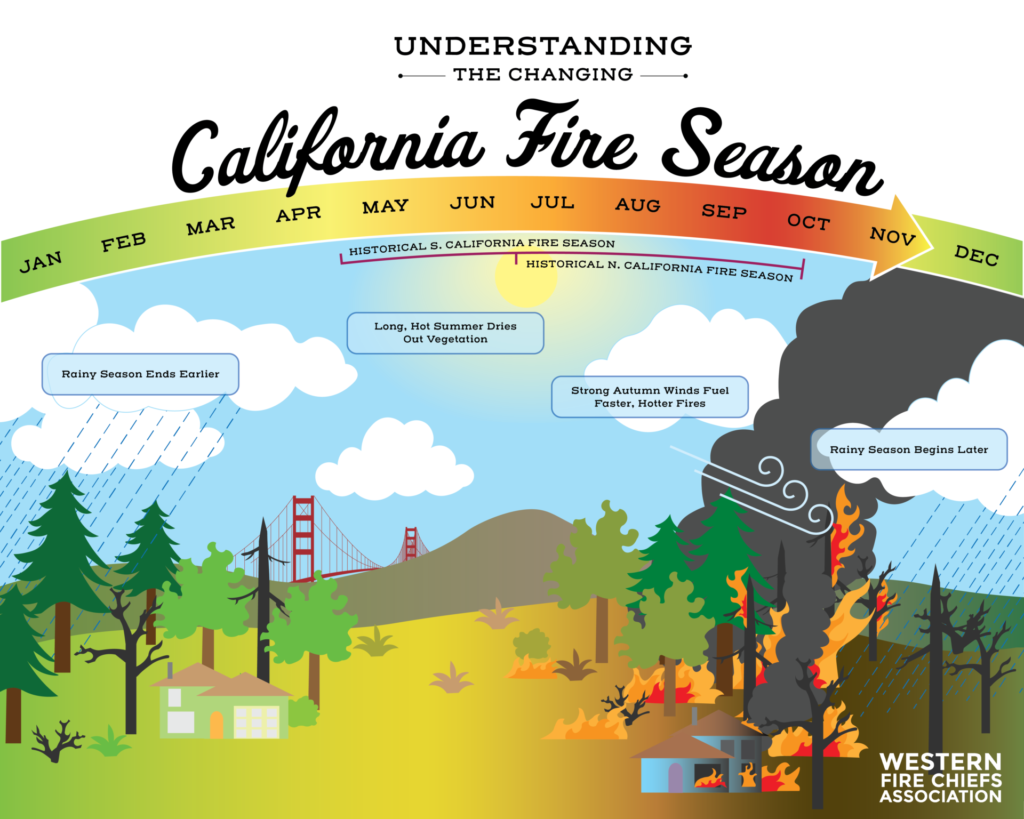
The “Red Flag” warnings that Californians have come to know are powered by an increasingly dense network of IoT (Internet of Things) weather stations. These gadgets are deployed in remote canyons and ridgelines, providing a constant stream of data on “fuel moisture” levels and “vapor pressure deficits.” Modern software platforms integrate this data into predictive models that simulate fire behavior. By understanding the atmospheric tech-drivers—such as the dry Santa Ana or Diablos winds—emergency responders can preposition resources. In this context, technology is used to understand the “environmental cause” of fire spread, giving humans a fighting chance to intervene before the fire reaches a point of no return.
The Future of Fire Mitigation: Digital Twins and Robotics
As we look toward the future, the strategy for addressing the causes of wildfires is shifting from reactive to proactive, utilizing the most advanced concepts in software engineering and robotics.
Simulating Crisis Scenarios with Digital Twins
A “Digital Twin” is a virtual replica of a physical system. California researchers are currently building digital twins of the state’s most fire-prone forests and utility corridors. These complex software environments allow engineers to run “what-if” scenarios. For example, they can simulate what would happen if a specific transformer failed during a 50-mph wind event in the Sierras. By running thousands of these simulations, AI can identify the “weakest links” in the technological chain, allowing for targeted upgrades that prevent causes of ignition before they ever occur in the real world.
Drone Surveillance and Autonomous Response Systems
The integration of autonomous hardware is the next frontier in fire prevention. Large-scale drone swarms, equipped with multispectral cameras, are being tested for continuous patrol of high-risk utility lines. These drones use on-board AI to detect “arc-flashes” or encroaching vegetation that could cause a fire. Furthermore, automated fire-suppression systems—essentially robotic sprinklers and chemical dispensers located in high-risk “choke points”—are being developed to extinguish a fire the moment it is detected by sensors. In this vision of the future, the “cause” of a wildfire is met with an immediate, autonomous technological response, neutralizing the threat in its infancy.
Conclusion: Balancing Technological Risk and Reward
In analyzing what caused the California wildfires, it becomes clear that technology is a double-edged sword. The very infrastructure that powers the modern world has, in many cases, served as the primary ignition source for some of the state’s most tragic events. However, the solution to this crisis is not a retreat from technology, but a more aggressive and intelligent application of it.
Through the deployment of smart grids, the precision of satellite forensics, the predictive power of AI, and the emerging field of digital twins, we are moving toward a future where wildfires are managed with the same data-driven rigor as any other technical challenge. The “cause” of a wildfire may be a spark, but the “cause” of our future safety will be the innovative software and hardware solutions currently being forged in the labs of engineers and data scientists. As these tools continue to evolve, the goal remains clear: to transition from an era of devastating fire seasons to an era of technological resilience.
aViewFromTheCave is a participant in the Amazon Services LLC Associates Program, an affiliate advertising program designed to provide a means for sites to earn advertising fees by advertising and linking to Amazon.com. Amazon, the Amazon logo, AmazonSupply, and the AmazonSupply logo are trademarks of Amazon.com, Inc. or its affiliates. As an Amazon Associate we earn affiliate commissions from qualifying purchases.