
In the world of television, few characters are as meticulously constructed as Saul Goodman, the flamboyant “criminal” lawyer from Breaking Bad and Better Call Saul. While his fast-talking rhetoric and neon-colored suits are the hallmarks of his persona, his choice of vehicle serves as a masterclass in visual storytelling and personal branding. From the rusted, mismatched doors of a 1998 Suzuki Esteem to the gleaming, white expanse of a 1997 Cadillac De Ville, the cars Saul drives are not merely modes of transportation; they are strategic assets used to signal status, build trust, and define a market niche.
For brand strategists and marketing professionals, Saul Goodman’s automotive evolution offers a compelling case study on how physical assets reinforce a brand’s value proposition and how visual cues can manipulate public perception.
The Evolution of Identity: From the Suzuki Esteem to the Cadillac De Ville
The most striking aspect of Saul Goodman’s (formerly Jimmy McGill’s) journey is the intentional shift in his brand identity, mirrored perfectly by his choice of vehicle. In branding, consistency is key, but so is the “pivot”—the moment a brand decides to redefine itself to capture a different market segment.
The Suzuki Esteem: The Symbol of the Struggling “Everyman”
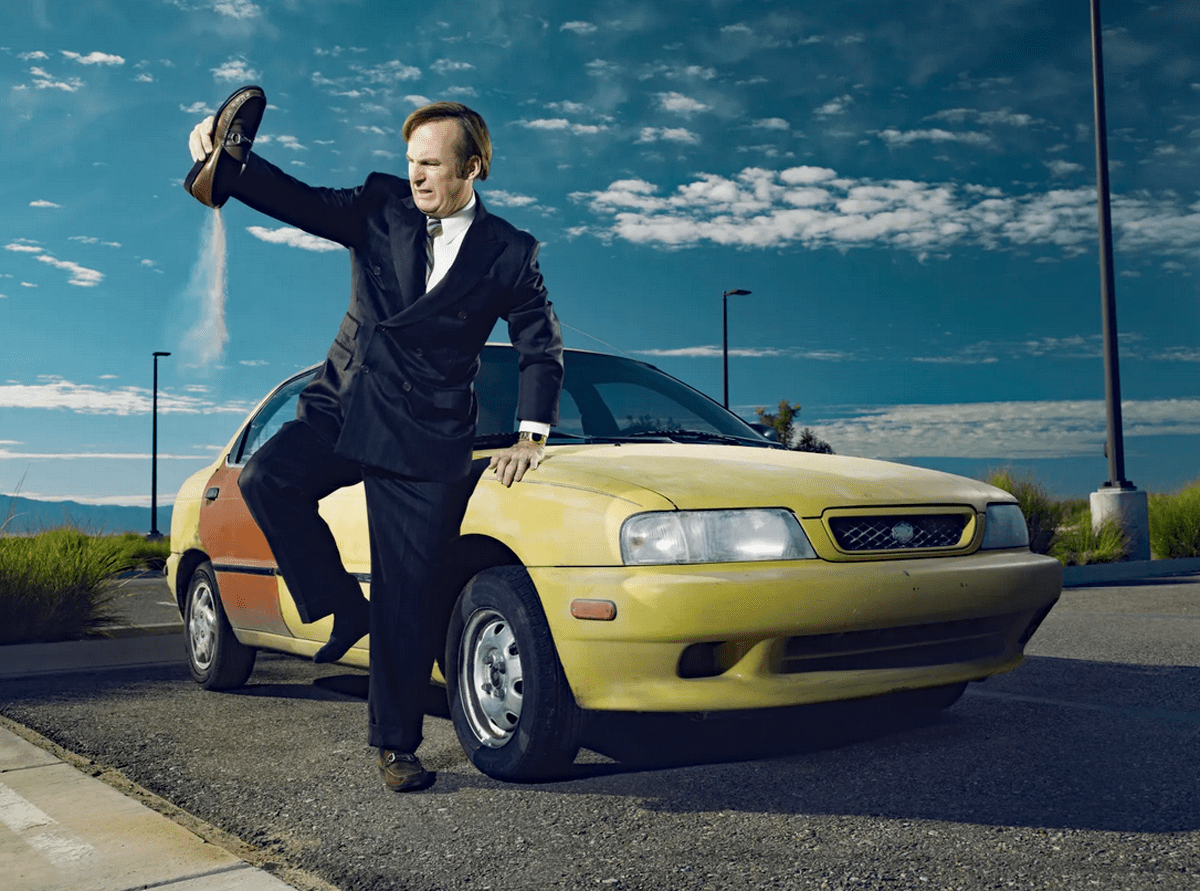
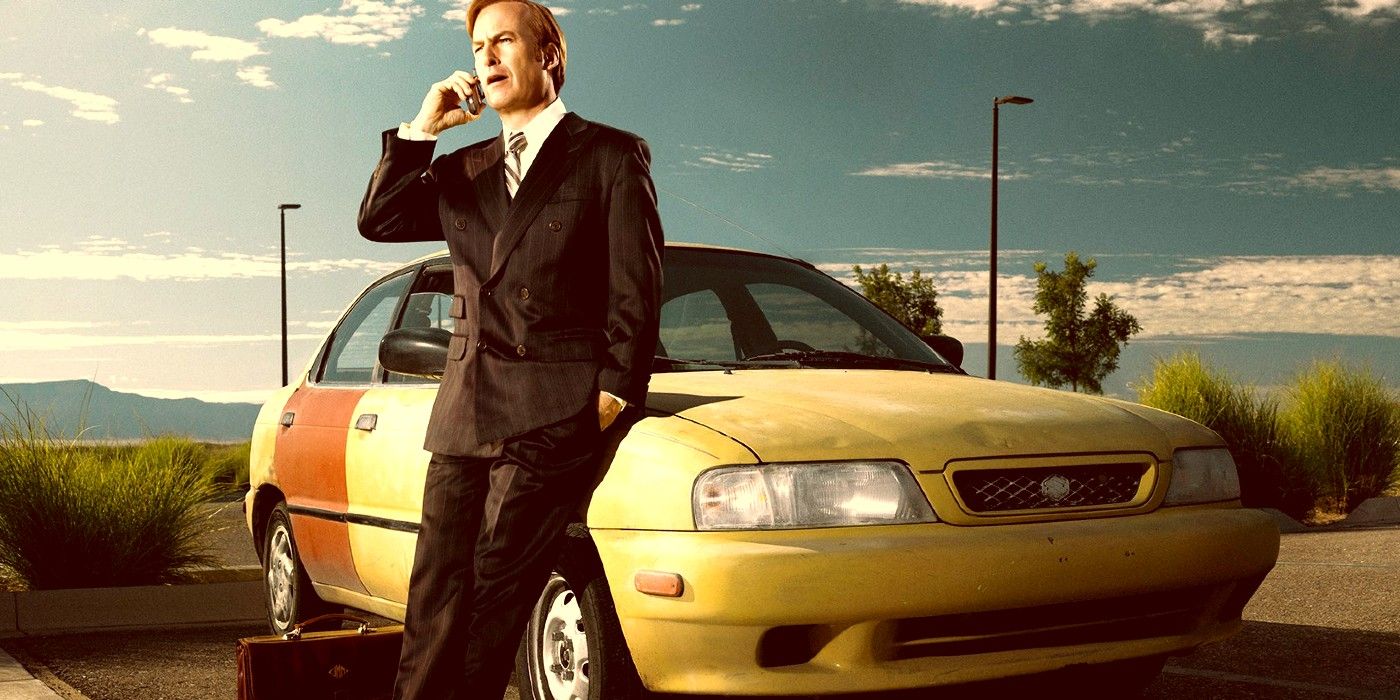
In the early days of Better Call Saul, Jimmy McGill drives a 1998 Suzuki Esteem. The car is an ironic masterpiece. Clad in a faded “mellow yellow” paint job with a single mismatched rear door, it screams desperation and mediocrity. From a brand perspective, this vehicle represented the “scrappiness” of the underdog. It was the visual embodiment of a lawyer who worked out of the back of a nail salon.
In the niche of legal services, the Suzuki communicated a specific—if unintentional—brand message: “I am affordable, I am one of you, and I am struggling just as hard as my clients.” While this didn’t command high fees, it established an authentic, albeit low-value, connection with a certain demographic. The Esteem was a “working-class” brand asset that reflected the reality of Jimmy’s professional standing at the time.
The Cadillac De Ville: The Aesthetic of Success and Excess
When Jimmy McGill finally completes his transformation into Saul Goodman, the Suzuki is discarded for a 1997 Cadillac De Ville. This transition marks a fundamental shift in brand strategy. The Cadillac is a classic symbol of American luxury and “making it.” By choosing a white Cadillac, Saul is signaling that he is no longer the struggling public defender; he is the high-powered, high-earning advocate for the “disenfranchised” (and the criminal).
The Cadillac functions as a trust-building mechanism. In many service-based industries, clients look to the provider’s lifestyle as proof of their competence. If Saul is successful enough to drive a Cadillac, the logic goes, he must be a “winner” in the courtroom. This is a classic example of using a brand asset to project an image of success long before that success is fully solidified.
Building a Visual Language Through Automotive Selection
In corporate identity and personal branding, every touchpoint matters. Saul Goodman understands that his car is an extension of his office, his suit, and his billboard. To build a cohesive brand, one must employ a consistent visual language that resonates with the target audience.
Color Psychology in Personal Branding
The colors Saul chooses for his vehicles are not accidental. The “mellow yellow” of the Suzuki was sickly and uninspired, reflecting his internal state of frustration and invisibility. However, the white of his Cadillac serves a dual purpose. White often symbolizes purity and “goodness”—an ironic choice for a lawyer who specializes in navigating the legal grey areas.
By driving a white car, Saul creates a visual dissonance. He presents a clean, bright exterior that contrasts with the “dirty” nature of his work. In branding, color psychology is used to evoke specific emotions. Saul uses white to project an image of being “the white knight” for those caught in the legal system, reinforcing his slogan: “Better Call Saul!”
Consistency Across Touchpoints: The Car, The Suit, and The Billboard
A brand is only as strong as its weakest link. Saul Goodman’s genius lies in his total commitment to the bit. His Cadillac doesn’t exist in a vacuum; it is part of an integrated marketing campaign. The car’s expansive, ostentatious presence matches his wide-lapeled, polyester suits and his garish, high-contrast television commercials.

For a brand to be memorable, it needs to be “loud” enough to cut through the noise. Saul’s Cadillac is a rolling billboard. It demands attention and reinforces the narrative he has constructed for himself. When his car pulls up, the brand has arrived. This level of consistency ensures that his target demographic—people who feel marginalized by the formal, “stuffy” legal establishment—instantly recognize him as their champion.
Psychological Signaling: Using Assets to Manipulate Market Trust
Branding is essentially the management of perception. Saul Goodman is a master of “psychological signaling”—using external cues to influence how others perceive his value and authority. His choice of car is a strategic move designed to manipulate the trust of both his clients and his adversaries.
The “Fake It ‘Til You Make It” Paradigm
The transition to the Cadillac is a quintessential “fake it ’til you make it” strategy. In the world of business and personal branding, there is often a gap between where a brand is and where it wants to be. To close that gap, brands often adopt the trappings of the tier they wish to enter.
Saul knows that a lawyer who drives a beat-up Suzuki will never be taken seriously by high-level cartel members or wealthy white-collar criminals. By upgrading his car, he is effectively “rebranding” his hourly rate. The Cadillac signals a premium service. It tells the market that Saul Goodman is an expensive, high-status asset. This is a common tactic in brand strategy: upgrading the physical environment or assets to justify a price increase and attract a higher-tier clientele.
Aligning the Product with the Audience
One of the most important rules of branding is knowing your audience. Saul Goodman’s brand is not built for the elite of Albuquerque; it is built for the “man on the street.” His Cadillac is “attainable luxury”—it’s flashy and impressive, but it’s not a sterile, modern European import like the cars driven by the partners at Hamlin, Hamlin & McGill (HHM).
The partners at HHM drive Jaguars and Mercedes-Benzes, which signal old money, tradition, and exclusivity. Saul’s Cadillac, meanwhile, signals “new money” and flamboyant success. It is a brand alignment that speaks directly to his clients’ aspirations. His clients don’t want a lawyer who looks like a judge; they want a lawyer who looks like a rockstar. The car validates their desire for a defender who is as bold and “outlaw” as they are.
Corporate Identity in Fiction and Reality: Lessons for Modern Marketers
The story of Saul Goodman’s car is a reminder that in the modern economy, everything is a brand. Whether you are a solo practitioner or a global corporation, the assets you associate with your name define your identity in the eyes of the consumer.
Authenticity vs. Artifice in Brand Strategy
A central theme in Saul’s journey is the tension between his authentic self (Jimmy) and his constructed brand (Saul). The Suzuki was authentic to Jimmy’s struggle, while the Cadillac was an artifice designed for Saul’s success. This highlights a critical question in brand strategy: how much of a brand should be authentic, and how much should be aspirational?
While Saul Goodman leans heavily into artifice, the most successful brands find a way to bridge the two. They use aspirational assets (like a luxury car) to represent an authentic commitment to excellence. Saul’s “artifice” worked because he actually was a brilliant legal mind; the car simply provided the permission for people to believe in his brilliance. For modern brands, the lesson is clear: your visual assets must be backed by a functional “product” that delivers on the promise those assets make.
Longevity: Making a Brand Memorable
Why is Saul Goodman’s car so iconic? Because it is a perfect reflection of his brand’s “voice.” In a sea of generic vehicles, the Suzuki and the Cadillac stand out. They are memorable because they are bold and specific.
In marketing, the goal is often to achieve “top-of-mind awareness.” When someone thinks of a “lawyer for the people,” they should immediately visualize Saul’s world. By using a distinctive vehicle as a primary brand touchpoint, Saul ensures that his image lingers in the public consciousness. He has successfully turned a commodity—a car—into a brand identifier.
Conclusion: The Car as a Brand Manifesto
Saul Goodman’s car choice is a testament to the power of strategic personal branding. By moving from a vehicle that signaled “struggling underdog” to one that screamed “flamboyant success,” he effectively navigated a brand pivot that allowed him to dominate a specific market niche.
His story teaches us that branding is not just about logos and slogans; it is about the physical manifestation of a brand’s values and ambitions. Whether it’s a beat-up Suzuki or a gleaming Cadillac, what you drive (or how you present your business) tells a story. In the case of Saul Goodman, that story was one of ambition, transformation, and the relentless pursuit of a “winning” image. In the competitive world of branding, as Saul would likely say, image isn’t everything—it’s the only thing.
aViewFromTheCave is a participant in the Amazon Services LLC Associates Program, an affiliate advertising program designed to provide a means for sites to earn advertising fees by advertising and linking to Amazon.com. Amazon, the Amazon logo, AmazonSupply, and the AmazonSupply logo are trademarks of Amazon.com, Inc. or its affiliates. As an Amazon Associate we earn affiliate commissions from qualifying purchases.