
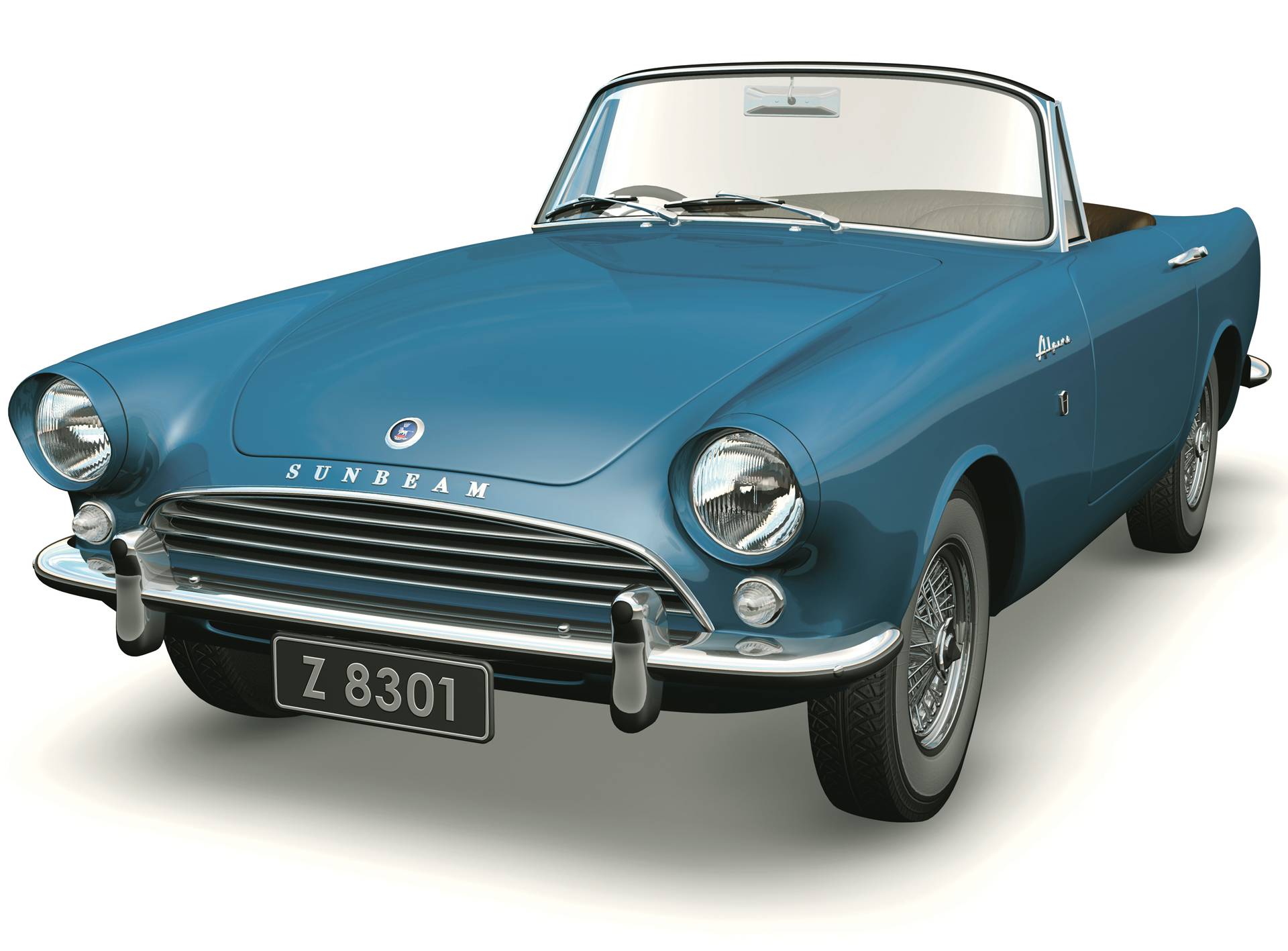
The name James Bond immediately conjures images of suave sophistication, thrilling espionage, and, invariably, iconic automobiles. For decades, the vehicles chosen for Agent 007 have been as central to his mystique as his martini, shaken not stirred. Yet, before the legendary Aston Martin DB5 became synonymous with Bond, the secret agent’s inaugural on-screen ride in the very first Eon Productions film, Dr. No (1962), was a decidedly more humble, yet equally charming, British roadster: the Sunbeam Alpine Series II.
This choice, far from being an accident, encapsulates a fascinating intersection of cinematic pragmatism, burgeoning brand identity, and the nascent technological landscape of the early 1960s. It wasn’t merely a car; it was a character in itself, setting a precedent for the automotive legends that would follow, while also offering a unique lens through which to examine the financial, technological, and branding strategies that underpin one of cinema’s most enduring franchises.
The Unassuming Debut: Bond’s First Ride
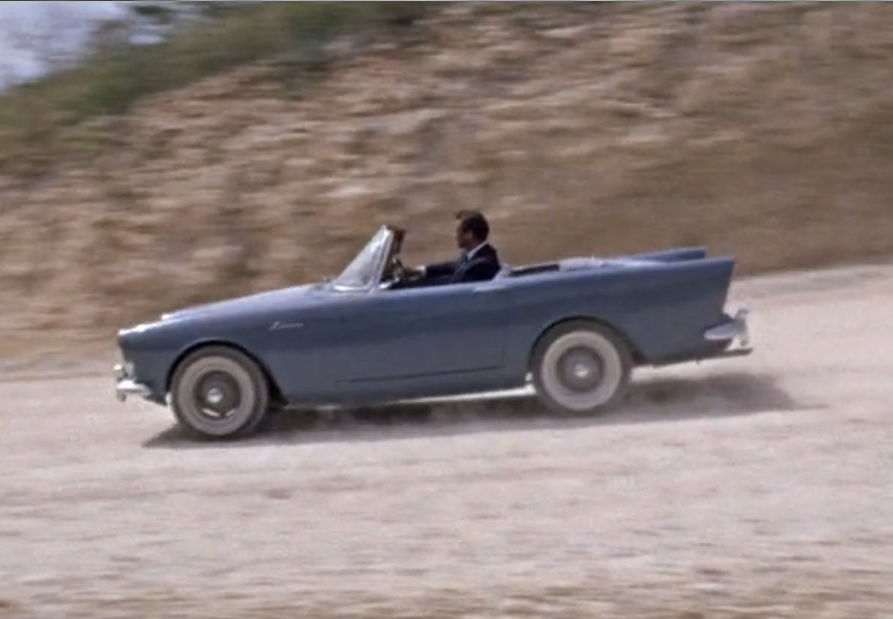
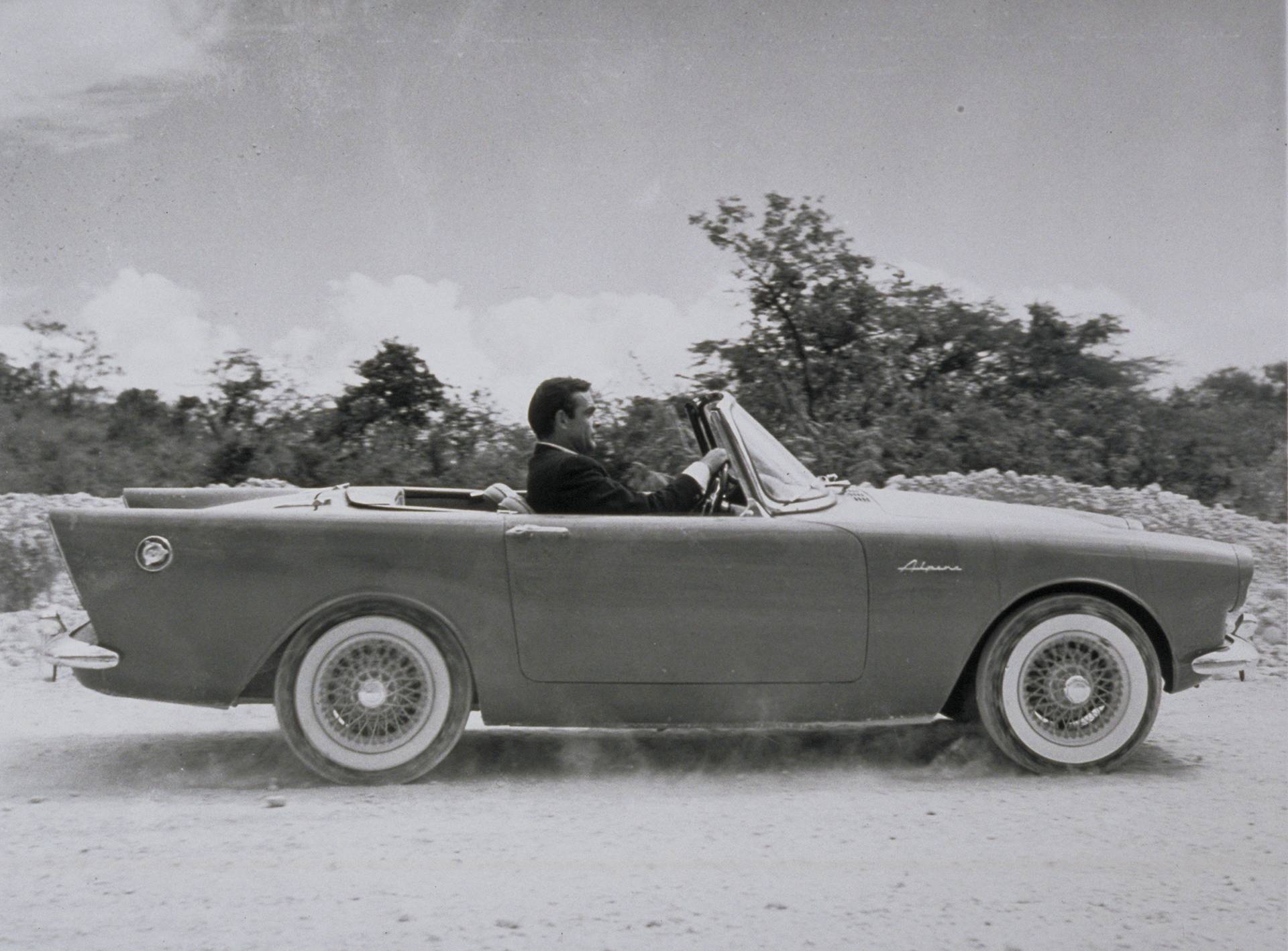
When Sean Connery first uttered those immortal words, “Bond, James Bond,” the world was introduced to a new kind of hero. His mode of transport for his first cinematic mission, investigating the disappearance of a fellow agent in Jamaica, had to reflect a certain practical elegance without overstating his presence. The Sunbeam Alpine Series II fit this bill perfectly, a car that was stylish enough for the Caribbean sun but also plausible for a government agent on an undercover assignment.
From Print to Screen: The Car’s Origin Story
Ian Fleming’s original novels often featured Bentley cars as Bond’s personal vehicles, reflecting a more aristocratic, established British luxury. However, bringing Bond to the big screen in 1962, particularly with a relatively modest budget, necessitated certain adaptations. The filmmakers, notably producer Harry Saltzman, faced the challenge of translating Fleming’s vision into a cinematic reality that was both appealing and financially viable.
The Sunbeam Alpine, a product of the Rootes Group, was a sportier, more contemporary choice for the time, a far cry from the vintage Bentleys of the novels. Its appearance in Dr. No was largely a matter of circumstance and convenience. Production was already underway in Jamaica, and a suitable convertible was needed quickly for the driving scenes. Legend has it that the specific car used was borrowed from a local resident or rented on the island, rather than being a pre-arranged product placement deal. This pragmatic decision highlights the early days of film production, where immediate needs often outweighed elaborate brand negotiations, a stark contrast to the multi-million-dollar deals seen in blockbusters today. This serendipitous acquisition underscored a crucial element of early Bond films: making the most of available resources while maintaining a veneer of sophistication.
A Star is Born (Without the Gadgets): The Sunbeam Alpine Series II
The Sunbeam Alpine Series II, produced between 1960 and 1963, was a sleek, two-seater sports car with a distinctive tailfin design that echoed American automotive trends of the era, albeit on a more compact scale. Under its bonnet lay a 1.6-liter inline-four engine, capable of producing around 80 horsepower, allowing it to reach a top speed of about 98 mph (158 km/h). In the context of 1960s motoring, this offered a respectable balance of performance and style, making it an ideal choice for cruising the winding roads of Jamaica.
From a technological standpoint of its era, the Alpine featured conventional yet reliable engineering. It boasted a sturdy chassis, independent front suspension, and drum brakes on all four wheels. While its specifications wouldn’t impress a modern petrolhead, for its time, it represented accessible sports car technology. Its design prioritized open-air driving pleasure and a sense of freedom, perfectly matching the film’s tropical setting. Crucially, the Sunbeam Alpine in Dr. No was devoid of any of the fantastical gadgets that would become a hallmark of later Bond vehicles. There were no ejector seats, oil slicks, or revolving license plates. Bond used the car simply as a means of transport, albeit one that he drove with characteristic panache, famously evading a hearse full of Dr. No’s henchmen. This chase scene, though rudimentary by today’s standards, was thrilling for its time, showcasing the car’s agility and Bond’s driving skill. It set the stage for the increasingly elaborate and technologically advanced automotive sequences that would define the franchise.
Beyond the Caribbean Chase: The Sunbeam’s Brand Legacy (or Lack Thereof)
While the Sunbeam Alpine played a pivotal role in establishing James Bond’s on-screen persona, its presence didn’t translate into the same long-term brand association as subsequent Bond cars. This offers a fascinating case study in product placement, brand strategy, and the unpredictable nature of cultural iconography.
A Moment in the Sun: Product Placement in Early Cinema
In the early 1960s, the concept of overt product placement was still in its nascent stages. While brands had always appeared in films, the deliberate strategic integration of products for marketing purposes was less sophisticated than it is today. The Sunbeam Alpine’s appearance in Dr. No was likely more organic, driven by production needs rather than a multi-million-dollar promotional deal. However, its high-profile screen time undoubtedly provided a boost to the Rootes Group, giving their car exposure to a global audience at the dawn of a new film phenomenon. This type of exposure, even if unplanned, laid groundwork for how films could influence consumer perception and sales.
The Sunbeam brand, while respected, was part of a conglomerate facing increasing competition. While the Bond association was positive, it wasn’t enough to fundamentally alter the brand’s trajectory or secure a permanent place in the Bond canon. This highlights how fleeting even significant screen time can be if not followed up with consistent, strategic branding efforts.
The Road Not Taken: Why the Alpine Didn’t Become Iconic
The primary reason the Sunbeam Alpine didn’t achieve the same iconic status as the Aston Martin DB5 lies in the nature of its role and the subsequent evolution of the Bond brand. The DB5, introduced just two films later in Goldfinger (1964), was intentionally fitted with an arsenal of Q-branch gadgets. It became an extension of Bond himself – sophisticated, deadly, and technologically advanced. This transformation from mere transport to a fully weaponized, high-tech instrument of espionage fundamentally changed the audience’s expectation of a “Bond car.”
The Alpine, charming as it was, remained a relatively standard vehicle, embodying realism rather than fantasy. While it perfectly served the needs of Dr. No, it lacked the extraordinary features that would later define Bond’s vehicular identity. This choice also paved the way for the consistent brand partnership with Aston Martin, a decision that would prove to be one of the most successful and enduring examples of cinematic product integration, shaping not only the perception of the car brand but also the very identity of James Bond.
The Power of Association: Shaping the Bond Automotive Brand
The James Bond franchise quickly became a global juggernaut, meticulously cultivating its corporate identity and personal branding for its protagonist. The cars became integral to this. Each Bond film, with rare exceptions, featured a distinctive vehicle, often pushing the boundaries of automotive technology and design, albeit fictionalized for cinematic effect. This consistency built a powerful association between Bond and high-performance, technologically advanced luxury cars.
This branding strategy wasn’t accidental. It involved significant financial investments and strategic partnerships with automotive manufacturers who recognized the immense marketing value of aligning with 007. The transition from the pragmatic Sunbeam Alpine to the extravagant Aston Martin DB5 marked a deliberate shift in how Eon Productions approached automotive representation – from necessity to aspirational icon. This shift solidified a core tenet of the Bond brand: a blend of British heritage, cutting-edge technology, and unmatched style, a formula that continues to captivate audiences and influence consumer desires globally.
The Financial & Technological Underpinnings of an Icon
The choice of the Sunbeam Alpine in Dr. No also offers insights into the financial realities of early blockbuster filmmaking and the evolving role of technology, both on-screen and off. Understanding these factors helps contextualize why Bond drove what he did and how the franchise’s approach to cars evolved.
Budgetary Brilliance: How Filmmakers Made Do
Dr. No was produced on a relatively modest budget of approximately $1 million. In 1962, this was certainly a significant sum, but it pales in comparison to today’s tentpole productions. This financial constraint directly influenced many production decisions, including the choice of Bond’s car. Renting a locally available Sunbeam Alpine was a far more economical solution than importing a more exotic, expensive vehicle or commissioning a bespoke build. This pragmatic financial decision reflects a savvy approach to filmmaking where creativity often had to work within strict monetary limits.
The success of Dr. No proved that even with limited resources, a compelling story, charismatic lead, and stylish presentation could create a global phenomenon. It taught future filmmakers a valuable lesson in resourcefulness and prioritization. The modest beginnings financially allowed for greater creative freedom in some areas, laying the groundwork for the more extravagant budgets that would follow once the franchise’s profitability was proven.
Evolution of the Automotive Spy: Tech’s Role in Bond’s Wheels
From the relatively straightforward Sunbeam Alpine, the Bond franchise embarked on an incredible journey of technological innovation in its cars. The Alpine’s simple elegance gave way to the Aston Martin DB5’s machine guns and ejector seat, then the Lotus Esprit’s submarine capabilities, and eventually, BMW’s remote-controlled vehicles and bulletproof titans. This trajectory mirrors the rapid advancements in automotive technology, materials science, and digital systems over the decades.
Early film technology allowed for practical effects that were often cumbersome and expensive. As CGI and advanced animatronics developed, the scope for car stunts and fantastical modifications expanded exponentially. Modern Bond films leverage cutting-edge computer-generated imagery to create breathtaking chase sequences and impossible vehicular transformations that would have been unimaginable during the production of Dr. No. This blend of practical effects and digital wizardry ensures that Bond’s cars remain at the forefront of cinematic spectacle, continually pushing the boundaries of what is possible on screen. The evolution from a simple, borrowed convertible to purpose-built, gadget-laden supercars perfectly illustrates how technological progress in both automotive engineering and filmmaking has shaped the Bond identity.
The Investment Value of 007’s Rides: A Collector’s Perspective
While the Sunbeam Alpine from Dr. No might not command the astronomical prices of the Aston Martin DB5s used in later films, its historical significance to the franchise makes it a valuable collector’s item. The financial implications of Bond cars extend far beyond their original purchase price. Classic cars associated with famous films, particularly those with a significant pop culture impact like James Bond, often see their value appreciate dramatically over time, becoming sought-after assets for collectors and investors.
Original Bond cars, or even accurate recreations, can fetch millions at auction. This secondary market for Bond memorabilia, particularly the vehicles, represents a significant financial ecosystem. Fans, investors, and enthusiasts are willing to pay a premium for a piece of cinematic history. This creates a fascinating intersection of entertainment, automotive heritage, and high-value investment, where even online platforms and dedicated communities play a role in tracking, verifying, and trading these iconic machines. The Sunbeam Alpine, as the very first Bond car, holds a unique place in this financial landscape, representing the genesis of an automotive legend.
The Enduring Allure: Bond, Cars, and Modern Media
More than six decades after its debut, Dr. No and its unassuming Sunbeam Alpine continue to resonate. The film laid the groundwork for a franchise that masterfully integrated automotive elements into its core identity, a practice that continues to evolve with modern technology and media consumption habits.
Reimagining the Classics: Modern Tech and Vintage Cars
Today, the spirit of classic Bond cars like the Sunbeam Alpine lives on through the efforts of restorers and enthusiasts who use modern technology to preserve and even enhance these vintage machines. Sophisticated digital modeling allows for accurate historical recreations, while advancements in materials science and engineering enable meticulous restorations that bring these cars back to their original glory, or even upgrade them with contemporary comforts and performance enhancements, all while maintaining their authentic aesthetics. Online communities and specialized apps facilitate the discovery of rare parts, sharing of technical knowledge, and even digital security measures for valuable classic car ownership.
Furthermore, the influence of these early Bond vehicles can be seen in modern car design, with many manufacturers drawing inspiration from the timeless lines of the 1960s. The enduring appeal of Bond’s early rides underscores a deeper cultural fascination with classic design and a nostalgia for a simpler, yet undeniably stylish, era of motoring.
The Digital Footprint of a Legend: Online Communities and Bond Lore
The legacy of Bond’s cars, including the Sunbeam Alpine from Dr. No, is meticulously preserved and celebrated across a vast digital landscape. Online forums, fan wikis, YouTube channels, and social media groups are dedicated to cataloging every detail of Bond’s adventures, his gadgets, and, of course, his vehicles. These digital platforms serve as vital hubs for fans to discuss, analyze, and share their passion for the franchise.
From detailed breakdowns of the Sunbeam Alpine’s specifications to debates over its historical accuracy, these online communities demonstrate the power of digital media in sustaining and expanding brand engagement. They represent a decentralized, fan-driven ecosystem that complements the official marketing efforts of Eon Productions, further cementing the James Bond brand, and its automotive choices, in the cultural consciousness. This continuous online discourse ensures that even the earliest and seemingly most modest of Bond’s cars remains a topic of interest and appreciation for generations of fans.
In conclusion, while the Sunbeam Alpine Series II in Dr. No might not possess the dramatic flair or gadgetry of later Bond vehicles, it holds an undeniable place in cinematic history. It was the humble, yet perfectly fitting, starting point for what would become the most iconic automotive lineage in film. Its story is one of practical filmmaking, nascent brand building, and the quiet establishment of a precedent that would eventually lead to multi-million-dollar deals and legendary machines. It reminds us that even the most enduring legends have their unassuming beginnings, and that sometimes, the simplest choice can set the stage for extraordinary things to come.
aViewFromTheCave is a participant in the Amazon Services LLC Associates Program, an affiliate advertising program designed to provide a means for sites to earn advertising fees by advertising and linking to Amazon.com. Amazon, the Amazon logo, AmazonSupply, and the AmazonSupply logo are trademarks of Amazon.com, Inc. or its affiliates. As an Amazon Associate we earn affiliate commissions from qualifying purchases.