
In the modern corporate landscape, the distinction between a CEO’s personal life and their company’s public image has become increasingly blurred. Perhaps no individual embodies this fusion more than Elon Musk. While most executives at legacy automakers might be seen stepping out of a chauffeured luxury sedan, Musk’s choice of vehicle is never merely a matter of transportation. It is a calculated component of a multi-billion-dollar brand strategy.
To ask “what car does Elon Musk drive” is to ask how he intends to position his companies in the cultural zeitgeist. Every time Musk is spotted behind the wheel—whether it is in a futuristic prototype or a vintage cinematic icon—he is communicating a message about innovation, disruption, and the “cool factor” that traditional marketing departments struggle to replicate.
The Living Billboard: How Musk’s Car Choice Defines Tesla’s Brand Identity
The concept of “dogfooding”—a tech industry term for a company using its own products—is central to the Tesla brand. Musk is rarely seen in anything other than a Tesla, a practice that serves as a powerful endorsement. In the world of brand strategy, this creates a sense of authenticity that traditional advertising cannot buy.
The Synergy Between CEO and Product
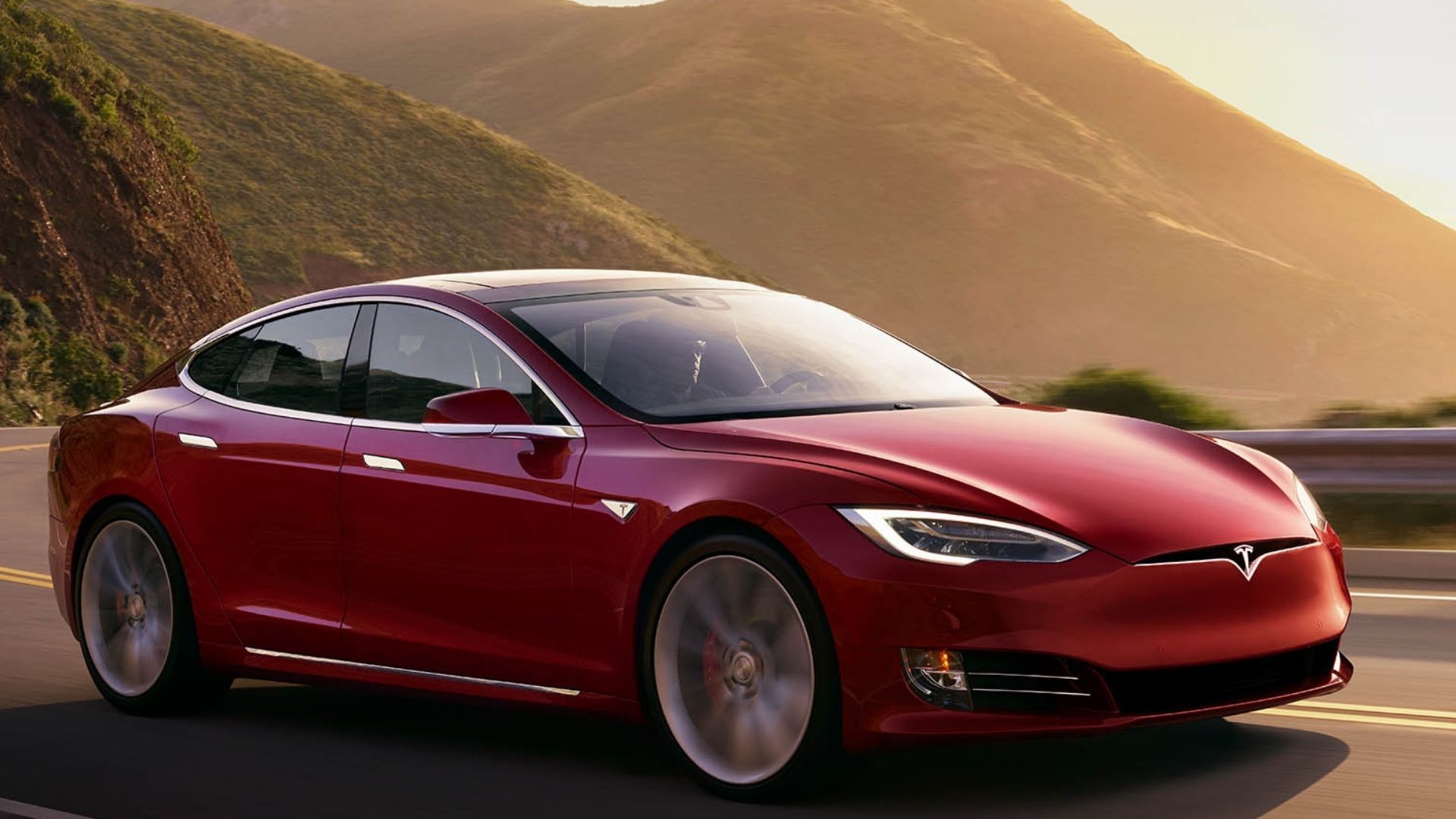
Elon Musk’s brand is built on the premise of a “technological prophet” leading humanity into a sustainable future. If he were to drive a competitor’s vehicle, such as a Porsche Taycan or a Lucid Air, it would signal a lack of confidence in his own engineering. By exclusively driving Tesla models, specifically the Model S Plaid or the Cybertruck, he reinforces the narrative that his products are the pinnacle of performance.
This synergy transforms the car from a machine into a lifestyle choice. When Musk drives a Model S Plaid to a high-profile meeting, he isn’t just arriving; he is demonstrating the brand’s promise of “uncompromised speed and sustainability.” This direct association ensures that the CEO’s personal prestige is transferred directly to the product.
Demonstrating Confidence Through Personal Usage
Brand trust is built on reliability and vision. Musk’s insistence on driving “Alpha” and “Beta” versions of his vehicles serves a dual purpose. First, it signals to the market that the product is ready for the world’s most demanding user. Second, it positions Musk as the “Lead Engineer” rather than just a suit-and-tie executive. When he is spotted driving a prototype Cybertruck through the streets of Los Angeles or Austin, he is effectively conducting a live, public stress test. This transparency builds a brand of “hardcore engineering” that resonates deeply with Tesla’s core fan base.
From Legacy Icons to Electric Innovation: The Evolution of the Musk Brand
To understand Musk’s current brand identity, one must look at the vehicles he drove before Tesla became a household name. These choices reflect the trajectory of his personal brand: from a successful dot-com millionaire to a visionary architect of the future.
The McLaren F1 Era: The High-Performance Visionary
Shortly after selling Zip2, a young Elon Musk purchased a McLaren F1. At the time, it was the fastest production car in the world. This choice was the first major indicator of his personal brand’s DNA: an obsession with being the absolute best in terms of specifications and performance.
The famous footage of Musk taking delivery of the McLaren F1 serves as a foundational myth for his brand. It established him as a man who values “first principles” engineering and record-breaking speed. Although he eventually crashed the car (uninsured, no less), the incident added a layer of “risk-taker” to his persona—a trait that remains central to his brand today.
The Lotus Esprit: Merging Cinema and Reality
In 2013, Musk purchased the “Wet Nellie” Lotus Esprit submarine car from the James Bond film The Spy Who Loved Me. This was a masterful piece of personal branding. By buying a piece of cinematic history that symbolizes futurism and “gadgetry,” Musk aligned his identity with that of a real-life Tony Stark.
He publicly expressed his “disappointment” that the car didn’t actually transform into a submarine and vowed to upgrade it with a Tesla electric powertrain and make it functional. This narrative arc—taking a dream from fiction and attempting to make it a reality—is the cornerstone of the Musk brand. It tells the public that he is not just building cars; he is building the future we were promised in movies.
Prototype Marketing: Using Personal Transport to Drive Hype
Tesla famously spends zero dollars on traditional advertising. Instead, it relies on “earned media” and the viral nature of Musk’s public appearances. The cars he chooses to drive are the primary tools in this marketing arsenal.
The Cybertruck as a Moving Disruption
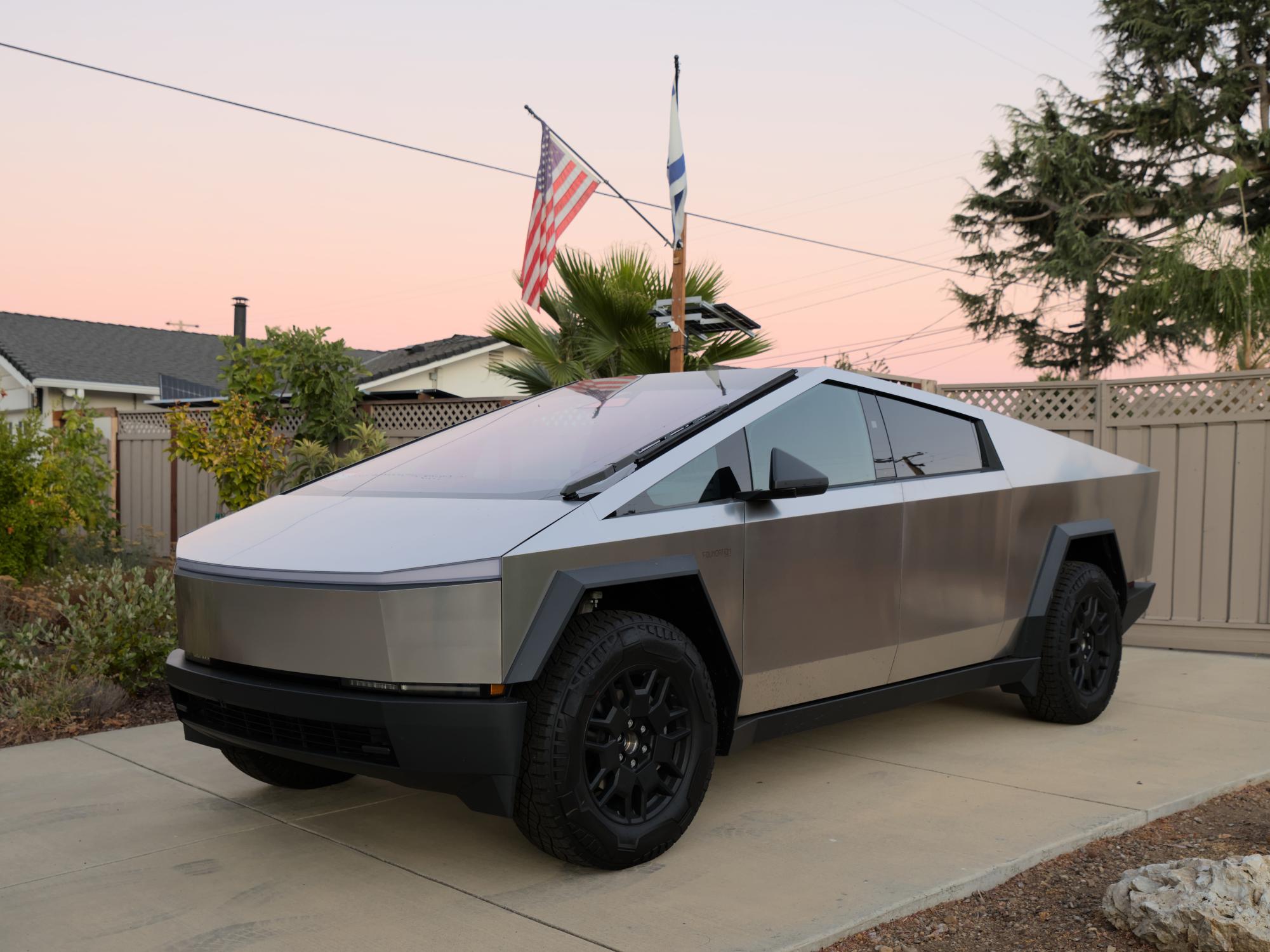
The Cybertruck is perhaps the most polarizing vehicle in history, and that is by design. For years before its official release, Musk was spotted driving various iterations of the truck to public events and restaurants. Every sighting generated thousands of social media posts, news articles, and debates.
In terms of brand strategy, the Cybertruck represents “disruption.” By driving it personally, Musk signals that he is unafraid of unconventional aesthetics or public ridicule. It reinforces the brand’s identity as a “rebel” against the boring, iterative designs of Detroit’s “Big Three.” His personal use of the vehicle turned it into a cultural icon long before the first customer took delivery.
Beta Testing the Brand Promise (FSD)
Musk frequently livestreams himself driving while using “Full Self-Driving” (FSD) software. While this is a technical demonstration, it is also a masterclass in brand communication. By putting his own safety in the hands of his software, he is making the ultimate brand promise: “I trust this with my life, and so should you.” This high-stakes personal branding creates a level of fan loyalty and investor confidence that a 30-second Super Bowl ad could never achieve.
Strategic Storytelling: Beyond Just “A Car”
The cars Musk drives are often part of a larger cross-brand narrative, linking his various ventures like SpaceX, Tesla, and Neuralink into a cohesive “Musk Universe.”
The Roadster in Space: The Ultimate Brand Extension
While not “driving” in the traditional sense, the decision to launch his personal midnight-cherry Tesla Roadster into orbit aboard a SpaceX Falcon Heavy rocket remains the greatest marketing stunt of the 21st century.
This move perfectly synthesized his two biggest brands. It was a visual metaphor for the synergy between his companies: Tesla provides the terrestrial innovation, and SpaceX provides the celestial ambition. The image of a mannequin named “Starman” driving a Tesla through the vacuum of space solidified Musk’s brand as someone whose vision is literally “out of this world.” It transformed a car into a symbol of human potential.
Authentic Advocacy vs. Traditional Advertising
The effectiveness of Musk’s vehicle choices lies in their perceived authenticity. When a celebrity is paid to drive a certain car, the audience feels the “transaction.” When Musk drives a Tesla, the audience feels “conviction.”
This brand strategy leverages the “Founder’s Aura.” Consumers are no longer just buying a vehicle; they are buying into Musk’s worldview. The car is the physical manifestation of his personal brand’s mission to accelerate the world’s transition to sustainable energy. Because he is the primary user and advocate of his own products, the marketing feels like a shared journey between the founder and the consumer.
The Future of the Personal Brand Fleet
As Musk moves further into the realms of Artificial Intelligence and robotics, we can expect his choice of “vehicle” to continue evolving. The brand strategy will likely shift from purely “driving” to being “transported.”
Scalability of the “Owner-Influencer” Model
The “Musk Model” of branding has paved the way for a new era of corporate identity where the CEO is the lead influencer. As Tesla prepares to launch its Cybercab and autonomous Robotaxi fleet, Musk’s public usage of these services will be the primary driver of consumer adoption.
In the future, “what car Elon Musk drives” might become “which autonomous pod Elon Musk uses.” The focus will shift from the thrill of the drive to the efficiency of the tech. However, the core brand strategy will remain the same: using his personal life as a stage to prove the viability of his corporate vision.
Conclusion: The Car as a Communication Device
Ultimately, Elon Musk does not drive a car to get from point A to point B. He drives a car to move the needle of public opinion, to spike the stock price, and to cement his legacy as a disruptor. From the record-breaking McLaren F1 of his youth to the stainless-steel geometry of the Cybertruck, his fleet is a curated collection of brand statements.
By rejecting the traditional “executive car” in favor of his own experimental prototypes, Musk has redefined what it means to be a brand ambassador. He has proven that in the age of social media and instant connectivity, a CEO’s personal choices are the most powerful marketing assets a company possesses. The car isn’t just a vehicle; it’s the brand, and Elon Musk is always in the driver’s seat.
aViewFromTheCave is a participant in the Amazon Services LLC Associates Program, an affiliate advertising program designed to provide a means for sites to earn advertising fees by advertising and linking to Amazon.com. Amazon, the Amazon logo, AmazonSupply, and the AmazonSupply logo are trademarks of Amazon.com, Inc. or its affiliates. As an Amazon Associate we earn affiliate commissions from qualifying purchases.