
In a world dominated by proprietary operating systems, Linux often remains a whisper in the tech conversation, known primarily to developers, system administrators, and cybersecurity enthusiasts. Yet, this open-source powerhouse, a kernel born from the innovative spirit of Linus Torvalds, is far more pervasive and versatile than many realize. From the smartphones in our pockets and the smart TVs in our living rooms to the vast servers powering the internet and the supercomputers solving humanity’s greatest challenges, Linux is the silent engine driving much of our digital existence. But beyond its ubiquitous backend presence, what can Linux truly offer the everyday user, the entrepreneur, the creative professional, or anyone looking to maximize their digital potential?
This article will delve into the multifaceted capabilities of Linux, exploring how it intersects with the critical domains of technology, brand building, and financial empowerment. Whether you’re seeking cutting-edge tools, robust security, a platform for innovation, or pathways to economic opportunity, Linux presents a compelling alternative, challenging conventional notions of what an operating system can achieve.
Linux for Technical Prowess and Productivity: Unleashing Digital Potential
At its core, Linux is a toolkit for digital mastery. Its open-source nature means unparalleled transparency, customizability, and a robust community constantly refining and expanding its capabilities. For anyone interested in truly understanding and controlling their digital environment, Linux is an indispensable resource, offering significant advantages in technology, security, and productivity.
The Foundation of Modern Computing
While often unseen, Linux underpins a vast segment of the digital world. It’s the operating system for the vast majority of web servers (think Google, Facebook, Amazon Web Services), nearly all supercomputers, and powers the Android ecosystem on billions of mobile devices. For developers, sysadmins, and tech enthusiasts, mastering Linux isn’t just a skill; it’s a foundational understanding of how modern infrastructure operates. Its command-line interface, while initially daunting, unlocks incredible power and efficiency for managing systems, automating tasks, and deploying applications at scale. This deep understanding is a critical asset in navigating today’s complex technological landscape, from cloud computing to the Internet of Things (IoT).
Unlocking Productivity and Customization
Linux shatters the “one size fits all” mold of operating systems. With a plethora of desktop environments (GNOME, KDE Plasma, XFCE, MATE, etc.), users can tailor their interface to their exact preferences, optimizing for speed, aesthetics, or specific workflows. Beyond customization, Linux offers a rich ecosystem of free and open-source software that rivals, and often surpasses, commercial alternatives. Office suites like LibreOffice provide full functionality for document creation, spreadsheets, and presentations. Graphics and design tools such as GIMP (image manipulation), Krita (digital painting), and Inkscape (vector graphics) empower creatives. For programmers, the integrated development environment (IDE) support is extensive, with tools like VS Code, Eclipse, and various language-specific compilers and interpreters readily available, making it a dream platform for software development, data science, and AI experimentation. The ability to script tasks and automate workflows through languages like Python, Bash, and Perl significantly boosts productivity, turning repetitive actions into effortless background processes.
Fortifying Your Digital Security and Privacy
In an age of constant cyber threats and privacy concerns, Linux stands out as a beacon of security and user control. Its open-source code allows for continuous scrutiny by a global community of experts, quickly identifying and patching vulnerabilities. The robust permissions system inherent to Linux-based systems makes it inherently more resistant to malware and viruses compared to other popular operating systems. Users operate with fewer elevated privileges by default, requiring explicit permission for critical changes, which acts as a powerful deterrent against malicious software. Furthermore, many Linux distributions are designed with privacy in mind, offering fewer telemetry and data collection features than their commercial counterparts. For individuals and businesses prioritizing digital security, data integrity, and privacy, Linux offers a formidable and trustworthy environment. It’s also the operating system of choice for cybersecurity professionals, with specialized distributions like Kali Linux providing a comprehensive suite of tools for penetration testing, ethical hacking, and digital forensics.
Exploring AI and Advanced Applications
The explosion of artificial intelligence and machine learning finds a fertile ground in Linux. The vast majority of AI research and development is conducted on Linux-based systems, leveraging its stability, performance, and compatibility with leading AI frameworks like TensorFlow, PyTorch, and Keras. Data scientists benefit from Linux’s powerful command-line tools for data manipulation, scripting capabilities for automation, and robust package management systems that simplify the installation and management of complex scientific libraries. From developing machine learning models to running large-scale data analytics, Linux provides the essential infrastructure. Beyond AI, Linux excels in specialized scientific computing, engineering simulations, and multimedia production, offering a high-performance, stable, and cost-effective platform for tackling the most demanding computational challenges.
Linux as a Strategic Asset for Brands and Businesses: Building Reputation and Efficiency
Beyond its technical merits, Linux offers compelling advantages for brands and businesses, influencing everything from operational efficiency and cost reduction to brand identity and market perception. Embracing Linux can be a strategic move to foster innovation, demonstrate transparency, and build a resilient digital infrastructure.
Building and Maintaining Your Digital Presence
For any modern brand, a robust and reliable digital presence is non-negotiable. Linux powers the lion’s share of web servers (Apache, Nginx), making it the backbone of the internet. This means businesses running their websites, e-commerce platforms, and cloud services on Linux benefit from unparalleled stability, security, and scalability. Content Management Systems (CMS) like WordPress, Drupal, and Joomla thrive on Linux servers, offering businesses flexible and powerful tools for creating and managing their online content. Furthermore, Linux provides a rich environment for web development, with strong support for languages like Python, PHP, Ruby on Rails, Node.js, and frameworks that are essential for crafting dynamic, interactive, and high-performing websites and web applications. For brands looking to host their own infrastructure or simply ensure maximum uptime and performance for their digital assets, Linux is the intelligent, industry-standard choice.
Cost-Efficiency and Scalability for Startups and Enterprises
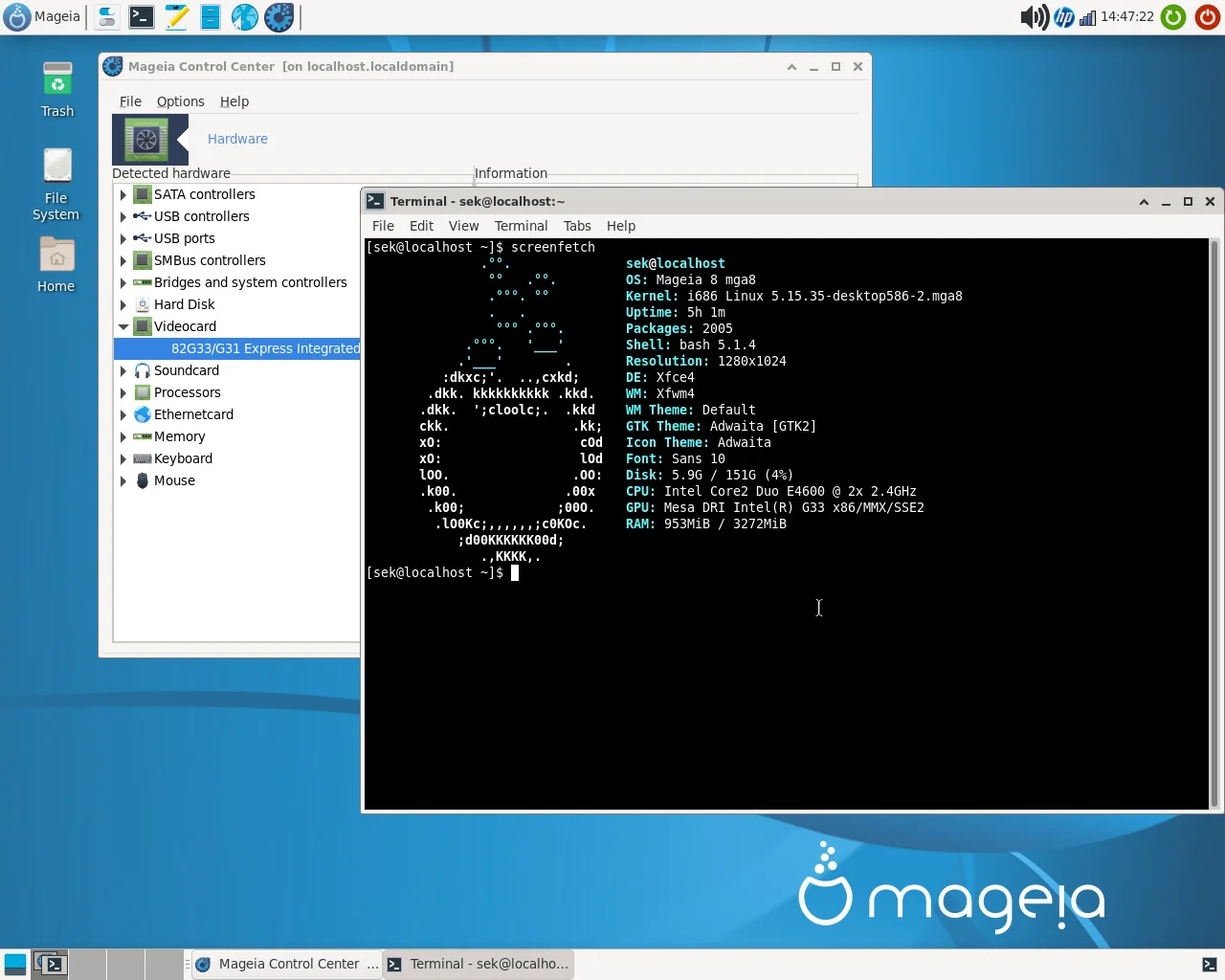
One of Linux’s most attractive propositions for businesses, particularly startups and SMBs, is its significant cost savings. Being open source, Linux distributions themselves are free, eliminating expensive licensing fees associated with proprietary operating systems. This cost advantage extends to a vast array of free and open-source software, from office suites and graphic design tools to enterprise-level databases and Customer Relationship Management (CRM) systems. For businesses operating on tight budgets, this dramatically reduces initial investment and ongoing operational costs. Moreover, Linux’s efficiency allows it to run effectively on older hardware, extending the lifespan of IT assets and further reducing capital expenditure. Its inherent scalability means businesses can easily grow their operations, adding servers, expanding network capacity, and deploying new services without being constrained by prohibitive licensing costs or vendor lock-in, providing the agility necessary to adapt to market changes.
Open Source Philosophy and Brand Reputation
Adopting Linux and its ecosystem aligns a brand with the powerful philosophy of open source – transparency, collaboration, community, and innovation. For increasingly conscious consumers and B2B clients, a brand’s commitment to open standards and ethical technology can significantly enhance its reputation. It signals a dedication to quality and security (due to community scrutiny) and often a forward-thinking approach to technology. Businesses that contribute back to the open-source community, whether by sharing code, supporting projects, or simply using open-source tools, build goodwill and position themselves as responsible and innovative players in their industry. This can attract talent, foster partnerships, and resonate with a demographic that values ethical technology and digital freedom.
Marketing and Design Workflows
The creative aspects of branding, including graphic design, video editing, and marketing automation, are increasingly well-supported on Linux. As mentioned earlier, GIMP, Krita, and Inkscape provide professional-grade tools for visual content creation. For desktop publishing and layout, Scribus offers a powerful alternative. While professional video editing suites are still developing, tools like Kdenlive and DaVinci Resolve (with a Linux version) are gaining traction. For marketing teams, Linux servers can host robust email marketing platforms, analytics tools, and CRM systems. Furthermore, Linux’s scripting capabilities enable the automation of tedious marketing tasks, such as data scraping, report generation, social media scheduling, and content deployment, freeing up valuable human resources for strategic thinking and creative execution.
Linux for Financial Empowerment and Opportunity: Navigating the Digital Economy
Linux isn’t just a technical marvel or a strategic business tool; it’s also a powerful enabler of personal and financial independence. By reducing costs, facilitating income generation, and providing robust financial tools, Linux offers distinct advantages in managing and growing wealth in the digital age.
Reducing Costs for Personal and Business Finance
One of the most immediate financial benefits of Linux is the drastic reduction in software expenditure. For individuals, this means no more costly licenses for operating systems, office suites, or essential productivity software. For small businesses and startups, these savings can be substantial, freeing up capital for investment in growth areas. Furthermore, Linux’s efficiency on older hardware extends the life of computers, delaying costly upgrades and reducing electronic waste. This not only saves money but also aligns with sustainable practices. From a personal finance perspective, shifting to Linux can drastically lower the overall cost of ownership for your digital tools, making advanced computing accessible to a wider audience, regardless of their budget.
Generating Online Income and Side Hustles
Linux opens up a myriad of avenues for generating online income and building side hustles, particularly for those with a technical inclination.
- Web Development & Programming: Linux is the preferred environment for web developers, data scientists, and software engineers. Learning to build websites, web applications, or develop custom software on a Linux platform can lead to lucrative freelance work or full-time employment. Its robust development toolchain, free compilers, and powerful scripting capabilities make it an ideal learning and working environment.
- Server Administration & DevOps: With Linux dominating server infrastructure, skills in Linux system administration, cloud management (AWS, Azure, GCP often run on Linux), and DevOps are highly sought after. Offering services in server setup, maintenance, security, and automation can be a profitable venture.
- Content Creation & Digital Art: Leveraging free Linux-based tools like GIMP, Krita, Inkscape, and Kdenlive, individuals can create high-quality digital art, graphic designs, videos, and animations for clients, YouTube channels, or online marketplaces without investing in expensive proprietary software.
- Ethical Hacking & Cybersecurity: As mentioned, Linux is the platform of choice for cybersecurity professionals. Individuals can train and offer services in penetration testing, security auditing, and digital forensics, tapping into a high-demand, well-compensated field.
- Technical Writing & Tutorials: Expertise in Linux can also translate into income through creating tutorials, writing documentation, or authoring books about Linux, its tools, and its applications.
Financial Tools and Data Management
While not always immediately obvious, Linux provides a secure and reliable platform for managing personal and business finances. Spreadsheet applications like LibreOffice Calc are fully capable of handling complex financial models, budgeting, and accounting tasks. Dedicated personal finance managers (e.g., KMyMoney, GnuCash) are available for tracking expenses, managing investments, and generating financial reports. Crucially, Linux’s robust security features make it an excellent choice for handling sensitive financial data, reducing the risk of malware or unauthorized access. For businesses, Linux-based accounting software and ERP systems offer powerful, often open-source, solutions for managing financial operations securely and efficiently.
The Entrepreneurial Edge with Linux
For aspiring entrepreneurs, Linux lowers the barrier to entry significantly. A lean startup can leverage free operating systems, open-source development tools, and cost-effective hosting solutions (often Linux-based) to bring their ideas to market without heavy initial software investments. This focus on resourcefulness and efficiency is crucial for early-stage ventures. Linux’s flexibility also enables rapid prototyping and iterative development, allowing entrepreneurs to quickly test and refine their products or services. By eliminating dependency on proprietary ecosystems, businesses can maintain greater control over their technology stack, ensuring long-term adaptability and innovation.
Conclusion
From the intricate workings of the world’s most powerful supercomputers to the everyday tasks on a desktop, Linux is a pervasive and profoundly capable operating system. Its open-source philosophy has cultivated an ecosystem of unparalleled versatility, security, and innovation, touching every aspect of our digital lives. As we’ve explored, Linux is not merely a technical curiosity; it is a strategic asset for individuals and organizations alike.
For the technologically curious, it offers a deep dive into computing, robust security, and a platform for cutting-edge development in AI and beyond. For brands and businesses, it provides a foundation for a resilient digital presence, significant cost savings, and an opportunity to align with the values of transparency and innovation. And for those seeking financial empowerment, Linux presents pathways to reduce expenses, generate income through diverse side hustles, and manage finances with robust, secure tools.
In an increasingly digital and interconnected world, understanding and harnessing the power of Linux is no longer just for the tech elite. It is a pathway to greater control, efficiency, and opportunity for everyone willing to explore its vast potential. So, what can you do with Linux? The answer, as it turns out, is almost anything you can imagine.
aViewFromTheCave is a participant in the Amazon Services LLC Associates Program, an affiliate advertising program designed to provide a means for sites to earn advertising fees by advertising and linking to Amazon.com. Amazon, the Amazon logo, AmazonSupply, and the AmazonSupply logo are trademarks of Amazon.com, Inc. or its affiliates. As an Amazon Associate we earn affiliate commissions from qualifying purchases.