
Tax season is often viewed with a sense of trepidation by individuals and business owners alike. However, understanding the landscape of tax deductions is one of the most effective ways to take control of your personal finances. A tax deduction is not a “refund” in the traditional sense, but rather a way to reduce your taxable income. By lowering the amount of income the government can tax, you effectively lower your overall tax liability, keeping more money in your pocket for investing, savings, or business growth.
Navigating the Internal Revenue Service (IRS) code can be daunting, but the core philosophy is simple: the government provides incentives for certain behaviors, such as homeownership, charitable giving, and entrepreneurship. This guide will explore the various categories of deductions available to you, helping you distinguish between standard and itemized deductions while identifying specific expenses that can help you maximize your return.
Understanding the Foundation: Standard vs. Itemized Deductions
Before diving into specific expenses, it is crucial to understand the two primary ways to claim deductions. Every taxpayer has the choice to either take the “Standard Deduction” or “Itemize” their deductions. You cannot do both, so choosing the right path is the first step in optimizing your tax strategy.
The Standard Deduction
The standard deduction is a flat dollar amount that the IRS allows you to subtract from your income, no questions asked. The amount varies depending on your filing status (single, married filing jointly, head of household, etc.) and is adjusted annually for inflation. For many taxpayers, the standard deduction is the most beneficial route because it requires no record-keeping of specific expenses and is often higher than the total of their individual deductible costs.
When to Itemize
Itemizing involves listing every eligible expense you incurred throughout the year on Schedule A of your tax return. You should choose to itemize if the total of your individual deductions—such as mortgage interest, state and local taxes, and medical expenses—exceeds the value of the standard deduction. This is common for homeowners in high-tax states or individuals with significant medical bills. While itemizing requires meticulous record-keeping and receipts, the potential for higher savings makes it a vital tool for those with complex financial lives.
Common Deductions for Individual Taxpayers
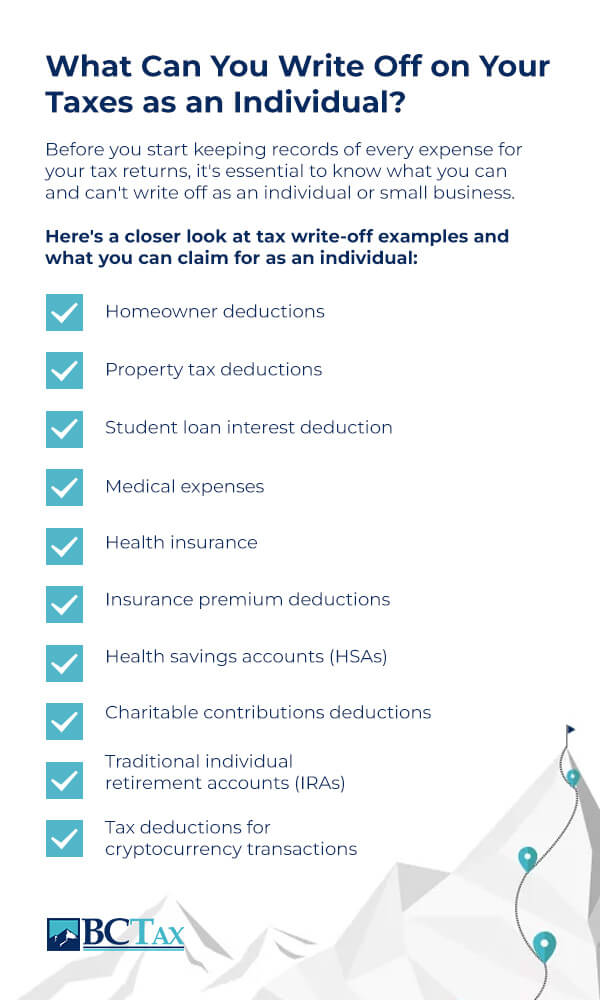
For the average employee or homeowner, there are several key areas where the IRS allows for significant write-offs. These deductions are designed to ease the financial burden of essential life costs and encourage community support.
Mortgage Interest and Property Taxes
For many Americans, their home is their largest asset, and the tax code reflects this. If you itemize, you can deduct the interest paid on up to $750,000 of mortgage debt (for homes purchased after 2017). Additionally, you can deduct state and local property taxes. However, it is important to note the “SALT” (State and Local Tax) cap, which currently limits the total deduction for state and local income, sales, and property taxes to $10,000.
Medical and Dental Expenses
If you had a year with significant health challenges, the IRS provides some relief. You can deduct unreimbursed medical and dental expenses that exceed 7.5% of your adjusted gross income (AGI). This includes everything from surgeries and hospital stays to prescription glasses, hearing aids, and even travel costs for medical care. Because of the 7.5% threshold, this deduction is most useful for those with major procedures or chronic conditions not fully covered by insurance.
Charitable Contributions
The government incentivizes philanthropy by allowing you to deduct donations made to qualified non-profit organizations. This includes cash donations as well as the fair market value of donated goods (like clothing or furniture given to Goodwill). To claim these, you must have receipts or bank records, and for large non-cash donations, you may need a formal appraisal.
Tax Deductions for the Self-Employed and Small Business Owners
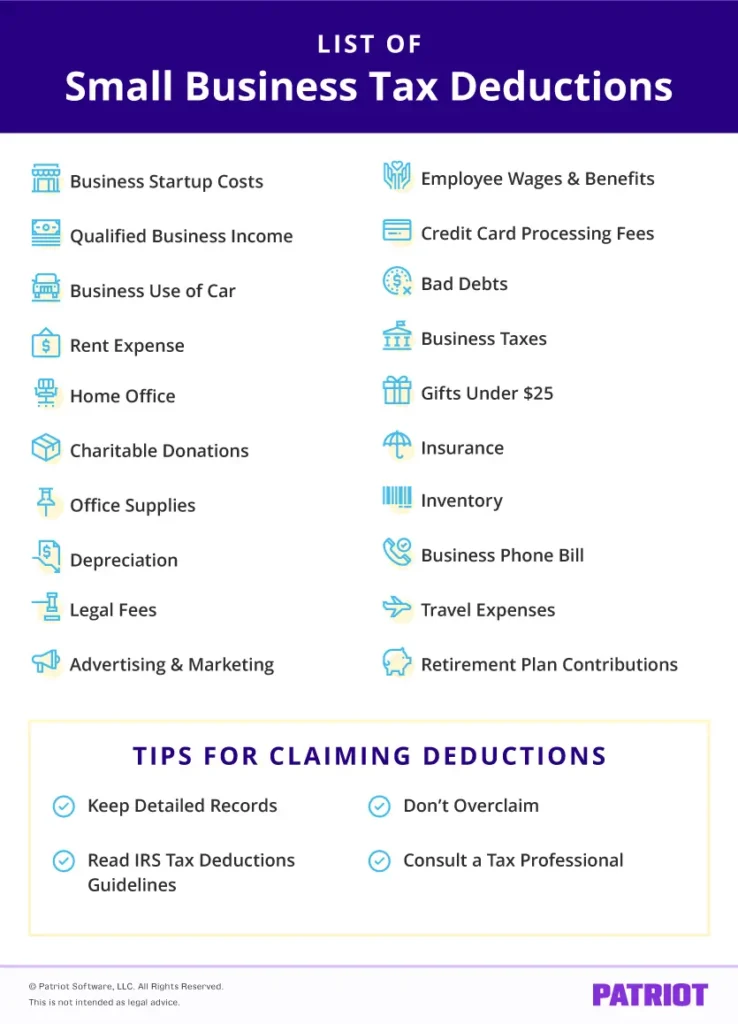
If you operate a side hustle, work as a freelancer, or own a small business, your deduction opportunities expand significantly. Unlike W-2 employees, business owners can deduct the “ordinary and necessary” costs of doing business directly from their gross business income.

The Home Office Deduction
With the rise of remote work, the home office deduction has become a hot topic. To qualify, you must use a portion of your home exclusively and regularly for business. You can calculate this deduction using the simplified method ($5 per square foot up to 300 square feet) or the actual expense method, which allows you to deduct a percentage of your mortgage interest, rent, utilities, and insurance based on the size of your office relative to your home.
Business Use of a Vehicle
If you use your car for business—whether visiting clients or driving to a secondary work site—you can deduct these costs. You have two choices: the standard mileage rate (a set cents-per-mile rate determined by the IRS) or the actual expense method (tracking gas, oil changes, tires, and repairs). It is vital to keep a detailed log of your business miles, as the IRS frequently audits vehicle-related claims.
Equipment, Software, and Marketing
Every dollar spent to keep your business running is potentially deductible. This includes the laptop you bought for work, the subscription fees for your accounting software, and the costs of running social media ads. Under Section 179 of the tax code, business owners can often “expensed” the entire cost of large equipment purchases in the year they were bought, rather than depreciating them over several years, providing an immediate tax benefit.
Health Insurance for the Self-Employed
One of the biggest hurdles of self-employment is the cost of health insurance. Fortunately, if you are self-employed and have a net profit for the year, you can often deduct 100% of your health insurance premiums for yourself, your spouse, and your dependents. This is an “above-the-line” deduction, meaning it reduces your AGI even if you do not itemize.
Education and Retirement: Investing in Your Future
The tax code also rewards those who invest in their future through education and retirement planning. These deductions and adjustments help lower the long-term cost of self-improvement and financial security.
Student Loan Interest
Even if you don’t itemize, you may be able to deduct up to $2,500 of the interest you paid on qualified student loans during the year. This deduction is subject to income phase-outs, meaning it gradually disappears as your income rises above a certain level. It is a valuable “above-the-line” deduction that helps recent graduates manage the cost of their education.
Education-Related Credits and Deductions
While the Tuition and Fees Deduction has expired, taxpayers can still benefit from the American Opportunity Tax Credit (AOTC) and the Lifetime Learning Credit (LLC). While these are technically credits (which reduce your tax bill directly) rather than deductions, they are essential tools for anyone paying for higher education. Additionally, contributions to 529 plans are often deductible at the state level, though not the federal level.
Retirement Account Contributions
Contributions to a traditional IRA or a 401(k) are one of the most powerful ways to reduce taxable income. In a traditional 401(k), your contributions are taken out of your paycheck before taxes are calculated. With a traditional IRA, you may be able to deduct your contribution on your tax return. By moving money into these accounts, you aren’t just saving for the future; you are actively lowering the amount of income you are taxed on today.
Best Practices for Tracking and Claiming Deductions
Claiming deductions is a right, but it comes with the responsibility of proof. The IRS operates on a “substantiation” rule, meaning if you can’t prove the expense happened, they can disallow the deduction.
Digital Record Keeping
The days of the “shoebox full of receipts” are over. To maximize your deductions without the stress, use digital tools. Apps like QuickBooks, Expensify, or even simple cloud folders (Google Drive/Dropbox) allow you to scan and store receipts as they happen. This ensures that ink-faded receipts don’t cost you money come April.
Staying Within IRS Compliance
Consistency is key. Avoid the temptation to “estimate” your deductions. Round numbers (like $500 for supplies or $1,000 for travel) often act as red flags for IRS auditors. Always use exact figures derived from your bank statements and receipts. Furthermore, ensure you are staying updated on annual changes to the tax code, as deduction limits and eligibility criteria are subject to change by Congress.
Seeking Professional Advice
While software can handle many straightforward tax returns, those with business income, rental properties, or high net worth should consult a Certified Public Accountant (CPA) or a tax strategist. A professional can often identify “missed” deductions that more than cover the cost of their services.
In conclusion, knowing what you can use for tax deductions is a fundamental pillar of financial literacy. Whether you are a standard filer looking for education credits or a business owner maximizing home office write-offs, every deduction represents a strategic move toward greater financial efficiency. By staying organized and informed, you can transform tax season from a period of anxiety into an opportunity for significant financial gain.
aViewFromTheCave is a participant in the Amazon Services LLC Associates Program, an affiliate advertising program designed to provide a means for sites to earn advertising fees by advertising and linking to Amazon.com. Amazon, the Amazon logo, AmazonSupply, and the AmazonSupply logo are trademarks of Amazon.com, Inc. or its affiliates. As an Amazon Associate we earn affiliate commissions from qualifying purchases.