
In a world brimming with enticing advertisements and accessible credit, understanding your true financial capacity is more critical than ever. The allure of a new car, a dream home, or even a luxury vacation can often overshadow the practical realities of your bank account. This is where a “what can I afford calculator” steps in – not as a gatekeeper of dreams, but as an enlightened guide to making financially sound decisions. Far from being a mere number-crunching tool, it’s a foundational element of robust personal finance, offering clarity, reducing stress, and paving the way for sustainable financial growth.
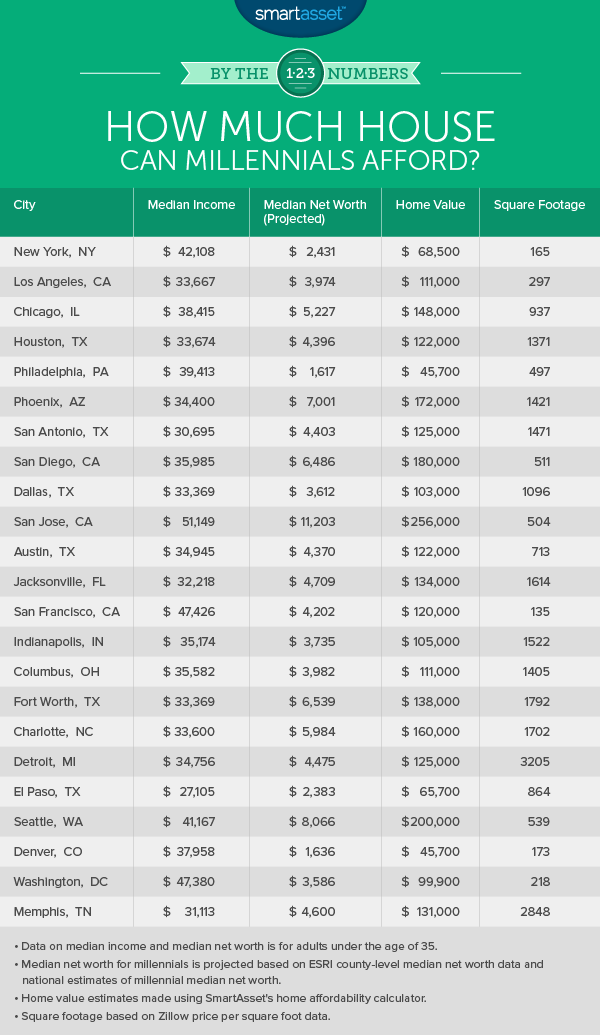
This article delves into the indispensable role of an affordability calculator, exploring its mechanics, the insights it provides, and how integrating it into your financial planning can transform your relationship with money. It’s about moving beyond wishful thinking and embracing a proactive, informed approach to your purchasing power.
Understanding the “What Can I Afford” Conundrum
The question “what can I afford?” is deceptively simple, yet its implications are profound. Many people gauge affordability by what they can qualify for or what they think they can manage, rather than a thorough assessment of their entire financial landscape. This often leads to overextension, debt, and a constant struggle to meet financial obligations.
The Peril of Assumption
Without a clear, data-driven understanding of your affordability, you risk entering into financial commitments that stretch your budget thin. Imagine qualifying for a mortgage that consumes 40% of your net income, leaving little room for emergencies, savings, or discretionary spending. Or purchasing a car with payments that, combined with insurance and maintenance, make other life goals feel out of reach. These scenarios are all too common when assumptions dictate financial decisions. The peril lies in the cumulative effect of these small, seemingly manageable commitments snowballing into significant financial stress, impacting everything from mental well-being to relationships.
The Value of Clarity
An affordability calculator cuts through the guesswork. It provides a crystal-clear snapshot of your financial boundaries, based on concrete data rather than vague estimates. This clarity empowers you to approach significant purchases – be it a home, a vehicle, or a substantial loan – with confidence and realism. It shifts the focus from “what do I want?” to “what can I realistically sustain without jeopardizing my financial health and future goals?” This foundational understanding is the cornerstone of responsible financial management, allowing you to prioritize, plan, and execute your financial strategies with precision.
The Mechanics of a “What Can I Afford” Calculator
At its core, a “what can I afford” calculator is a sophisticated budgeting tool that helps you determine how much money you can comfortably allocate towards a specific expense, such as a mortgage payment, a car loan, or general living costs. While specific inputs can vary depending on the type of calculator, the underlying principle remains the same: it balances your income against your existing financial obligations to derive a realistic affordability threshold.
Input Essentials for Accurate Assessment
To deliver meaningful insights, these calculators require several key pieces of information from you. The more accurate and comprehensive your inputs, the more precise the calculator’s output will be.
- Gross Monthly Income: This is your total income before taxes and other deductions. It forms the baseline of your financial capacity. Be sure to include all reliable sources of income, such as salary, freelance earnings, rental income, or dividends.
- Monthly Debts/Expenses: This category is crucial and often includes:
- Existing Loan Payments: Car loans, student loans, personal loans, credit card minimums.
- Credit Card Balances: While not a fixed payment, the minimum payments impact your available cash flow and debt-to-income ratio.
- Housing Costs (if applicable): Current rent or mortgage payments, property taxes, homeowner’s insurance (for existing homes).
- Utilities: Estimated monthly costs for electricity, water, gas, internet, and phone.
- Other Fixed Expenses: Childcare, insurance premiums (health, life), subscriptions, gym memberships.
- Down Payment Amount: For large purchases like homes or cars, the size of your down payment significantly impacts the loan amount you’ll need and, consequently, your monthly payments. A larger down payment reduces the principal, making monthly payments more affordable.
- Interest Rates: For loans, the interest rate is a critical factor. Even a small difference in percentage points can lead to substantial variations in total repayment and monthly costs over the life of the loan. While the calculator might use an average current rate, knowing a specific potential rate (e.g., for a pre-approved loan) will yield more precise results.
- Loan Term: The duration over which you plan to repay the loan (e.g., 15, 20, or 30 years for a mortgage; 3, 5, or 7 years for a car loan). A longer term generally means lower monthly payments but higher overall interest paid.
Output Interpretations and Different Calculator Types
Once these inputs are provided, the calculator processes the data to generate a realistic affordability figure. The output will vary based on the specific type of calculator you are using:
- Mortgage Affordability Calculator: This tool typically tells you the maximum home price you can afford, the estimated monthly mortgage payment, and sometimes includes property taxes and insurance (PITI). It often factors in the widely used debt-to-income (DTI) ratio, where lenders typically prefer a DTI of 36% to 43% or lower.
- Car Affordability Calculator: This calculator helps determine the maximum car price you can comfortably finance, taking into account your desired monthly payment, loan term, interest rate, and down payment. It also helps you understand the impact of sales tax, registration fees, and ongoing costs like insurance.
- Loan Affordability Calculator (Personal Loan, Student Loan): This type helps you understand how much you can borrow and repay monthly without straining your budget. It’s crucial for consolidating debt, financing education, or covering unexpected expenses while maintaining financial stability.
- General Budgeting/Affordability Calculator: Some calculators provide a broader overview, helping you determine how much disposable income you have after all essential expenses, which can then be allocated to savings, investments, or discretionary spending.
The output isn’t just a number; it’s a powerful data point that informs your strategy. It tells you not just what is possible, but what is prudent given your financial realities.
Beyond the Numbers: The Strategic Benefits of Using This Tool
While the immediate benefit of a “what can I afford” calculator is providing a concrete financial limit, its strategic advantages extend far beyond mere arithmetic. It’s a tool that fosters financial intelligence, resilience, and goal attainment.
Empowering Informed Financial Decisions
The most significant strategic advantage is the ability to make decisions from a position of strength, rather than guesswork or emotional impulse. When you know precisely what you can afford, you can:
- Negotiate Better: Whether buying a home or a car, knowing your limits prevents you from overextending and gives you confidence in negotiations. You can walk away from a deal that pushes you beyond your comfort zone.
- Avoid Buyer’s Remorse: The regret that follows an unaffordable purchase can be immense. The calculator helps prevent this by grounding your aspirations in reality.
- Prioritize Spending: By revealing how much of your income is already committed, it helps you identify areas where you might need to cut back or save more to reach a specific affordability goal.
- Set Realistic Expectations: It helps manage expectations about what you can acquire, redirecting focus towards saving for a larger down payment or waiting until your income increases, rather than settling for an unsustainable loan.
Strategic Budgeting and Financial Stability
An affordability calculator doesn’t replace a budget, but it complements it powerfully. It acts as a financial stress test, ensuring that any new major expense can be absorbed without destabilizing your existing financial plan.
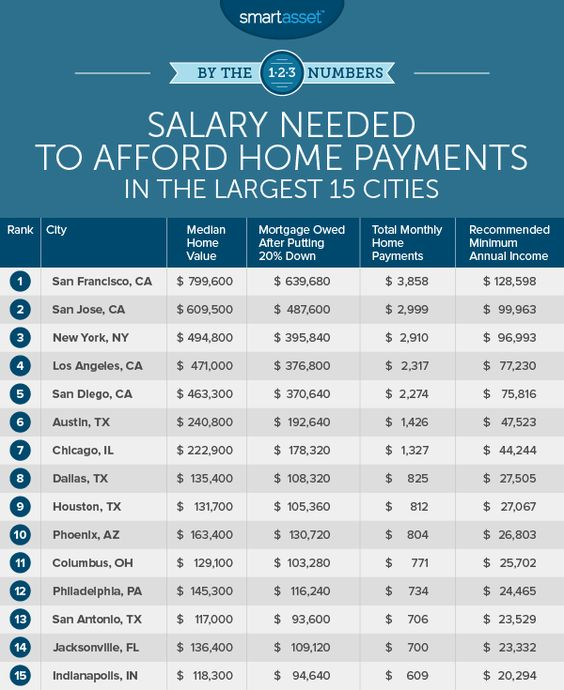
- Integrate with Your Budget: Once you know what you can afford for a specific item, you can seamlessly integrate that figure into your monthly budget, allocating funds appropriately for the new payment, associated costs (like insurance or maintenance), and ensuring other budget categories remain healthy.
- Identify Headroom and Constraints: It highlights areas where you have financial headroom for new commitments or, conversely, where you are already constrained. This insight is vital for making proactive adjustments to your spending habits or seeking opportunities to increase income.
- Build Emergency Savings: By ensuring new payments fit comfortably within your budget, the calculator indirectly supports your ability to maintain or build an emergency fund, which is crucial for long-term financial stability. Overextending yourself often means sacrificing emergency savings, leaving you vulnerable to unexpected events.
Stress Reduction and Peace of Mind
Perhaps the most underrated strategic benefit is the reduction in financial anxiety. The unknown is often scarier than the known. When you have a clear picture of your affordability:
- Reduces Overwhelm: Large purchases can be daunting. The calculator breaks down the complexity into manageable figures, making the process less overwhelming.
- Fosters Confidence: Knowing you’ve done your due diligence and made an informed decision provides immense peace of mind. You’re less likely to worry about making payments or running out of money before your next paycheck.
- Promotes Healthy Financial Habits: Regularly using such tools encourages a disciplined approach to money management, reinforcing positive habits like budgeting, saving, and avoiding unnecessary debt.
Key Factors Influencing Your Affordability
While the calculator provides the initial numbers, a deeper understanding of the underlying factors that shape your affordability can further refine your financial strategy and help you maximize your purchasing power responsibly.
Debt-to-Income (DTI) Ratio
This is one of the most critical metrics lenders use to assess your ability to manage monthly payments and repay debts. Your DTI is calculated by dividing your total monthly debt payments by your gross monthly income. A low DTI indicates you have a good balance between debt and income, making you a less risky borrower. Most lenders prefer a DTI below 36%, though some programs may allow up to 43% or even higher for specific loans. Understanding your DTI helps you determine not just what you can afford, but what lenders are willing to let you afford. If your DTI is high, the calculator might show a higher potential affordability than a lender would actually approve, prompting you to reduce existing debt first.
The Impact of Interest Rates
Interest rates are a silent yet powerful determinant of affordability. A higher interest rate means a larger portion of your monthly payment goes towards interest, reducing the amount applied to the principal. Over the life of a loan, even a seemingly small difference in interest rates can translate into thousands, if not tens of thousands, of dollars. For instance, a 0.5% difference on a $300,000 mortgage can change your monthly payment by a significant amount and inflate the total cost of the loan considerably. Keeping an eye on prevailing interest rates and understanding how they affect your potential payments is crucial. This factor often drives decisions on when to buy or refinance.
The Down Payment Dilemma
For major purchases like homes or cars, your down payment plays a pivotal role. A larger down payment reduces the amount you need to borrow, which in turn lowers your monthly payments and the total interest paid over the loan term. It also reduces your DTI and can open doors to better interest rates from lenders, as it signals a lower risk. Conversely, a small or no down payment means higher monthly obligations and potentially higher interest rates. The calculator helps you visualize the impact of different down payment scenarios, encouraging you to save more if necessary, to achieve a more comfortable and affordable payment plan.
Lifestyle Choices and Discretionary Spending
While not directly inputted into the calculator, your lifestyle choices significantly influence your real affordability. A person with a high gross income might still struggle to afford a comfortable mortgage if they have expensive habits (dining out frequently, luxury subscriptions, costly hobbies). The calculator provides a mathematical limit, but your discretionary spending dictates how much ‘wiggle room’ you truly have within that limit. Understanding this interplay encourages self-reflection: Are your spending habits aligned with your financial goals? Could adjusting your lifestyle free up more funds for a down payment or to make a new payment more manageable? This factor underscores that affordability is not just about income and debt, but also about personal choices.
Integrating the Calculator into Your Financial Journey
An affordability calculator is not a one-and-done tool. Its true power lies in its ongoing integration into your financial planning, adapting to life’s inevitable changes and evolving with your financial goals.
A Living Document: Regular Check-ins
Your financial situation is dynamic. Income can increase or decrease, debts can be paid off, interest rates fluctuate, and life events can introduce new expenses. Therefore, what you could afford last year might be different from what you can afford today. Regularly revisiting the calculator – perhaps annually, or whenever a significant financial change occurs – ensures that your understanding of your purchasing power remains current and accurate. Treat your affordability assessment as a living document, a benchmark that evolves with your personal and economic circumstances. This practice fosters financial agility and prevents you from making decisions based on outdated information.
Adapting to Life’s Stages and Goals
Your financial goals and needs shift as you move through different life stages. A young professional saving for their first home will have different affordability considerations than a growing family looking for a larger house or a pre-retiree planning to downsize.
- Early Career: Focus on understanding initial loan affordability for education, car, or a starter home.
- Family Growth: Re-evaluate affordability for larger homes, second cars, and increased living expenses.
- Mid-Career/Wealth Accumulation: Consider investment properties or more significant assets, understanding how these fit into broader wealth-building strategies.
- Pre-Retirement/Retirement: Assess affordability for downsizing, travel, or funding specific lifestyle choices in retirement.
The calculator becomes a versatile partner, helping you recalibrate your financial capacity to align with each new chapter and aspirational goal.

From Affordability to Wealth Building
Ultimately, understanding what you can afford is a stepping stone to building wealth. By preventing overextension, it frees up capital that can be directed towards investments, retirement funds, or other wealth-generating assets. When you consistently make financially prudent decisions based on accurate affordability assessments, you:
- Increase Savings Rate: Comfortable payments mean more disposable income for savings and investments.
- Reduce Debt Burden: Avoiding unaffordable debt keeps your DTI low, making it easier to qualify for future loans at favorable rates.
- Build Equity Faster: By making larger down payments or having more flexibility for extra principal payments, you build equity in assets like homes more quickly.
- Achieve Financial Freedom: The discipline fostered by understanding and respecting your affordability limits is a cornerstone of long-term financial independence and the realization of broader financial goals.
In conclusion, the “what can I afford calculator” is much more than a simple online tool; it’s an essential component of informed financial decision-making. It equips you with clarity, empowers better budgeting, reduces financial stress, and serves as a dynamic compass guiding you through the complexities of personal finance. Embrace its power, make it a regular part of your financial routine, and transform your relationship with money from one of uncertainty to one of confident, strategic control. Start calculating, start planning, and start building the financially secure future you deserve.
aViewFromTheCave is a participant in the Amazon Services LLC Associates Program, an affiliate advertising program designed to provide a means for sites to earn advertising fees by advertising and linking to Amazon.com. Amazon, the Amazon logo, AmazonSupply, and the AmazonSupply logo are trademarks of Amazon.com, Inc. or its affiliates. As an Amazon Associate we earn affiliate commissions from qualifying purchases.