
The question “how much does private insurance cost?” is akin to asking “how much does a car cost?” — the answer is invariably, “it depends.” Private insurance, whether for health, life, auto, home, or disability, represents a critical cornerstone of personal financial planning and risk management. It acts as a financial safeguard, protecting individuals and families from potentially catastrophic expenses that can arise from unforeseen events. However, the exact cost is not a fixed figure but a dynamic calculation influenced by a myriad of factors, making it a complex landscape to navigate.
Understanding the true cost of private insurance goes beyond the monthly premium. It encompasses deductibles, co-payments, co-insurance, and out-of-pocket maximums, all of which contribute to your total financial outlay. For many, especially in the context of health, private insurance is one of the most significant recurring expenses after housing and transportation. This comprehensive guide will dissect the components of private insurance costs, explore the key factors that drive these expenses, and offer strategies for consumers to navigate the market effectively and manage their financial commitment.
Understanding the Core Components of Private Insurance Costs
To truly grasp the cost of private insurance, it’s essential to look beyond the initial premium quote. Several interconnected financial elements contribute to your total out-of-pocket expenses throughout the policy year.
Premiums: Your Regular Payment
The premium is the most straightforward component of your insurance cost. It’s the fixed amount you pay regularly—typically monthly, quarterly, or annually—to maintain your insurance coverage. Think of it as the price you pay for access to the insurer’s network of services and the promise of financial protection. Premiums can vary dramatically, from tens of dollars for certain basic policies to hundreds or even thousands of dollars per month for comprehensive health plans, especially for families or individuals with specific health needs. These regular payments are the foundation upon which your financial protection rests, and they are influenced by nearly every other factor we will discuss.
Deductibles: The Out-of-Pocket Threshold
A deductible is the amount of money you must pay out-of-pocket for covered services before your insurance company begins to pay. For example, if you have a health insurance policy with a $2,000 deductible, you would be responsible for the first $2,000 in medical expenses each policy year before your insurer contributes to the costs (except for preventive care, which is often covered 100% even before the deductible is met). Deductibles are most common in health, auto, and home insurance. Generally, plans with lower monthly premiums tend to have higher deductibles, requiring you to pay more upfront when you need care, while plans with higher premiums often come with lower deductibles. This trade-off is a critical consideration when choosing a policy, balancing predictable monthly payments against potential unpredictable costs.
Co-payments and Co-insurance: Sharing the Burden
Once your deductible has been met, you’re still not entirely off the hook. Co-payments and co-insurance come into play, representing how you and your insurance company share the costs of covered services.
- Co-payment (Co-pay): This is a fixed dollar amount you pay for a specific service, such as a doctor’s visit, prescription drug, or emergency room visit, usually at the time of service. For instance, you might have a $30 co-pay for a primary care physician visit or a $75 co-pay for a specialist. Co-pays often do not count towards your deductible but do contribute to your out-of-pocket maximum.
- Co-insurance: This is a percentage of the cost of a covered service that you are responsible for paying after your deductible has been met. For example, if your plan has an 80/20 co-insurance, it means your insurer pays 80% of the cost, and you pay the remaining 20% until you reach your out-of-pocket maximum. Co-insurance is common for services like hospital stays, surgeries, or expensive treatments.
Both co-pays and co-insurance are designed to ensure that you have some financial stake in your healthcare decisions, helping to manage overall costs and deter unnecessary utilization of services.
Out-of-Pocket Maximums: Your Financial Safety Net
The out-of-pocket maximum (or limit) is perhaps the most crucial financial safety net within an insurance policy. It is the absolute maximum amount of money you will have to pay for covered services in a single policy year. This limit includes your deductible, co-payments, and co-insurance payments. Once you reach this maximum, your insurance company will typically pay 100% of the costs for all covered medical services for the remainder of the policy year. For instance, if your health insurance has an annual out-of-pocket maximum of $8,000, once your cumulative spending on deductibles, co-pays, and co-insurance reaches $8,000, you won’t pay another cent for covered services until the next policy year begins. This cap provides invaluable peace of mind, protecting you from crippling medical bills in the event of a severe illness or accident.
Key Factors Influencing Private Insurance Premiums
The variability in private insurance costs stems from a complex interplay of personal circumstances, market dynamics, and the specific features of the policy chosen. Understanding these factors is crucial for making informed decisions.
Age and Health Status
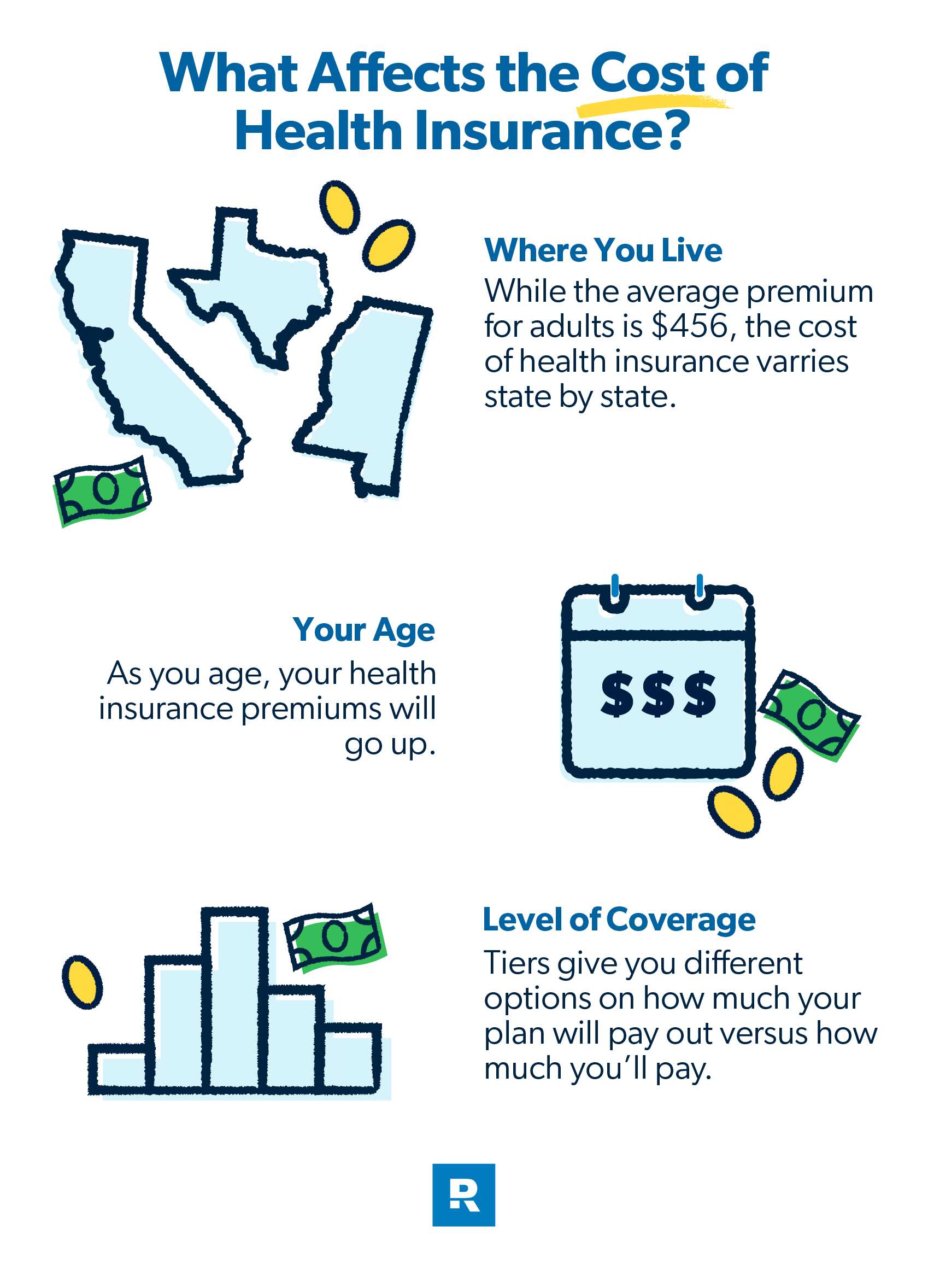
When it comes to most types of private insurance, particularly health and life insurance, your age is a significant determinant of your premium. Generally, as individuals age, their risk of developing health conditions increases, leading to higher premiums. Similarly, your current health status and medical history play a critical role. For health insurance, while the Affordable Care Act (ACA) prevents insurers from denying coverage or charging more based on pre-existing conditions, factors like smoking status can still influence premiums. For life insurance, a history of serious illness or chronic conditions will almost certainly lead to higher premiums, or even denial of coverage in some cases, as it signals a higher risk to the insurer. Lifestyle choices, such as engaging in high-risk hobbies, can also impact premiums for certain types of insurance, like disability or travel insurance.
Location, Location, Location
Where you live significantly impacts the cost of private insurance. This is true for health, auto, and home insurance. For health insurance, premiums can vary widely by state, county, and even zip code due to differences in state regulations, the cost of healthcare services in a particular area (e.g., higher labor costs for medical professionals or higher real estate costs for hospitals), the number of insurance providers in the market, and local population health statistics. For auto insurance, factors like local accident rates, crime rates, repair costs, and even traffic density can cause premiums to fluctuate from one region to another. Similarly, home insurance premiums are influenced by local weather patterns (e.g., hurricane zones, earthquake-prone areas), crime rates, and proximity to fire departments.
Type of Private Insurance Plan
The specific type and scope of the insurance plan you choose are paramount in determining its cost.
- Health Insurance: This category alone offers a multitude of plan types, each with its own cost structure.
- HMO (Health Maintenance Organization): Typically has lower premiums and out-of-pocket costs but requires you to choose a primary care physician (PCP) who refers you to specialists within a specific network.
- PPO (Preferred Provider Organization): Offers more flexibility, allowing you to see specialists without a referral and often providing some coverage for out-of-network care (though at a higher cost). Premiums are generally higher than HMOs.
- EPO (Exclusive Provider Organization): A hybrid, often requiring you to stay within the network like an HMO but not always requiring a PCP referral.
- POS (Point of Service): Combines elements of HMOs and PPOs.
- High-Deductible Health Plans (HDHPs): Characterized by lower premiums but higher deductibles. These are often paired with Health Savings Accounts (HSAs), which allow pre-tax contributions for medical expenses.
- Other Private Insurance:
- Life Insurance: Term life (coverage for a specific period) is generally much cheaper than whole life (coverage for your entire life), which also builds cash value.
- Auto Insurance: Costs depend on coverage levels (liability, collision, comprehensive), vehicle type, driving history, and usage.
- Homeowners Insurance: Influenced by the value of the home, construction materials, coverage limits, and chosen deductibles.
- Disability Insurance: Premiums depend on your income, occupation (risk level), waiting period, and benefit period.
Coverage Level and Add-ons
The more comprehensive your coverage, the higher the cost. Basic insurance policies designed to cover catastrophic events will naturally have lower premiums than those that include a wide array of benefits and lower cost-sharing. For instance, a health plan covering only essential health benefits will be cheaper than one with extensive prescription drug coverage, mental health services, and rehabilitative care. Similarly, adding riders or endorsements to policies, such as critical illness riders on life insurance, expanded flood coverage on home insurance, or roadside assistance on auto insurance, will increase the overall premium. Each additional layer of protection or enhanced benefit comes with an associated cost, reflecting the increased risk the insurer undertakes.

Navigating the Market and Comparing Options
The private insurance market can feel overwhelming due to the sheer volume of choices and variables. However, a strategic approach to comparison shopping is essential to finding the right balance of coverage and cost.
Employer-Sponsored vs. Individual Market
For many individuals, the first stop for private insurance is through an employer. Employer-sponsored plans often come with significant advantages: employers typically subsidize a portion of the premiums, leading to lower out-of-pocket costs for employees, and these plans often offer a wider range of benefits and lower deductibles due to group purchasing power.
However, if you are self-employed, work for a small business without benefits, or your employer’s plan doesn’t meet your needs, the individual market is your alternative. In the U.S., the Affordable Care Act (ACA) marketplace (healthcare.gov or state exchanges) is the primary avenue for individual health insurance. Here, you can compare plans side-by-side, and many individuals are eligible for premium tax credits (subsidies) based on their income, which can significantly reduce monthly costs. Understanding your eligibility for these subsidies is crucial for accurately assessing the affordability of individual market plans.
Utilizing Online Comparison Tools and Brokers
The digital age has made comparing insurance plans much more accessible. Numerous online comparison websites allow you to input your details and receive quotes from multiple insurers simultaneously for auto, home, and even life insurance. For health insurance, the ACA marketplace serves as a powerful comparison tool. These platforms can save significant time and help you identify competitive rates.
Beyond online tools, licensed insurance brokers can be invaluable resources, especially for complex insurance needs like business liability, specialized health plans, or comprehensive financial planning. Brokers work with multiple insurance companies and can provide personalized advice, explain policy nuances, and help you find plans that best fit your unique situation and budget. They can also advocate on your behalf during the application process or if issues arise.
Understanding the Fine Print: What’s Included (and Excluded)?
Perhaps the most critical step in navigating the insurance market is diligently reviewing the policy documents. The summary of benefits and coverage (SBC) for health plans, or the policy declarations page for other insurance types, outlines exactly what is covered, what the cost-sharing amounts are, and, just as importantly, what is excluded.
Pay close attention to details such as:
- Network restrictions: For health plans, ensure your preferred doctors and hospitals are in-network to avoid higher out-of-network costs.
- Formularies: If prescription drugs are important, check the plan’s formulary (list of covered drugs) to ensure your medications are included and at what tier level.
- Waiting periods: Some policies, especially disability or dental plans, may have waiting periods before certain benefits become active.
- Coverage limits and exclusions: Understand the maximum payouts for specific incidents or services, and be aware of any scenarios explicitly excluded from coverage (e.g., acts of war, certain cosmetic procedures, pre-existing conditions for some types of non-ACA plans).
A thorough understanding of these details prevents unwelcome surprises and ensures the policy genuinely meets your needs.
Strategies to Manage and Potentially Lower Your Private Insurance Costs
While many factors influencing insurance costs are beyond your control, there are proactive steps you can take to manage and potentially reduce your premiums and overall out-of-pocket expenses.
Optimizing Your Plan Choice
The most impactful strategy often lies in carefully selecting the right plan for your individual or family needs. This involves a crucial balancing act:
- Assess your anticipated usage: If you anticipate frequent doctor visits or have chronic conditions, a plan with a higher premium but lower deductible and co-pays might be more cost-effective in the long run. Conversely, if you are generally healthy and only expect routine preventive care, a high-deductible health plan (HDHP) with lower premiums could save you money, especially if paired with a Health Savings Account (HSA). HSAs offer a triple tax advantage: contributions are tax-deductible, earnings grow tax-free, and withdrawals for qualified medical expenses are tax-free.
- Match coverage to risk: For auto or home insurance, evaluate the value of your assets against the cost of comprehensive coverage. You might consider increasing your deductible to lower premiums if you have sufficient emergency savings to cover the higher upfront cost in case of a claim. For life insurance, choose a term length and coverage amount that aligns with your financial obligations (e.g., mortgage, dependents’ education) rather than over-insuring.
Leveraging Wellness Programs and Discounts
Many insurance companies, particularly for health and auto insurance, offer incentives for healthy behaviors or safe practices.
- Health Insurance: Some insurers provide discounts or rewards for participating in wellness programs, quitting smoking, or demonstrating consistent exercise. These programs not only potentially reduce your premiums but also encourage a healthier lifestyle, which can further lower long-term healthcare costs.
- Auto Insurance: Many providers offer discounts for safe drivers, good students, bundling multiple policies (e.g., auto and home), or installing telematics devices that monitor driving habits.
- Home Insurance: Installing security systems, smoke detectors, or making home improvements that mitigate risk (e.g., storm shutters) can often lead to premium reductions. Always inquire about available discounts when shopping for a policy.
Regular Review and Adjustment
Insurance needs are not static; they evolve with life changes. It’s prudent to review your insurance policies annually, especially during open enrollment periods for health insurance or renewal periods for other policies.
- Life Events: Major life changes such as marriage, divorce, birth of a child, a child turning 26, a new job, or moving to a new area should prompt an immediate review of your policies. These events can trigger special enrollment periods and significantly alter your coverage needs and eligibility for subsidies.
- Market Changes: Insurance markets are dynamic. New providers may enter, existing ones may adjust their rates, and new plan options may become available. Regularly comparing your current policy against new offerings can ensure you’re still getting the best value for your money. Don’t be afraid to switch providers if a better offer arises that meets your coverage requirements.

Conclusion
The cost of private insurance is a multifaceted equation, shaped by personal demographics, health status, geographic location, and the specifics of the chosen policy. From the predictable monthly premiums to the less frequent but potentially significant deductibles, co-payments, and co-insurance, each component contributes to your overall financial outlay. While the task of understanding and managing these costs can seem daunting, a proactive and informed approach is paramount.
By dissecting the components of your policy, meticulously comparing options in the market, leveraging available tools and expert advice, and regularly reviewing your coverage, you can optimize your insurance portfolio. Private insurance is not merely an expense; it is a vital investment in your financial security and peace of mind, shielding you from the unpredictable financial burdens of life’s uncertainties. Taking the time to understand “how much does private insurance cost” for your specific situation empowers you to make wise decisions that protect your present and future.
aViewFromTheCave is a participant in the Amazon Services LLC Associates Program, an affiliate advertising program designed to provide a means for sites to earn advertising fees by advertising and linking to Amazon.com. Amazon, the Amazon logo, AmazonSupply, and the AmazonSupply logo are trademarks of Amazon.com, Inc. or its affiliates. As an Amazon Associate we earn affiliate commissions from qualifying purchases.