
Metal detectors, those ubiquitous gadgets found from beachcombing enthusiasts to professional archaeologists, are far more than just simple treasure-hunting tools. At their core, these devices leverage the principles of electromagnetism to identify the presence of metallic objects beneath the surface. While their most commonly perceived application is locating buried gold and silver, the scope of what a modern metal detector can reliably detect extends far beyond precious metals, encompassing a diverse range of metallic materials and even offering insights into their composition and depth. Understanding this broader capability is crucial for anyone considering purchasing or utilizing a metal detector, whether for hobbyist pursuits, professional investigations, or industrial applications.
The Electromagnetic Principles at Play
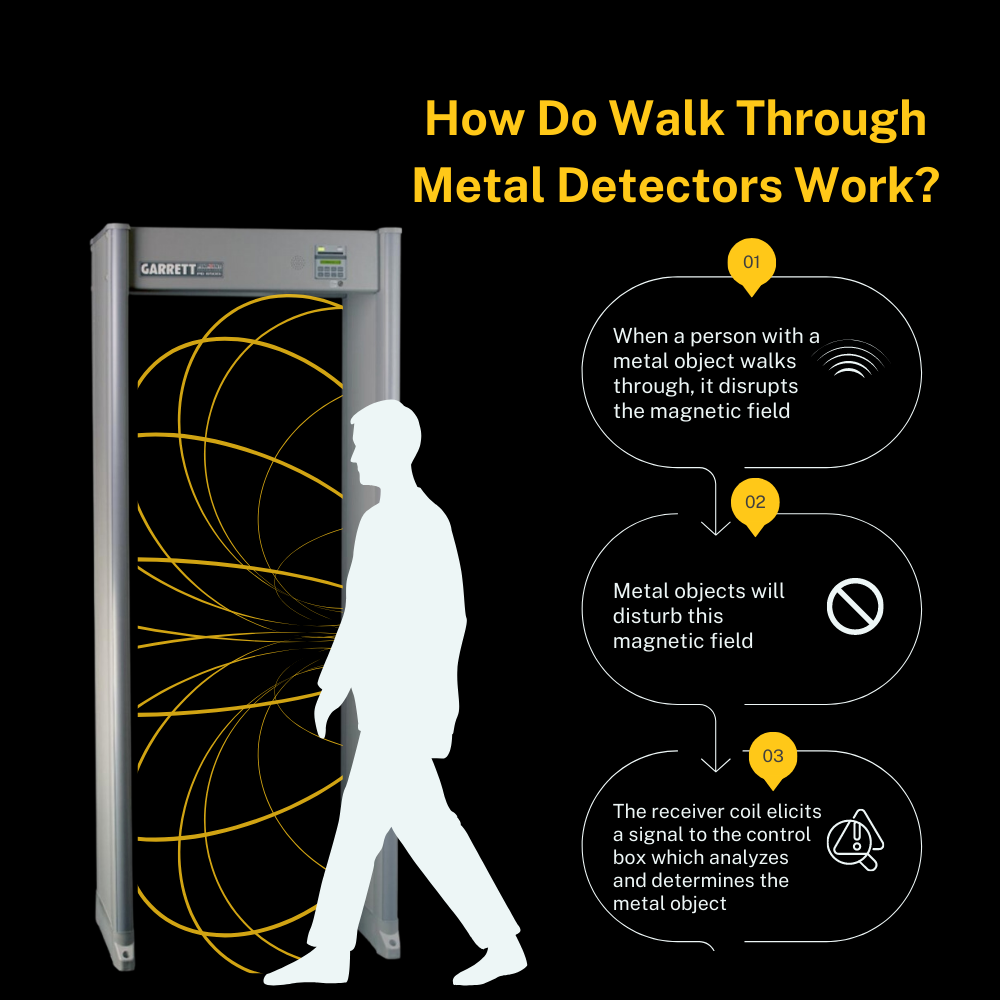
The fundamental operation of a metal detector hinges on the interaction between electromagnetic fields. All metal detectors operate on the same basic principle: they generate an electromagnetic field and then analyze how that field is affected by nearby metallic objects. This seemingly simple concept, however, is executed through various sophisticated technologies that differentiate the capabilities and sensitivities of different detectors.
Generating the Electromagnetic Field
At the heart of every metal detector is a transmitter coil. This coil, when energized by an electrical current, generates a magnetic field that extends outwards into the ground. The frequency and strength of this current, as well as the design of the coil itself, play significant roles in determining the detector’s performance. Different frequencies are better suited for detecting different types of metals and at different depths. For instance, lower frequencies tend to penetrate deeper into the ground but are less sensitive to small, shallow targets. Conversely, higher frequencies are excellent for detecting small, shallow objects like gold nuggets but have a more limited depth penetration.
The Search Coil and Induction
The second crucial component is the search coil, which typically contains a receiver coil. When the transmitted magnetic field encounters a metallic object, it induces a small electrical current within that object. This induced current, in turn, generates its own secondary magnetic field. The receiver coil in the search head is designed to detect this secondary magnetic field. When the receiver coil picks up this returning magnetic signal, it sends a pulse of information back to the control box of the metal detector.
Signal Processing and Interpretation
The control box is where the magic of interpretation happens. It amplifies the faint signal received from the search coil and processes it through complex circuitry. This processing allows the detector to distinguish between different types of metallic signals and, in more advanced models, even offer an indication of the target’s likely composition and depth. The interpretation of the signal is what ultimately translates into an audible tone or visual display that alerts the user to the presence of a metallic object. The sophistication of the signal processing algorithms directly correlates with the detector’s ability to discriminate between various metals and reject unwanted signals from iron or foil.
Beyond Precious Metals: A Spectrum of Detectable Targets
While the allure of gold and silver drives many into the world of metal detecting, it’s important to recognize that these devices are capable of detecting a much wider array of metallic substances. The conductivity and magnetic properties of a metal dictate how strongly it will interact with the detector’s electromagnetic field, and thus how readily it can be detected.
Ferrous Metals: The Most Readily Detected
Ferrous metals, those containing iron, are generally the easiest for most metal detectors to find. This is due to their strong magnetic properties. Common examples include iron and steel. While this makes them easy to detect, it also means that many detectors will produce a strong signal from rusty nails, old farm equipment, or even bottle caps. Many detectors incorporate “iron discrimination” settings that allow users to filter out these signals, focusing instead on more desirable targets. However, even with discrimination, some ferrous targets might still register, especially if they are large or very close to the surface.
Non-Ferrous Metals: Varying Degrees of Detectability
Non-ferrous metals, which do not contain iron, present a more varied detection profile. Their detectability depends heavily on their electrical conductivity.
- Copper: This highly conductive metal is readily detected by most metal detectors. This includes items like copper coins, old copper plumbing, and even copper jewelry. Its strong conductivity makes it a clear and strong signal for most devices.
- Aluminum: While less conductive than copper, aluminum is still easily detected. This is important for finding modern coins, aluminum foil, and certain types of jewelry. Some detectors can struggle to differentiate between aluminum and other targets, especially if they have similar conductivity values.
- Silver: As a highly conductive precious metal, silver registers as a strong target on virtually all metal detectors. This includes silver coins, silverware, and jewelry. Its conductivity places it high on the spectrum of detectability.
- Gold: Gold’s detectability varies depending on its purity and form. Pure gold is highly conductive and will produce a strong signal. However, gold alloys, which are common in jewelry (mixed with other metals like copper or silver to increase durability), can have varying conductivity. Smaller gold items, like nuggets or fine jewelry, require detectors with high sensitivity and often higher operating frequencies to be reliably found.
- Lead: Lead is moderately conductive and can be detected. This is relevant for finding old lead fishing weights, musket balls, or even lead seals.
- Brass and Bronze: These alloy metals, often found in historical artifacts, are also readily detectable due to their copper content and overall conductivity.
Exotic and Less Common Metals
Beyond the everyday metals, metal detectors can also identify less common metallic elements. While their detectability might be lower due to lower conductivity or smaller size, advanced detectors can still pick them up. This includes items made from:
- Platinum: Similar to gold, platinum is a precious metal with good conductivity, making it detectable.
- Titanium: While less conductive than many other metals, titanium can be detected by specialized, high-sensitivity detectors.
- Nickel: Nickel is a ferrous metal with magnetic properties, so it is generally detectable by most detectors.

Factors Influencing Detection Capabilities
The ability of a metal detector to find a specific item is not solely dependent on the metal itself. Several environmental and operational factors significantly influence its performance. Understanding these variables is key to maximizing your success and interpreting the signals you receive.
Depth of Burial
One of the most significant factors is how deep the metallic object is buried. The deeper an object is, the weaker its electromagnetic signature will be by the time it reaches the search coil. Detector manufacturers specify a maximum depth for their devices, but this is usually for larger, highly conductive targets in ideal soil conditions. Smaller targets or those buried deeper will require more sensitive detectors and careful sweeping techniques. Soil mineralization, which is the presence of naturally occurring minerals in the ground, can also affect depth penetration by creating background electromagnetic noise that masks faint target signals.
Size and Shape of the Target
Larger objects present a more substantial metallic mass, leading to a stronger induced current and a more easily detectable secondary magnetic field. Conversely, very small objects, like tiny gold flakes or thin wires, require highly sensitive detectors, often operating at higher frequencies, to be located. The shape of the object also plays a role; a flat coin will present a different signal than a spherical ball bearing of the same metal and mass.
Ground Conditions and Mineralization
The soil composition in which the metallic object is buried can significantly impact a metal detector’s performance. Highly mineralized soil, often found in areas with high concentrations of iron oxides, can create a “ground effect” that interferes with the detector’s ability to distinguish between the target’s signal and the soil’s signal. Many modern detectors feature ground balancing capabilities, allowing users to manually or automatically adjust the detector to ignore the mineralization and focus on metallic targets. Wet or salty soil can also present challenges, acting as a conductor and potentially causing false signals.
Detector Technology and Settings
The type of metal detector and its specific settings are paramount. Different technologies, such as Very Low Frequency (VLF) and Pulse Induction (PI) systems, have distinct strengths and weaknesses. VLF detectors are known for their discrimination capabilities, allowing users to filter out unwanted ferrous signals. PI detectors, on the other hand, excel in mineralized or saltwater conditions and are generally more sensitive to deeper targets, often at the expense of fine discrimination. User-adjustable settings like sensitivity, discrimination, and target ID (which attempts to identify the type of metal) play a crucial role in tailoring the detector’s performance to specific search environments and desired targets.
Practical Applications of Metal Detector Technology
The ability of metal detectors to reliably identify a wide range of metallic objects has led to their widespread adoption across various professional fields and specialized hobbyist pursuits. Beyond the popular hobby of searching for coins and relics, metal detectors are indispensable tools in industries where metallic object detection is critical for safety, efficiency, and regulatory compliance.
Security and Law Enforcement
In public spaces, airports, and government buildings, walk-through and handheld metal detectors are fundamental security screening tools. They are designed to detect concealed weapons and other metallic contraband, playing a vital role in public safety. Law enforcement agencies also utilize specialized detectors for crime scene investigations, searching for evidence such as shell casings, knives, or firearms.
Construction and Utilities
The construction industry benefits immensely from metal detectors. They are used to locate buried utility lines, such as water pipes, gas lines, and electrical conduits, before excavation. This prevents dangerous and costly accidents. Archaeologists extensively use metal detectors to survey sites for buried artifacts, identifying metallic objects without the need for disruptive digging. This allows for more targeted excavation and a less invasive approach to historical research.
Industrial and Quality Control
In manufacturing and recycling facilities, metal detectors are employed to ensure product purity and safety. They can be used to detect metallic contaminants in food processing, pharmaceutical production, or agricultural products, preventing recalls and ensuring consumer safety. In the scrap metal industry, detectors can help sort and identify different types of metals, aiding in recycling and resource management.

Environmental Remediation and Hazardous Material Detection
Metal detectors play a role in environmental cleanup efforts. They can be used to locate buried unexploded ordnance (UXO) in former military sites, ensuring the safety of reclamation workers and the public. They can also be used to identify buried metal drums or containers that might contain hazardous materials.
In conclusion, a metal detector’s capability extends far beyond the simplistic notion of finding buried treasure. By understanding the underlying electromagnetic principles, the spectrum of detectable metals, and the myriad factors influencing their performance, users can unlock the full potential of this versatile technology. From ensuring public safety to preserving historical artifacts and safeguarding industrial processes, the humble metal detector continues to be an invaluable tool in a surprisingly diverse range of applications.
aViewFromTheCave is a participant in the Amazon Services LLC Associates Program, an affiliate advertising program designed to provide a means for sites to earn advertising fees by advertising and linking to Amazon.com. Amazon, the Amazon logo, AmazonSupply, and the AmazonSupply logo are trademarks of Amazon.com, Inc. or its affiliates. As an Amazon Associate we earn affiliate commissions from qualifying purchases.