
The allure of 3D printing has captured imaginations for years, promising a future where we can materialize our digital designs with a flick of a switch. But beyond the futuristic pronouncements and the initial wave of hobbyist creations, what can a 3D printer really make? The answer, as it turns out, is a tapestry woven with threads of technological innovation, creative branding, and surprising financial opportunity. From highly specialized industrial components to personalized consumer goods and even potential income streams, 3D printing is far more than a novelty; it’s a potent tool reshaping how we design, manufacture, and even think about making.
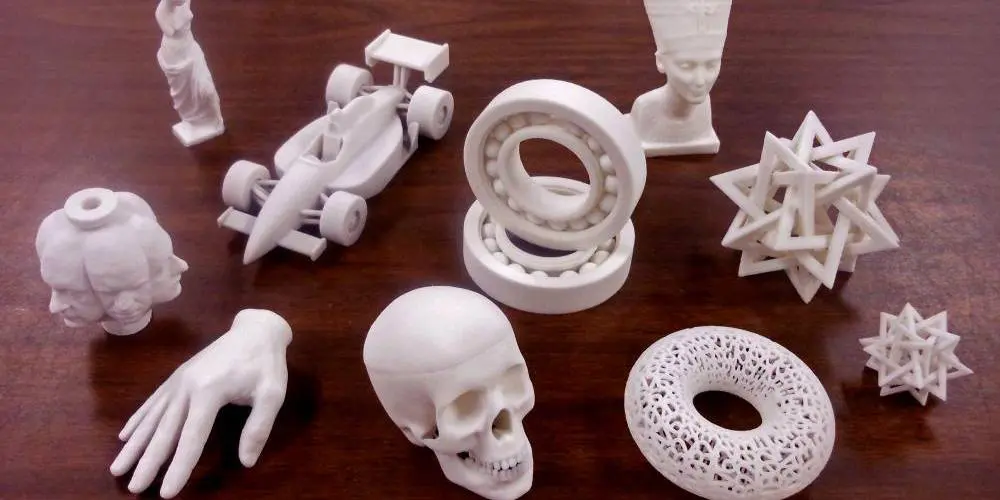
The core of 3D printing, or additive manufacturing as it’s more formally known, lies in its ability to build objects layer by painstaking layer. Unlike traditional subtractive manufacturing, which carves material away from a larger block, 3D printing adds material only where it’s needed. This fundamental difference unlocks a universe of possibilities, allowing for intricate geometries, customized designs, and on-demand production that was once unimaginable. This article will delve into the diverse applications of 3D printing, exploring its impact across technology, brand building, and the lucrative world of money-making ventures.
Revolutionizing Industries: The Technological Frontier of 3D Printing
The impact of 3D printing on various industries is nothing short of revolutionary. Its ability to create complex, customized parts quickly and cost-effectively is transforming traditional manufacturing processes and opening doors to entirely new technological advancements.
3D Printing in Product Design and Prototyping: From Concept to Reality in Hours
One of the most immediate and impactful applications of 3D printing lies in the realm of product design and rapid prototyping. Before the advent of affordable 3D printers, creating a physical prototype could be a time-consuming and expensive process, often involving manual crafting or costly machining. Today, designers and engineers can iterate on their ideas at an unprecedented pace.
- Accelerated Innovation Cycles: A designer can sketch an idea, translate it into a 3D model using CAD software, and have a tangible prototype in their hands within hours or days. This rapid feedback loop allows for quick identification of design flaws, ergonomic issues, or functional shortcomings. Multiple iterations can be produced and tested efficiently, significantly shortening the time from initial concept to a refined product ready for mass production.
- Complex Geometries and Functional Prototypes: Traditional manufacturing methods often struggle with creating highly complex internal structures or organic shapes. 3D printing excels in this area, allowing for the creation of lightweight yet strong components with internal lattice structures, intricate internal channels for fluid dynamics, or anatomically accurate medical models. These complex prototypes are not just for visual inspection; they can be fully functional, enabling real-world testing of performance and durability.
- Democratization of Design: The accessibility of desktop 3D printers has empowered individuals and small businesses to participate in the design and prototyping process. Students can bring their engineering projects to life, startups can create early-stage product samples without significant upfront investment, and independent inventors can test their groundbreaking ideas without relying on external manufacturing partners. This democratization fosters a more inclusive and innovative design landscape.
Advanced Manufacturing: Beyond Prototypes to Production
While prototyping remains a cornerstone, 3D printing has moved decisively into the realm of actual production, particularly for specialized applications where customization and intricate design are paramount.
- Aerospace and Automotive: The need for lightweight, high-strength components in these industries makes 3D printing an ideal solution. Parts like turbine blades, complex engine components, and custom interior elements can be printed with exotic materials like titanium and advanced polymers, reducing weight and improving fuel efficiency. The ability to print complex geometries also allows for the integration of multiple parts into a single printed component, reducing assembly time and potential failure points.
- Medical and Dental Innovations: The medical field has been a significant beneficiary of 3D printing. Patient-specific implants, prosthetics, surgical guides, and even biocompatible tissues are now being created using 3D printing technology. Surgeons can use 3D-printed models of a patient’s anatomy to plan complex procedures, reducing risks and improving outcomes. In dentistry, custom crowns, bridges, and aligners are being printed with high precision, offering personalized and efficient patient care.
- On-Demand and Distributed Manufacturing: 3D printing enables a shift towards on-demand manufacturing, reducing the need for large inventories and the associated warehousing costs. Parts can be printed only when they are needed, minimizing waste and lead times. This also facilitates distributed manufacturing, where production can occur closer to the point of use, reducing transportation costs and environmental impact. For spare parts, in particular, 3D printing offers the ability to produce obsolete or hard-to-find components, extending the lifespan of equipment.
Crafting Your Identity: 3D Printing and the Power of Branding
Beyond its industrial prowess, 3D printing offers a unique and powerful avenue for building and reinforcing brands, both personal and corporate. The ability to create tangible, bespoke items allows for memorable marketing, distinct product differentiation, and a deeper connection with customers.
Personalization as a Brand Differentiator: Making Your Mark Tangible
In a crowded marketplace, personalization is a key strategy for standing out. 3D printing excels at delivering customized products that resonate with individual consumers, thereby strengthening brand loyalty and creating unique brand experiences.
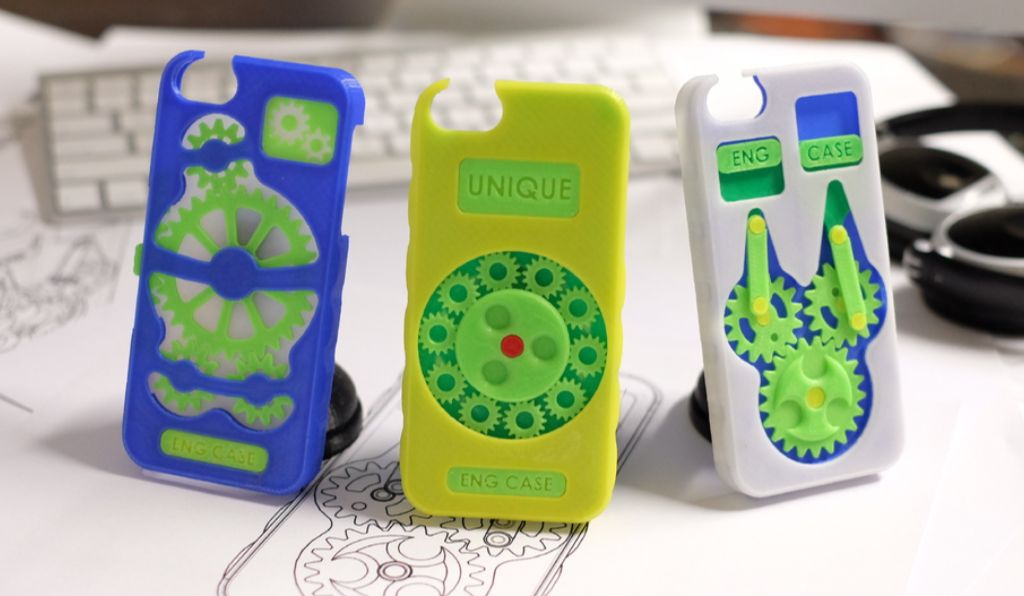
- Customized Consumer Goods: Imagine a customer receiving a phone case designed specifically for their grip and aesthetic preferences, or a piece of jewelry that incorporates their initials or a significant symbol. 3D printing makes this level of personalization accessible and scalable. Brands can offer customizable products, allowing consumers to co-create their items, fostering a sense of ownership and connection. This not only delights customers but also provides valuable insights into their preferences.
- Promotional Items with Impact: Traditional promotional items often end up in drawers. 3D-printed promotional items, however, can be more functional, unique, and memorable. A company could offer custom-designed desk organizers, unique keychains, or even miniature replicas of their products. These items serve as constant reminders of the brand and showcase its innovative spirit and attention to detail.
- Brand Storytelling through Design: The very act of designing and producing a 3D-printed item can tell a brand’s story. A company focused on sustainability might use recycled filament for their 3D prints, highlighting their commitment to environmental responsibility. A luxury brand might use high-end materials and intricate designs to convey exclusivity and craftsmanship. The physical manifestation of the brand’s values through a 3D-printed object creates a powerful and lasting impression.

Enhancing Corporate Identity and Marketing Collateral
For businesses, 3D printing can elevate corporate identity and marketing efforts, making them more impactful and visually compelling.
- Unique Product Prototypes and Mock-ups: As discussed earlier, 3D printing is invaluable for prototyping. However, it also extends to creating stunning, high-fidelity mock-ups for marketing campaigns, investor presentations, or trade shows. These physical representations can showcase product features and design aesthetics far more effectively than digital renderings alone.
- Bespoke Retail Displays and Signage: Creating eye-catching in-store displays or unique signage can be a challenge with traditional methods. 3D printing allows for the creation of custom fixtures, logos, and informational displays that perfectly align with a brand’s visual identity, enhancing the overall retail experience and reinforcing brand recognition.
- Creating Experiential Marketing Opportunities: Brands can leverage 3D printing to create interactive experiences for their customers. This could involve setting up 3D printing stations at events where attendees can design and print small items, or creating immersive installations where 3D-printed elements tell a brand’s narrative. These engaging experiences forge stronger emotional connections with the brand.
Turning Pixels into Profit: The Financial Landscape of 3D Printing
The ability to create and customize has naturally spilled over into the realm of making money. 3D printing presents a diverse array of opportunities for individuals and businesses to generate income, from selling custom products to offering design and printing services.
Monetizing Your Designs: From Hobbyist to Entrepreneur
For those with a creative spark and technical aptitude, 3D printing offers a direct path to entrepreneurship, allowing them to transform their ideas into revenue.
- Selling Custom Products Online: The most straightforward way to monetize 3D printing is by selling unique, custom-designed products. Platforms like Etsy, Shopify, and even dedicated 3D printing marketplaces allow creators to showcase and sell their wares. This can range from functional items like phone accessories and desk organizers to artistic pieces, cosplay props, or niche hobbyist components.
- Print-on-Demand Services for Designers: Many designers have incredible ideas but lack the resources or desire to own and operate 3D printers. This creates a demand for print-on-demand services. Designers can upload their models to platforms that connect them with individuals or businesses who will then print and ship the product, earning a commission on each sale. This model democratizes product creation and allows designers to focus on what they do best.
- Subscription Boxes and Niche Markets: Identifying a niche market and offering a subscription box of 3D-printed items can be a lucrative venture. For example, a subscription for tabletop gaming miniatures, educational science models, or unique home decor items can build a loyal customer base and provide a predictable revenue stream.
Offering 3D Printing Services: A Business Opportunity in Itself
Beyond creating and selling your own designs, the infrastructure and expertise involved in 3D printing can be a business in itself, serving a broad range of clients.
- Local 3D Printing Bureaus: For individuals and small businesses who need a part printed but don’t own a printer, local 3D printing services are invaluable. These bureaus offer a range of printing technologies and materials, catering to diverse needs from rapid prototyping to small-batch production.
- Specialized Design and Printing Services: Companies can specialize in offering design services alongside 3D printing. This could include product design for startups, reverse engineering existing parts, or creating complex architectural models. By offering a comprehensive solution, these businesses can command higher prices and attract a wider client base.
- Educational Workshops and Training: As 3D printing technology becomes more mainstream, there’s a growing demand for education and training. Offering workshops on CAD software, 3D printer operation, and design principles can be a profitable venture, particularly for schools, community centers, or even as corporate training.
Investing in the Future: The Financial Upside of 3D Printing Technologies
For those looking at a broader financial perspective, the 3D printing industry itself presents investment opportunities.
- Investing in 3D Printing Companies: The growth trajectory of 3D printing companies, from printer manufacturers and material suppliers to software developers, offers potential for investors. Understanding the market trends and identifying innovative companies within the ecosystem can lead to significant returns as the technology continues to mature and expand.
- Developing and Licensing 3D Printing Software and AI Tools: The software that powers 3D printing, including CAD programs and slicing software, is constantly evolving. Developing user-friendly and powerful software solutions, or leveraging AI to optimize designs and printing processes, can create valuable intellectual property that can be licensed or sold.
The Future is Additive: Embracing the Potential of 3D Printing
From the tangible creation of intricate components that drive technological advancement, to the potent ability to craft unique brand experiences, and the myriad of financial opportunities it unlocks, 3D printing is no longer a distant dream but a present-day reality with a rapidly expanding future. As the technology continues to evolve, becoming more accessible, affordable, and capable, its potential to shape our world will only continue to grow. Whether you’re a designer looking to bring your ideas to life, a business aiming to innovate its branding, or an entrepreneur seeking new avenues for profit, understanding what a 3D printer can make is the first step towards harnessing its transformative power. The era of additive manufacturing has arrived, and its creations are poised to redefine what’s possible across every facet of our lives.
aViewFromTheCave is a participant in the Amazon Services LLC Associates Program, an affiliate advertising program designed to provide a means for sites to earn advertising fees by advertising and linking to Amazon.com. Amazon, the Amazon logo, AmazonSupply, and the AmazonSupply logo are trademarks of Amazon.com, Inc. or its affiliates. As an Amazon Associate we earn affiliate commissions from qualifying purchases.