
When you think about the ideal feline companion, the image that often springs to mind is a purring ball of affection, eager for cuddles and always happy to be in your presence. But the question of which cat breed is inherently the friendliest is a complex one, and surprisingly, it can be approached from angles that intersect with the very topics our website explores: Tech, Brand, and Money. While your personal experiences and individual cat personalities will always play the biggest role, understanding breed predispositions, marketing influences, and even the financial implications of ownership can shed light on what makes a cat seem “friendliest.”
Beyond the Purr: Deconstructing Feline Friendliness
The concept of “friendliness” in cats is multifaceted. It’s not just about their willingness to be petted; it encompasses their sociability towards humans, other animals, their playfulness, their vocalizations, and their general demeanor. While many believe breed plays a significant role, it’s crucial to remember that genetics are only one piece of the puzzle. Environment, early socialization, and individual personality are equally, if not more, impactful.
Breed Tendencies: A Statistical Snapshot
Some breeds are consistently cited for their outgoing and affectionate natures. These are often the breeds that have been selectively bred for companionship for generations.
The Social Butterflies: Breeds Known for Their Affectionate Nature
-
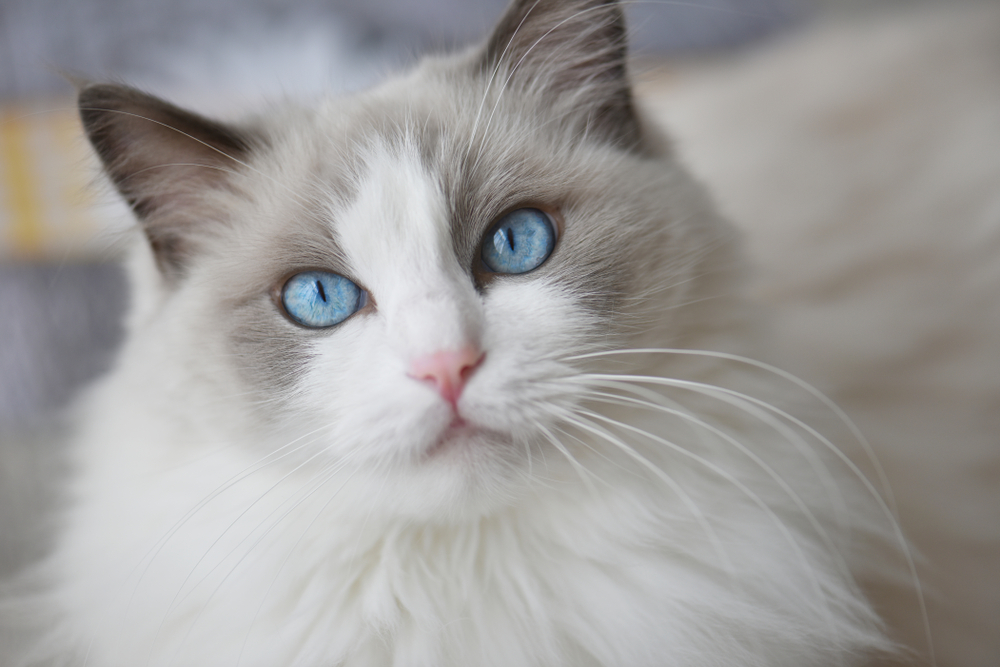
Ragdoll: Often described as “puppy-like” due to their docile and affectionate nature, Ragdolls are known to go limp when picked up, hence their name. They crave human interaction and are typically very tolerant of children and other pets. Their placid temperament makes them a top contender for the “friendliest” title.
-
Siamese: These intelligent and vocal cats are renowned for their strong bond with their owners. Siamese cats are highly social and often described as “people-oriented,” actively seeking out attention and enjoying being involved in family activities. Their distinctive meow can often be interpreted as communication, further cementing their interactive nature.
-
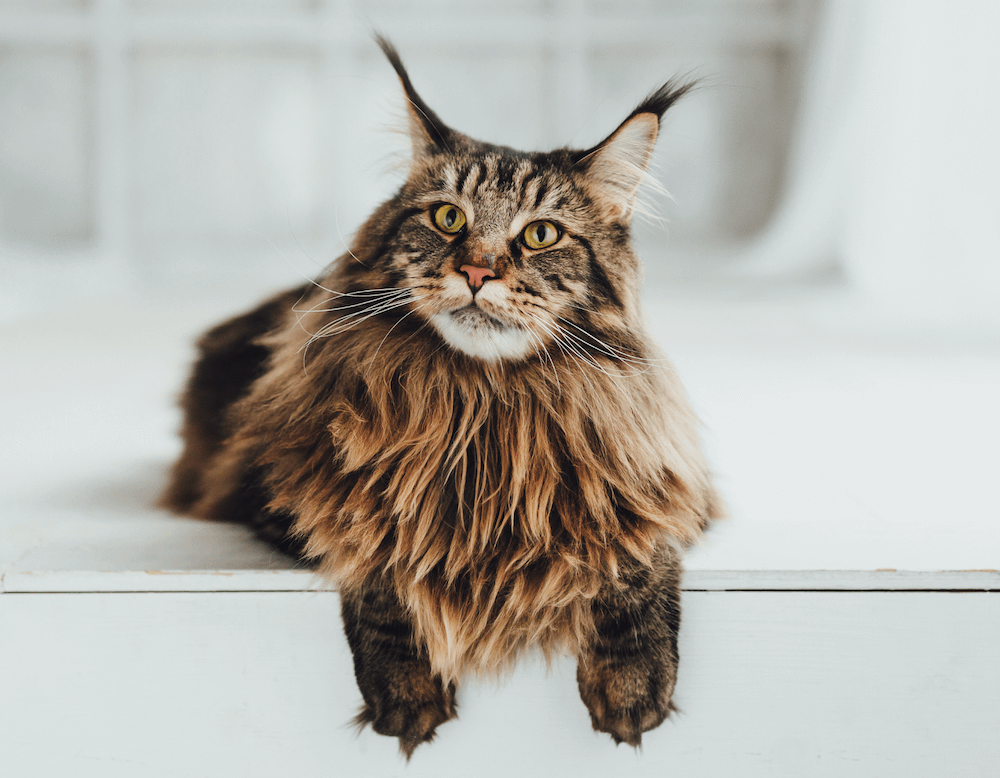
Maine Coon: The “gentle giants” of the cat world, Maine Coons are known for their playful, intelligent, and friendly disposition. Despite their large size, they are remarkably gentle and form deep bonds with their families, often enjoying the company of children and other animals.
-
Abyssinian: Energetic and curious, Abyssinians are highly social cats who love to play and explore. They are often described as being “people cats” who enjoy being involved in everything their humans do. Their intelligence and need for mental stimulation make them engaging companions.
-
Sphynx: While their unique appearance might be the first thing people notice, Sphynx cats are incredibly affectionate and attention-seeking. They crave warmth and closeness, often cuddling with their owners to stay warm. Their lack of fur means they rely more on physical contact for comfort and to express affection.
-
American Shorthair: Known for their laid-back and adaptable personalities, American Shorthairs are generally good-natured and friendly. They are often a good choice for families as they tend to be patient and tolerant.
-
Birman: Similar to Ragdolls in their gentle nature, Birmans are devoted and affectionate cats. They are known for their striking blue eyes and soft, silky fur, and their loving disposition makes them wonderful companions.
The Role of Genetics vs. Environment
It’s vital to reiterate that these are general breed tendencies. A well-socialized stray cat can be far friendlier than a poorly socialized purebred. Early experiences, exposure to different people and animals, and the amount of positive interaction a kitten receives during its critical socialization period (roughly 2 to 7 weeks old) significantly shape its adult personality. A cat’s individual temperament, influenced by genetics but also by its unique life journey, will always be the most dominant factor in its friendliness.
The “Brand” of Friendliness: How Perception and Marketing Shape Expectations
In the world of technology and business, we often talk about “brand.” This concept of brand extends, in a way, to cat breeds. Certain breeds have cultivated a “brand” of friendliness through consistent portrayal in media, breeder promotion, and word-of-mouth. This isn’t to say these brands are false, but rather that they are amplified and reinforced.
Crafting the Companion Cat Persona
Breeders and breed associations play a significant role in shaping the perception of a breed’s friendliness. Through careful selection of breeding stock known for good temperaments and by providing early socialization for kittens, they aim to produce cats that align with the breed’s established reputation.
Marketing the “Ideal” Pet:

-
Visual Appeal and Storytelling: Think about how Ragdolls are consistently depicted as cuddly, laid-back creatures. This visual and narrative reinforcement creates an expectation of a friendly cat. Similarly, the regal yet gentle image of the Maine Coon or the intelligent sparkle of the Siamese are powerful branding elements.
-
The “Designer” Pet Phenomenon: In the tech world, we see trends in software and gadgets. Similarly, certain cat breeds gain popularity, becoming “designer pets.” This popularity can be fueled by celebrity ownership, social media trends, or their consistent presence in positive media portrayals.
-
Information Dissemination: Websites, forums, and social media groups dedicated to specific breeds often highlight the positive traits, including friendliness. This creates a feedback loop where owners share their positive experiences, further solidifying the breed’s reputation.
The “Unbranded” Cat: The Shelter Advantage
It’s important not to overlook the incredible friendliness found in cats without a pedigree. Mixed-breed cats, often referred to as “moggies” or domestic shorthairs/longhairs, make up the majority of cats in shelters. While they might not have a pre-established “brand” of friendliness, their individual personalities are often incredibly warm and loving. Shelters and rescue organizations often have a deep understanding of each cat’s temperament, making them excellent resources for finding a truly friendly companion. Their “brand” is one of resilience and unconditional love, often a result of overcoming past challenges.
The “Money” of Friendliness: Financial Considerations of Owning a Companion Cat
The decision to bring a cat into your life is also a financial one. While the initial cost of acquiring a cat can vary, the ongoing expenses, and how they might relate to a “friendlier” breed, are worth considering.
Cost of Acquisition and Ongoing Care
Purebred cats, especially those from reputable breeders, can command higher prices. This is often due to the costs associated with maintaining breeding lines, health testing, and ensuring the well-being of the parent cats and kittens.
Investment in Affection:
-
Initial Purchase Price: A Ragdoll or Maine Coon kitten from a reputable breeder can cost anywhere from $1000 to $3000 or more. This initial investment is often seen as a commitment to acquiring a cat with a high likelihood of possessing desirable traits like friendliness.
-
Health and Genetics: Breeds known for their friendliness might also be subject to breed-specific health concerns. While not directly related to friendliness, understanding these potential issues and their associated veterinary costs is part of the financial picture. Responsible breeders will invest in genetic testing to mitigate these risks, which is reflected in the kitten’s price.
-
Everyday Expenses: Regardless of breed, all cats require food, litter, veterinary care (including vaccinations, flea/tick/worm prevention, and potential emergency visits), toys, and grooming supplies. These ongoing costs are essential for any cat’s well-being and contribute to their overall happiness and therefore, their perceived friendliness.
The Value Proposition: Friendliness as a Return on Investment
While it might sound transactional, the “friendliness” of a cat can be seen as a significant return on your investment of time, money, and emotional energy. A friendly cat provides companionship, reduces stress, and brings joy into your home. This emotional return is often priceless, but understanding the financial commitment helps in making an informed decision.
Beyond the Purchase Price:
-
Adoption vs. Breeder: Adopting a cat from a shelter is a significantly more affordable option, often costing a fraction of the price of a purebred. The “value” here lies in giving a deserving animal a loving home, and the friendliness you receive in return is immeasurable.
-
Long-Term Health and Happiness: Investing in a well-bred kitten from a responsible breeder, even at a higher initial cost, can sometimes lead to fewer breed-specific health issues down the line, potentially saving on long-term veterinary bills. This proactive approach contributes to a healthier, happier, and therefore, potentially friendlier cat.
-
The “Tech” of Pet Care: Just as we leverage technology for productivity and security, there are now “tech” solutions for pet owners. Smart feeders can help manage diets, activity trackers can monitor a cat’s health and playfulness, and even apps can help schedule vet appointments. While these don’t directly influence breed friendliness, they can contribute to a well-managed and harmonious pet ownership experience, which can foster a more positive environment for a friendly cat to thrive in.
Conclusion: The Friendliest Cat is the One You Love
Ultimately, the question of “what breed of cat is friendliest” doesn’t have a single, definitive answer. While certain breeds may have a genetic predisposition towards being more social and affectionate, the most crucial factors remain individual personality, early socialization, and the love and care you provide.
By considering the various facets of breed tendencies, the influence of “brand” perception, and the financial realities of pet ownership, we can gain a more nuanced understanding of feline companionship. Whether you choose a purebred with a reputation for being a social butterfly or open your heart to a mixed-breed cat from a shelter, the friendliest cat will always be the one you connect with, the one you cherish, and the one who brings endless purrs and affection into your life.
aViewFromTheCave is a participant in the Amazon Services LLC Associates Program, an affiliate advertising program designed to provide a means for sites to earn advertising fees by advertising and linking to Amazon.com. Amazon, the Amazon logo, AmazonSupply, and the AmazonSupply logo are trademarks of Amazon.com, Inc. or its affiliates. As an Amazon Associate we earn affiliate commissions from qualifying purchases.