
The footwear industry in 2024 represents a fascinating intersection of heritage craftsmanship, aggressive digital marketing, and a shift in consumer psychology toward “investment-grade” fashion. For brand strategists and corporate identity experts, the question of “what boots are in style” is not merely about aesthetics; it is an exploration of how brands are repositioning themselves in a volatile economic climate. This year, the dominant trends in boots are being driven by three distinct strategic pillars: the “Quiet Luxury” movement, the institutionalization of “Gorpcore” utility, and the revival of heritage-based storytelling.

To understand the 2024 landscape, one must look past the silhouette of the shoe and into the brand narrative. Consumers are increasingly rejecting fast-fashion disposability in favor of brands that offer a clear value proposition, ethical transparency, and long-term style viability.
The Strategic Shift Toward Quiet Luxury and Minimalist Branding
The most significant movement in 2024 is the continued dominance of “Quiet Luxury,” a brand strategy that prioritizes high-quality materials and understated design over overt logos. This trend has fundamentally altered the boot market, pushing brands to focus on silhouette and texture as their primary identifiers.
The Rise of the Refined Chelsea and Riding Boot
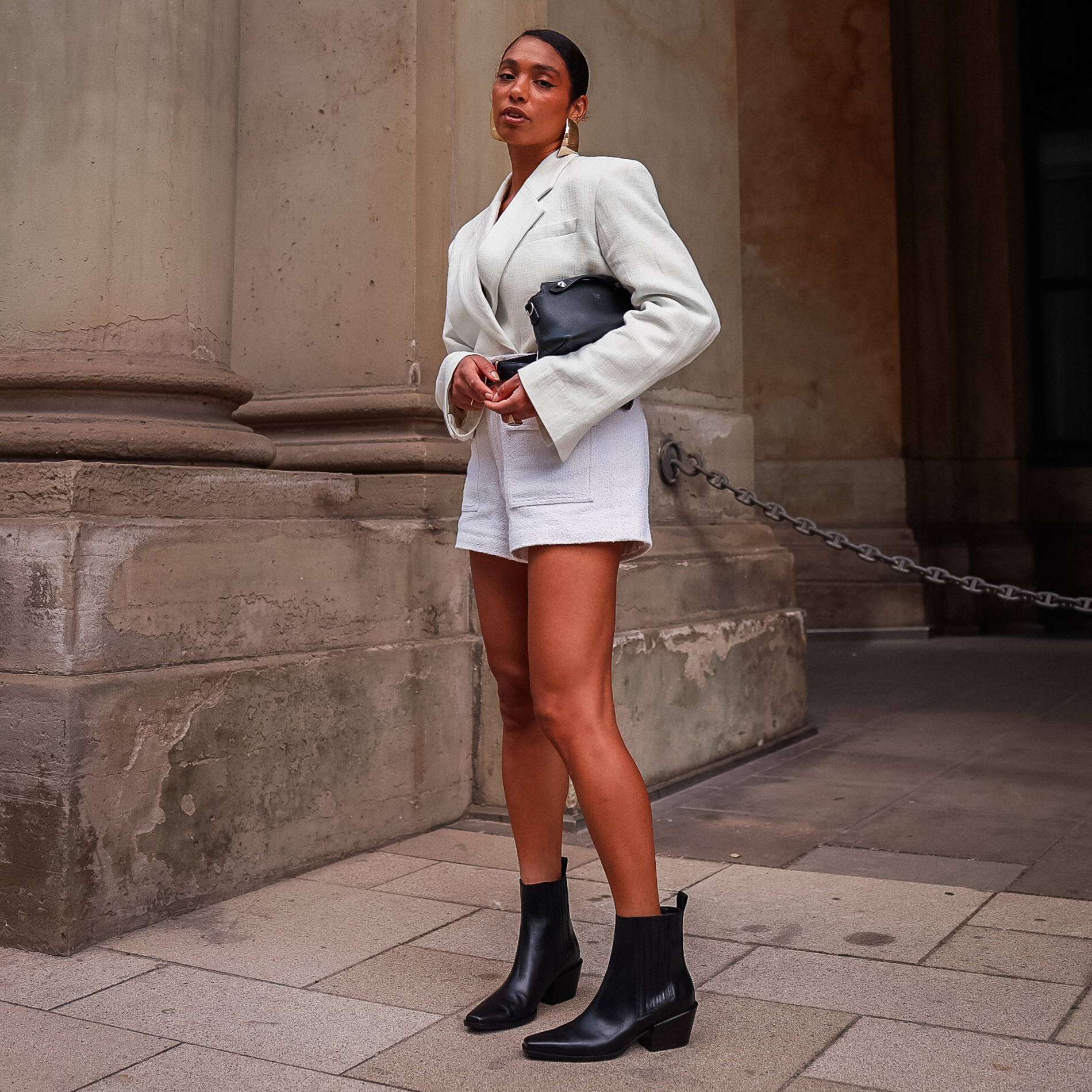
In 2024, the Chelsea boot has been reimagined through the lens of extreme minimalism. Brands like The Row and Khaite have led this charge, removing all unnecessary ornamentation to focus on the “architectural integrity” of the footwear. This is a strategic move to appeal to the high-net-worth consumer who views fashion as a stealthy signal of status rather than a loud declaration. The sleek, elongated toe and the subtle elevation of the heel serve as the “signature,” replacing the traditional monogram.
Similarly, the resurgence of the riding boot reflects a brand pivot toward “equestrian heritage.” Brands are leveraging the historical associations of horse riding—wealth, discipline, and tradition—to build a brand identity that feels timeless. By focusing on polished leathers and structured shafts, these brands are positioning their products as “forever pieces,” a key marketing tactic used to justify premium price points during periods of inflation.
Materiality as a Brand Asset
In a market devoid of logos, the material becomes the brand. In 2024, we see a surge in textured suedes, buttery nappa leathers, and exotic (often vegan or lab-grown) skins. For a brand, the touch and durability of the leather are now central to its marketing collateral. This focus on materiality allows brands to build a reputation for quality that transcends seasonal trends, fostering long-term brand loyalty.
The Institutionalization of Gorpcore: Utility as Lifestyle
What began as a niche interest in technical outdoor gear has, in 2024, become a cornerstone of corporate brand strategy in the footwear sector. “Gorpcore”—the adoption of functional hiking and trekking gear for urban use—has forced traditional fashion houses to integrate technical performance into their brand DNA.
Technical Performance as a Brand Value
Brands such as Salomon, Arc’teryx, and Moncler have successfully positioned “technicality” as a luxury attribute. The 2024 boot trends feature heavy lug soles, Gore-Tex integration, and speed-lacing systems. From a brand strategy perspective, this is a masterclass in “Utility Positioning.” These brands aren’t just selling a boot; they are selling the capability of the wearer. Even if the consumer never leaves the city, the brand identity promises resilience and preparedness.
This trend has also led to high-profile collaborations, such as those between luxury houses and heritage outdoor brands. These partnerships allow luxury brands to borrow “technical credibility” while providing the outdoor brands with “aesthetic prestige.”
The Evolution of the “Workwear” Narrative
The 2024 market is also seeing a massive resurgence in traditional work boots, spearheaded by the strategic “cool-factor” revitalization of brands like Timberland and Red Wing. This is not just a trend; it is a calculated move to tap into the “authenticity” economy. By leaning into their history of providing gear for the American laborer, these brands are appealing to a younger demographic that values heritage and “rugged individualism.” The “Yellow Boot” is no longer just a tool; it is a brand icon that represents a specific cultural intersection of 90s nostalgia and modern utilitarianism.
Heritage Revival and the “Biker Boot” Phenomenon
As the digital landscape becomes increasingly saturated with ephemeral trends, many brands are looking backward to find a stable identity. The “Biker Boot” or “Engineer Boot” has emerged as the standout trend of 2024, driven by a desire for “Rebellious Heritage.”
Leveraging Subcultural Capital
Brands like Miu Miu and Balenciaga have strategically adopted the hardware-heavy, distressed look of motorcycle boots to tap into “subcultural capital.” For a brand, this is a way to inject edge and “street-cred” into a luxury portfolio. The heavy buckles, square toes, and weathered leather signal a defiance against the polished perfection of the Quiet Luxury trend. By offering a “rugged” alternative, these brands are diversifying their market reach and appealing to consumers who want their fashion to tell a story of grit and adventure.
The Longevity of the “Iconic” Silhouette
The success of the 2024 biker boot trend demonstrates the power of the “Iconic Silhouette” strategy. Brands that can claim a historical link to a specific style—like Dr. Martens with the combat boot—have a significant competitive advantage. In 2024, Dr. Martens has focused on “elevated classics,” introducing higher-quality “Made in England” lines. This strategy reinforces the brand’s identity as an original innovator while catering to a more discerning, quality-conscious consumer.
Market Dynamics: Sustainability and the Digital Lifecycle
Beyond aesthetics, the 2024 boot market is being shaped by two critical forces: the demand for environmental accountability and the velocity of the digital trend cycle.
Sustainability as a Corporate Identity
In 2024, sustainability is no longer a “nice-to-have” feature; it is a mandatory component of a brand’s corporate identity. Leading footwear brands are now incorporating bio-based materials, such as mushroom leather (Mylo) or recycled ocean plastics, into their core collections. From a marketing perspective, this is “Ethical Differentiation.” Brands that can prove a transparent supply chain and a reduced carbon footprint are winning the trust of Gen Z and Millennial consumers, who are notoriously skeptical of traditional corporate narratives.
Furthermore, the “repairability” of a boot has become a key selling point. Brands like RM Williams and Paraboot emphasize that their boots are Goodyear-welted, meaning they can be resoled and worn for decades. This “Circular Strategy” aligns the brand with the growing anti-consumption movement, paradoxically making the product more desirable as a high-value, one-time purchase.
Navigating the Viral Lifecycle
The speed at which a boot style goes from the runway to being “out of style” has accelerated due to platforms like TikTok and Instagram. This creates a challenge for brand managers: how do you maintain a consistent identity when trends move at light speed?
In 2024, the most successful brands are those that ignore “micro-trends” in favor of “macro-movements.” While a specific color or hardware detail might go viral for a month, the broader shift toward rugged utility or sleek minimalism provides a stable foundation for product development. Brands are now using social media not just to push products, but to build “communities of interest” around their core values, ensuring that their boots remain relevant long after the initial viral surge has faded.

Conclusion: The Strategic Outlook for Footwear Brands
The boot trends of 2024 reveal a footwear industry in a state of sophisticated evolution. We are seeing a move away from the “disposable” fashion of the previous decade and a return to brands that offer substance, history, and utility.
For a brand to succeed in this environment, it must master the balance between trend-responsiveness and core identity. Whether it is a luxury house embracing the “Quiet Luxury” ethos or a heritage workwear brand capitalizing on “Gorpcore” utility, the common thread is a commitment to a clear, authentic narrative.
As we look toward the remainder of the year and into 2025, the brands that will dominate the “style” conversation are those that treat their boots not just as footwear, but as a strategic extension of their brand’s values, craftsmanship, and promise to the consumer. In 2024, the boots that are truly “in style” are the ones that carry a brand story worth telling.
aViewFromTheCave is a participant in the Amazon Services LLC Associates Program, an affiliate advertising program designed to provide a means for sites to earn advertising fees by advertising and linking to Amazon.com. Amazon, the Amazon logo, AmazonSupply, and the AmazonSupply logo are trademarks of Amazon.com, Inc. or its affiliates. As an Amazon Associate we earn affiliate commissions from qualifying purchases.