
In the modern landscape of global media, few intellectual properties have achieved the meteoric rise and profound cultural resonance of the Australian animated series, Bluey. While ostensibly a children’s show, its success is a masterclass in brand strategy, emotional intelligence, and character-driven marketing. When fans ask, “What Bluey character are you?” they are participating in a sophisticated exercise of identity alignment—a concept central to personal branding and corporate strategy alike.
The brilliance of Bluey lies in its ability to personify distinct archetypes that resonate across demographics. By examining these characters through the lens of brand strategy, we can uncover how specific traits translate into professional identities, market positioning, and the development of a resilient corporate persona.
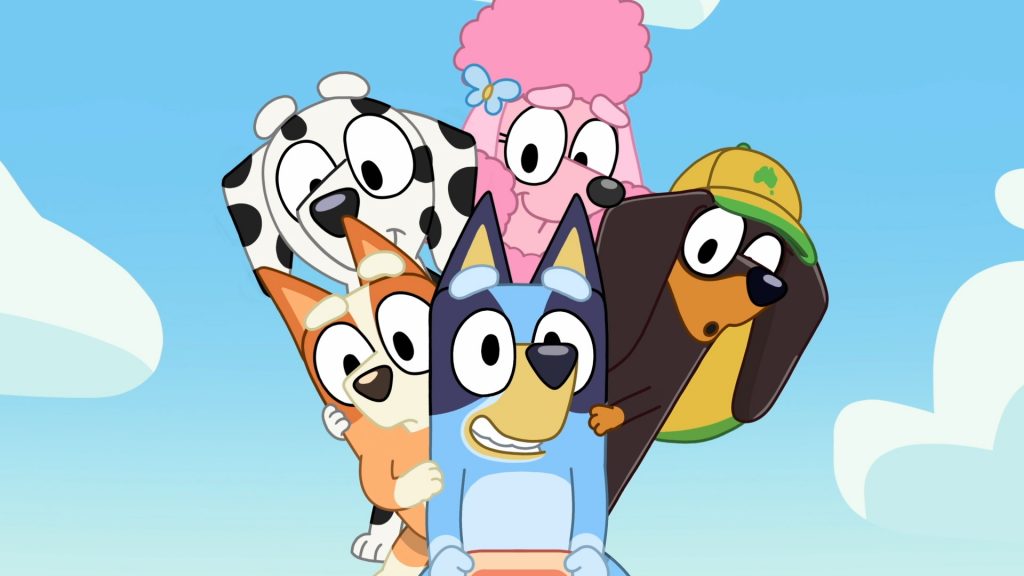
The Architecture of an Iconic Brand: Why Bluey Resonates Globally
Before identifying with a specific character, one must understand the structural integrity of the Bluey brand. Created by Joe Brumm and produced by Ludo Studio, the brand was built on a foundation of “radical authenticity.” In a marketplace saturated with hyper-stylized or overly didactic content, Bluey chose a visual and narrative path rooted in the relatable, the mundane, and the deeply human.
The Power of Visual Identity and Color Palette
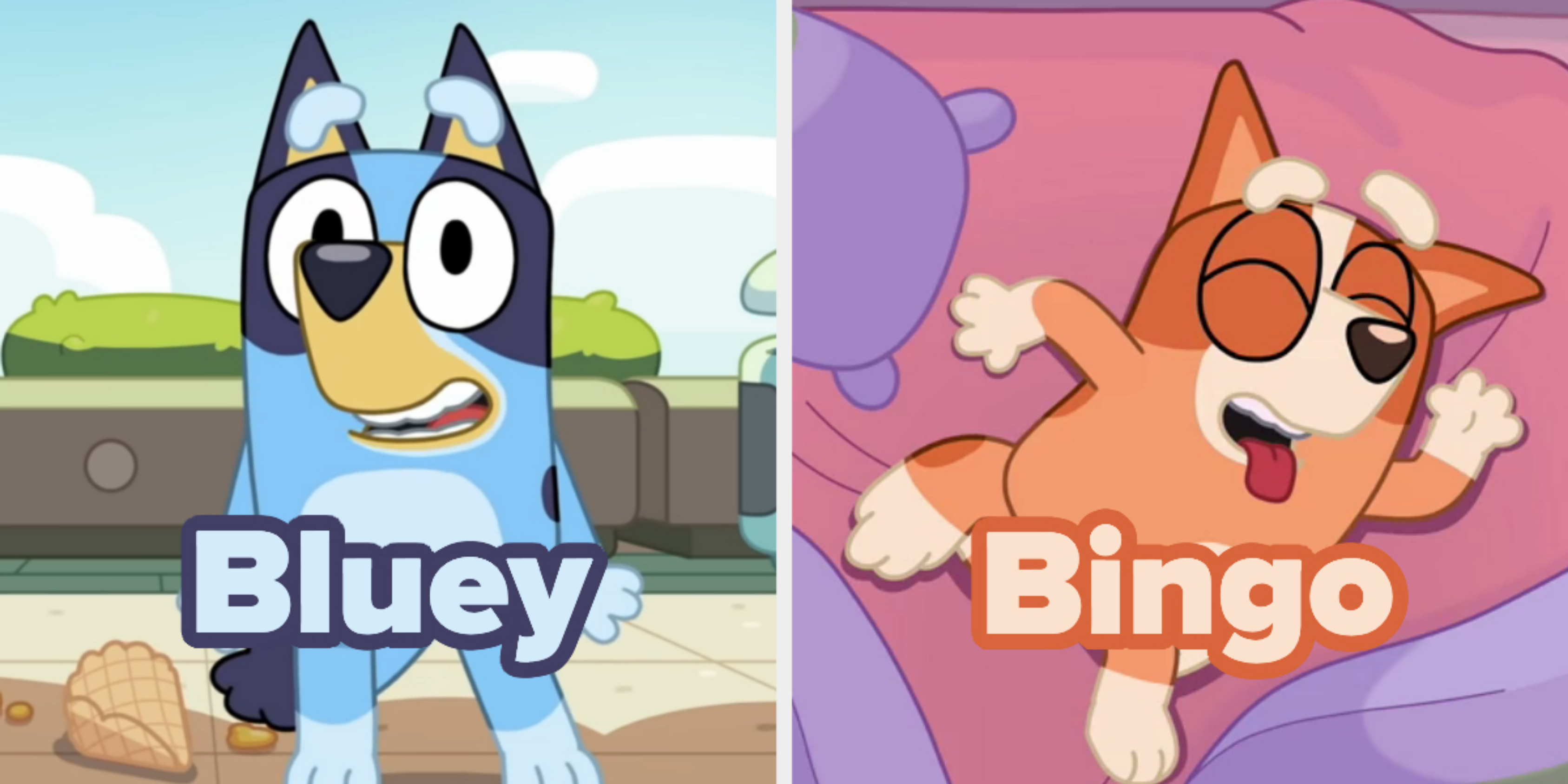
From a design perspective, the brand utilizes a distinctive, high-contrast color palette that is instantly recognizable. The “Bluey Blue” and “Bingo Orange” are not merely aesthetic choices; they are strategic assets that facilitate immediate brand recall. This level of visual consistency is a cornerstone of effective corporate identity, ensuring that whether the consumer is looking at a digital app, a plush toy, or a billboard, the brand essence remains intact.
Emotional Intelligence as a Market Differentiator
Most brands compete on features or price; Bluey competes on emotional resonance. By positioning the brand as a guide for modern parenting and a mirror of childhood reality, Ludo Studio carved out a unique niche. This is a classic example of “Blue Ocean Strategy”—creating a new market space where the competition is irrelevant because the emotional connection is so specialized.
Character Archetypes and Personal Branding: Identifying Your Professional Identity
In the world of marketing and personal branding, archetypes are used to humanize a brand and make it relatable to its target audience. The characters in Bluey map cleanly onto these psychological profiles. Identifying which character you align with can provide significant insights into your own leadership style and professional brand.
Bluey: The Explorer and the Visionary
If you identify with Bluey, your personal brand is likely centered on curiosity, innovation, and the drive to explore new frontiers. Bluey represents the “Explorer” archetype. In a business context, these are the disruptors and the creative leads who are not afraid to ask “what if?”
The “Bluey” professional brand is characterized by:
- Adaptability: The ability to pivot when a “game” (or project) changes.
- Iterative Thinking: Learning through play and trial-and-error.
- High Energy: Driving team momentum through sheer enthusiasm.
Bandit: The Everyman and the Relatable Leader
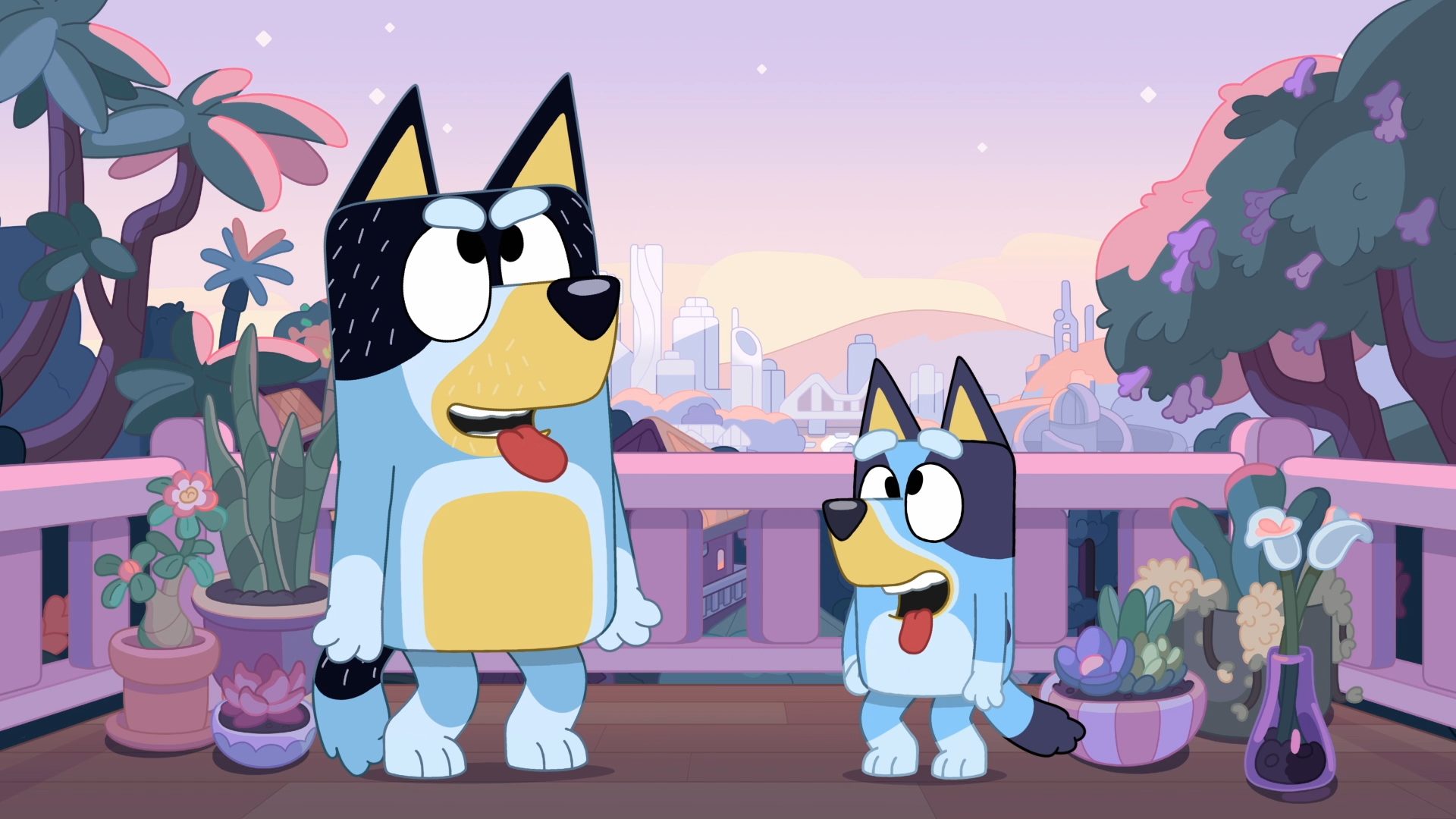
Bandit Heeler has become a global icon for the “Everyman” or “Guy Next Door” archetype. His brand is built on vulnerability, humor, and a hands-on approach. If you are a “Bandit,” your leadership style is likely democratic and empathetic.
Professionally, the Bandit brand excels in:
- Conflict Resolution: Using humor and play to de-escalate tension.
- Authenticity: Building trust by showing flaws and being “real” with colleagues.
- Mentorship: Leading by participation rather than decree.
Chilli: The Sage and the Strategic Pillar
Chilli Heeler embodies the “Sage” and the “Ruler” archetypes. She provides the structural integrity and wisdom that allow the household (the organization) to function. If you identify with Chilli, your brand is one of quiet competence, strategic foresight, and emotional stability.
Key traits of the “Chilli” brand include:
- Boundary Setting: Knowing when to say no to protect the brand’s core values.
- Operational Excellence: Ensuring that behind-the-scenes logistics are flawless.
- Balanced Perspective: Maintaining the “long view” during short-term chaos.
Bingo: The Innocent and the Detail-Oriented Creative
Bingo represents the “Innocent” archetype—characterized by optimism, purity, and a focus on the small details that others might miss. In a corporate environment, those who align with Bingo are often the “glue” of the team, offering a perspective that prioritizes harmony and meticulous craft.
Strategic Storytelling: How Character Development Drives Brand Loyalty
The question “What Bluey character are you?” works because the brand has invested heavily in narrative depth. Each character is a multi-dimensional asset. In branding, consistency is key, but growth is what builds long-term loyalty.
Consistency vs. Evolution
A common mistake in brand strategy is to keep a brand static. Bluey avoids this by allowing its characters to learn and fail. This “brand evolution” mirrors the growth of a company that adapts to market changes while staying true to its core values. When a brand admits a mistake (much like Bandit or Chilli often do), it actually increases its “Brand Equity” by appearing more human and trustworthy.
The Role of Micro-Moments in Branding
Bluey excels at “micro-storytelling”—small, seven-minute windows that deliver a complete emotional arc. In digital marketing and personal branding, this translates to the power of “micro-content.” Whether it’s a LinkedIn post, a short-form video, or a brief newsletter, the ability to convey a brand’s entire ethos in a condensed format is a critical modern skill.
Narrative Arching in Corporate Identity
Just as the characters have backstories, a corporate brand must have a “founding myth” or a clear narrative arc. Consumers don’t just buy products; they buy into the story of why those products exist. The Bluey characters are successful because their “why” is clear: they exist to explore the beauty of the everyday.
The “Bluey Effect”: Case Studies in Modern Brand Strategy
To truly understand the “What character are you” phenomenon, we must look at how the Bluey brand has permeated the global market through strategic partnerships and licensing, all while maintaining its soul.
Co-Branding and Strategic Partnerships
Bluey’s collaborations with brands like Airbnb (creating a real-life Heeler house) or partnerships with major retailers are lessons in brand alignment. They only partner with entities that enhance the “family-first” and “playful” narrative. For a personal brand, this means being selective about the projects and people you associate with, ensuring they reinforce your identified character archetype.
Global Localization and Cultural Branding
While deeply Australian, Bluey has been “localized” effectively for global audiences without losing its specific cultural identity. This is a vital lesson in “Glocal” branding—staying true to your local roots while making your brand’s core values universal. Whether you are a “Bluey” in Brisbane or New York, the brand’s promise of imaginative play remains the same.
Design Thinking in Character Development
The characters are designed with simplicity to allow for maximum “brand extension.” Their shapes are easily replicable for merchandise, and their silhouettes are distinct. This is a fundamental principle of design strategy: a brand must be scalable. If your personal brand is too complex or relies on too many moving parts, it becomes difficult for your “audience” (clients or employers) to categorize and remember you.
Conclusion: Leveraging Your Archetype for Professional Success
Ultimately, asking “What Bluey character are you?” is more than a fun social media exercise; it is a diagnostic tool for understanding your place within a professional ecosystem. Are you the visionary Explorer like Bluey, the empathetic Everyman like Bandit, the strategic Sage like Chilli, or the detail-oriented Innocent like Bingo?
In the realm of brand strategy, clarity is power. By identifying with an archetype, you can lean into your natural strengths and communicate your value proposition more effectively. The Bluey brand has succeeded because it knows exactly who its characters are and never asks them to be anything else.
In your own career and branding journey, the goal is the same: find your archetype, maintain your “color palette,” and tell your story with the same radical authenticity that made a small Australian blue heeler a global icon of branding excellence. Whether you are leading a Fortune 500 company or building a freelance portfolio, remember that the strongest brands—and the most memorable characters—are those that are unafraid to be exactly who they are.
aViewFromTheCave is a participant in the Amazon Services LLC Associates Program, an affiliate advertising program designed to provide a means for sites to earn advertising fees by advertising and linking to Amazon.com. Amazon, the Amazon logo, AmazonSupply, and the AmazonSupply logo are trademarks of Amazon.com, Inc. or its affiliates. As an Amazon Associate we earn affiliate commissions from qualifying purchases.