
Biomedical engineering stands at the crossroads of innovation, a pivotal field that merges the rigorous principles of engineering with the intricate complexities of biology and medicine. It is a discipline dedicated to advancing healthcare by developing new technologies, devices, and treatments that improve human health and well-being. Far from being a niche specialization, biomedical engineers are the architects of the future of medicine, creating everything from prosthetic limbs and artificial organs to sophisticated diagnostic equipment and cutting-edge therapeutic solutions. Their work is fundamentally interdisciplinary, demanding a deep understanding of human physiology, disease mechanisms, and the latest technological advancements, often integrating concepts from electrical engineering, mechanical engineering, computer science, materials science, and chemical engineering.
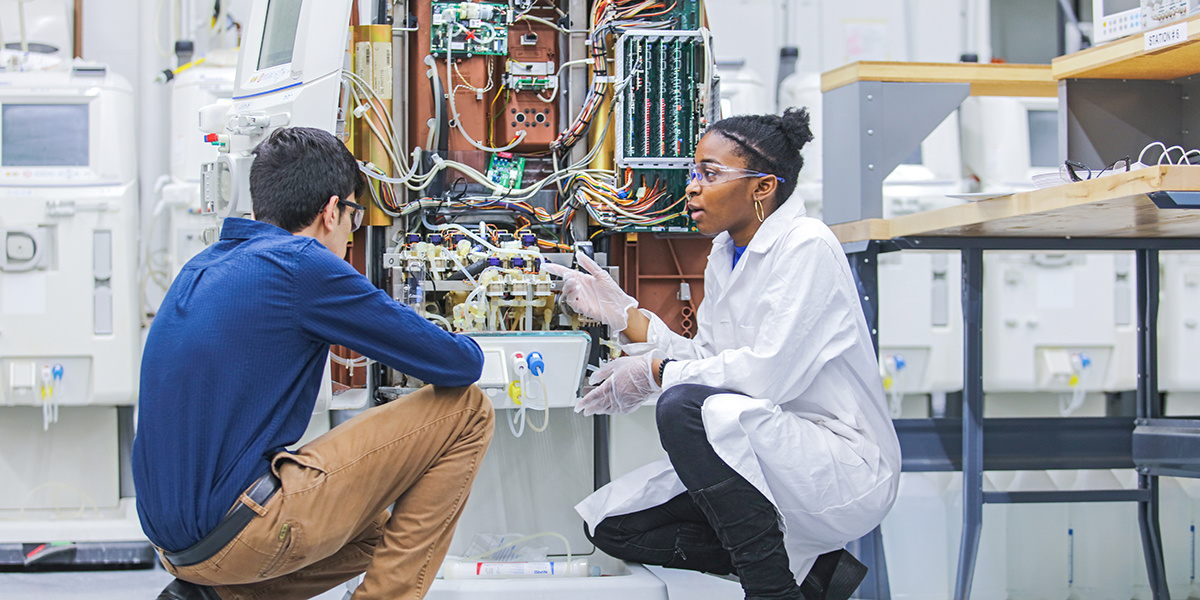
At its core, biomedical engineering is about problem-solving – addressing unmet medical needs through ingenious design and scientific application. This can involve designing the next generation of implantable devices, developing novel drug delivery systems, creating advanced imaging techniques, or pioneering regenerative medicine strategies. The impact of their contributions is pervasive, touching almost every aspect of modern healthcare, from prevention and diagnosis to treatment and rehabilitation. As technology continues its exponential growth, particularly in areas like artificial intelligence, data science, and advanced manufacturing, the role of biomedical engineers becomes even more critical, driving a revolution in personalized medicine and accessible healthcare worldwide.
The Interdisciplinary Core: Engineering Healthcare Through Technology
The essence of biomedical engineering lies in its unique ability to translate scientific discoveries into practical medical applications, heavily leveraging cutting-edge technology. This fusion is evident across various specializations, where engineers are not just conceptualizing but actively building the tools that define modern medicine. From enhancing diagnostic capabilities to revolutionizing therapeutic interventions, technology is the backbone of their innovative solutions.
Designing Medical Devices and Systems
One of the most visible contributions of biomedical engineers is the design and development of medical devices. This encompasses a vast array of instruments, machines, and implants, each meticulously crafted to address specific medical challenges. Consider the evolution of prosthetics: what were once rudimentary wooden limbs are now sophisticated robotic appendages, driven by AI algorithms that learn and adapt to user intent. Pacemakers, once simple electrical devices, are now miniature computers, wirelessly connected and capable of complex physiological monitoring. Medical imaging equipment, such as MRI and CT scanners, relies on intricate engineering to capture detailed internal views of the human body, with software playing a crucial role in image reconstruction and analysis.
The development process for these devices is rigorous, involving conceptualization, prototyping, testing, and ultimately, regulatory approval. Engineers must consider not only the functional aspects but also safety, biocompatibility, durability, and user-friendliness. This often involves employing advanced CAD (Computer-Aided Design) software for intricate models, simulating device performance under various physiological conditions, and utilizing rapid prototyping techniques like 3D printing to quickly iterate on designs. The integration of sensors, microprocessors, and advanced materials is common, transforming complex medical needs into tangible, life-improving solutions. Digital security is also paramount here, as devices increasingly connect to networks and handle sensitive patient data, necessitating robust encryption and cybersecurity measures to protect privacy and ensure operational integrity.
Advancing Medical Imaging and Diagnostics
Biomedical engineers are at the forefront of innovation in medical imaging and diagnostics, constantly pushing the boundaries of what can be seen inside the human body without invasive procedures. Their work spans the development of new imaging modalities and the enhancement of existing ones, making diagnoses more accurate, earlier, and less burdensome for patients. This includes optimizing MRI for better tissue differentiation, refining CT scans for lower radiation doses, and pioneering entirely new techniques like optical coherence tomography (OCT) for microscopic views of tissue structure.
A significant aspect of this advancement heavily relies on Tech topics such as software and AI tools. Engineers develop sophisticated algorithms for image acquisition, reconstruction, and enhancement, transforming raw data into clear, interpretable images. AI, particularly machine learning and deep learning, is revolutionizing diagnostic capabilities by automating the detection of subtle anomalies in scans, helping clinicians identify diseases like cancer or neurological disorders at their earliest stages. These AI-powered diagnostic tools can analyze vast datasets of medical images, often outperforming human specialists in speed and consistency. Furthermore, the development of user-friendly apps and interfaces for viewing and analyzing these images improves productivity for healthcare professionals, enabling quicker decision-making and better patient outcomes. Tutorials and training materials are often developed by biomedical engineers to ensure effective adoption of these complex diagnostic gadgets.
Biomaterials and Tissue Engineering
The field of biomaterials and tissue engineering represents a frontier where biology meets advanced material science, driven by biomedical engineers. This area focuses on developing materials and biological substitutes to repair, replace, or regenerate damaged tissues and organs. From hip implants made of specialized alloys and biocompatible plastics to synthetic grafts for blood vessels, the choice and design of biomaterials are critical for preventing rejection and promoting integration with the body.
Tissue engineering takes this a step further by combining living cells with scaffolding materials to create functional tissues or even entire organs. This involves pioneering techniques such as 3D bioprinting, where living cells are precisely layered to construct complex biological structures. This revolutionary technology holds immense promise for personalized medicine, potentially allowing for the creation of patient-specific tissues or organs, thereby eliminating issues of donor scarcity and immune rejection. Engineers in this domain are deeply involved in research and development, understanding the cellular environment, designing novel biocompatible scaffolds, and even developing specialized software to control the intricate processes of bioprinting. The implications for regenerative medicine, drug testing, and understanding disease progression are vast, making this a pivotal area of biomedical engineering.
Developing Health IT Solutions
In an increasingly connected world, health information technology (HIT) is indispensable, and biomedical engineers are key players in its development and implementation. Their expertise bridges the gap between complex medical data and user-friendly, secure digital platforms. This includes the design and optimization of Electronic Health Records (EHR) systems, which streamline patient information management, improve communication among healthcare providers, and reduce medical errors. They work on ensuring interoperability between different systems, a critical aspect for comprehensive patient care.
Beyond EHRs, biomedical engineers are driving the creation of remote monitoring apps and wearables, transforming how chronic conditions are managed and preventive care is delivered. These gadgets, often linked to smartphone apps, allow patients to track vital signs, activity levels, and medication adherence from home, transmitting data securely to their healthcare providers. This not only empowers patients but also allows for early intervention and reduces the burden on healthcare facilities. Digital security is paramount in this sector, as these systems handle vast amounts of highly sensitive personal health information. Biomedical engineers design robust security protocols, ensuring compliance with data protection regulations like HIPAA, safeguarding patient privacy from cyber threats. Their work in this area significantly enhances productivity within healthcare systems and facilitates a more proactive, patient-centric approach to health management.
Innovation and Impact: Shaping the Future of Healthcare
Biomedical engineers are not just implementers of technology; they are visionaries and innovators, consistently pushing the boundaries of what’s possible in healthcare. Their relentless pursuit of novel solutions has a profound impact, not only on individual patient lives but also on the broader landscape of medical practice and public health. This innovative spirit is often intertwined with branding, reputation, and strategic thinking, as breakthroughs translate into tangible improvements that enhance trust and drive progress.
Driving Breakthroughs in Patient Care
The ultimate goal of biomedical engineering is to improve patient care, and their efforts consistently lead to groundbreaking advancements. From developing more effective drug delivery systems that target specific cancer cells to creating neuroprosthetics that restore movement and sensation to paralyzed individuals, their innovations are directly translating into better quality of life and extended lifespans. Consider the development of sophisticated dialysis machines that keep patients with kidney failure alive, or the design of smart insulin pumps that automatically manage glucose levels for diabetics. Each of these represents a triumph of engineering combined with medical understanding, directly enhancing patient outcomes.
These breakthroughs not only save lives but also reshape the narrative of what medicine can achieve. This tangible impact builds a powerful “brand” for healthcare innovation, demonstrating the value of scientific investment and interdisciplinary collaboration. Case studies of successful device implementations or new therapeutic approaches become benchmarks, influencing future research directions and solidifying the reputation of the institutions and engineers behind them. The constant drive for improvement, leveraging everything from advanced materials to AI tools, ensures that patient care remains at the forefront of technological progress.
The Entrepreneurial Spirit in Bioengineering

The field of biomedical engineering is fertile ground for entrepreneurship. Many innovations developed in research labs find their way to market through startups founded by engineers themselves. This entrepreneurial spirit is crucial for translating cutting-edge research into widely accessible medical products and services. From specialized software for medical imaging analysis to novel diagnostic kits and implantable devices, these ventures require a blend of scientific expertise, business acumen, and strategic vision.
For aspiring biomedical entrepreneurs, understanding Brand Strategy and Personal Branding is as important as technical proficiency. Developing a compelling corporate identity for a startup, creating an effective marketing plan for a new medical device, and building a strong reputation based on reliability and innovation are all critical for securing funding and attracting customers. Case studies of successful bioengineering startups, like those developing AI-powered surgical robots or personalized drug discovery platforms, serve as inspiration and blueprints. This aspect also ties into Money topics, as entrepreneurs navigate venture capital, angel investing, and securing business finance to bring their revolutionary ideas to fruition, potentially leading to significant online income through product sales or licensing.
Collaborating Across Disciplines
Biomedical engineering is inherently a collaborative field. Its interdisciplinary nature demands constant interaction with medical doctors, biologists, chemists, computer scientists, and other engineers. This collaborative ethos is vital for successful innovation, as no single discipline possesses all the knowledge required to solve complex medical problems. Biomedical engineers often act as a bridge, translating clinical needs into engineering specifications and vice versa.
Effective collaboration relies heavily on strong communication skills and the ability to build and maintain a professional reputation. This can be viewed through the lens of Personal Branding – how an individual engineer establishes their credibility, expertise, and reliability within diverse teams. Strong design thinking, evident in the user interface of medical software or the ergonomics of a surgical tool, often emerges from these collaborative efforts, directly enhancing a product’s market appeal and usability. Furthermore, the sharing of knowledge and resources through collaborative networks fosters a culture of continuous improvement, where diverse perspectives lead to more robust and innovative solutions, ultimately benefiting patient care and enhancing the collective brand of medical science.
Ethical Considerations and Regulatory Compliance
Given that biomedical engineers work directly with human health, ethical considerations and stringent regulatory compliance are paramount. Every device, treatment, or software solution must adhere to strict guidelines set by regulatory bodies such as the FDA in the United States, EMA in Europe, or equivalent organizations globally. This involves extensive testing, documentation, and adherence to quality management systems to ensure product safety, efficacy, and reliability.
Building and maintaining a strong reputation in the biomedical field relies heavily on unwavering commitment to ethical practice and regulatory compliance. Any lapse can have severe consequences, not only for patient safety but also for the corporate identity and brand image of the companies involved. Engineers must be knowledgeable about bioethics, patient data privacy (digital security), and the societal impact of their creations. This includes conducting thorough risk assessments, ensuring transparency in clinical trials, and designing products with patient well-being at the forefront. The careful navigation of these complex ethical and regulatory landscapes is a testament to the professionalism and responsibility that defines biomedical engineering, underpinning public trust and fostering continued innovation within acceptable societal boundaries.
A Career in Biomedical Engineering: Opportunities and Financial Outlook
A career in biomedical engineering offers a dynamic blend of intellectual challenge, humanitarian impact, and significant professional opportunities. The diverse nature of the field, coupled with its rapid growth, makes it an attractive choice for those passionate about both science and making a tangible difference in the world. This section explores the career paths available, the financial rewards, and the growing avenues for entrepreneurial ventures and personal financial growth within this exciting discipline.
Diverse Career Paths
The versatility of a biomedical engineering degree opens doors to a wide array of career paths across various sectors. Many graduates find roles in industry, working for medical device manufacturers, pharmaceutical companies, or biotechnology firms. Here, they might be involved in research and development, product design, quality assurance, regulatory affairs, or even technical sales and marketing. For instance, an engineer might specialize in creating new surgical instruments, developing advanced drug delivery systems, or designing quality control protocols for medical implants.
Beyond industry, opportunities abound in academia, where biomedical engineers conduct fundamental research, teach the next generation of innovators, and secure grants to push scientific boundaries. Hospitals and clinics also employ biomedical engineers to manage complex medical equipment, train staff, and optimize clinical workflows, often requiring a strong grasp of productivity tools and digital systems. Government agencies, like the FDA, hire biomedical engineers to review new medical technologies and ensure their safety and efficacy. This diversity means that individuals can tailor their career trajectory to align with their specific interests, whether it’s hands-on design, theoretical research, or regulatory oversight.
Earning Potential and Financial Rewards
A career in biomedical engineering is not only intellectually stimulating but also financially rewarding. The specialized skills and knowledge required for this field command competitive salaries, reflecting the critical impact these professionals have on healthcare. Entry-level salaries are typically strong, and earning potential increases significantly with experience, specialization, and advanced degrees. The investment in a biomedical engineering education, often including postgraduate studies, generally yields excellent returns over a career lifetime, making it a sound financial decision.
Many biomedical engineers are highly sought after, leading to strong job security and opportunities for advancement. The financial rewards extend beyond base salaries, often including performance bonuses, stock options in private companies, and comprehensive benefits packages. For those with an interest in Personal Finance and Investing, the stable income provides a solid foundation for wealth building, whether through traditional investments, real estate, or even investing in other promising startups. Moreover, the global demand for healthcare innovation ensures that the field will continue to offer robust financial prospects for the foreseeable future.
The Rise of Bioengineering Startups and Side Hustles
The entrepreneurial wave has fully embraced biomedical engineering, leading to a proliferation of startups focused on health tech innovation. Engineers with novel ideas for medical devices, diagnostic tools, health IT platforms, or biomaterials are increasingly launching their own ventures. This path offers the potential for substantial financial upside, as successful startups can attract significant investment and achieve high valuations. Securing Business Finance through venture capital, angel investors, or government grants is a crucial step, and engineers often need to develop skills in pitching their ideas and creating detailed business plans.
Beyond full-fledged startups, the skills of biomedical engineers are also highly valuable for Side Hustles and Online Income. This could involve consulting for smaller medical companies, developing specialized software tools or apps for niche medical problems and selling them online, or even creating educational content (tutorials, online courses) for others aspiring to enter the field. The demand for expertise in areas like AI in medicine, medical device prototyping, or data analysis for clinical trials provides ample opportunities for engineers to leverage their knowledge outside of traditional employment, generating additional income and building their personal brand as experts in their respective domains.

Continuous Learning and Professional Development
The rapid pace of technological advancement in healthcare means that continuous learning and professional development are not just beneficial, but essential for biomedical engineers. The field is constantly evolving, with new discoveries in genomics, artificial intelligence, robotics, and materials science emerging regularly. Staying current with these Technology Trends is crucial for maintaining relevance, advancing one’s career, and contributing meaningfully to innovation.
This commitment to lifelong learning often involves pursuing advanced degrees, attending workshops and conferences, obtaining certifications in specialized areas (e.g., regulatory affairs, project management), and mastering new Software and AI Tools. Many professionals utilize Productivity apps and online platforms to manage their learning, collaborate on research, and stay connected with the broader scientific community. Investing in one’s professional development is, in essence, an investment in one’s future earning potential and career longevity. It allows engineers to adapt to new challenges, explore emerging niches, and continue making significant contributions to the ever-evolving landscape of healthcare, reinforcing their personal brand as forward-thinking innovators.
In conclusion, biomedical engineers are the unsung heroes of modern medicine, blending technical prowess with a profound commitment to improving human life. Their work spans the entire spectrum of healthcare, from designing life-saving devices and advanced diagnostic tools to pioneering regenerative therapies and building robust health information systems. By intricately weaving together principles of engineering, biology, and medicine, they stand at the vanguard of innovation, consistently delivering solutions that enhance patient care, extend lifespans, and improve the quality of living for millions worldwide. As technology continues its relentless march forward, the ingenuity, dedication, and collaborative spirit of biomedical engineers will undoubtedly continue to shape a healthier, more technologically advanced future for all.
aViewFromTheCave is a participant in the Amazon Services LLC Associates Program, an affiliate advertising program designed to provide a means for sites to earn advertising fees by advertising and linking to Amazon.com. Amazon, the Amazon logo, AmazonSupply, and the AmazonSupply logo are trademarks of Amazon.com, Inc. or its affiliates. As an Amazon Associate we earn affiliate commissions from qualifying purchases.