
Amazon Prime has evolved from a simple expedited shipping service into a comprehensive financial ecosystem. For the modern consumer, evaluating the membership is no longer just about receiving packages in two days; it is about a sophisticated cost-benefit analysis of a subscription that touches on digital media, grocery budgeting, credit rewards, and household management. To understand the true value of Amazon Prime, one must look past the convenience and examine the specific financial levers it provides to optimize a personal budget.
The Financial Ecosystem of Amazon Prime: An ROI Analysis
At its core, Amazon Prime functions as a pre-paid utility for household logistics. The annual membership fee, while an upfront cost, acts as a hedge against the rising costs of individual shipping fees, fuel for retail trips, and fragmented digital subscriptions. To determine the return on investment (ROI), consumers must evaluate their annual spending patterns across multiple categories.
Analyzing the Annual Subscription Cost vs. Consumer Savings
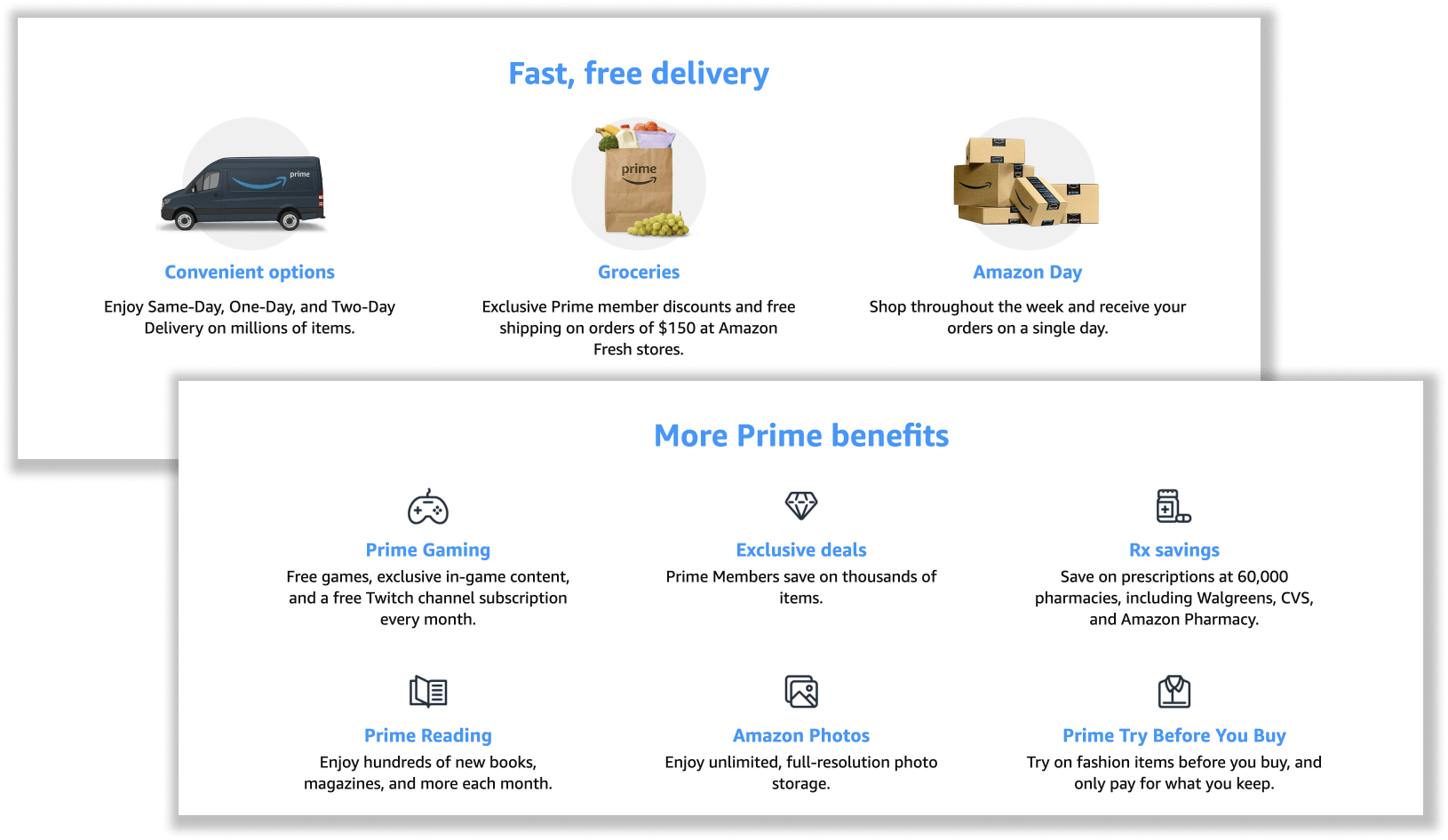
The primary financial driver for Prime remains its shipping infrastructure. With standard shipping rates often ranging from $5.99 to $9.99 for non-members on small orders, a household that places just two orders per month effectively recoups the annual membership fee through shipping savings alone. However, the calculation goes deeper. Prime’s “One-Day” and “Same-Day” delivery options represent a significant “time-value” gain. In personal finance, time is a non-renewable asset; reducing the hours spent on routine errands allows for a reallocation of that time toward income-generating activities or high-value personal use.
Furthermore, Prime provides a safety net against “cart padding.” Non-members often add unnecessary items to their shopping carts to reach a minimum threshold for free shipping. This behavior frequently leads to overspending on items that were not part of the original budget. Prime members, by contrast, can purchase a single $10 item with zero shipping friction, ensuring that their spending remains disciplined and targeted.
The Hidden Value of Integrated Financial Tools
Amazon Prime is not merely a shopping portal; it serves as a gateway to financial tools that can enhance a user’s credit profile and liquidity. For example, the Prime Access program offers discounted memberships to individuals receiving qualifying government assistance, such as SNAP or Medicaid. From a personal finance perspective, this is a strategic move to provide lower-income households with the same logistical efficiencies as high-income earners, reducing the “poverty premium” often paid when consumers lack access to bulk buying or reliable transportation to traditional retail hubs.
Additionally, the “Prime Try Before You Buy” feature acts as a liquidity management tool. By allowing consumers to order clothing and accessories without an immediate charge, it prevents the temporary “locking” of funds on a debit or credit card that usually occurs during the traditional return process. This allows for better cash flow management, as only the kept items are eventually billed.
Maximizing Purchasing Power Through Exclusive Shopping Benefits
Beyond the logistics, Amazon Prime offers several distinct avenues for direct capital savings. These benefits allow members to leverage Amazon’s massive scale to secure pricing that is often unavailable to the general public.
Strategic Savings with Prime Day and Early Access
Prime Day has become a pivotal event in the retail calendar, but for the financially savvy, it is a strategic opportunity for “planned spending.” By deferring large purchases of electronics, household appliances, or back-to-school supplies until these windows, members can realize savings of 20% to 50% compared to standard market rates.
Moreover, Prime members receive 30-minute early access to “Lightning Deals.” In a market where supply chain volatility can lead to rapid price fluctuations and stockouts, this early access is a tool for price protection. It ensures that members can secure goods at the lowest possible entry point before inventory is depleted by the general market.
Cash Back Rewards and the Prime Visa Synergy
One of the most potent financial benefits of the membership is its integration with the Amazon Prime Visa. For members, this card offers 5% back on all Amazon.com and Whole Foods Market purchases. In the context of a “rewards stack” strategy, this is one of the highest consistent return rates available in the credit market for these specific categories.

If a household spends $500 per month on groceries and household essentials through Amazon and Whole Foods, the 5% cash back yields $300 annually in rewards. This effectively negates the cost of the Prime membership and provides an additional $160 in “found money” that can be redirected into savings or investment accounts. When combined with the lack of an annual credit card fee (beyond the Prime membership itself), the Prime Visa becomes a cornerstone tool for maximizing the velocity of household spending.
Redefining Household Budgeting: Digital Media and Grocery Savings
The “Prime” umbrella extends deep into the monthly recurring expenses of the average household, specifically in the realms of entertainment and food—two of the largest variable costs in any personal budget.
Consolidating Entertainment Expenses
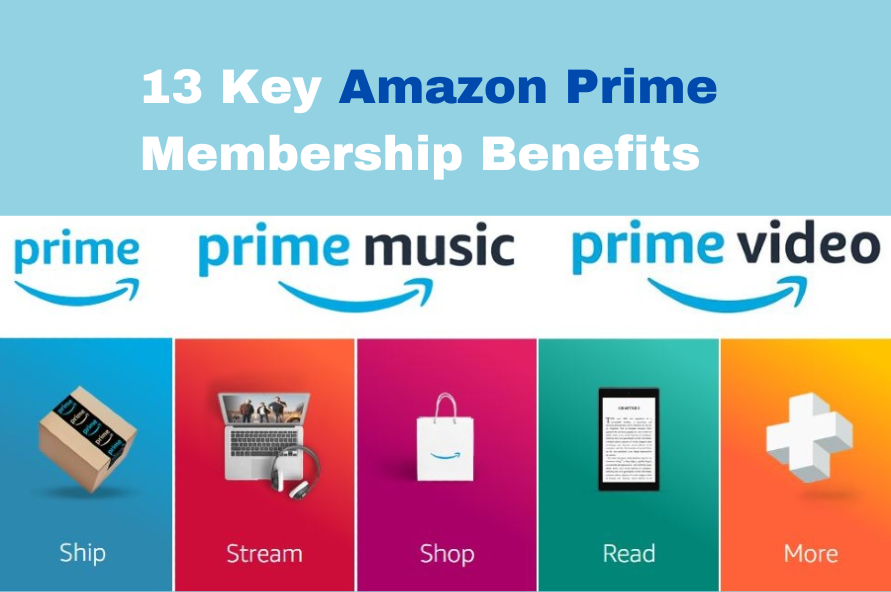
The digital benefits of Amazon Prime—Video, Music, and Reading—provide a significant opportunity for “subscription consolidation.” In an era of “subscription fatigue,” where consumers might pay $15 for Netflix, $11 for Spotify, and $10 for Kindle Unlimited, Prime offers a bundled alternative that can drastically reduce monthly outflows.
Prime Video provides a robust library that, for many, can replace a secondary streaming service. Prime Music (the inclusive tier) offers a massive catalog of ad-free songs, potentially eliminating the need for a separate music streaming subscription. Furthermore, Prime Reading and Amazon Photos (which offers unlimited full-resolution photo storage) can replace costs associated with digital book purchases and cloud storage fees like Google One or iCloud. By auditing these digital services, a Prime member can potentially save upwards of $30 to $50 per month in “leaked” subscription fees.
Leveraging Whole Foods and Grocery Discounts
The acquisition of Whole Foods Market by Amazon transformed Prime into a grocery savings tool. Members receive an additional 10% off items already on sale at Whole Foods, along with rotating weekly “Prime Member Deals” on high-volume staples like meat, produce, and pantry items.
For the budget-conscious consumer, the “Subscribe & Save” program is perhaps the most effective tool for long-term financial planning. By scheduling recurring deliveries of household essentials—ranging from detergent to pet food—members can unlock discounts of up to 15% on their entire order. This not only automates the logistics of household management but also ensures a lower unit price than almost any brick-and-mortar competitor, especially when considering the lack of fuel costs and time spent shopping.
The Long-Term Wealth Impact: Time Value and Shipping Logistics
While the immediate discounts are easy to quantify, the long-term wealth impact of Amazon Prime is found in the optimization of the consumer’s most valuable resources: time and focus.
Monetizing Time Through Rapid Fulfillment
The modern economy increasingly rewards those who can outsource low-value tasks to focus on high-value output. Prime’s fulfillment network serves as a personal logistics department for the individual. The ability to realize that a household item is missing and have it arrive within hours without leaving one’s desk is a productivity multiplier.
When analyzing the “cost per hour” of an individual’s time, a two-hour trip to a big-box retailer (including traffic, parking, and navigation) might “cost” a professional significantly more than the price of the goods purchased. Amazon Prime effectively subsidizes this “opportunity cost,” allowing users to reclaim hundreds of hours per year. In the world of finance, those hours can be converted into professional development, side hustles, or simply a reduction in burnout, all of which have long-term positive correlations with earning potential.
Reducing the Hidden Costs of Traditional Retail
Traditional retail shopping carries hidden “friction costs” that are often omitted from personal budgets. These include the depreciating wear-and-tear on a vehicle, the high probability of impulse purchases triggered by retail psychological tactics (end-cap displays and sensory marketing), and the physical energy expenditure of shopping.
Amazon Prime’s interface, while designed for ease of use, allows for a more “surgical” approach to shopping. By using features like “Lists” and “Buy It Again,” members can avoid the sensory overload of physical stores that leads to over-consumption. The “no-minimum” shipping also allows for “just-in-time” inventory management at home, reducing the amount of capital tied up in stockpiled household goods.
In conclusion, Amazon Prime is a multi-faceted financial instrument. When used intentionally, it is not merely a cost of $139 per year, but a strategy for reducing expenses across groceries, entertainment, and shipping, while simultaneously providing tools to maximize credit rewards and time efficiency. For the consumer focused on financial optimization, the question is not whether the membership has a cost, but whether the household is fully utilizing the suite of tools provided to extract maximum value from every dollar spent.
aViewFromTheCave is a participant in the Amazon Services LLC Associates Program, an affiliate advertising program designed to provide a means for sites to earn advertising fees by advertising and linking to Amazon.com. Amazon, the Amazon logo, AmazonSupply, and the AmazonSupply logo are trademarks of Amazon.com, Inc. or its affiliates. As an Amazon Associate we earn affiliate commissions from qualifying purchases.