
An administrative discharge from the military can be a complex and emotionally taxing experience, but its most lasting impact is often felt in the wallet. For service members receiving an Other Than Honorable (OTH) discharge, the transition to civilian life comes with a unique set of financial hurdles and opportunities. Unlike a Dishonorable discharge, which is punitive and results from a court-martial, an OTH is administrative. However, it sits in a “grey area” that significantly affects access to the robust suite of federal and state financial benefits usually reserved for veterans.
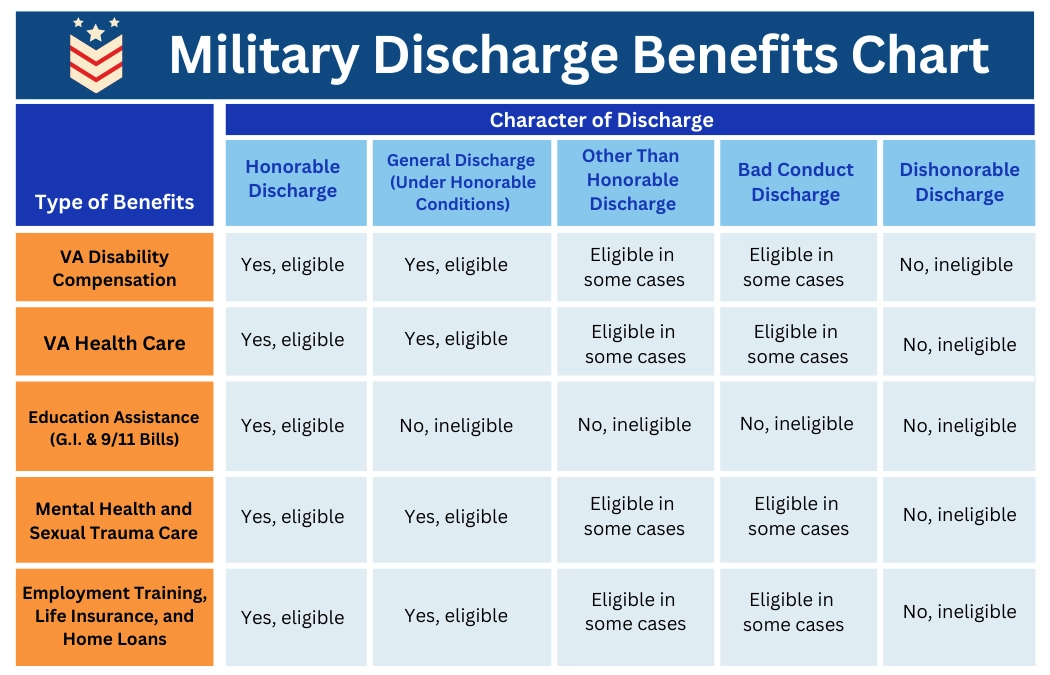
Understanding the financial landscape of an OTH discharge is essential for long-term fiscal planning. From healthcare costs to housing loans and education funding, the “character of service” listed on your DD-214 acts as a gatekeeper to your financial future. This guide explores the specific benefits available, the hurdles you will face, and the strategic pathways to restoring your financial eligibility.
The Financial Landscape of an Other Than Honorable Discharge
The immediate aftermath of an OTH discharge is characterized by a sudden shift in financial expectations. For most service members, the military provides a structured environment with guaranteed pay, housing allowances, and healthcare. When an OTH occurs, these safety nets are removed, often without the “golden parachute” of standard veteran benefits.
Defining the OTH Status in a Financial Context
From a personal finance perspective, an OTH discharge is a classification that signals to federal agencies and private employers that your service did not meet the standard for a fully “Honorable” or “General Under Honorable Conditions” exit. While you are still technically a veteran, you are often excluded from the “automatic” eligibility categories for many programs. This means your financial strategy must shift from passive receipt of benefits to active advocacy and application for “Character of Service” determinations.
Immediate Fiscal Impacts on Separation
Upon receiving an OTH discharge, several immediate financial losses occur. Most notably, you are typically ineligible for separation pay or the cashing out of accrued leave, depending on the specific branch regulations and the circumstances of the discharge. Furthermore, the cost of relocating from your final duty station to your home of record may not be fully covered, representing an immediate out-of-pocket expense that can range from hundreds to thousands of dollars.
Federal and State Financial Assistance Programs
The most significant financial concern for veterans with an OTH discharge is their eligibility for Department of Veterans Affairs (VA) benefits. Many believe that an OTH discharge is an absolute bar to VA assistance, but this is a common misconception. The VA makes its own “Character of Service” determination, independent of the military branch’s administrative label.
Accessing VA Healthcare and Disability Compensation
One of the most valuable financial assets for any veteran is access to the VA healthcare system and disability compensation. If your OTH discharge was not the result of “willful and persistent misconduct” or other specific bars to benefits, the VA may still find your service “honorable for VA purposes.”
From a money management standpoint, securing VA healthcare can save a veteran thousands of dollars annually in private insurance premiums and out-of-pocket medical costs. Similarly, disability compensation provides a tax-free monthly income stream that can serve as a foundational element of your financial plan. It is vital to apply for a formal Character of Discharge review through the VA as soon as possible to unlock these potential revenue and savings streams.
The GI Bill: The Great Financial Hurdle
The most significant financial blow of an OTH discharge is the loss of the Post-9/11 GI Bill. To qualify for these education benefits, which cover tuition, housing, and books, the law strictly requires an “Honorable” discharge. There is currently no middle ground; even a “General Under Honorable Conditions” discharge disqualifies a veteran from the GI Bill.
This loss represents a theoretical deficit of $100,000 to $150,000 in educational capital. For those with an OTH, alternative financial tools for education must be sought, such as Federal Pell Grants, state-specific tuition waivers for veterans, or private scholarships. Navigating this requires a disciplined approach to student loans and a focus on high-ROI (Return on Investment) degrees to ensure that the debt incurred is manageable.
VA Home Loans and Housing Assistance
The VA Home Loan program is a powerful wealth-building tool, allowing veterans to purchase homes with zero down payment and competitive interest rates. Eligibility for this program with an OTH discharge is difficult but not impossible. Like healthcare, the VA must determine that your service was “other than dishonorable” for the purposes of the loan.
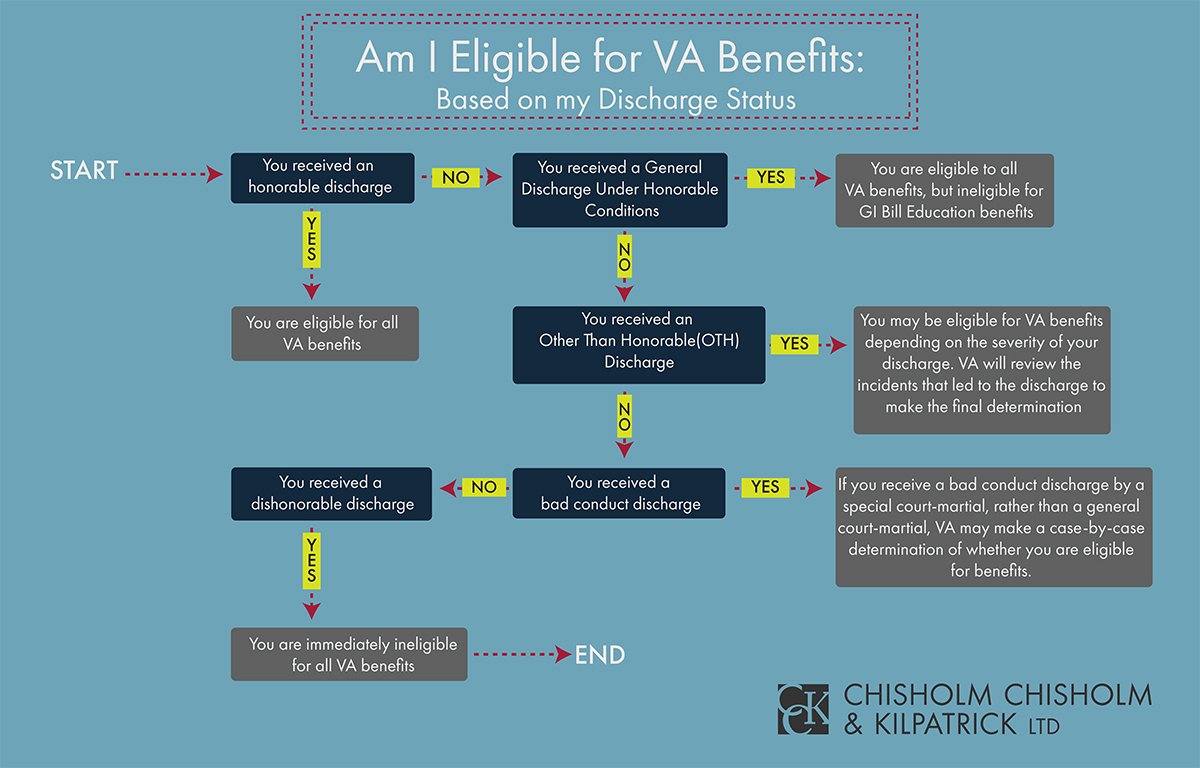
If the VA denies access to the home loan benefit, the financial impact includes the need for a 3.5% to 20% down payment on a conventional or FHA loan. For a $300,000 home, that is a liquid cash requirement of $10,500 to $60,000. For veterans in this position, focusing on credit score optimization and aggressive savings for a down payment becomes the primary financial strategy for homeownership.
Employment and Income Potential in the Private Sector
Your ability to earn an income is your greatest financial asset. An OTH discharge can complicate the job search, particularly in sectors that require high-level security clearances or government contracting. However, the private sector offers numerous pathways to high-earning careers where the character of discharge is less of a focus than technical skill and professional reliability.
Overcoming Background Checks and Financial Scrutiny
Many corporate employers conduct background checks that include military service verification. An OTH discharge is not a criminal record, but it may require explanation. In the context of business finance and high-responsibility roles, transparency is key.
Focus on building a “skills-based” resume that highlights your military training and civilian certifications. Financially, it is wise to target industries with a high demand for labor—such as logistics, construction management, or specialized trade crafts—where an OTH discharge rarely acts as a barrier to a six-figure income. By maximizing your earning potential early, you can offset the loss of federal benefits through private investments and retirement accounts like a 401(k) or IRA.
Tax Incentives and Veteran Entrepreneurship
For those looking to start their own business, an OTH discharge does not necessarily disqualify you from all veteran-owned business benefits. While certain federal “Set-Aside” contracts may be harder to obtain, many state and local governments offer tax incentives and small business grants for any veteran-owned enterprise.
From a strategic money perspective, entrepreneurship allows you to control your income and build equity. Utilizing tools like the Small Business Administration (SBA) loans (which have their own character of service requirements but are often more flexible than the VA) can provide the capital needed to launch a side hustle or a full-time corporation.
Pathways to Financial Restoration: Upgrading Your Status
The most effective way to secure your financial future after an OTH discharge is to pursue a discharge upgrade. This is a legal and administrative process that, if successful, retroactively changes your discharge status and unlocks the full spectrum of financial benefits.
The Discharge Review Board (DRB) Process
Applying to the Discharge Review Board (DRB) or the Board for Correction of Military Records (BCMR) is a long-term financial investment. While the process can take 12 to 24 months, the “return” on this investment is staggering. Upgrading an OTH to “Honorable” restores GI Bill eligibility, full VA healthcare, and access to the VA Home Loan program.
When calculating the value of a discharge upgrade, consider it as a “wealth recovery” mission. The cost of hiring a specialized attorney or spending the time to self-file is minimal compared to the lifetime value of the benefits restored. Recent changes in policy (such as the Wilkie Memo) have made it easier for veterans with PTSD, TBI, or other mental health conditions to receive upgrades, providing a viable path to financial restoration.
Long-term Wealth Building After an Upgrade
Once an upgrade is secured, it is crucial to move quickly to utilize the restored benefits. This includes enrolling in the GI Bill to increase your lifetime earning potential and utilizing the VA Home Loan to build real estate equity. The financial difference between an OTH discharge and an Honorable discharge over a 40-year civilian career can easily exceed $500,000 when accounting for education, healthcare savings, and housing advantages.

Conclusion
An Other Than Honorable discharge presents significant financial challenges, but it is not a dead end for your personal economy. While the immediate loss of the GI Bill and the complexity of accessing VA healthcare create friction, there are clear strategies to maintain and grow your wealth. By seeking a VA “Character of Service” determination, focusing on high-earning civilian careers, and aggressively pursuing a discharge upgrade, you can mitigate the fiscal impact of an OTH.
In the world of personal finance, information is currency. Understanding exactly which doors are closed and which remain ajar allows you to navigate the civilian world with a focused financial plan, ensuring that your military service—regardless of its conclusion—still serves as a foundation for future prosperity.
aViewFromTheCave is a participant in the Amazon Services LLC Associates Program, an affiliate advertising program designed to provide a means for sites to earn advertising fees by advertising and linking to Amazon.com. Amazon, the Amazon logo, AmazonSupply, and the AmazonSupply logo are trademarks of Amazon.com, Inc. or its affiliates. As an Amazon Associate we earn affiliate commissions from qualifying purchases.