
The landscape of personal finance is evolving at an unprecedented pace, with new players constantly challenging traditional banking models. Among these innovators, SoFi Technologies, Inc., often referred to simply as SoFi, stands out. For many, the question “what bank is SoFi?” arises from a natural curiosity about its unique structure and wide array of services. Is it a tech company? A lender? A simple app? The answer, while nuanced, unequivocally places SoFi as a chartered national bank, a transformation that has solidified its position as a comprehensive financial services provider capable of meeting diverse consumer needs.

SoFi’s journey from a pioneering fintech startup to a full-fledged national bank reflects a strategic evolution designed to offer a seamless, integrated financial experience. It represents a significant shift in how consumers interact with their money, moving beyond siloed services to a unified platform for banking, borrowing, investing, and more. This article will delve into SoFi’s identity, explore its operational model as a modern financial institution, and outline the distinct advantages it offers in today’s competitive financial market.
The Evolution of SoFi: From Fintech Disruptor to Chartered National Bank
SoFi’s origins are deeply rooted in the fintech revolution, a movement driven by technological innovation to disrupt traditional banking inefficiencies. However, its ambition always stretched beyond merely offering a digital alternative; it aimed to redefine the very concept of a financial institution. This journey culminated in a pivotal transformation that saw SoFi acquire a bank charter, fundamentally changing its operational capabilities and regulatory standing.
Early Days: Student Loan Refinancing and Fintech Innovation
Founded in 2011 by Stanford Graduate School of Business students, SoFi initially focused on addressing a specific financial pain point: student loan debt. Its original model was groundbreaking, offering student loan refinancing with competitive rates and a community-centric approach that included unemployment protection and career support. This early success established SoFi as a credible fintech player, known for leveraging technology to provide more flexible and consumer-friendly financial products than many incumbent banks.
As SoFi gained traction, it began to expand its product offerings. Recognizing the holistic financial needs of its target demographic—primarily young, educated professionals—it diversified into personal loans, mortgages, and wealth management services. The “SoFi Money” account was particularly innovative, acting as a hybrid checking and savings account with features typically associated with fintech apps, like early direct deposit and no account fees. These expansions showcased SoFi’s commitment to building a comprehensive financial platform, albeit one that still relied on partnerships for certain banking functionalities, as it did not yet hold its own bank charter.
The Pivotal Shift: Becoming a National Bank
The acquisition of a national bank charter in early 2022, through its acquisition of Golden Pacific Bancorp and subsequent rebranding to SoFi Bank, N.A., marked the most significant milestone in SoFi’s history. This move was not merely a cosmetic change; it fundamentally altered SoFi’s operational capabilities and regulatory standing. Prior to this, SoFi operated more like a technology company that offered financial products, often relying on partner banks to hold deposits and issue loans. With its own bank charter, SoFi Bank N.A. became a direct issuer of loans and a direct holder of deposits, subject to the same rigorous regulatory oversight as any traditional bank.
This transition brought several key advantages. Firstly, it allowed SoFi to reduce its reliance on third-party partners, thereby streamlining operations, potentially lowering costs, and gaining greater control over its product offerings and customer experience. Secondly, and perhaps most importantly for consumers, it meant that deposits held with SoFi are now directly insured by the Federal Deposit Insurance Corporation (FDIC) up to the standard maximum amount, offering an enhanced layer of security and trust. This strategic shift positioned SoFi not just as a fintech company, but as a fully regulated, vertically integrated financial institution capable of competing directly with traditional banks on their own terms.
Understanding SoFi’s Banking Model
SoFi’s banking model is characterized by its digital-first approach, integrated platform, and commitment to offering a broad spectrum of financial services under one roof. Unlike traditional banks that often operate with numerous physical branches, SoFi leverages technology to deliver convenience, competitive rates, and a personalized experience.
Deposit Accounts: Checking and Savings with High-Yields
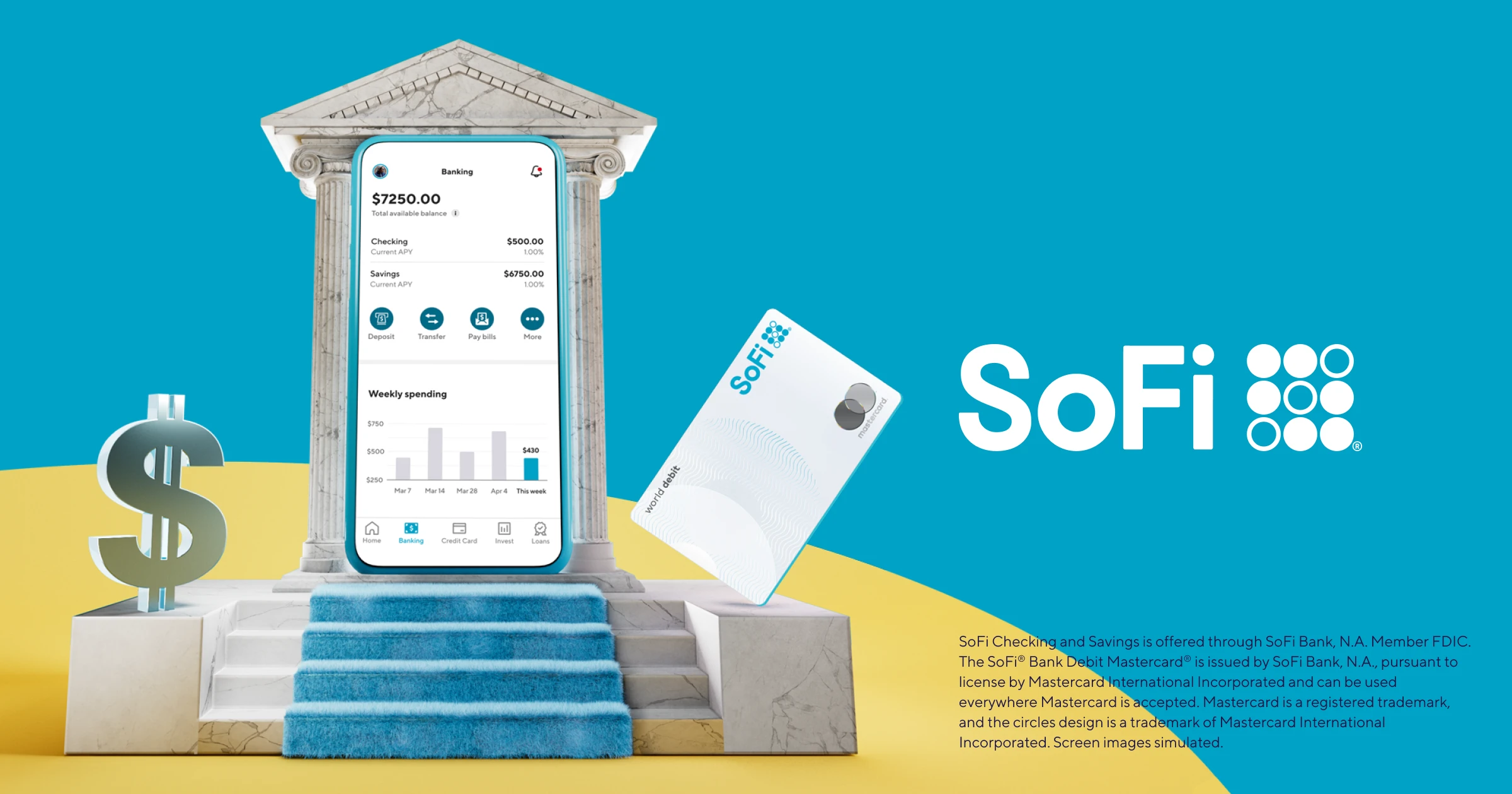
At the core of SoFi Bank, N.A.’s offerings are its checking and savings accounts. These are designed to appeal to modern consumers seeking both functionality and value. SoFi’s savings accounts often feature highly competitive annual percentage yields (APYs), significantly outpacing the national average offered by many brick-and-mortar banks. This is a direct benefit of its digital operational model, which typically incurs lower overhead costs compared to institutions maintaining extensive physical infrastructure.
The checking account component, seamlessly integrated with savings, provides essential banking services such as direct deposit, bill pay, and a debit card. SoFi also often emphasizes features like early access to paychecks (up to two days early) and fee-free ATM access through a large network, further enhancing its appeal to a digitally native customer base. The direct FDIC insurance ensures that customer deposits are protected, providing the same level of security found at any traditional bank.
Lending Services: Beyond Student Loans
While student loan refinancing was SoFi’s initial forte, its lending portfolio has expanded considerably. Today, SoFi Bank offers a diverse range of loan products catering to various financial needs:
- Personal Loans: These unsecured loans are designed for a variety of purposes, such as debt consolidation, home improvements, or unexpected expenses. SoFi often highlights competitive interest rates and flexible repayment terms, appealing to borrowers with good credit seeking alternatives to high-interest credit cards.
- Home Loans: SoFi provides mortgage origination and refinancing services, helping individuals purchase homes or optimize their existing mortgage terms. The application process is typically streamlined and digital, in line with SoFi’s overall user experience.
- Student Loans: SoFi continues its legacy in student lending, offering both refinancing for existing student loans and new private student loans for those pursuing higher education. Its competitive rates and borrower-friendly features remain a cornerstone of its offerings.
This comprehensive lending suite underscores SoFi’s commitment to being a holistic financial partner, addressing major financial milestones throughout a person’s life.
Investment Platform: Empowering Financial Growth
Beyond banking and lending, SoFi empowers its members to grow their wealth through an integrated investment platform. This platform is designed to be accessible to investors of all experience levels, offering a range of options:
- Active Investing: SoFi allows users to trade stocks, exchange-traded funds (ETFs), and cryptocurrencies, often with zero commissions. This feature appeals to self-directed investors who prefer to manage their own portfolios.
- Automated Investing (Robo-Advisor): For those who prefer a hands-off approach, SoFi offers automated investing services. Users can set their financial goals, risk tolerance, and time horizon, and SoFi’s robo-advisor will manage a diversified portfolio on their behalf, often with low management fees.
- IPOs and Alternative Investments: SoFi has also ventured into offering access to IPOs for its members and exploring alternative investment opportunities, further diversifying the ways members can participate in the market.
By integrating banking, borrowing, and investing on a single platform, SoFi provides a convenient and powerful ecosystem for managing one’s entire financial life, eliminating the need to juggle multiple apps or accounts across different institutions.
The Advantages of Banking with a Digital-First Institution Like SoFi
The transition to a national bank charter, combined with its inherent digital nature, positions SoFi to offer several distinct advantages that appeal to a modern consumer base. These benefits stem from its technological prowess, streamlined operations, and customer-centric philosophy.
Convenience and Accessibility
One of the most immediate benefits of banking with SoFi is the unparalleled convenience and accessibility it offers. As a digital-first institution, SoFi allows users to manage virtually all their financial needs—checking balances, transferring money, paying bills, applying for loans, and investing—from anywhere, anytime, using its mobile app or website. This eliminates the need for physical branch visits, fitting perfectly into the busy lifestyles of contemporary consumers. The intuitive design of its platforms ensures a user-friendly experience, making complex financial tasks simpler and more manageable.
Competitive Rates and Lower Fees
SoFi’s operational model, which bypasses the extensive overhead of traditional branch networks, allows it to pass significant cost savings on to its customers. This often translates into highly competitive interest rates on savings accounts and lower interest rates on loans compared to many incumbent banks. Furthermore, SoFi is known for its commitment to transparent, minimal-fee banking. Many of its products come with no monthly maintenance fees, no overdraft fees, and no minimum balance requirements, features that are increasingly valued by consumers frustrated with hidden charges.
Integrated Financial Ecosystem
Perhaps SoFi’s most compelling advantage is its integrated financial ecosystem. Instead of piecing together financial services from multiple providers (e.g., a bank for checking, a credit union for a loan, and a brokerage for investing), SoFi offers a unified platform. This integration simplifies financial management, provides a holistic view of one’s financial health, and allows for seamless money movement between different accounts and services. For example, a user can transfer funds from their checking account to their investment account instantly, or apply for a personal loan directly within the same app they use for daily banking. This ‘one-stop-shop’ approach is highly appealing to those seeking efficiency and comprehensive financial management.
Advanced Security and FDIC Insurance
With its national bank charter, SoFi Bank N.A. is subject to the same stringent regulatory requirements as any other federally regulated bank. This includes robust security protocols to protect customer data and transactions. Crucially, deposits held with SoFi Bank N.A. are FDIC-insured up to the standard maximum amount ($250,000 per depositor, per ownership category), providing peace of mind identical to that offered by traditional banks. This combination of advanced digital security measures and federal deposit insurance ensures that SoFi’s digital-first approach does not compromise the safety and soundness of customer funds.
Who Is SoFi Best Suited For?
Understanding SoFi’s identity and advantages naturally leads to the question of who stands to benefit most from its offerings. While its broad appeal aims to serve a wide demographic, certain profiles align particularly well with SoFi’s integrated, digital-first banking model.
The Digitally Savvy Consumer
SoFi primarily caters to individuals who are comfortable and proficient with technology. Its entire user experience is built around mobile apps and web platforms, requiring users to be comfortable managing their finances digitally. This includes interacting with online customer support, setting up direct deposits through an app, and utilizing digital tools for budgeting and investing. For those who embrace technological convenience and prefer minimal in-person interaction, SoFi offers an intuitive and efficient banking experience.
Individuals Seeking Integrated Financial Solutions
For consumers weary of juggling multiple financial institutions and accounts, SoFi’s integrated ecosystem is a significant draw. Individuals looking for a single platform where they can bank, borrow, and invest will find SoFi’s ‘one-stop-shop’ approach incredibly appealing. This streamlined management is ideal for those who value efficiency, desire a holistic view of their finances, and appreciate the ease of moving money within a single, interconnected system. It’s particularly attractive to younger generations and busy professionals who value their time and seek simplicity in their financial lives.
Those Looking for Competitive Yields and Loan Rates
Consumers who prioritize getting the best possible return on their savings and the lowest possible rates on their loans will find SoFi’s offerings compelling. Its ability to offer competitive APYs on savings accounts and attractive interest rates on personal, student, and home loans positions it favorably against many traditional banks. This makes SoFi an excellent choice for individuals who are proactive in optimizing their financial outcomes and are willing to forgo physical branches in favor of better financial terms.
Navigating the Future of Banking with SoFi
SoFi’s evolution into a chartered national bank is more than just a corporate achievement; it represents a significant milestone in the broader transformation of the financial services industry. It highlights the blurring lines between traditional banking institutions and innovative fintech companies, signaling a future where technology and comprehensive financial services are inextricably linked.
SoFi’s model demonstrates that it’s possible to combine the agility and innovation of a tech startup with the security and regulatory compliance of a traditional bank. By offering a full suite of products—from high-yield checking and savings to diverse lending options and a robust investment platform—all within a seamless digital experience, SoFi is not just competing with established banks; it’s actively shaping the expectations consumers have for their financial providers. Its success will likely inspire further innovation and integration across the financial sector, pushing all institutions to adopt more customer-centric, technologically advanced approaches.

Conclusion
To answer the fundamental question, “what bank is SoFi?”, the definitive response is that SoFi is a chartered national bank operating under the name SoFi Bank, N.A. It has transcended its origins as a fintech lending platform to become a comprehensive financial services provider, offering a full spectrum of banking, lending, and investing solutions. This transformation, spearheaded by its acquisition of a bank charter, has equipped SoFi with the regulatory standing, security (FDIC insurance), and operational independence to directly compete with and often surpass traditional banks in terms of convenience, competitive rates, and integrated financial management.
SoFi represents the vanguard of modern banking, catering to a generation of consumers who demand digital excellence, transparency, and holistic financial support. By embracing technology to deliver a superior customer experience and consolidate financial services, SoFi is not just a bank; it’s a testament to the future of personal finance, empowering individuals to achieve financial independence through an intuitive, integrated, and intelligent platform.
aViewFromTheCave is a participant in the Amazon Services LLC Associates Program, an affiliate advertising program designed to provide a means for sites to earn advertising fees by advertising and linking to Amazon.com. Amazon, the Amazon logo, AmazonSupply, and the AmazonSupply logo are trademarks of Amazon.com, Inc. or its affiliates. As an Amazon Associate we earn affiliate commissions from qualifying purchases.