
Finding the “best” mortgage rate is often the primary goal for any prospective homeowner or individual looking to refinance. Even a fraction of a percentage point can translate into tens of thousands of dollars saved over the life of a 30-year loan. However, the answer to which bank has the best rates is rarely a single name. Mortgage pricing is a dynamic ecosystem influenced by federal policy, secondary market demands, and—most importantly—the individual financial profile of the borrower.
To secure the lowest possible interest rate, one must understand the distinction between different types of financial institutions and how they price risk. From national retail banks to tech-driven online lenders and member-focused credit unions, each entity serves a specific niche in the financial market.
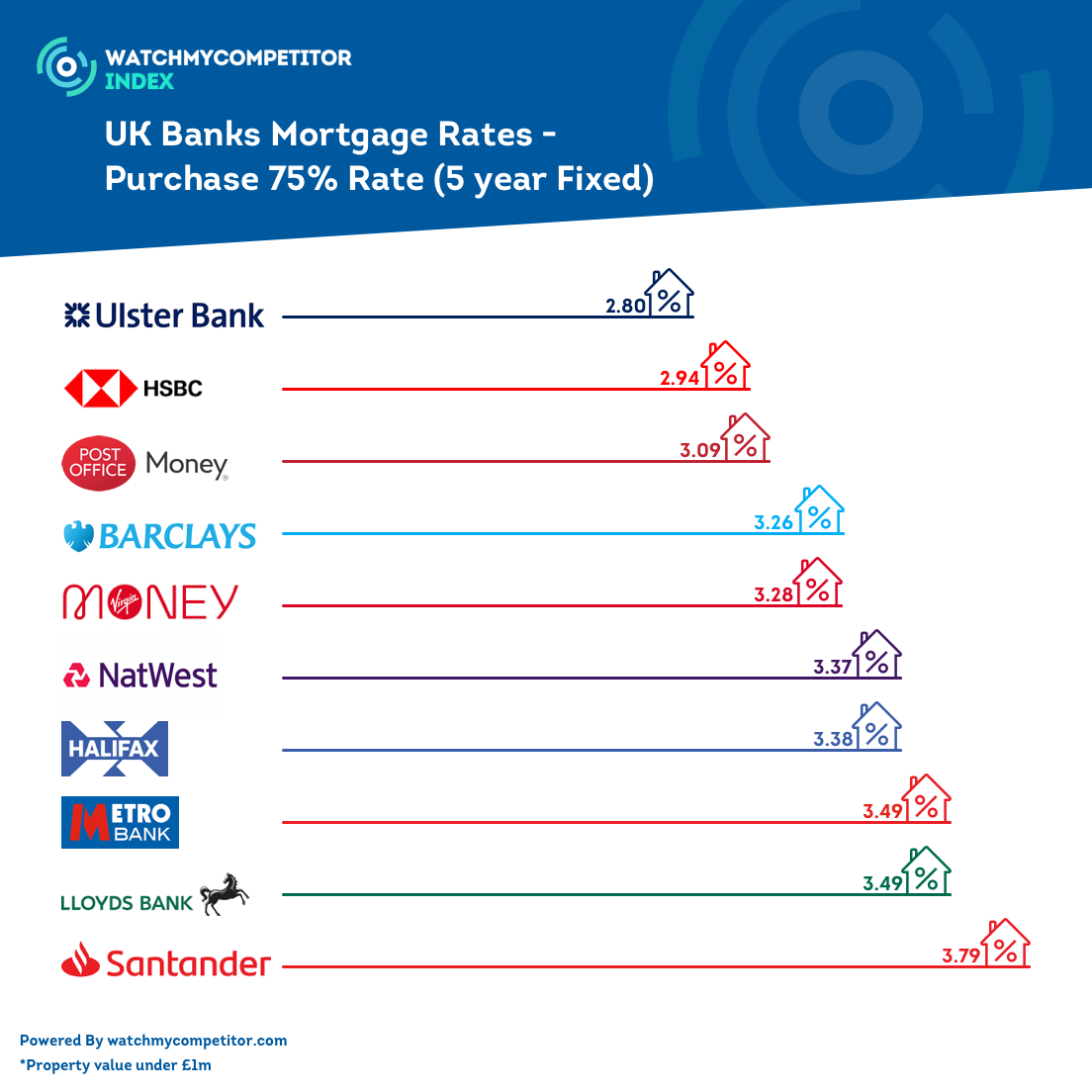
The Major Players: National Banks, Online Lenders, and Credit Unions
The mortgage market is divided into several sectors, each with its own advantages and pricing structures. Understanding where a bank sits in this hierarchy is the first step in identifying who can offer the most competitive rate for your specific situation.
Large National Banks
Institutions like JPMorgan Chase, Bank of America, and Wells Fargo are the giants of the industry. These banks often have the most robust infrastructure and offer “relationship discounts.” If you already hold a significant amount of capital in a savings or investment account with a national bank, they may shave 0.125% to 0.25% off your mortgage rate to keep your business.
While their “street rates” might not always be the absolute lowest, their ability to provide integrated financial services makes them a strong contender for high-net-worth individuals or those who value having all their financial products under one roof.
Online-First Lenders
In the last decade, online lenders like Rocket Mortgage and Better.com have revolutionized the industry. Because these companies do not maintain expensive physical branch networks, they often have lower overhead costs, which can be passed on to the consumer in the form of lower interest rates or reduced origination fees.
Online lenders excel at speed and transparency. Their automated underwriting systems can provide rate quotes in minutes, making them the benchmark for comparison shopping. However, they may lack the personalized touch of a local loan officer, which can be a drawback for first-time buyers with complex financial backgrounds.
Credit Unions and Regional Banks
Credit unions are member-owned cooperatives. Because they do not have to answer to shareholders, their primary goal is to provide value to their members. This often results in mortgage rates that are consistently lower than those of big-box banks.
Navy Federal Credit Union and local community banks are renowned for their competitive pricing and specialized programs, such as low-down-payment loans for first-time buyers or professionals (like doctors or educators). The trade-off is that you must meet membership requirements, which might be based on your employer, location, or military service.
Decoding the Rate: Interest Rate vs. APR
When searching for the best bank, many consumers make the mistake of looking only at the “advertised” interest rate. To truly understand which bank is offering the best deal, you must look at the Annual Percentage Rate (APR).
The Role of Points and Fees
A bank might advertise a remarkably low interest rate of 6.0%, but that rate may be contingent on the borrower paying “discount points” upfront. One point is equal to 1% of the loan amount. If you are borrowing $400,000, one point costs $4,000.

The APR includes the interest rate plus other costs, such as points, mortgage broker fees, and other charges you pay to get the loan. If Bank A offers a 6.2% rate with zero points and Bank B offers a 6.0% rate with two points, Bank A might actually be the “cheaper” option depending on how long you plan to stay in the home.
Fixed-Rate vs. Adjustable-Rate Mortgages (ARMs)
The best rate for a 30-year fixed mortgage will always be higher than the initial rate for a 5/1 or 7/1 ARM. If you plan to move or refinance within five to seven years, an ARM from an online lender or a regional bank might offer the lowest cost of capital. However, if you are looking for long-term stability, the 30-year fixed rate is the gold standard. Banks that specialize in holding loans in their own “portfolio” rather than selling them to Fannie Mae or Freddie Mac often have more flexibility in pricing these different loan products.
How Your Financial Profile Dictates the Rate
The bank with the best rate for a borrower with a 780 credit score may not be the same bank that offers the best rate for someone with a 640 score. Mortgage rates are essentially a reflection of risk.
The Credit Score Threshold
Most banks reserve their “prime” rates for borrowers with a FICO score of 740 or higher. If your score falls into the “fair” category (620-679), you may find that traditional national banks have very high rates or may even decline the application. In this scenario, banks that specialize in FHA (Federal Housing Administration) loans often provide the most competitive rates, as these loans are government-backed and designed for those with less-than-perfect credit.
The Impact of Down Payment and LTV
Your Loan-to-Value (LTV) ratio is a significant factor in rate determination. A borrower putting 20% down represents less risk to a bank than someone putting 3% down. Consequently, those with higher down payments can often negotiate lower rates. Furthermore, if you put down less than 20%, you will likely have to pay Private Mortgage Insurance (PMI), which increases your monthly outlay even if the interest rate itself is low.
Debt-to-Income (DTI) Ratio
Banks also look at how much of your monthly gross income goes toward paying debts. A bank with “aggressive” pricing might have strict DTI requirements (usually under 43%). If your DTI is higher, you may be relegated to “non-conforming” lenders who charge a premium for the increased risk.
The Strategy for Comparison Shopping
To find the bank with the best mortgage rates at any given moment, you must employ a systematic approach to shopping. Rates can change multiple times a day based on the fluctuations of the 10-year Treasury yield.
The 45-Day Shopping Window
A common fear among borrowers is that shopping around will hurt their credit score. However, credit scoring models (like FICO) recognize that consumers need to compare rates. As long as all mortgage inquiries occur within a 45-day window, they are typically treated as a single “hard pull” for scoring purposes. This allows you to solicit quotes from five or six different banks without compounding damage to your credit profile.
Utilizing the Loan Estimate Form
Once you apply, every lender is legally required to provide you with a standardized document called a “Loan Estimate.” This three-page form makes it easy to compare “apples to apples.” Look specifically at “Section A” (Origination Charges) and the “Total Interest Percentage” (TIP). By laying Loan Estimates from a big bank, an online lender, and a credit union side-by-side, the “best” bank will become mathematically clear.
The Power of the Rate Lock
Because rates are volatile, the bank that has the best rate today might not have it tomorrow. Once you find a competitive rate, you must “lock” it. Most banks offer 30-day or 60-day rate locks. Some even offer a “float-down” option, which allows you to take advantage of lower rates if they drop before you close, while protecting you if rates rise.
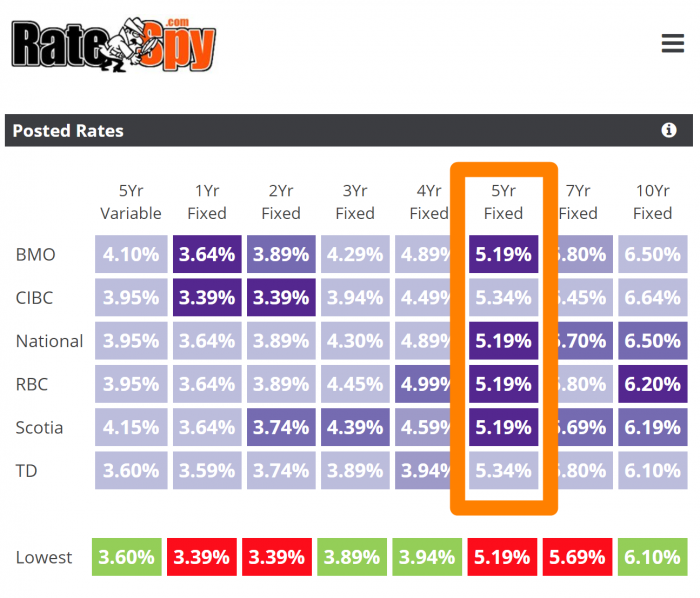
Conclusion: The “Best” Bank is a Moving Target
Ultimately, there is no single bank that permanently holds the title for the best mortgage rates. The market is too competitive and too dependent on individual borrower variables. For a high-credit borrower with a large down payment, a relationship-based discount at a national bank like Chase might be unbeatable. For a tech-savvy buyer looking for low fees and a streamlined digital experience, an online lender like Rocket Mortgage may offer the most value. Meanwhile, a local credit union might offer the best rates for a member of the community.
The key to securing the lowest cost of homeownership is not finding a “magic” bank, but rather preparing your financial profile and forcing lenders to compete for your business. By understanding the interplay between interest rates, APR, and your personal creditworthiness, you can navigate the complex mortgage landscape and secure a loan that minimizes your long-term financial burden.
aViewFromTheCave is a participant in the Amazon Services LLC Associates Program, an affiliate advertising program designed to provide a means for sites to earn advertising fees by advertising and linking to Amazon.com. Amazon, the Amazon logo, AmazonSupply, and the AmazonSupply logo are trademarks of Amazon.com, Inc. or its affiliates. As an Amazon Associate we earn affiliate commissions from qualifying purchases.