
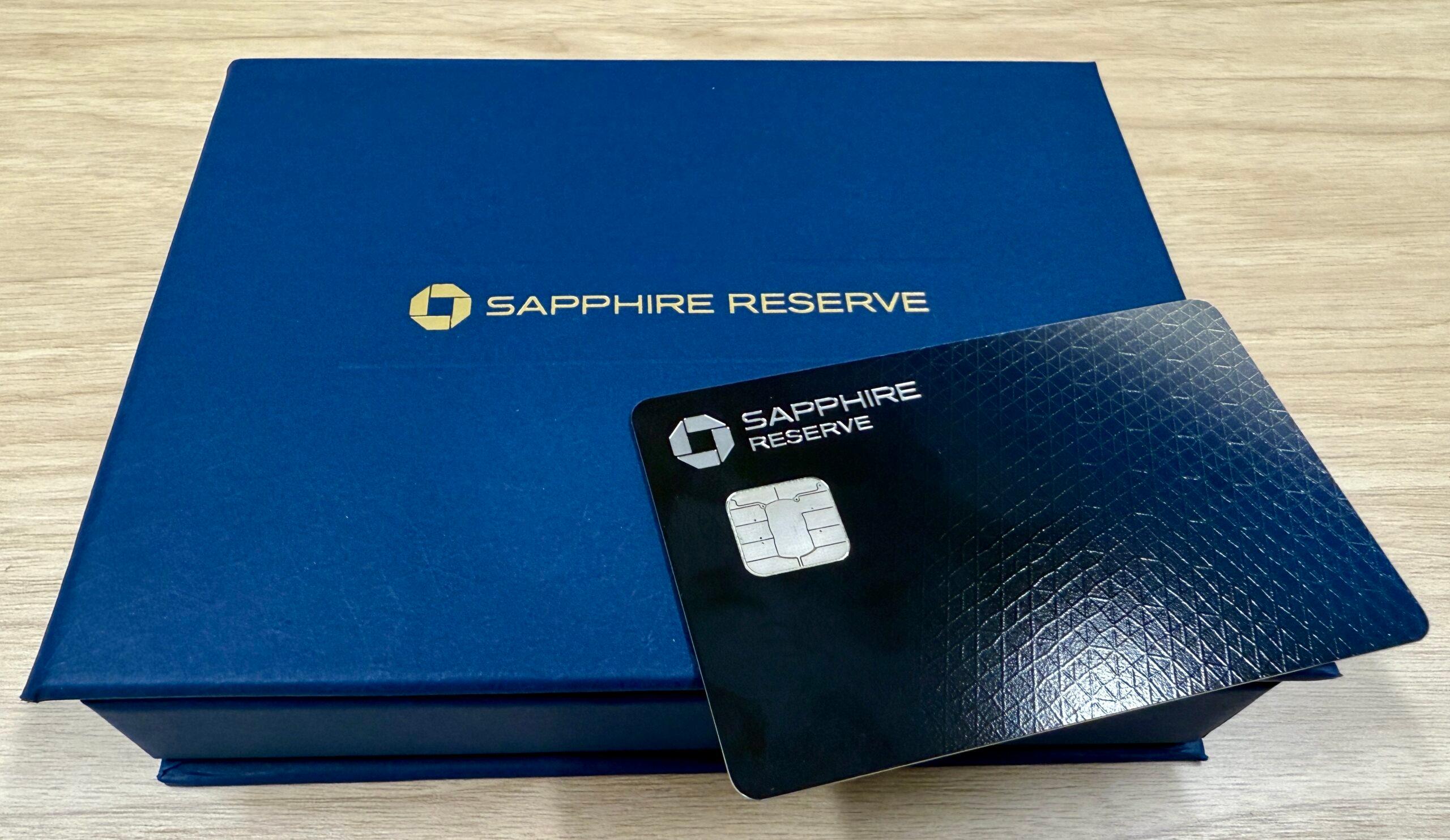
The Chase Sapphire Reserve has long been considered the crown jewel of the premium travel credit card market. Since its explosive debut, it has maintained its status as a “must-have” for frequent flyers, luxury travelers, and points enthusiasts. However, securing this card is not as simple as filling out a standard application. Because it is a Visa Infinite card—a tier above Visa Signature—it carries stringent requirements, high credit limits, and specific internal rules unique to Chase.
Navigating the path to approval requires a blend of high credit worthiness, a strategic understanding of Chase’s internal ecosystem, and precise timing. This guide breaks down the essential steps to obtaining the Chase Sapphire Reserve, from meeting the financial benchmarks to bypassing the common pitfalls that lead to a denial.

Evaluating Your Financial Profile: Credit Scores and Income Requirements
The Chase Sapphire Reserve is a premium financial product, and Chase treats it as such. Before applying, you must ensure your financial profile aligns with what the bank considers a low-risk, high-value client. Unlike entry-level cards that might accept “good” credit, the Reserve typically requires “excellent” credit.
Credit Score Benchmarks
While Chase does not officially publish a minimum credit score requirement, historical data from thousands of applicants suggests that a FICO score of at least 740 is the baseline for a comfortable approval. Some applicants are approved with scores in the low 700s, but these cases usually involve a long-standing, deep banking relationship with Chase or exceptionally high income. If your score is currently below 720, your primary objective should be credit optimization—lowering your utilization and ensuring no late payments are present—before hitting the “submit” button.
The $10,000 Minimum Credit Limit
One of the most critical hurdles for the Chase Sapphire Reserve is the minimum credit limit. Because it is a Visa Infinite card, Chase is legally and operationally required to grant a minimum credit line of $10,000 upon approval. If Chase’s internal risk algorithms do not believe you qualify for at least a $10,000 limit based on your income and existing debt, your application will be automatically denied.
When reporting your income, ensure you are including all legally accessible funds. This includes not just your base salary, but also bonuses, investment dividends, and, if you are over 21, household income to which you have a reasonable expectation of access.
Debt-to-Income Ratio
Chase also looks closely at your debt-to-income (DTI) ratio. If you are already carrying significant balances on other cards or have high monthly loan payments relative to your earnings, Chase may view a new $10,000 line of credit as an over-extension of risk. To improve your odds, pay down existing revolving balances to under 10% utilization at least one billing cycle before you apply.
Mastering the Chase 5/24 Rule and Internal Restrictions
Even with a perfect 850 credit score and a seven-figure income, you can still be denied the Chase Sapphire Reserve. This is due to Chase’s “5/24 Rule,” an unofficial but strictly enforced policy designed to prevent “churning” (the practice of opening cards solely for the sign-up bonus).
Understanding the 5/24 Rule
The 5/24 rule states that you will be automatically denied for any Chase credit card if you have opened five or more new credit card accounts (from any issuer) in the past 24 months. This includes being added as an authorized user on someone else’s account in many cases. Before applying, you must manually audit your credit report. Count every personal credit card opened in the last two years. If that number is five or higher, you must wait until one of those accounts “ages out” before applying for the Reserve.
The “One Sapphire” Rule
Chase also enforces a “One Sapphire” policy. You cannot hold both the Chase Sapphire Preferred and the Chase Sapphire Reserve at the same time. Furthermore, you are ineligible for the sign-up bonus on the Reserve if you have received a “new cardmember bonus” for any Sapphire-branded card in the last 48 months. This is a significantly longer window than the industry standard, making the timing of your application vital for long-term point accumulation.
Managing Internal Credit Limits
Chase has a maximum amount of total credit they are willing to extend to any single individual across all their Chase-branded cards. This is often around 50% of your annual income. If you already have several Chase cards (such as the Freedom Flex or Freedom Unlimited) with high limits, you might be denied the Reserve simply because you have reached your internal limit. In this scenario, a call to the Chase Reconsideration Line can often resolve the issue by allowing you to shift credit from an existing card to the new Reserve account.
The Application Process: Strategies for Success
Once you have verified your credit score and confirmed you are under the 5/24 limit, you need to choose the best method for application.
Online vs. In-Branch Applications
While most people apply online for convenience, there are distinct advantages to applying at a physical Chase branch. Occasionally, “Special Offers” are available in-branch that are not advertised online. These may include a waived annual fee for the first year or a higher sign-up bonus. Speaking with a Relationship Manager can also add a human element to the process; if your application goes into “pending” status, the banker may be able to call the underwriting department on your behalf to provide additional context.
The Value of Pre-Qualification
Before submitting a formal application that results in a “hard pull” on your credit report, check the “Just for You” or “Selected for You” section of your Chase online portal. These are often pre-approved offers based on your existing relationship with the bank. If you see the Chase Sapphire Reserve listed there with a fixed APR (rather than a range), your odds of approval are significantly higher.
Dealing with a “Pending” or “Denied” Status
If you do not receive an instant approval, do not panic. A “pending” status often means the system needs to verify your identity or address. If you receive a denial, your first step should be to call the Chase Reconsideration Line.
When speaking with a reconsideration representative:
-
Be Professional: Treat the call like a polite business negotiation.
-
Highlight Loyalty: Mention how long you have been a Chase customer.
-
Explain the “Why”: Focus on the card’s features (like travel insurance or lounge access) rather than the sign-up bonus.
-
Offer Solutions: If they say you have too much credit, suggest moving $10,000 of credit from another Chase card to open the Reserve.
Strategic Value: Is the $550 Annual Fee Justified?
Getting the card is only the first step; the second is ensuring the $550 annual fee provides a positive return on investment. For the savvy cardholder, the Reserve often pays for itself through its “Big Three” benefits.
The $300 Annual Travel Credit
This is the most straightforward benefit. Chase automatically reimburses you for the first $300 spent on travel each anniversary year. Because Chase defines “travel” broadly—including tolls, parking, taxis, trains, and hotels—this credit is effectively as good as cash for most users. This brings the “effective” annual fee down to $250.
The 1.5x Redemption Power
The Chase Sapphire Reserve increases the value of your Ultimate Rewards points by 50% when redeemed through the Chase Travel portal. For example, 50,000 points are worth $750 toward a flight or hotel stay. This “multiplier effect” applies not just to points earned on the Reserve, but also to points transferred from the Chase Freedom cards, making the Reserve the centerpiece of a “Chase Trifecta” strategy.
Global Entry, TSA PreCheck, and Lounge Access
The card provides a $100 credit for Global Entry or TSA PreCheck every four years and a Priority Pass Select membership. For frequent travelers, the value of airport lounge access, including the burgeoning network of “Chase Sapphire Lounges,” provides significant tangible value in the form of food, drinks, and a quiet workspace.
Upgrading vs. Applying New: Navigating Product Changes
If you currently hold a Chase Sapphire Preferred or a Chase Freedom card, you might consider a “Product Change” (upgrade) to the Reserve instead of a fresh application.
The Benefits of Upgrading
An upgrade does not require a hard credit pull, meaning your credit score will not take the small temporary hit associated with a new application. It also allows you to keep your existing account history and credit line. This is an excellent option for those who are over the 5/24 limit but want the premium benefits of the Reserve.
The Drawbacks of Upgrading
The primary disadvantage of a product change is that you will not receive the sign-up bonus. Sign-up bonuses for the Reserve often range from 60,000 to 80,000 points, which can be worth over $1,200 when used strategically. If you are eligible for the bonus (i.e., you haven’t received a Sapphire bonus in 48 months and are under 5/24), a new application is almost always the superior financial move.
To initiate a product change, you must have had your current card for at least 12 months due to the CARD Act, which prevents banks from increasing annual fees within the first year of an account’s life. If you meet the criteria, simply call the number on the back of your card and request an upgrade to the Sapphire Reserve.

Conclusion: The Path to Premium Membership
Obtaining the Chase Sapphire Reserve is a milestone in a personal finance journey. It signals that you have achieved a level of credit maturity and income stability that places you in the top tier of consumers. By auditing your 5/24 status, optimizing your credit score to the 740+ range, and understanding the nuances of the “One Sapphire” rule, you can approach the application with confidence. Once approved, the card serves as a powerful financial tool, turning everyday spending into luxury travel experiences through the highly versatile Ultimate Rewards ecosystem.
aViewFromTheCave is a participant in the Amazon Services LLC Associates Program, an affiliate advertising program designed to provide a means for sites to earn advertising fees by advertising and linking to Amazon.com. Amazon, the Amazon logo, AmazonSupply, and the AmazonSupply logo are trademarks of Amazon.com, Inc. or its affiliates. As an Amazon Associate we earn affiliate commissions from qualifying purchases.