
The seemingly simple construction of a “what if” question is a powerful cognitive tool, particularly within the realm of technology. These hypothetical inquiries are not merely idle musings; they are the very engines that drive innovation, problem-solving, and strategic foresight in the tech industry. By prompting us to explore alternative realities and potential futures, “what if” questions allow us to dissect complex systems, anticipate challenges, and unlock groundbreaking possibilities. This article delves into the multifaceted nature of “what if” questions within the tech landscape, exploring their role in driving progress, shaping development, and ensuring resilience.

The Genesis of Innovation: “What If” as a Catalyst for Discovery
In the fast-paced and ever-evolving world of technology, a culture of curiosity is paramount. “What if” questions act as the initial spark that ignites this curiosity, pushing the boundaries of what is currently known and implemented. They represent a willingness to challenge the status quo and to imagine scenarios that lie beyond the immediate.
Unlocking Unforeseen Applications
Many of the most transformative technological advancements began with a humble “what if” question. Consider the early days of the internet. While its initial purpose was largely academic and military, the question “What if we could connect everyone’s computers and share information freely?” laid the groundwork for the World Wide Web. This fundamental shift in perspective moved from a utilitarian tool to a platform for global communication and commerce. Similarly, the development of artificial intelligence was fueled by questions like “What if machines could learn from data?” or “What if computers could understand and process human language?” These inquiries, once considered the stuff of science fiction, have now become the bedrock of our digital lives.
Deconstructing Complex Systems
The technological landscape is characterized by intricate interdependencies and complex systems. “What if” questions are invaluable for dissecting these complexities. By posing scenarios that alter a specific variable or introduce a new element, developers, engineers, and strategists can gain a deeper understanding of how different components interact. For example, in software development, a “what if” question like “What if this specific user input is malicious?” can lead to the implementation of robust security protocols. In the realm of hardware, “What if this component overheats under heavy load?” prompts engineers to design better cooling mechanisms or redundant systems. This systematic exploration through hypothetical situations allows for a more comprehensive and nuanced understanding of how technologies function, fail, and can be improved.
Driving Research and Development (R&D)
The R&D departments of tech companies are breeding grounds for “what if” thinking. These teams are tasked with exploring uncharted territories and developing the technologies of tomorrow. “What if we could create a battery that lasts a month on a single charge?” is a question that drives research into new battery chemistries and energy storage solutions. “What if we could build a drone that can deliver packages autonomously in any weather condition?” spurs innovation in robotics, artificial intelligence, and sensor technology. Without these forward-looking hypothetical questions, the pace of R&D would stagnate, and the continuous stream of technological advancements would cease.
Navigating Risk and Uncertainty: “What If” for Resilience and Security
Beyond discovery, “what if” questions are indispensable for anticipating and mitigating risks, especially in a domain as dynamic and interconnected as technology. The potential for unforeseen consequences and vulnerabilities is ever-present, and proactive questioning is the key to building resilient and secure systems.
Proactive Threat Modeling and Cybersecurity
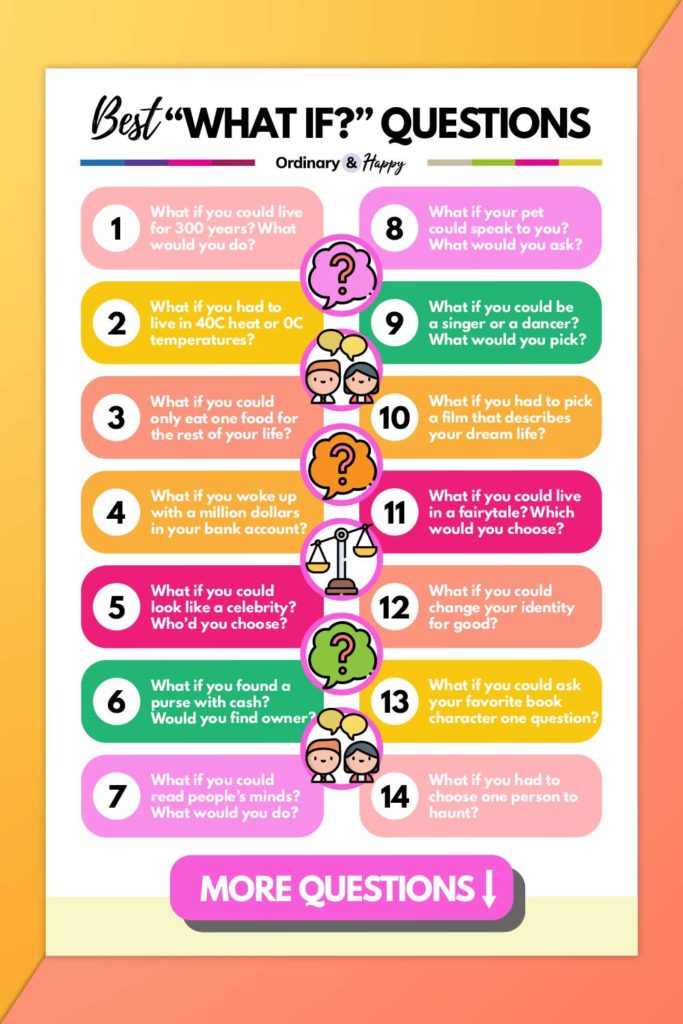
Cybersecurity is a prime example of where “what if” questions are not just useful but critical. Security professionals constantly ask: “What if a hacker exploits this vulnerability?” “What if our system is hit with a ransomware attack?” “What if a disgruntled employee leaks sensitive data?” These questions form the basis of threat modeling, where potential attack vectors are identified and countermeasures are developed. By simulating these adverse scenarios, organizations can build stronger defenses, implement effective incident response plans, and minimize the impact of actual breaches. The proactive nature of this “what if” approach transforms security from a reactive measure to a strategic imperative.
Disaster Recovery and Business Continuity
The reliability of technological infrastructure is paramount for businesses and society at large. “What if our main data center experiences a catastrophic failure?” is a question that leads to the development of robust disaster recovery plans. This involves establishing backup sites, implementing data replication strategies, and outlining clear procedures for resuming operations in the event of an outage. Similarly, questions like “What if there’s a widespread power grid failure affecting our cloud services?” necessitate exploring alternative energy sources and distributed system architectures. By anticipating potential disruptions, tech companies can ensure business continuity, minimizing downtime and preserving critical functions.
Ethical Implications and Societal Impact
As technology becomes more pervasive, its ethical implications and societal impact require careful consideration. “What if this AI algorithm exhibits bias?” is a question that has led to significant research and development in the field of AI fairness and ethics. Developers are now actively working to identify and mitigate biases in datasets and algorithms to ensure equitable outcomes. “What if widespread automation leads to significant job displacement?” prompts discussions and policy development around reskilling, upskilling, and the future of work. These “what if” questions about the broader societal consequences of technology are essential for guiding responsible development and ensuring that technological progress benefits humanity as a whole.
Strategic Foresight and Future-Proofing: “What If” for Long-Term Vision
The ability to anticipate future trends and position oneself strategically is a hallmark of successful tech organizations. “What if” questions play a crucial role in this process, enabling companies to plan for the long term, adapt to changing market dynamics, and maintain a competitive edge.
Market Disruption and Competitive Analysis
In the tech industry, yesterday’s dominant players can quickly become tomorrow’s laggards. “What if a new startup develops a disruptive technology that renders our current offerings obsolete?” is a vital question for fostering a culture of continuous innovation and adaptation. This hypothetical scenario encourages companies to invest in R&D, explore emerging technologies, and be aware of potential competitive threats. It also drives market analysis, where companies try to predict where the market is heading and how they can position themselves to capitalize on future opportunities or defend against emerging challenges.
Product Development and Roadmapping
When developing new products or services, “what if” questions help shape the product roadmap and define features. “What if users demand more personalization in our application?” might lead to the development of AI-driven recommendation engines. “What if the next generation of mobile devices offers significantly more processing power?” prompts developers to consider more demanding applications and experiences. This iterative process of questioning and refining based on hypothetical user needs and technological advancements ensures that products remain relevant and competitive over time.

Scenario Planning for Business Strategy
Beyond individual products, “what if” questions are fundamental to broader business strategy and scenario planning. “What if geopolitical tensions disrupt global supply chains for essential components?” necessitates diversifying suppliers and exploring nearshoring options. “What if there’s a significant shift in consumer behavior towards subscription-based models?” encourages companies to re-evaluate their revenue streams and service offerings. By creating and analyzing various plausible future scenarios, tech leaders can develop more robust and adaptable business strategies that are resilient to change and positioned for sustained growth.
In conclusion, “what if” questions are far more than just a linguistic curiosity. They are foundational to the very fabric of technological advancement, risk management, and strategic planning. From sparking initial ideas in research labs to fortifying digital defenses and charting long-term business trajectories, these hypothetical inquiries empower individuals and organizations to navigate complexity, anticipate challenges, and ultimately shape a more innovative, secure, and prosperous future in the ever-evolving world of technology.
aViewFromTheCave is a participant in the Amazon Services LLC Associates Program, an affiliate advertising program designed to provide a means for sites to earn advertising fees by advertising and linking to Amazon.com. Amazon, the Amazon logo, AmazonSupply, and the AmazonSupply logo are trademarks of Amazon.com, Inc. or its affiliates. As an Amazon Associate we earn affiliate commissions from qualifying purchases.