
In the contemporary financial landscape, the definition of “currency” is undergoing a radical transformation. While traditional fiat currencies like the Dollar, Euro, and Yen still dominate global trade, a new frontier of digital assets has emerged, fundamentally changing how consumers—particularly younger demographics—perceive value and purchasing power. At the forefront of this digital economic revolution is “V-Bucks,” the proprietary virtual currency used within Epic Games’ flagship title, Fortnite.
To the uninitiated, V-Bucks might seem like mere “play money” used to buy digital costumes. However, from a financial perspective, V-Bucks represent a sophisticated micro-economy that generates billions of dollars in annual revenue, challenging our traditional understanding of consumer spending, digital asset management, and the psychology of microtransactions. Understanding V-Bucks is no longer just for gamers; it is a prerequisite for understanding the future of the digital economy.
The Anatomy of a Digital Economy: Understanding the V-Bucks Ecosystem
At its core, V-Bucks (short for Vindertech Bucks) serve as the medium of exchange within the closed-loop ecosystem of Fortnite. Unlike decentralized cryptocurrencies such as Bitcoin, V-Bucks are a centralized digital asset controlled entirely by Epic Games. They represent a bridge between traditional fiat money and virtual goods, creating a seamless transactional environment that encourages frequent spending.
The Transition from Fiat to Virtual Assets
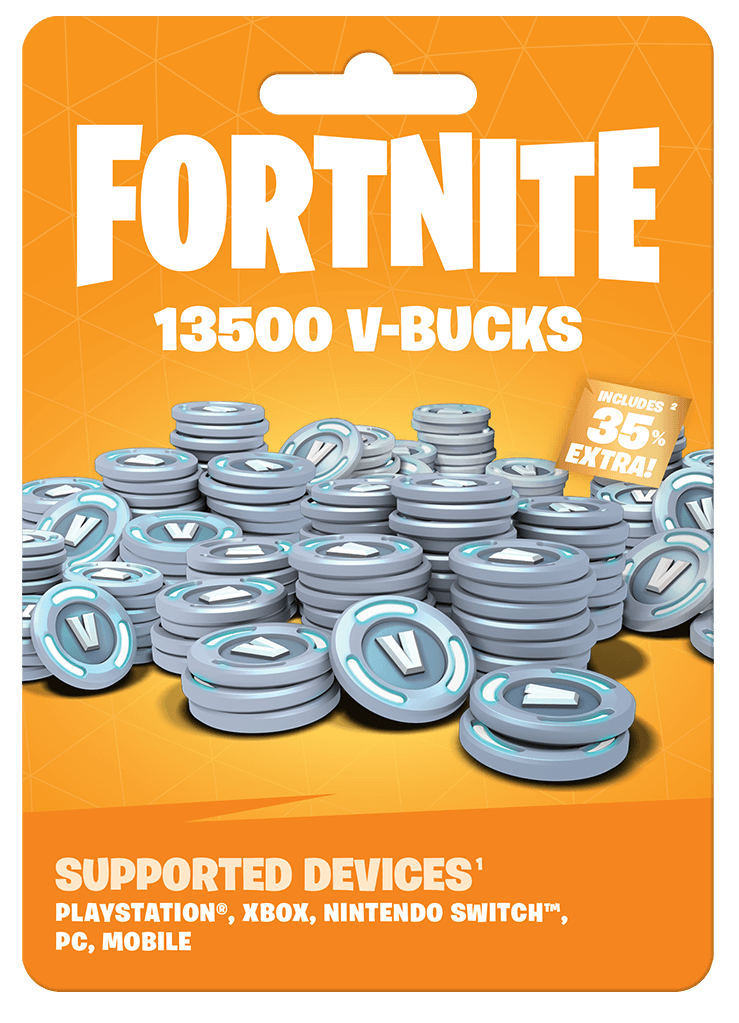
The process of acquiring V-Bucks is the first point of contact between a consumer’s real-world bank account and the virtual marketplace. Users purchase V-Bucks using real-world currency through various platforms (PlayStation Store, Xbox Marketplace, Epic Games Store). This transaction is a critical psychological threshold. Once a consumer converts $10 USD into 1,000 V-Bucks, the perceived value of that money shifts.
Financial analysts often point to this as “decoupling.” By turning real money into a proprietary token, the emotional weight of spending is diminished. It is far easier for a consumer to spend “500 V-Bucks” on a digital emote than it is to spend $5.00, despite the value being identical. This abstraction of wealth is a cornerstone of modern digital financial strategies.
The Closed-Loop Ecosystem and Liquidity
One of the most important financial characteristics of V-Bucks is that they exist within a “closed-loop” system. In the world of finance, liquidity refers to how easily an asset can be converted into cash. V-Bucks have zero outward liquidity; once you purchase them, you cannot legally convert them back into USD or transfer them to another platform.
This creates a “sunk cost” environment. From a personal finance perspective, money converted into V-Bucks is considered fully spent the moment the transaction occurs, regardless of whether the V-Bucks are actually used to buy an in-game item. This model ensures that capital remains within the Epic Games ecosystem, fueling a self-sustaining cycle of digital consumption.
The Monetization Strategy: Psychology, Scarcity, and Profitability
The success of V-Bucks is not accidental; it is built upon rigorous economic principles designed to maximize “Average Revenue Per User” (ARPU). By blending traditional retail psychology with digital-first convenience, Epic Games has created a blueprint for high-margin profitability.
The “Obfuscation” of Value and Tiered Pricing
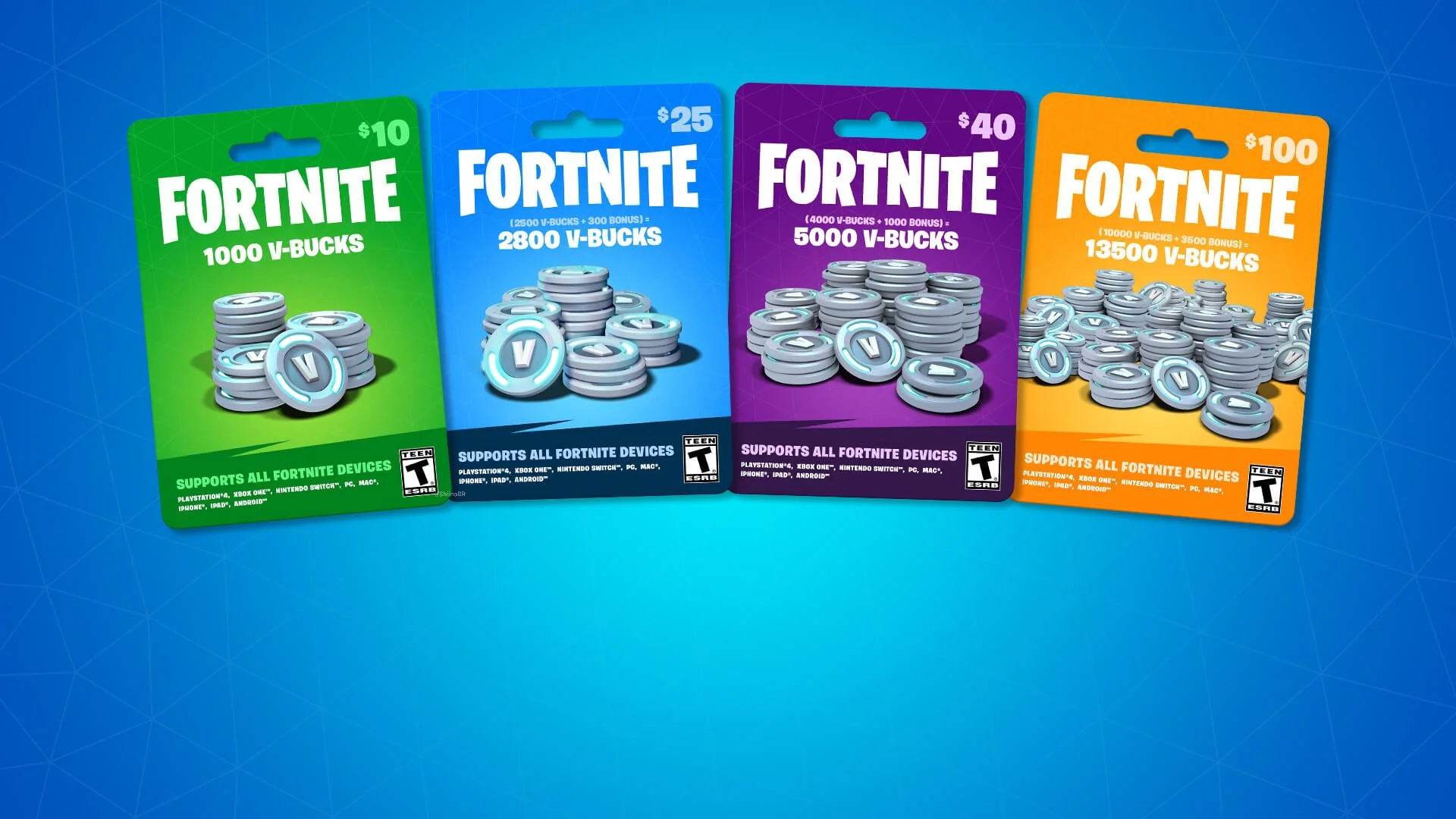
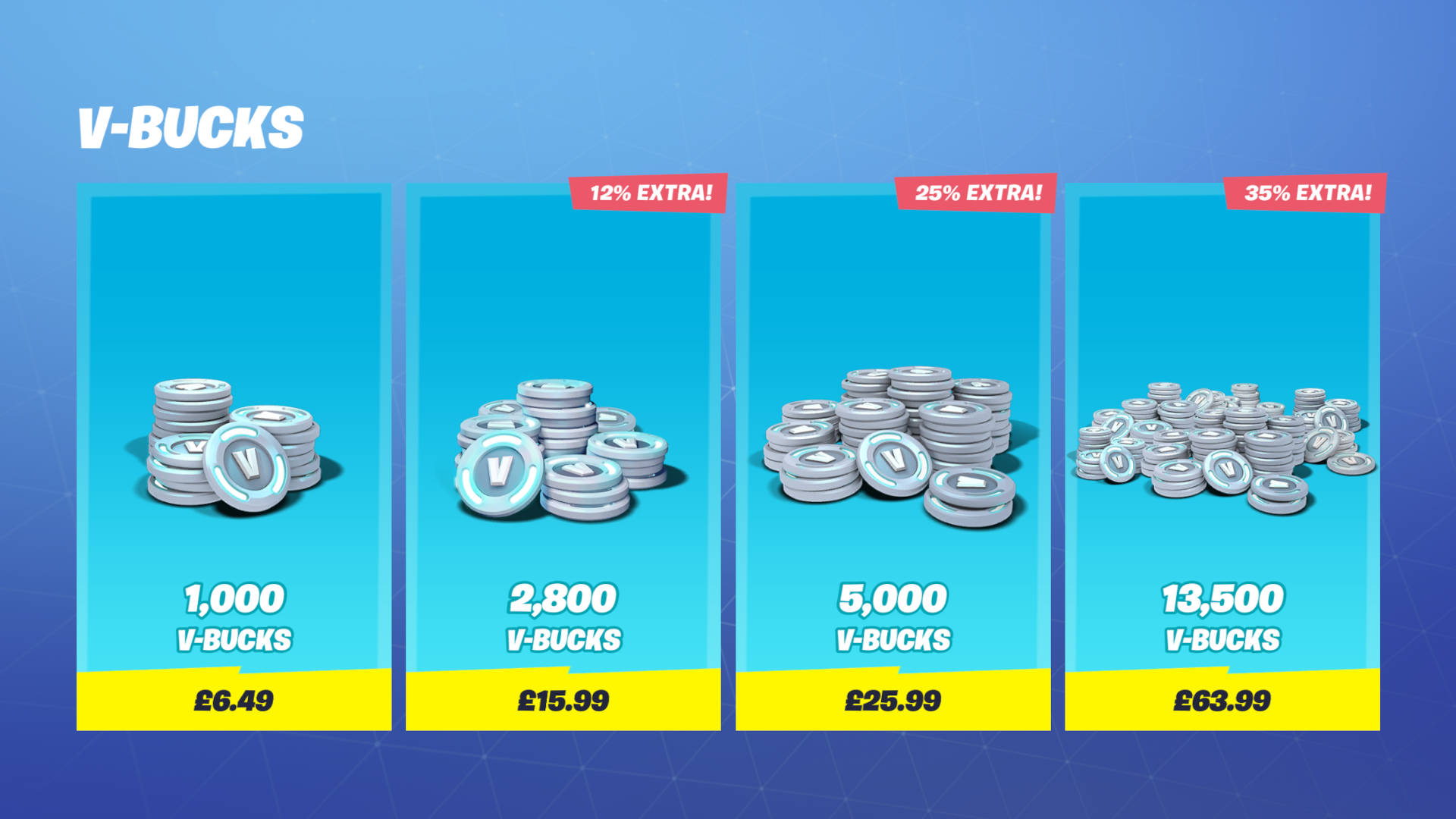
A key strategy in the V-Bucks economy is the intentional misalignment of price points. For example, a “Skin” (a character outfit) might cost 1,500 V-Bucks. However, V-Bucks are often sold in bundles of 1,000, 2,800, or 5,000.
This creates a “leftover” balance. If a user buys 2,800 V-Bucks to get a 1,500-V-Buck skin, they are left with 1,300 V-Bucks. This remainder is not enough for another premium skin but is too much to let sit idle. This “forced” leftover balance encourages the user to purchase more V-Bucks to reach the next tier of a desired item, a tactic known in business finance as “induced demand.” It ensures that the consumer is always slightly short or slightly over the amount needed, keeping them perpetually engaged with the marketplace.
Artificial Scarcity and the Item Shop
In traditional finance, the law of supply and demand dictates price. In the V-Bucks economy, supply is infinite (as digital goods have zero marginal cost), so Epic Games utilizes “artificial scarcity.” The Fortnite Item Shop rotates its inventory every 24 hours. If a user sees a desirable item, they know it may not be available again for months.
This creates an environment of FOMO (Fear Of Missing Out), which accelerates the velocity of money within the game. From a marketing and brand strategy perspective, this transforms a digital asset into a “limited edition” commodity, driving up its perceived value and ensuring that users keep a “float” of V-Bucks in their account at all times to be ready for unexpected drops.
Financial Management and Digital Spending in the Modern Household
As virtual currencies become a standard line item in household budgets, the need for financial literacy regarding digital assets has never been higher. For many families, V-Bucks represent the first introduction children have to budgeting and discretionary spending.
Managing Household Budgets in the Era of Gaming
For parents and individuals, managing V-Bucks requires the same discipline as managing a traditional savings account. Because V-Bucks are so easily accessible via “one-click” purchases on consoles and smartphones, they can lead to “micro-leakage” in a budget—small, frequent expenditures that aggregate into significant monthly totals.
Financial advisors now recommend treating virtual currency as a specific budget category. By using “V-Bucks Gift Cards” instead of linking a credit card directly to a gaming console, consumers can implement a “hard cap” on spending. This mirrors the “envelope method” of budgeting, where a fixed amount of cash is allocated to a specific purpose, preventing debt accumulation and impulsive overspending.
Avoiding Fraud and Protecting Digital Wealth
Because V-Bucks hold significant value, they have become a target for financial cybercrime. “Free V-Bucks” scams are prevalent across the internet, often acting as phishing attempts to steal credit card information or account credentials.
From a digital security and personal finance standpoint, it is vital to recognize that V-Bucks have no secondary market sanctioned by the developer. Any site offering to sell V-Bucks at a discount or provide them for free is a high-risk entity. Protecting one’s “digital wealth” involves enabling Two-Factor Authentication (2FA) and understanding that, in the digital world, if a financial offer seems too good to be true, it is almost certainly a fraudulent attempt to compromise your primary financial accounts.
The Future of Virtual Assets and the Global Economy
V-Bucks are more than just a gaming phenomenon; they are a precursor to the “Metaverse Economy.” As our physical and digital lives continue to converge, the lessons learned from the V-Bucks model will likely inform how we interact with future financial tools, including Central Bank Digital Currencies (CBDCs) and tokenized real-world assets.
V-Bucks as a Precursor to the Metaverse Economy
The Metaverse—a collective virtual shared space—will require a unified medium of exchange. V-Bucks have proven that consumers are willing to exchange significant amounts of fiat currency for purely cosmetic, non-functional digital assets. This paves the way for a broader “Direct-to-Avatar” (D2A) economy, where brands like Nike, Gucci, and Ralph Lauren sell digital versions of their products for virtual currency.
In this future, “Digital Net Worth” may become a recognized component of an individual’s financial profile. While V-Bucks currently lack “interoperability” (the ability to spend them in other games or platforms), the financial world is watching closely to see if Epic Games or its competitors will eventually allow for the cross-platform transfer of value. If this happens, virtual currencies will move one step closer to becoming “real” money.
Implications for Financial Literacy Education
The ubiquity of V-Bucks offers a unique opportunity for financial education. By engaging with these systems, young consumers learn about exchange rates, inflation (as the “price” of in-game items fluctuates), and the importance of saving for high-value goals (like a “Battle Pass”).
However, it also requires a shift in how we teach finance. We must move beyond “dollars and cents” to include “tokens and credits.” Understanding the mechanics of V-Bucks—the obfuscation of costs, the psychology of the “buy button,” and the importance of digital security—is essential for the next generation of investors who will navigate an increasingly digitized financial world.
Conclusion
What are V-Bucks? They are the vanguard of a new financial era. They represent a masterclass in digital monetization, a challenge to traditional household budgeting, and a window into the future of global commerce. By treating V-Bucks not as a toy, but as a serious financial instrument, consumers and financial professionals alike can better prepare for a world where the line between “real” money and “virtual” currency continues to blur. Whether we are managing a child’s allowance or analyzing the quarterly earnings of a multi-billion dollar tech giant, the economy of V-Bucks provides invaluable insights into the evolving nature of value in the 21st century.
aViewFromTheCave is a participant in the Amazon Services LLC Associates Program, an affiliate advertising program designed to provide a means for sites to earn advertising fees by advertising and linking to Amazon.com. Amazon, the Amazon logo, AmazonSupply, and the AmazonSupply logo are trademarks of Amazon.com, Inc. or its affiliates. As an Amazon Associate we earn affiliate commissions from qualifying purchases.