
In an economic landscape often characterized by fluctuating markets, rising costs, and pervasive consumerism, the ability to save money effectively is more crucial than ever. For many, saving isn’t just about accumulating wealth; it’s about financial security, achieving life goals, and ultimately, gaining freedom. Yet, the path to saving “the most money” isn’t always straightforward. It requires a blend of discipline, strategic planning, and consistent action. This article delves into a comprehensive framework designed to empower individuals to not only cut costs but to fundamentally transform their financial habits, paving the way for maximum savings and a more resilient financial future. We’ll explore foundational principles, practical strategies for expense reduction, smart consumption techniques, and methods for optimizing your financial ecosystem, all geared towards helping you save more than you ever thought possible.
1. Establishing a Solid Financial Foundation for Maximum Savings
Before diving into specific tactics, building a robust financial foundation is paramount. This involves cultivating the right mindset, setting ambitious yet realistic goals, and understanding the core mechanics of your personal finances. Without these pillars, even the most diligent efforts can falude or lack direction.
The Savings Mindset: Cultivating Financial Discipline
Saving isn’t merely an act; it’s a way of thinking. A scarcity mindset can be counterproductive, leading to deprivation and eventual backsliding. Instead, embrace an abundance mindset focused on deliberate choices and long-term gain. Understand that every dollar saved today represents future opportunity, whether it’s for a down payment, retirement, or unexpected emergencies. Recognize that saving is a form of self-care and empowerment. This shift in perspective transforms saving from a chore into a rewarding journey, making it sustainable and even enjoyable. It’s about conscious choices, not just cutting back. Challenge your assumptions about necessities versus wants and recognize the powerful cumulative effect of small, consistent savings.
Setting Clear, Ambitious Financial Goals
You can’t save “the most money” if you don’t know what you’re saving for. Goals provide purpose and motivation. Begin by articulating both short-term (e.g., emergency fund, new gadget, vacation) and long-term goals (e.g., house down payment, retirement, child’s education). Crucially, these goals should be SMART: Specific, Measurable, Achievable, Relevant, and Time-bound. Instead of “I want to save money,” aim for “I will save $10,000 for a down payment by December 2025.” Break down large goals into smaller, manageable milestones. Seeing progress towards these defined targets is a powerful motivator that reinforces the savings mindset and helps you stay on track, especially when faced with temptations to overspend.
The Indispensable Power of a Detailed Budget
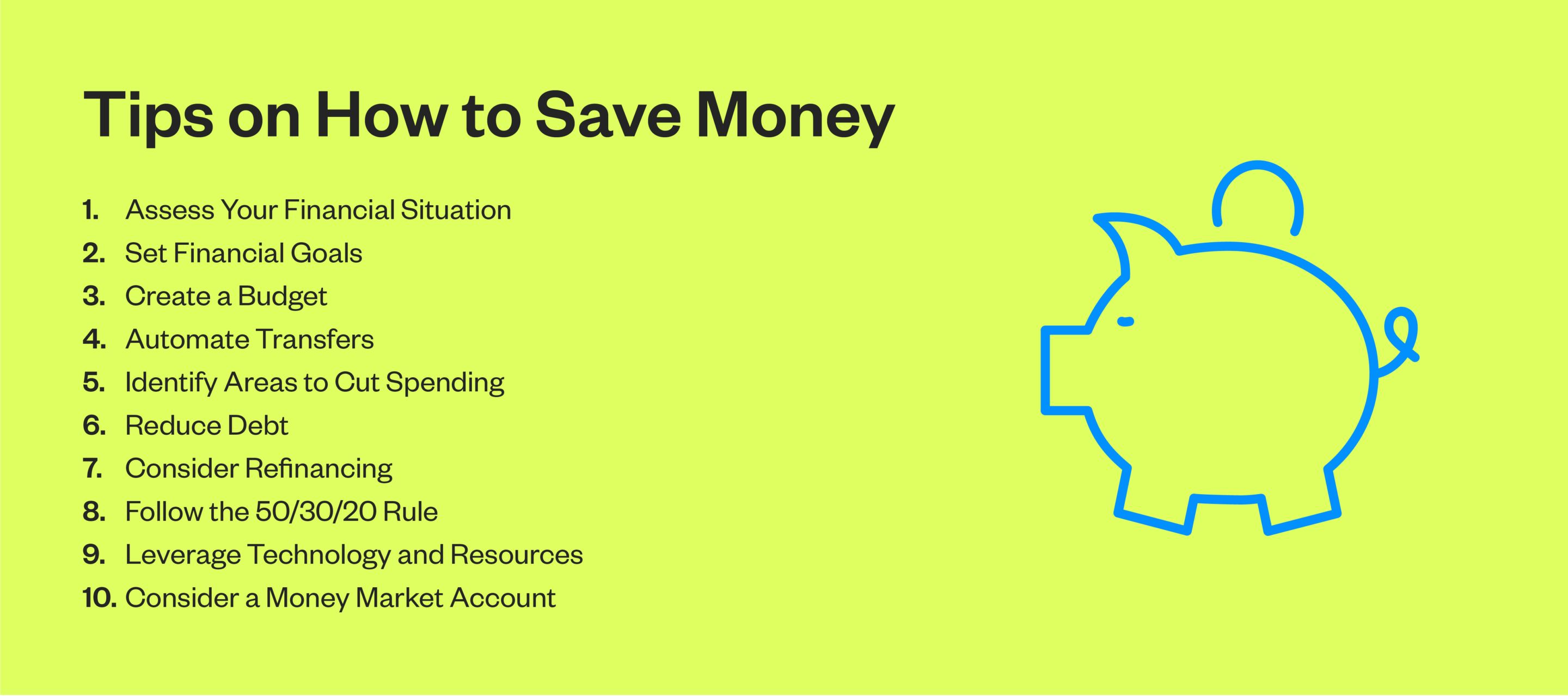
A budget is not a restriction; it’s a financial roadmap. To save the most, you must know exactly where your money is going. Start by tracking every penny spent for a month or two. Categorize your expenses meticulously. Many are shocked to discover how much they spend on seemingly small, discretionary items. Once you have a clear picture, create a budget that allocates every dollar of your income. Popular budgeting methods include the 50/30/20 rule (50% needs, 30% wants, 20% savings/debt repayment) or zero-based budgeting, where every dollar is assigned a job. The key is to find a method that works for you and stick to it. Regularly review and adjust your budget to reflect changes in income, expenses, or goals. This granular understanding of your cash flow is the single most powerful tool for identifying areas where you can significantly increase your savings.
2. Strategic Expense Reduction: Targeting Your Biggest Outlays
While budgeting reveals where your money goes, strategic expense reduction involves actively finding ways to decrease those outlays without necessarily sacrificing quality of life. This often means tackling the largest categories first, as they offer the most significant opportunities for savings.
Taming Fixed Costs: Housing & Transportation
For most individuals, housing and transportation represent the largest fixed expenses. Even marginal reductions in these areas can free up substantial funds. For housing, consider refinancing your mortgage if interest rates have dropped, exploring opportunities to downsize if your space exceeds your needs, or even taking on a housemate to split rent/mortgage costs. If renting, negotiate your lease renewal or explore more affordable neighborhoods. For transportation, re-evaluate the necessity of a car, especially in urban areas with robust public transport. If a car is essential, explore fuel-efficient models, carpooling, or even cycling for shorter trips. Regularly maintain your vehicle to prevent costly repairs and shop around for competitive auto insurance rates annually. The cumulative effect of these adjustments can be transformative for your savings rate.
Streamlining Variable Expenses: Food & Entertainment
Variable expenses, such as food and entertainment, often present the most immediate opportunities for savings because they are within your direct control. When it comes to food, meal planning is your secret weapon. Plan your weekly meals, create a precise grocery list, and stick to it, avoiding impulse buys. Cook more at home and pack lunches for work. Be mindful of food waste, which represents a significant loss for many households. Explore generic brands, shop sales, and consider buying in bulk for non-perishable items. For entertainment, seek out free or low-cost activities like parks, libraries, or community events. Limit costly nights out, dine out less frequently, and explore streaming services bundles or sharing options. Track your entertainment spending closely to identify patterns of overspending and make conscious choices to cut back.
Cutting Unnecessary Subscriptions and Services
In the age of digital convenience, subscription creep is a silent killer of savings. From multiple streaming services and fitness apps to various software subscriptions and premium content, these recurring charges can add up significantly without you noticing. Conduct a thorough audit of all your subscriptions, both digital and physical. Ask yourself: do I truly use this service regularly? Does it provide value commensurate with its cost? Can I find a free or cheaper alternative? Cancel anything you don’t use or value sufficiently. For those you wish to keep, explore annual payment options, which often come with discounts compared to monthly billing. Be ruthless in this assessment; freeing up even $50-$100 per month from forgotten subscriptions can significantly boost your savings.
3. Smart Consumption and Frugal Habits: Making Every Dollar Count

Beyond cutting expenses, cultivating smart consumption habits and embracing frugality can dramatically accelerate your savings. This involves a shift in how you approach purchases and daily living, emphasizing value, durability, and resourcefulness.
The Art of Mindful Spending
Mindful spending is the antidote to impulse purchases and buyer’s remorse. Before every purchase, pause and ask yourself: Do I truly need this? Is there a cheaper alternative? Can I borrow it? Will this purchase align with my financial goals? Delay gratification by implementing a 24-hour or even 7-day rule for non-essential items. This cooling-off period often reveals that the desire was fleeting. Focus on buying experiences over material possessions, which often provide more lasting satisfaction. Embrace minimalism, reducing clutter and the urge to constantly acquire new things. When you do buy, prioritize quality and durability over trends, as well-made items often last longer and prove more cost-effective in the long run.
Leveraging Discounts, Sales, and Coupons Effectively
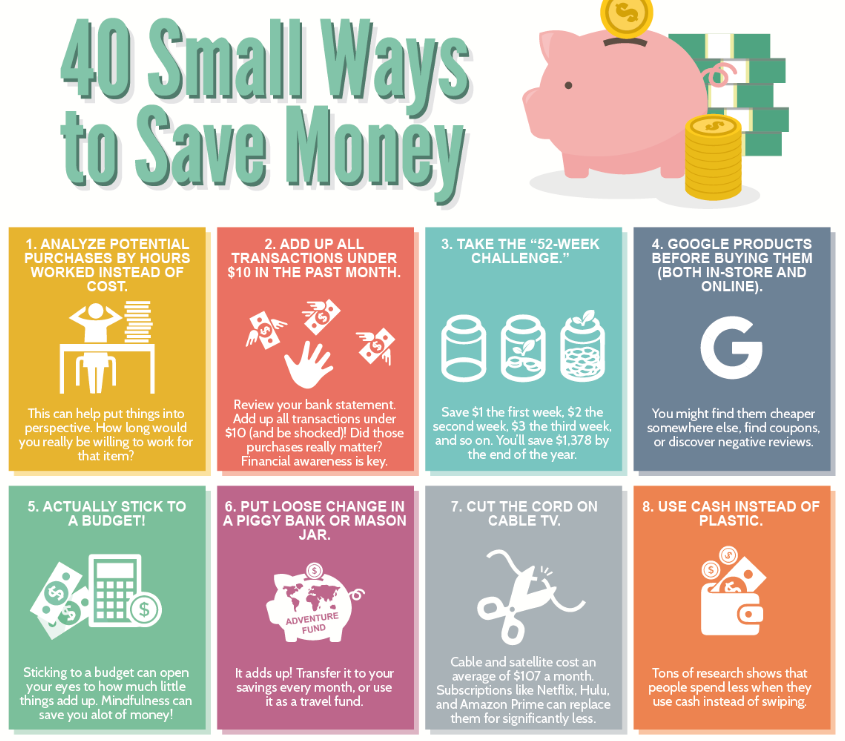
Strategic shopping can save you a substantial amount without feeling deprived. Never pay full price if you don’t have to. Sign up for loyalty programs, email newsletters from your favorite stores, and utilize coupon apps. Shop during major sales events (Black Friday, seasonal clearances) but be wary of marketing ploys designed to make you spend more. Compare prices across different retailers, both online and in-store, using price comparison tools. Don’t underestimate the power of haggling, especially for larger purchases like electronics or services. Consider buying secondhand items for clothes, furniture, or electronics from reputable sources. The goal is to maximize the value received for every dollar spent, not to simply buy more.
DIY and Repair: Extending Lifespan and Saving Cash
In a disposable society, learning to do things yourself and repair broken items is a powerful money-saving skill. Instead of immediately replacing a broken appliance, watch a YouTube tutorial or consult an online forum to see if it’s a simple fix. Learn basic home maintenance, gardening, or even cooking from scratch. These skills reduce reliance on expensive external services and give you a greater sense of accomplishment. Mending clothes, fixing minor household issues, or performing your own car maintenance (where safe and appropriate) can save hundreds, if not thousands, of dollars annually. It also promotes sustainability and reduces waste, aligning financial prudence with environmental responsibility.
4. Optimizing Your Financial Ecosystem and Automating Savings
True mastery of saving involves not just cutting expenses but also optimizing how your money works for you and making saving an automatic, effortless part of your life. This includes leveraging financial tools, managing debt, and finding ways to increase your income streams.
High-Yield Savings Accounts and CD Laddering
Don’t let your saved money sit idly in a low-interest checking account. Transfer your emergency fund and short-term savings to a high-yield savings account (HYSA). These online-only banks often offer significantly higher interest rates than traditional brick-and-mortar banks, meaning your money grows faster with minimal effort. For funds you won’t need for a specific period (e.g., a down payment in 2 years), consider a Certificate of Deposit (CD) ladder. This strategy involves dividing your money into multiple CDs with varying maturity dates, allowing you to access portions of your funds periodically while still earning higher interest rates than a standard savings account. This strategy not only maximizes the growth of your savings but also encourages you to keep those funds untouched.
Aggressive Debt Repayment Strategies
High-interest debt, such as credit card debt or personal loans, is a significant impediment to saving the most money. The interest payments eat away at your income, making it harder to accumulate savings. Prioritize aggressive debt repayment using strategies like the debt snowball (paying off the smallest debt first for psychological wins) or the debt avalanche (paying off the highest interest debt first to save money on interest). Once high-interest debt is eliminated, the money previously allocated to payments can be redirected entirely into savings or investments, turbocharging your financial progress. Think of every dollar used to pay down high-interest debt as a dollar saved from future interest charges.
Boosting Income to Fuel Savings
While cutting expenses is crucial, there’s a limit to how much you can cut. There’s no limit, however, to how much you can potentially earn. Explore opportunities to increase your income, which can then be directly channeled into your savings goals. This could involve negotiating a raise at your current job, taking on a side hustle (freelancing, gig economy work, selling crafts), or developing new skills that command higher pay. Every extra dollar earned and consciously saved accelerates your progress towards financial goals. Even a small side income of a few hundred dollars a month, if fully saved, can make a significant difference over time, effectively allowing you to save “the most money” by increasing your total savings capacity.
Harnessing Technology: Budgeting Apps and Financial Tools
In today’s digital age, a plethora of apps and online tools can simplify and enhance your saving efforts. Budgeting apps like YNAB (You Need A Budget), Mint, or Personal Capital can help you track spending, categorize transactions, set budgets, and visualize your financial progress. Investment apps like Acorns or Betterment can round up purchases and automatically invest the difference, or allow for automated recurring investments. Robo-advisors can provide low-cost investment management, ensuring your savings are growing efficiently. Leverage these tools to automate savings transfers, monitor your financial health, and stay motivated. Technology can remove much of the manual effort involved in managing money, allowing you to focus on strategic decisions and consistent saving habits.
Conclusion
Saving the most money is not a singular action but a holistic approach to financial management that integrates mindset, planning, disciplined spending, and strategic optimization. It requires a willingness to scrutinize every aspect of your financial life, challenge ingrained habits, and consistently make choices that prioritize long-term wealth accumulation. By establishing a solid financial foundation, strategically reducing major expenses, adopting smart consumption habits, and leveraging financial tools and income-boosting strategies, you can transform your relationship with money. This journey is continuous, demanding regular review and adjustment, but the rewards—financial security, freedom, and the ability to achieve your most ambitious goals—are immeasurable. Start today, make conscious choices, and watch your savings grow into a powerful testament to your financial discipline.
aViewFromTheCave is a participant in the Amazon Services LLC Associates Program, an affiliate advertising program designed to provide a means for sites to earn advertising fees by advertising and linking to Amazon.com. Amazon, the Amazon logo, AmazonSupply, and the AmazonSupply logo are trademarks of Amazon.com, Inc. or its affiliates. As an Amazon Associate we earn affiliate commissions from qualifying purchases.