
The question of “what are today’s mortgage rates” is more than just a search for a percentage; it is a pulse check on the global economy and a critical data point for personal financial planning. Whether you are a first-time homebuyer looking for an entry point into the market or a seasoned investor calculating the cap rate on a new rental property, the cost of borrowing capital is the single most significant variable in the real estate equation.
Mortgage rates do not exist in a vacuum. They are the product of complex interactions between central bank policies, investor sentiment in the bond market, and the overarching health of the economy. In today’s financial climate, characterized by fluctuating inflation and shifting monetary policies, understanding these rates requires a deep dive into both the macro forces at play and the micro factors that determine your specific eligibility.
The Mechanics of Mortgage Rates: How They Are Determined
To understand why mortgage rates are at their current levels, one must look toward the secondary market, specifically the market for Mortgage-Backed Securities (MBS). When a bank issues a mortgage, they rarely keep that debt on their books. Instead, they bundle loans and sell them to investors. Consequently, mortgage rates are largely dictated by the yield these investors demand.
The Influence of the 10-Year Treasury Yield
While the Federal Reserve’s “Fed Funds Rate” often grabs the headlines, mortgage rates are more closely tied to the yield on the 10-year Treasury note. Investors view Treasury notes and Mortgage-Backed Securities as similar “fixed-income” assets. When Treasury yields rise—often due to expectations of inflation or economic growth—mortgage rates almost invariably follow. The “spread” between the 10-year Treasury and a 30-year fixed mortgage typically hovers around 200 to 300 basis points, though this can widen during times of market volatility or economic uncertainty.
The Federal Reserve’s Impact on Liquidity
The Federal Reserve influences mortgage rates through two primary levers: the benchmark interest rate and its balance sheet. While the Fed does not set mortgage rates directly, its decisions to raise or lower interest rates to combat inflation or stimulate growth signal the “cost of money” to the entire economy. Furthermore, during periods of economic stress, the Fed may engage in quantitative easing—buying MBS to keep rates artificially low. Conversely, when the Fed reduces its holdings, it adds supply to the market, which can push rates upward.
Types of Mortgage Loans and Their Rate Structures
Not all mortgage rates are created equal. The “headline” rate you see in news reports usually refers to a 30-year fixed-rate mortgage for a borrower with excellent credit. However, the financial market offers various products designed to suit different risk tolerances and investment timelines.
Fixed-Rate Mortgages: The Standard for Stability
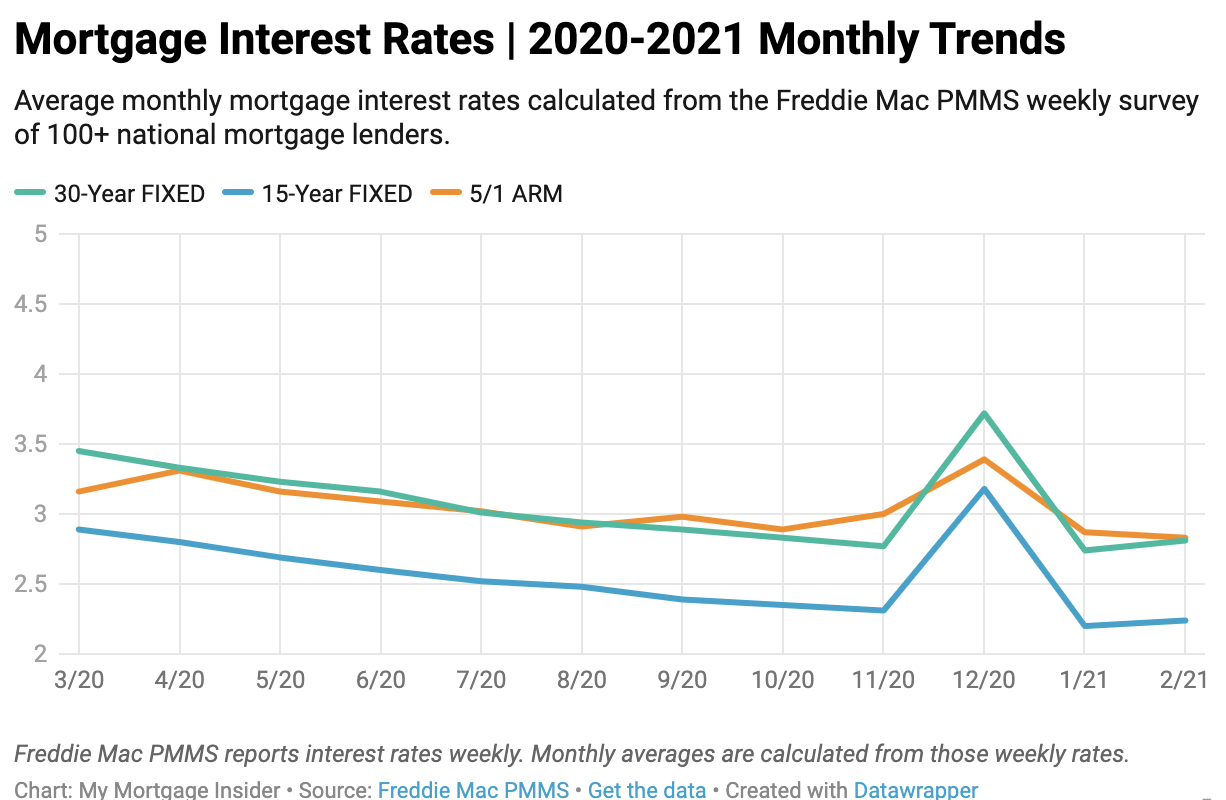
The 30-year fixed-rate mortgage remains the gold standard for American homeowners. It offers the security of a consistent monthly payment for three decades, shielding the borrower from future interest rate hikes. For those who can afford higher monthly payments, the 15-year fixed-rate mortgage typically offers a lower interest rate, allowing the borrower to build equity much faster and pay significantly less in total interest over the life of the loan.
Adjustable-Rate Mortgages (ARMs): Strategic Flexibility
In a high-rate environment, Adjustable-Rate Mortgages often gain popularity. An ARM typically starts with a lower “teaser” rate for a fixed period (such as 5, 7, or 10 years) before adjusting annually based on a market index. This can be a savvy financial move for individuals who plan to sell the property or refinance before the introductory period ends. However, ARMs carry the inherent risk of payment shock if market rates are higher at the time of adjustment.
Government-Backed Loans: FHA, VA, and USDA
For borrowers who may not meet the stringent requirements of conventional lending, government-backed loans provide a vital alternative. FHA loans, insured by the Federal Housing Administration, often offer competitive rates for those with lower credit scores or smaller down payments. VA loans, available to veterans and active-duty service members, frequently offer the best rates on the market with the added benefit of no down payment. Each of these products has its own rate logic, often influenced more by policy goals than pure market speculation.
Personal Factors Influencing Your Individual Rate
While market trends set the “floor” for mortgage rates, your personal financial profile determines the “ceiling.” Lenders assess risk based on several key metrics, and even a minor improvement in these areas can save a borrower tens of thousands of dollars over the life of a loan.
Credit Score and the Pricing of Risk
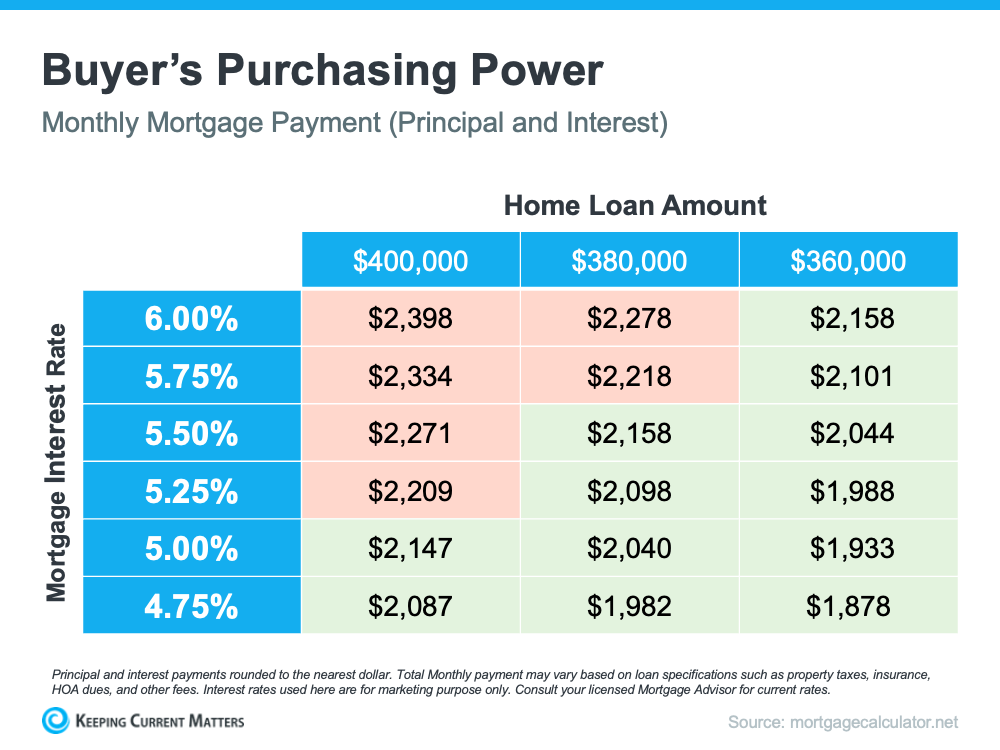
Your credit score is the most influential factor in the rate a lender offers you. Lenders use a tiered pricing model; a borrower with a 760+ FICO score will likely receive the lowest available market rate, while someone with a 640 score may face a rate that is 1% to 1.5% higher. In the world of personal finance, this “Loan-Level Price Adjustment” (LLPA) is a critical concept to master. Improving your credit score before applying for a mortgage is often the highest-ROI activity a prospective homebuyer can undertake.
Loan-to-Value (LTV) and Debt-to-Income (DTI) Ratios
The amount of “skin in the game” you have significantly impacts your rate. A higher down payment reduces the lender’s risk, often leading to a more favorable interest rate. A 20% down payment is the traditional benchmark to avoid Private Mortgage Insurance (PMI), but even moving from a 3% to a 10% down payment can change the risk profile of the loan. Similarly, your Debt-to-Income ratio—the percentage of your gross monthly income that goes toward paying debts—signals your ability to manage the mortgage. Lenders generally prefer a DTI below 43%, and a lower ratio can sometimes help secure a more competitive rate.
Strategies for Navigating High-Rate Environments
When mortgage rates are elevated, the strategy shifts from “finding the best house” to “optimizing the total cost of capital.” Savvy borrowers use several financial tools to mitigate the impact of high interest rates.
Buying Down the Rate with Discount Points
Borrowers have the option to pay “points” at closing to permanently lower their interest rate. One point typically costs 1% of the total loan amount and reduces the interest rate by approximately 0.25%. This is a math-driven decision: if you plan to stay in the home longer than the “break-even point” (the time it takes for the monthly savings to equal the upfront cost), buying points can be an excellent long-term investment.
The Philosophy of “Marry the House, Date the Rate”
A common refrain in the real estate industry during high-rate cycles is to “marry the house and date the rate.” This strategy suggests that if you find a property that fits your needs and budget, you should purchase it even if rates are high, with the intention of refinancing once rates drop. While this requires a leap of faith regarding future market movements, it prevents buyers from being sidelined while home prices continue to appreciate. However, this strategy requires a financial cushion to ensure you can afford the higher payments indefinitely if rates do not decline as expected.
Future Outlook and Long-term Financial Planning
Predicting the future of mortgage rates is notoriously difficult, as it requires forecasting geopolitical events, inflation data, and labor market shifts. However, for the purpose of financial planning, it is essential to view current rates in a historical context.
Historical Context vs. Recent Memory
To many who entered the market between 2010 and 2021, current mortgage rates may seem prohibitively high. However, from a historical perspective, the sub-3% rates of the pandemic era were an anomaly. The long-term average for a 30-year fixed mortgage in the United States is closer to 7%. Understanding this helps investors and homeowners reset their expectations and make decisions based on sustainable economic realities rather than a hope for a return to “emergency” rate levels.
The Role of Refinancing in Wealth Building
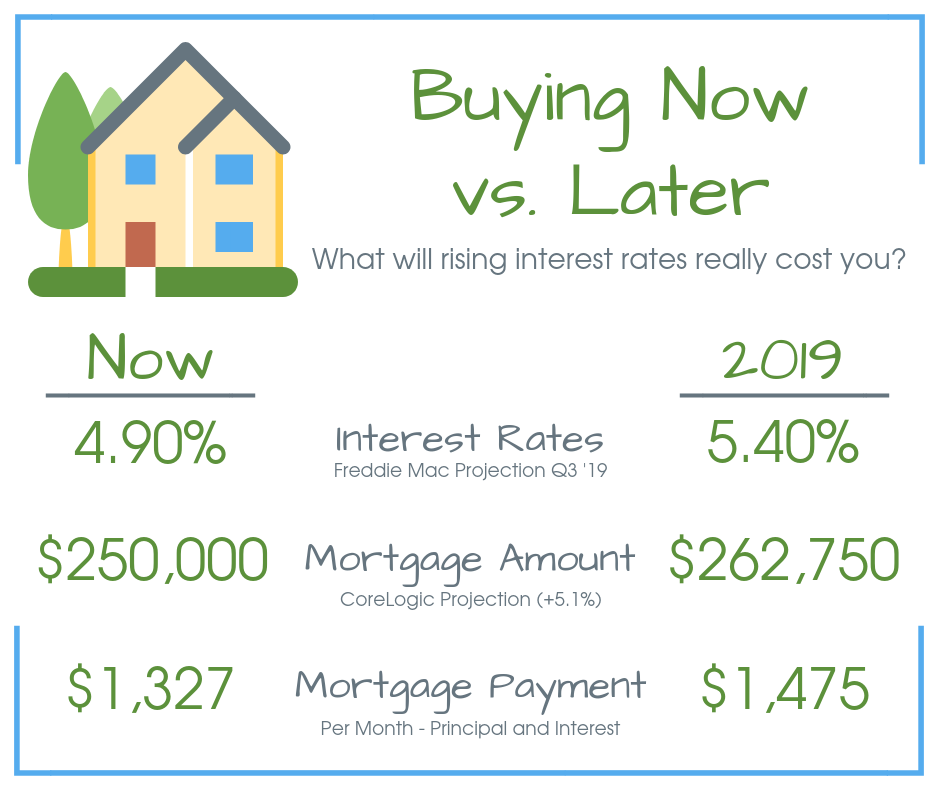
Mortgage management does not end at the closing table. Part of a robust personal finance strategy involves monitoring the market for refinancing opportunities. A general rule of thumb is that if you can lower your rate by 0.5% to 1%, a refinance may be worth the closing costs. By lowering the interest rate, a homeowner can either reduce their monthly payment to increase cash flow or maintain the same payment level to pay off the principal balance faster, significantly accelerating wealth accumulation through home equity.
In conclusion, “today’s mortgage rates” are a moving target, shaped by a synergy of global economic forces and individual financial health. By staying informed on market trends, maintaining a strong credit profile, and understanding the various loan products available, you can navigate the complexities of the mortgage market with confidence. Real estate remains one of the most powerful tools for building long-term wealth, and the mortgage rate you secure is the key that unlocks that potential.
aViewFromTheCave is a participant in the Amazon Services LLC Associates Program, an affiliate advertising program designed to provide a means for sites to earn advertising fees by advertising and linking to Amazon.com. Amazon, the Amazon logo, AmazonSupply, and the AmazonSupply logo are trademarks of Amazon.com, Inc. or its affiliates. As an Amazon Associate we earn affiliate commissions from qualifying purchases.