
In the dynamic landscape of personal finance, few numbers hold as much sway over a household’s financial well-being as mortgage interest rates. They dictate not only the affordability of homeownership but also the financial commitment for existing homeowners considering a refinance. Understanding “what are today’s mortgage interest rates” is not merely about checking a figure; it’s about grasping the intricate economic forces that shape it, the personal factors that influence your specific rate, and the strategic considerations for navigating the housing market. This deep dive aims to demystify the complex world of mortgage rates, offering insights that empower both aspiring homeowners and those looking to optimize their current mortgage.
Understanding the Dynamics of Mortgage Interest Rates
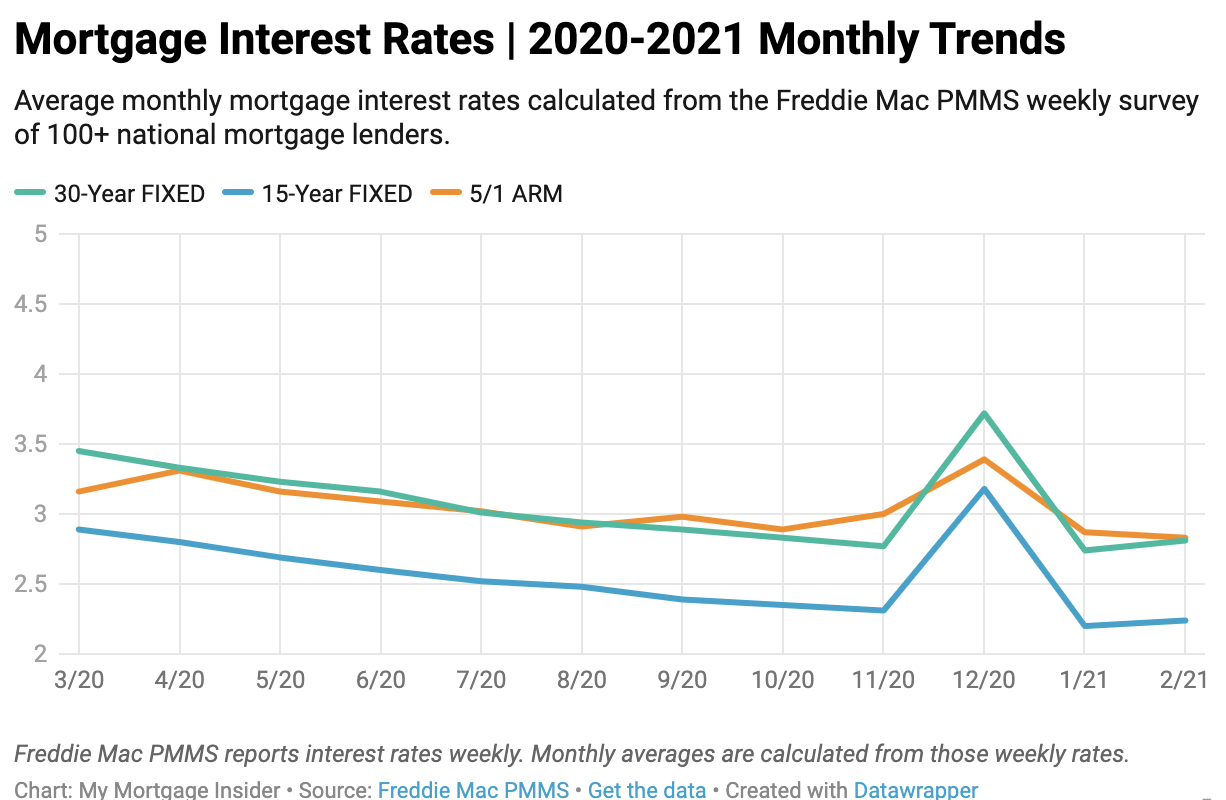
Mortgage interest rates are not static figures; they are highly responsive to a confluence of macroeconomic indicators, monetary policy decisions, and the overall health of the financial markets. For many, the daily fluctuations can seem arbitrary, but beneath the surface lies a logical framework.
The Federal Reserve’s Influence
At the apex of interest rate determination stands the Federal Reserve, the U.S. central bank. While the Fed does not directly set mortgage rates, its monetary policy decisions exert a powerful indirect influence. The primary tool is the federal funds rate, a target rate for overnight lending between banks. When the Fed raises this rate, it typically signals a tightening of monetary policy, making borrowing more expensive across the board. This ripple effect extends to consumer loans, including mortgages, though mortgage rates tend to track longer-term bond yields more closely than the federal funds rate itself. Conversely, rate cuts are designed to stimulate economic activity by making money cheaper to borrow. Understanding the Fed’s stance on inflation, unemployment, and economic growth is crucial for anticipating future rate movements. For instance, in periods of high inflation, the Fed is likely to raise rates to cool down the economy, which usually translates to higher mortgage rates.
Inflation and Economic Indicators
Inflation is arguably the single most significant factor influencing mortgage rates. Lenders, like any investor, want to ensure that the money they lend today retains its purchasing power when repaid in the future. If inflation is high, the future value of money diminishes, so lenders demand a higher interest rate to compensate for this anticipated loss. Therefore, strong economic growth, low unemployment, and rising wages, while generally positive, can fuel inflationary pressures, pushing mortgage rates upward. Conversely, economic slowdowns or recessions often lead to lower inflation expectations and, subsequently, lower mortgage rates as investors seek safe havens and demand for loans decreases. Key economic reports such as the Consumer Price Index (CPI), Producer Price Index (PPI), GDP growth figures, and employment reports are closely watched by market participants for clues about the future trajectory of rates.
The Bond Market Connection
Perhaps the most direct link to conventional 30-year fixed mortgage rates is the yield on the 10-year Treasury note. Mortgage-backed securities (MBS), which are bundles of mortgages sold to investors, compete with U.S. Treasury bonds for investment dollars. When the yield on the 10-year Treasury rises, MBS yields (and thus mortgage rates) generally follow suit to remain competitive. This relationship is fundamental because Treasury bonds are considered a benchmark for long-term interest rates. Factors that influence the demand and supply for Treasury bonds—such as government borrowing, foreign investor interest, and global economic sentiment—can directly impact mortgage rates. A flight to safety during times of geopolitical uncertainty, for example, can increase demand for Treasuries, driving yields down and potentially lowering mortgage rates.
Key Factors Influencing Your Personalized Mortgage Rate
While the broader economic environment sets the stage for general mortgage rates, the specific rate you qualify for is a highly individualized calculation. Lenders assess your financial profile to determine your risk level, and this assessment directly translates into the interest rate offered.
Credit Score (FICO Score)
Your credit score is arguably the most critical personal determinant of your mortgage rate. A FICO score of 760 or higher is generally considered excellent and signals to lenders that you are a low-risk borrower with a strong history of managing debt responsibly. Borrowers with excellent credit typically qualify for the lowest available interest rates, saving tens of thousands of dollars over the life of a loan. Conversely, lower credit scores indicate a higher risk of default, prompting lenders to charge higher interest rates to compensate for that increased risk. Even a 20-point difference in your credit score can impact your rate significantly.
Loan-to-Value (LTV) Ratio & Down Payment
The Loan-to-Value (LTV) ratio represents the loan amount compared to the home’s appraised value. A lower LTV, typically achieved with a larger down payment, indicates less risk for the lender. For instance, a 20% down payment results in an 80% LTV. Lenders often offer better rates for LTVs of 80% or less, and a higher down payment can also help you avoid Private Mortgage Insurance (PMI), an additional cost for borrowers with less than 20% equity. The more equity you have upfront, the less risk the lender assumes, and the more favorable your terms are likely to be.
Loan Type: Fixed vs. Adjustable, Conventional vs. Government-Backed
The choice of mortgage product significantly impacts your rate.
- Fixed-Rate Mortgages (FRM): The interest rate remains constant for the entire loan term (e.g., 15-year, 30-year). This provides predictable monthly payments and is popular when rates are low or expected to rise. Generally, 15-year FRMs have lower interest rates than 30-year FRMs due to the shorter repayment period.
- Adjustable-Rate Mortgages (ARM): These loans feature an initial fixed interest rate period (e.g., 5, 7, or 10 years), after which the rate adjusts periodically based on an index plus a margin. ARMs typically start with lower interest rates than fixed-rate options, making them attractive for borrowers who plan to sell or refinance before the fixed period ends, or in a declining rate environment. However, they carry the risk of higher payments if rates rise.
- Conventional Loans: These are not insured or guaranteed by the government and typically require higher credit scores and lower DTI ratios.
- Government-Backed Loans: FHA, VA, and USDA loans are designed to make homeownership more accessible. FHA loans are popular for first-time buyers and those with lower credit scores. VA loans offer exceptional terms for eligible veterans, often requiring no down payment and no PMI. USDA loans target rural areas. Each has specific eligibility requirements and can offer competitive rates, often with more flexible underwriting criteria, though they may come with additional fees (e.g., FHA’s mortgage insurance premium).
Loan Term and Debt-to-Income (DTI) Ratio
The length of your loan significantly impacts the interest rate. Shorter terms, like a 15-year mortgage, typically come with lower interest rates than 30-year mortgages because the lender’s money is tied up for a shorter period. However, shorter terms also mean higher monthly payments. Your Debt-to-Income (DTI) ratio, which compares your total monthly debt payments to your gross monthly income, is another crucial factor. Lenders use DTI to assess your ability to manage additional mortgage payments. A lower DTI (typically below 36-43%) indicates less financial strain and improves your chances of securing a favorable rate.

Navigating the Current Mortgage Rate Environment
Knowing the general trends and your personal factors is just the beginning. Actively engaging with the market and employing smart strategies can further optimize your mortgage experience.
Where to Find Today’s Rates and Understanding APR vs. Interest Rate
Today’s mortgage rates can be found on various platforms: directly from lenders (banks, credit unions, online lenders), mortgage brokers, and financial news websites. It’s crucial to distinguish between the interest rate and the Annual Percentage Rate (APR). The interest rate is the percentage you pay on the principal loan amount. The APR, however, represents the total cost of borrowing, encompassing the interest rate plus certain upfront fees and charges (like origination fees, discount points, and some closing costs). Comparing APRs across different loan offers provides a more accurate picture of the true cost of each loan. A lower interest rate doesn’t always mean a cheaper loan if the associated fees (reflected in a higher APR) are substantial.
The Importance of Shopping Around and Rate Locks
One of the most impactful steps you can take is to shop around for the best rate. Research shows that borrowers who obtain quotes from multiple lenders can save thousands of dollars over the life of their loan. Each lender has different overheads, risk appetites, and pricing models, leading to variations in rates and fees. Obtain at least three to five quotes within a short period (typically 14-45 days, to minimize impact on your credit score from multiple inquiries).
Once you find a desirable rate, consider a rate lock. A rate lock guarantees that the interest rate offered to you will remain the same for a specified period (e.g., 30, 45, or 60 days) while your loan application is processed. This protects you from potential rate increases before your loan closes. Be aware that some lenders might charge a fee for rate locks, especially for longer durations, and ensure you understand the terms and conditions, including any float-down options that allow you to secure a lower rate if market rates drop significantly after your lock.
Strategic Considerations for Mortgage Borrowers
Beyond securing a good rate, integrating your mortgage decision into your broader financial strategy is paramount.
Refinancing Opportunities
For existing homeowners, monitoring mortgage rates for refinancing opportunities is a key financial tactic. Refinancing can allow you to secure a lower interest rate, reduce your monthly payments, shorten your loan term, or even tap into your home equity through a cash-out refinance. The rule of thumb for refinancing used to be that a 1% drop in rates made it worthwhile, but with closing costs for a refinance, even smaller rate drops can be beneficial, especially on large loan amounts. Analyze the break-even point—how long it will take for the savings from a lower monthly payment to offset the refinancing costs. Ensure the refinance aligns with your long-term financial goals, whether it’s debt consolidation, renovation, or simply reducing interest paid.
Impact of Mortgage Rates on Affordability and Long-Term Financial Planning
Even seemingly minor fluctuations in mortgage rates can profoundly impact monthly payments and overall housing affordability. A difference of half a percentage point on a $300,000, 30-year mortgage can translate to hundreds of dollars per month and tens of thousands over the loan’s lifetime. This directly influences how much home you can afford and how much disposable income you have for other financial goals. From a long-term financial planning perspective, choosing the right mortgage can free up capital for investments, retirement savings, or educational expenses. Aligning your mortgage strategy with your overall wealth-building plan, including emergency funds and debt management, ensures your home serves as an asset rather than a financial burden.
The Future Outlook: What to Watch For
Predicting future mortgage rates with certainty is impossible, given the multitude of variables at play. However, by staying informed about key economic indicators and expert analyses, you can make more educated decisions.
Economic Projections and Geopolitical Events
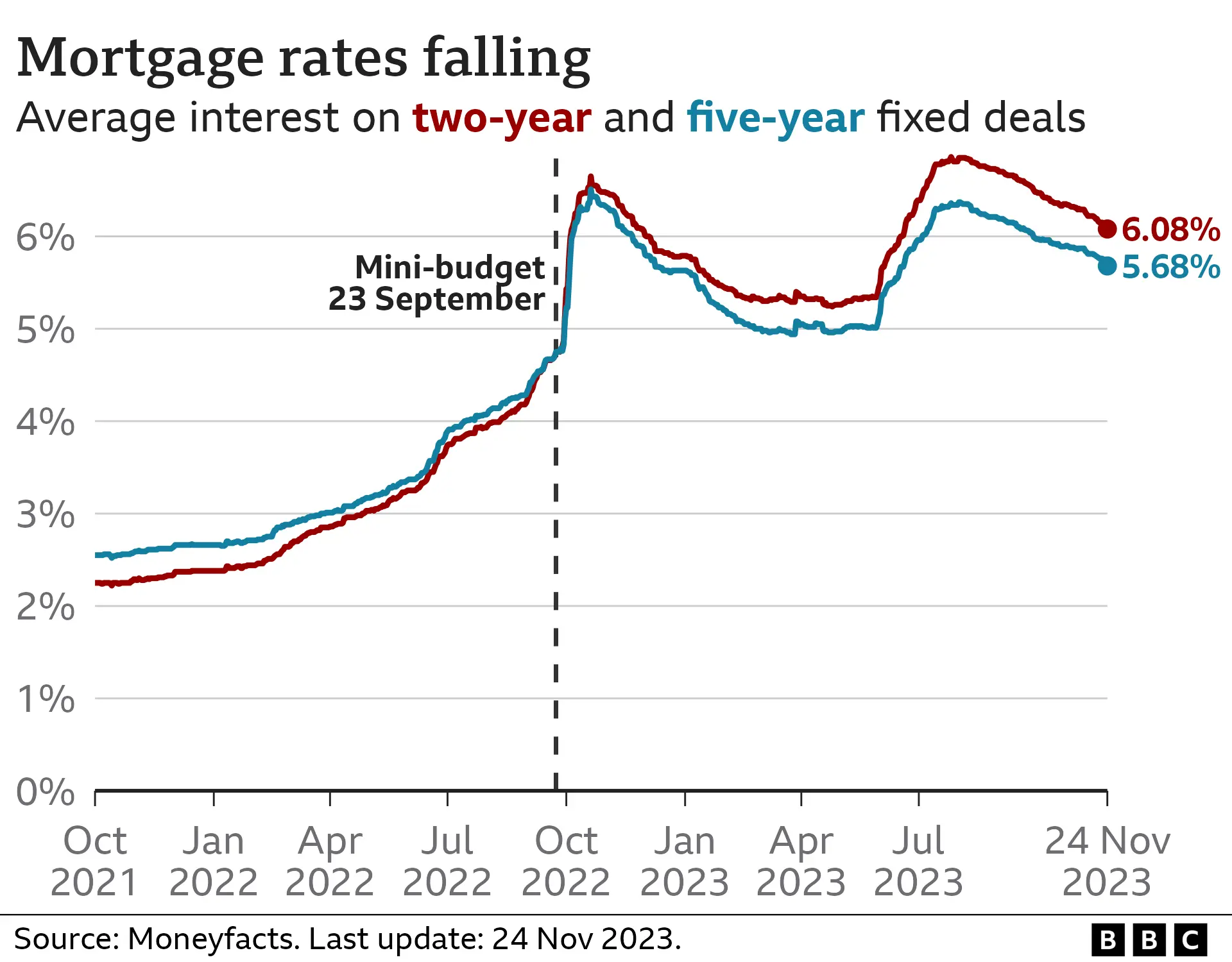
Keep an eye on forecasts for inflation, employment, and GDP growth from reputable financial institutions and economists. These projections often inform market expectations for the Federal Reserve’s actions, which, as discussed, have a cascading effect on rates. Furthermore, global geopolitical events—from trade disputes to international conflicts—can introduce significant volatility into financial markets. Such events can trigger a “flight to safety,” increasing demand for U.S. Treasury bonds and potentially pushing yields (and thus mortgage rates) down, or conversely, create instability that leads to higher rates as lenders perceive increased risk.
Expert Consensus and Divergence
While no one has a crystal ball, observing the consensus among leading economists and financial analysts can provide valuable perspective. Pay attention to their insights on monetary policy, inflation trends, and housing market forecasts. Be mindful that even experts can have divergent opinions, reflecting the inherent uncertainties of economic forecasting. The goal isn’t to perfectly time the market but to understand the range of possibilities and prepare your financial strategy accordingly.
In conclusion, “what are today’s mortgage interest rates” is a question with a complex but discernible answer, influenced by global economics, national policy, and deeply personal financial profiles. By diligently monitoring market trends, understanding the components of your personalized rate, and strategically engaging with lenders, you can confidently navigate the mortgage landscape and make informed decisions that pave the way for a more secure financial future.
aViewFromTheCave is a participant in the Amazon Services LLC Associates Program, an affiliate advertising program designed to provide a means for sites to earn advertising fees by advertising and linking to Amazon.com. Amazon, the Amazon logo, AmazonSupply, and the AmazonSupply logo are trademarks of Amazon.com, Inc. or its affiliates. As an Amazon Associate we earn affiliate commissions from qualifying purchases.