
Interest rates are often described as the “price of money.” They represent the cost of borrowing and the reward for saving, serving as the primary lever by which central banks control economic activity. In the current economic climate, understanding today’s interest rates is not merely an academic exercise for economists; it is a vital necessity for homeowners, investors, and business owners alike. Whether you are looking to lock in a mortgage, manage corporate debt, or optimize your investment portfolio, the prevailing rate environment dictates your purchasing power and long-term financial health.
This article provides an in-depth exploration of the factors shaping today’s interest rates, their impact across various financial sectors, and strategies to navigate a fluctuating rate environment.
Understanding the Drivers Behind Today’s Interest Rates
The interest rates we see on our bank statements or mortgage disclosures do not exist in a vacuum. They are the result of complex interactions between government policy, market forces, and global economic health.
The Role of the Federal Reserve and Monetary Policy
At the heart of interest rate movements in the United States is the Federal Reserve, specifically the Federal Open Market Committee (FOMC). The Fed’s “dual mandate” is to promote maximum employment and stable prices (low inflation). To achieve this, they set the federal funds rate—the interest rate at which commercial banks borrow and lend their excess reserves to each other overnight.
When inflation rises above the target (typically 2%), the Fed raises rates to cool the economy by making borrowing more expensive. Conversely, when the economy slows, they lower rates to stimulate spending and investment. Today’s rates are largely a reflection of the Fed’s ongoing battle to balance these two objectives in a post-pandemic world.
Inflationary Pressures and Economic Growth
Inflation is the primary driver of central bank policy. When the Consumer Price Index (CPI) shows that the cost of goods and services is rising too quickly, interest rates inevitably follow upward. This is because lenders require higher returns to compensate for the diminishing purchasing power of the money they will be paid back in the future. Today’s rate environment is heavily influenced by “sticky” inflation—costs in sectors like housing and services that remain high even as supply chain issues resolve.
Global Economic Indicators and Market Sentiment
Interest rates are also influenced by the bond market, particularly the yield on the 10-year Treasury note. Investors’ expectations about the future state of the economy drive these yields. If the market senses a recession is looming, demand for “safe-haven” government bonds increases, which can drive yields (and mortgage rates) down. Conversely, strong jobs reports or robust GDP growth can signal that the economy can handle higher rates, leading to an upward shift in the yield curve.
How Current Interest Rates Shape Personal Finance
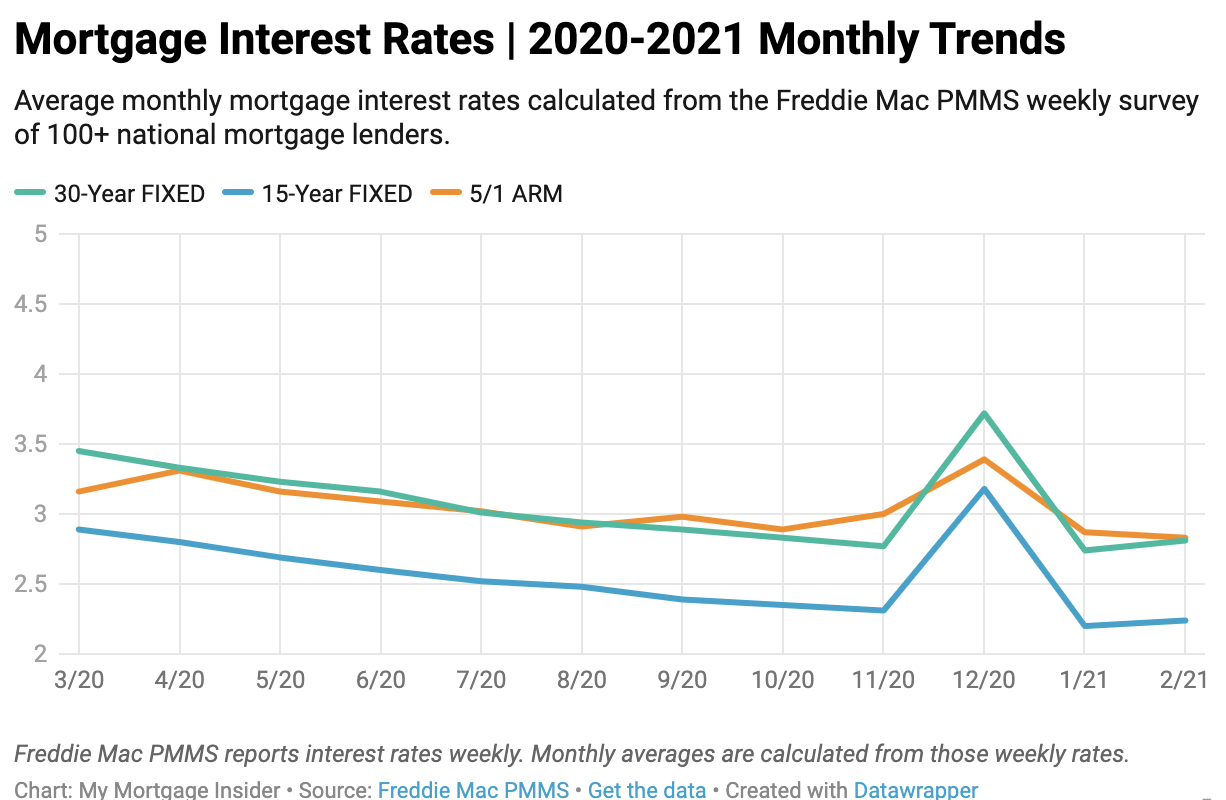
For the average individual, interest rates are most visible through the cost of credit and the return on savings. The “higher-for-longer” mantra adopted by many central banks recently has created a bifurcated reality for personal finance.
Mortgage Rates and the Housing Market
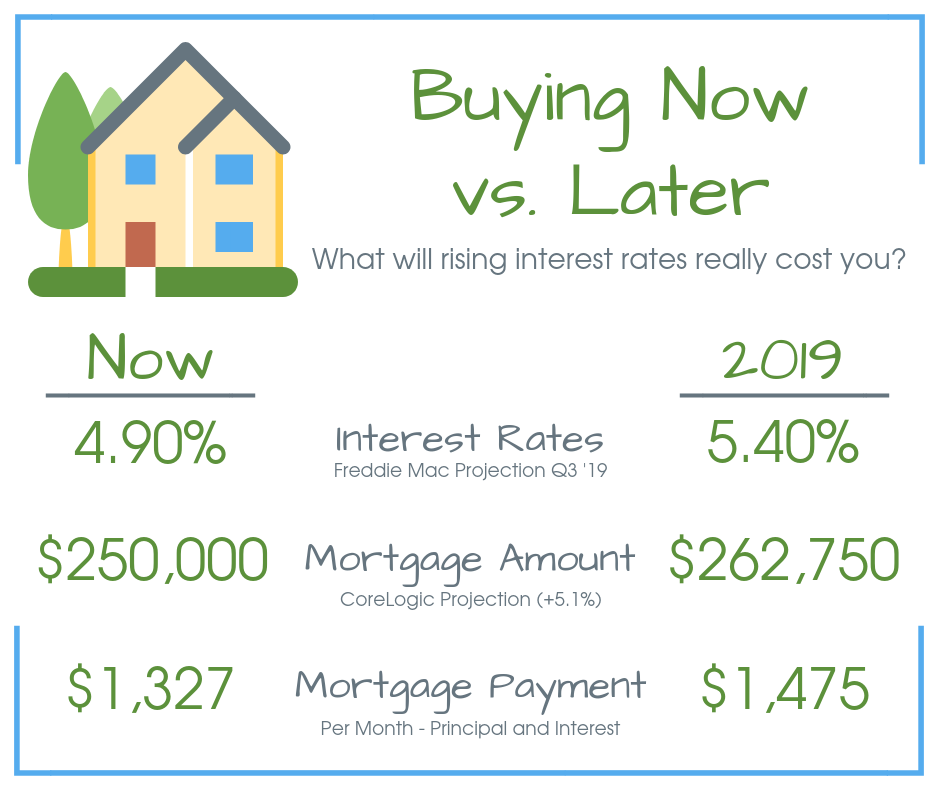
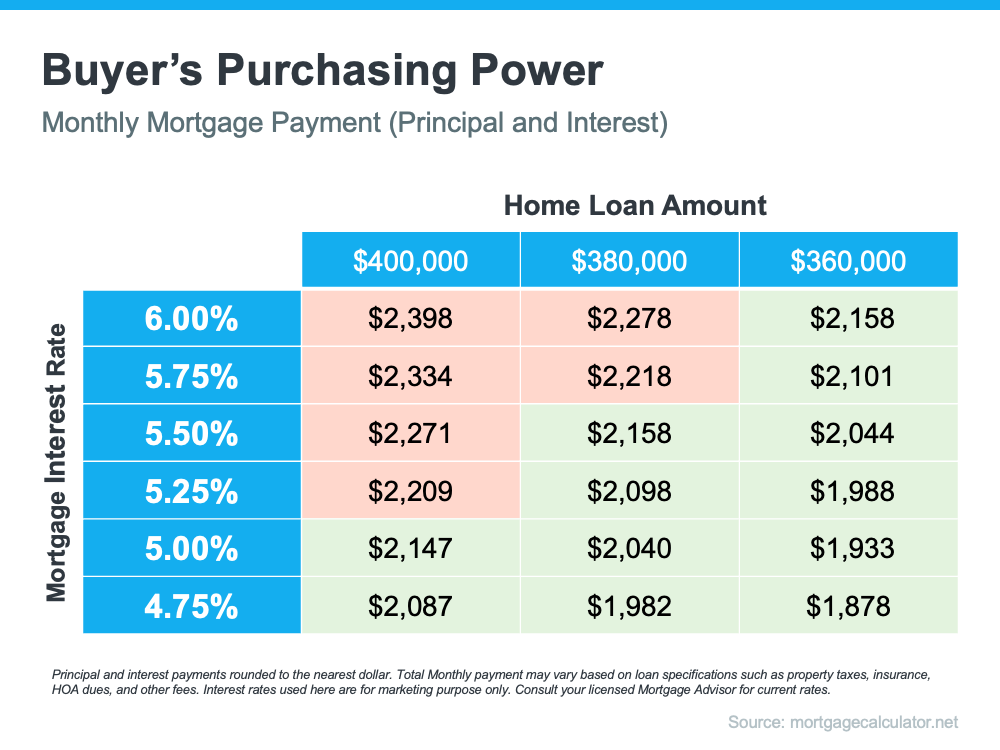
Perhaps no sector is more sensitive to interest rate fluctuations than real estate. Today’s mortgage rates—often hovering significantly higher than the historic lows seen in the early 2020s—have fundamentally changed the math for prospective homebuyers. A 1% or 2% difference in a 30-year fixed-rate mortgage can equate to hundreds of thousands of dollars in interest over the life of the loan. This has led to a “lock-in effect,” where current homeowners are reluctant to sell because they do not want to trade their low-interest mortgages for today’s higher rates, thereby tightening housing inventory and keeping prices elevated despite higher borrowing costs.
Auto Loans and Consumer Credit
The cost of financing a vehicle or carrying a balance on a credit card is directly tied to the prime rate, which moves in lockstep with the Fed’s decisions. Today’s consumers face some of the highest Annual Percentage Rates (APRs) in decades. For those looking to purchase a car, this means higher monthly payments and a greater emphasis on credit scores, as lenders become more discerning about to whom they extend credit. In this environment, the importance of maintaining a high credit score cannot be overstated, as it remains the primary tool for securing a rate that is lower than the national average.
The Silver Lining: High-Yield Savings and CDs
While borrowers are feeling the pinch, savers are experiencing a long-awaited windfall. For over a decade, interest on savings accounts was negligible. Today, however, High-Yield Savings Accounts (HYSAs) and Certificates of Deposit (CDs) offer competitive returns that, in some cases, outpace inflation. This provides a safe harbor for emergency funds and short-term savings, allowing individuals to earn a meaningful “risk-free” return on their cash for the first time in a generation.
The Investor’s Perspective: Yields, Equities, and Risk
In the world of investing, interest rates act as the “gravity” for asset valuations. As rates rise, the present value of future cash flows diminishes, impacting everything from tech stocks to government bonds.
Fixed-Income Securities and Bond Yields
The relationship between interest rates and bond prices is inverse: when rates go up, bond prices go down. Investors holding older bonds with lower coupons find their assets less valuable when new bonds are issued at today’s higher rates. However, for new investors, today’s environment offers an attractive entry point into the fixed-income market. Yields on corporate bonds and Treasuries are at levels that provide genuine income, allowing for a return to the classic “60/40” portfolio (60% stocks, 40% bonds) as a viable strategy for diversification and risk management.
Impact on the Stock Market and Valuation
Higher interest rates generally put downward pressure on stock prices, particularly in the technology and growth sectors. These companies often rely on future earnings, which are discounted more heavily when rates are high. Additionally, higher borrowing costs can eat into corporate profit margins. Investors today must be more selective, pivoting toward “value” stocks—companies with strong balance sheets, consistent cash flows, and low debt—which tend to be more resilient in a high-rate environment.
Real Estate Investment Trusts (REITs) and Alternative Assets
For those invested in Real Estate Investment Trusts (REITs), today’s rates present a double-edged sword. On one hand, higher rates increase the cost of debt for property acquisition and development. On the other hand, certain sectors like multi-family housing or industrial real estate can pass on costs through higher rents. Understanding the underlying debt structure of a REIT is crucial in today’s market; those with fixed-rate, long-term debt are much better positioned than those exposed to floating rates.
Navigating Business Finance in a Fluctuating Rate Environment
For business owners and corporate executives, interest rates are a critical component of capital allocation and strategic planning. The era of “easy money” has transitioned into an era of “expensive capital,” requiring a shift in operational philosophy.
Cost of Capital and Expansion Planning
The Weighted Average Cost of Capital (WACC) is a fundamental metric for any business. As interest rates rise, the cost of debt increases, which in turn raises the hurdle rate for new projects. Businesses that were considering expansion, acquisitions, or major capital expenditures (CapEx) a few years ago may now find that those same projects are no longer financially viable. Today, business leaders are focusing on internal efficiencies and organic growth rather than debt-fueled expansion.
Small Business Loans and Credit Lines
Small businesses are particularly vulnerable to rate hikes, as they often rely on floating-rate lines of credit or Short-Term Lending. When the Fed raises rates, the interest expense on these loans increases almost immediately, squeezing profit margins. Savvy business owners are responding by renegotiating terms with lenders, seeking fixed-rate financing where possible, and maintaining a leaner cash-flow cycle to reduce the need for external borrowing.
Cash Flow Management and Interest-Bearing Accounts
On the flip side, businesses with significant cash reserves can now turn their balance sheet into a profit center. By utilizing corporate treasury products or business HYSAs, companies can earn interest on their operating capital. This “interest income” can serve as a buffer against rising costs in other areas of the business, such as labor or raw materials.
Future Outlook: Preparing for the Next Interest Rate Cycle
While we can analyze today’s rates with precision, the future is always a matter of probability. The financial markets are currently focused on the “pivot”—the moment when central banks stop raising rates and begin to lower them.
Indicators to Watch for Rate Pivots
To anticipate where rates are going, one must watch the data points that the Fed watches. This includes the monthly jobs report (Non-Farm Payrolls), the core PCE (Personal Consumption Expenditures) price index, and manufacturing data. If the labor market begins to show significant weakness or if inflation drops consistently toward the 2% target, the market will begin to price in rate cuts. Staying informed on these indicators allows for proactive rather than reactive financial decision-making.
Building a Resilient Financial Plan
Regardless of whether rates go up, down, or stay flat, the key to financial success is resilience. For individuals, this means prioritizing debt repayment—specifically high-interest consumer debt—and maintaining a diversified investment strategy. For businesses, it means stress-testing balance sheets against further rate hikes and maintaining high liquidity.
In conclusion, today’s interest rates are a reflection of a global economy in transition. While higher rates present challenges for borrowers and certain investment sectors, they also offer opportunities for savers and disciplined investors. By understanding the mechanisms behind these rates and their far-reaching effects on the “Money” landscape, you can make informed decisions that protect your assets and capitalize on the unique opportunities of the current financial era.
aViewFromTheCave is a participant in the Amazon Services LLC Associates Program, an affiliate advertising program designed to provide a means for sites to earn advertising fees by advertising and linking to Amazon.com. Amazon, the Amazon logo, AmazonSupply, and the AmazonSupply logo are trademarks of Amazon.com, Inc. or its affiliates. As an Amazon Associate we earn affiliate commissions from qualifying purchases.