
In the evolving landscape of digital finance, tools like Venmo have become indispensable for countless individuals managing their personal finances, splitting bills, and making casual payments. While the platform is widely celebrated for its convenience and user-friendliness, a comprehensive understanding of its fee structure is crucial for any financially savvy user. Many assume Venmo is entirely free, but this isn’t always the case. Disregarding these fees can subtly erode your financial well-being, impacting your budget and the efficiency of your money management. This article delves into the various fees associated with Venmo, offering a clear financial perspective on when, why, and how these charges apply, and critically, how to navigate them to optimize your financial transactions.
Understanding Venmo’s Core Service and Its Cost Implications
At its heart, Venmo provides a remarkably accessible and often free peer-to-peer payment service. This core offering is fundamental to its popularity, but it’s essential to delineate where the “free” aspect ends and potential charges begin, especially concerning personal finance management.
Free Peer-to-Peer Transactions: The Foundation
The primary appeal of Venmo lies in its ability to facilitate free transfers between users within the United States. When you send money to friends, family, or trusted contacts using your Venmo balance, a linked bank account, or a debit card, these transactions typically incur no cost from Venmo. This feature makes it an excellent financial tool for splitting restaurant bills, rent, or shared expenses without additional overhead. From a personal finance perspective, this zero-fee model for basic transactions is a significant advantage, allowing users to manage their shared financial obligations without hidden charges diminishing their funds. This free service encourages fluid money movement, making budgeting for shared activities more straightforward and transparent.
When Convenience Comes with a Cost
While the core peer-to-peer service is free, Venmo introduces fees when users opt for enhanced convenience or specific financial services that extend beyond standard transactions. These charges are often tied to the speed of access to funds or the use of certain funding sources. Understanding these triggers is vital for effective personal financial planning. For instance, the desire for immediate access to funds, rather than waiting for standard bank processing times, is a common reason users encounter fees. Similarly, choosing a funding method that incurs a processing charge, like a credit card, is another area where costs can arise. Recognizing these points helps users make informed decisions about convenience versus cost, a fundamental principle in prudent financial management.
Decoding Standard Transaction Fees
Beyond the basic peer-to-peer transfers, Venmo applies specific fees to certain types of transactions, primarily those involving instant access to funds or specific funding sources. These are critical for users to understand to avoid unexpected deductions from their personal finances.
Instant Transfer Fees: Weighing Speed Against Cost
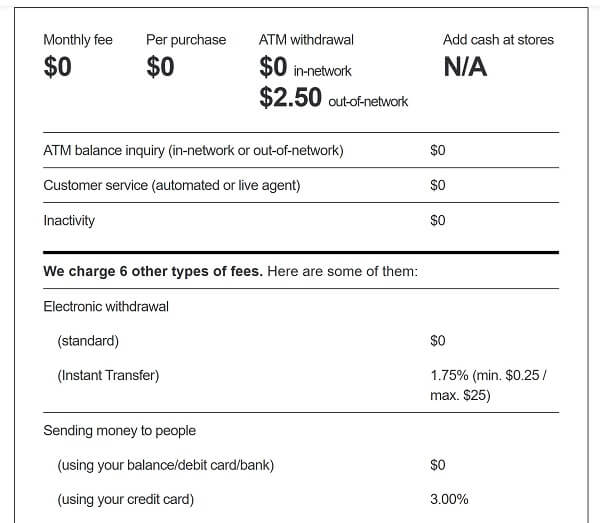
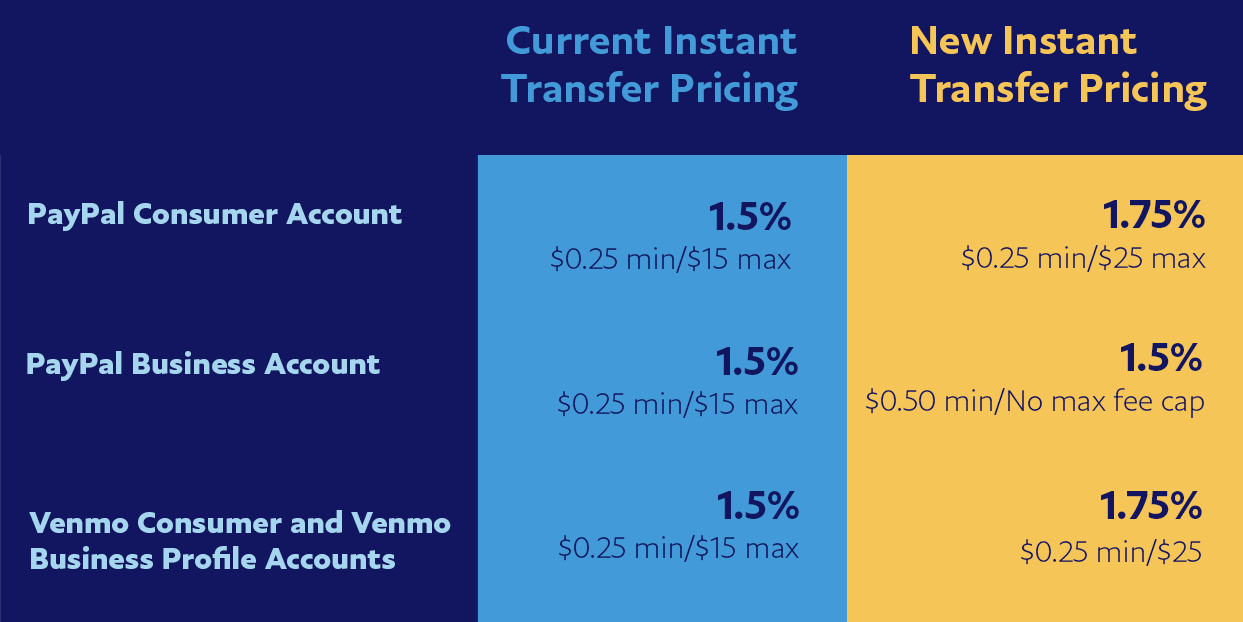
One of the most common fees users encounter on Venmo is for “Instant Transfers.” While standard transfers from your Venmo balance to your linked bank account are free, they can take 1–3 business days to process. For users who need immediate access to their funds, Venmo offers the Instant Transfer option, which moves money to a linked eligible debit card or bank account typically within 30 minutes. This speed, however, comes at a cost. Venmo charges a fee of 1.75% of the transfer amount, with a minimum fee of $0.25 and a maximum fee of $25.
From a financial planning perspective, this fee represents the cost of liquidity. Individuals must weigh the urgency of needing funds against the percentage-based charge. For small amounts, the $0.25 minimum might seem negligible, but for larger sums, the 1.75% can add up, potentially impacting budget allocations or the net proceeds from a transaction. Savvy users often opt for standard transfers unless immediate access is absolutely critical, thereby preserving their capital. Understanding this trade-off is a cornerstone of effective personal finance management.
Credit Card Processing Fees: A Common Pitfall
Another significant fee for many users stems from using a credit card as a funding source for peer-to-peer payments. While linking a bank account or a debit card to send money incurs no fees, using a credit card to send money to another Venmo user carries a 3% fee. This charge is levied by Venmo to cover the processing costs imposed by credit card networks.
This fee is a critical consideration for personal finance. While using a credit card might seem convenient or offer rewards, the 3% charge typically negates any potential rewards and adds a significant cost to the transaction. For example, sending $100 via credit card will cost an additional $3, effectively making the transaction $103 from your credit card balance. Over time, these small fees can accumulate, silently diminishing your spending power. Financial discipline dictates using a bank account or debit card for Venmo payments whenever possible to avoid this unnecessary expense, ensuring that your financial tools are working for you, not costing you extra.
Business Transactions and Merchant Fees
Venmo isn’t just for personal payments; it also serves as a payment solution for small businesses, freelancers, and sellers. When using Venmo for commercial purposes, a distinct set of fees applies, which are crucial for business finance management and calculating net revenue.
Accepting Payments as a Business: The Standard Rate
For businesses that use Venmo to accept payments for goods or services, whether through a business profile, in-app purchases, or QR codes, Venmo charges a standard seller transaction fee. This fee is currently 1.9% + $0.10 per transaction. This charge applies to payments received for authorized goods and services, ensuring that Venmo provides a service that aligns with commercial regulations and processing standards.
From a business finance perspective, understanding this fee is paramount for pricing strategies and revenue forecasting. A business accepting a $100 payment would net $97.90 after Venmo’s fee. While seemingly small, these transaction costs directly impact profit margins and should be factored into the cost of goods or services. Many small businesses find Venmo’s rates competitive compared to traditional point-of-sale systems or other online payment processors, making it a viable financial tool for managing sales and revenue, particularly for micro-businesses or sole proprietorships.
The Impact on Small Businesses and Freelancers
The 1.9% + $0.10 fee structure significantly impacts freelancers and small businesses, influencing their pricing decisions and ultimately their profitability. For a freelancer charging $50 for a service, the fee would be approximately $1.05, meaning they receive $48.95. While seemingly minor, if a freelancer processes hundreds of such transactions monthly, these fees accumulate, representing a tangible operational expense.
Effective financial management for small businesses and freelancers using Venmo involves carefully tracking these costs and integrating them into their overall financial model. Some businesses choose to slightly adjust their pricing to absorb these fees, while others might view them as a necessary cost of doing business in the digital age. Regardless, neglecting to account for these fees can lead to miscalculations in profit and cash flow, underscoring the importance of meticulous financial record-keeping when using Venmo for commercial transactions. The choice of payment processor, including Venmo, is a strategic business finance decision that can affect a company’s bottom line.
Other Less Common but Important Fees
Beyond the core transaction and business fees, Venmo has other charges that users might encounter, depending on their specific financial needs and actions. Awareness of these is key to comprehensive personal financial planning.
Check Cashing Fees: Accessing Funds Without a Bank
For users who receive paper checks and wish to deposit them into their Venmo balance without using a traditional bank account, Venmo offers a mobile check cashing service. This service provides a convenient way to digitize physical funds, but it comes with a fee. Venmo charges a fee of 1% for government and payroll checks with a pre-printed signature, and 5% for all other accepted checks. The minimum fee for this service is $5.
From a personal finance standpoint, this fee provides a valuable service for the unbanked or underbanked, offering quicker access to funds than traditional methods might allow without a bank account. However, it’s a significant percentage, especially for non-government or payroll checks. Cashing a $100 personal check, for example, would cost $5, meaning only $95 is added to your Venmo balance. Users should carefully weigh this fee against the convenience and their urgency for the funds. For those with traditional banking access, depositing checks directly into a bank account and then transferring funds to Venmo (if necessary) can often be a more cost-effective approach to managing their money.
Venmo Debit Card and Credit Card Fees
Venmo offers both a Venmo Debit Card and a Venmo Credit Card, expanding its utility as a financial tool beyond simple peer-to-peer payments. While the primary use of these cards doesn’t usually incur Venmo-specific transaction fees for purchases, certain actions or circumstances can trigger charges, impacting personal finance.
For the Venmo Debit Card:
- ATM Withdrawal Fees: While network ATMs may offer surcharge-free withdrawals, using an out-of-network ATM typically incurs a $2.50 domestic withdrawal fee from Venmo, in addition to any fees charged by the ATM operator. This is a standard banking fee that users of any debit card should be aware of, especially when budgeting for cash access.
- Over-the-Counter Withdrawal Fee: If you withdraw cash at a bank teller using your Venmo Debit Card, Venmo charges a $3 fee.
For the Venmo Credit Card:
- Cash Advance Fees: Similar to most credit cards, using the Venmo Credit Card for cash advances will incur a fee, typically 5% of the advance amount or $10, whichever is greater. This is generally a costly way to access funds and should be avoided in good personal financial practice.
- Foreign Transaction Fees: The Venmo Credit Card generally has no foreign transaction fees, which is a significant advantage for international travelers compared to many other credit cards. However, always verify current terms and conditions.
- Late Payment/Interest Fees: Like any credit card, late payments will incur fees, and outstanding balances will accrue interest at the card’s APR. These are standard credit card costs, but critical for users to manage responsibly to avoid debt and maintain good financial health.
These card-related fees underscore the broader principle that while digital financial tools offer convenience, understanding their full terms and conditions is paramount to avoiding unnecessary costs and effectively managing one’s personal finances.
Strategies for Minimizing Venmo Fees and Maximizing Savings
Proactive financial management involves not just understanding fees but also implementing strategies to minimize their impact. For Venmo users, several approaches can help keep costs down and maximize the efficiency of their personal finance transactions.
Leveraging Standard Bank Transfers
The most effective strategy to avoid Venmo fees is to consistently use standard bank transfers whenever possible. For moving money from your Venmo balance to your bank account, opting for the 1–3 business day transfer eliminates the 1.75% Instant Transfer fee. Similarly, when sending money to others, funding the transaction directly from your linked bank account or Venmo balance instead of a credit card will bypass the 3% credit card processing fee. This requires a bit of foresight and planning, ensuring you have adequate funds in your linked accounts or that you initiate transfers with enough lead time. From a financial perspective, patience here translates directly into savings.
Strategic Use of Funding Sources
Always prioritize using free funding sources. Your Venmo balance and a linked bank account are always the most cost-effective options for sending money. Debit cards are also a free option for sending personal payments. Reserve credit cards for Venmo transactions only if absolutely necessary, and only after weighing the 3% fee against any potential credit card rewards or benefits. In almost all personal finance scenarios, the 3% fee will outweigh any cashback or points earned. Thoughtful selection of your payment source is a simple yet powerful way to control your transaction costs.
Monitoring Your Transaction Habits
Regularly reviewing your Venmo transaction history can provide valuable insights into your spending and payment habits. Identifying frequent instances where fees were incurred—such as recurring instant transfers or credit card payments—allows for course correction. For instance, if you notice a pattern of paying bills via instant transfer due to last-minute actions, setting up automated reminders or scheduling payments in advance can help shift to free standard transfers. This habit of financial introspection is crucial for continuous improvement in personal money management.
Considering Alternatives for Business Payments
For businesses and freelancers, while Venmo offers competitive rates for accepting payments, it’s wise to compare its 1.9% + $0.10 fee with other payment processors, especially for higher volume or larger transactions. Platforms like PayPal (which owns Venmo), Square, or Stripe might offer different fee structures or specialized services that could be more cost-effective depending on the specific business model and transaction volume. Diversifying payment options or negotiating rates with larger processors could lead to significant savings for a business’s bottom line. Making an informed choice based on a detailed financial analysis is essential for any business.
The Broader Financial Impact of Venmo Fees
While individual Venmo fees might appear small, their cumulative effect can have a tangible impact on an individual’s or business’s financial health. Understanding this broader context is key to fully integrating Venmo into a sound financial strategy.
Budgeting for Digital Payment Costs
For individuals and small businesses, digital payment fees, including those from Venmo, represent a line item that should be accounted for in budgeting. Just as you budget for utilities or transportation, a small allocation for “digital transaction costs” can prevent unexpected erosion of funds. For individuals, this might mean earmarking a small percentage of income if they frequently use instant transfers or similar services. For businesses, these fees are direct costs of doing business and must be integrated into profit and loss statements. Neglecting these small, recurring costs can lead to an underestimation of expenses, ultimately affecting overall financial planning and potentially leading to shortfalls.
Evaluating the True Cost of Convenience
Venmo’s primary allure is its convenience. However, convenience often comes at a financial price. Every time a user opts for an instant transfer or uses a credit card to send money, they are effectively paying for speed and ease. From a personal finance perspective, it’s crucial to evaluate whether the perceived value of that convenience outweighs its actual financial cost. Is the immediate access to funds truly worth 1.75% of the amount? Does the minor effort saved by using a credit card justify a 3% fee? Often, a little planning and patience can yield significant savings, proving that good financial habits often involve prioritizing long-term savings over immediate gratification or convenience.

Venmo Fees in the Context of Your Overall Financial Health
Ultimately, understanding Venmo fees is about more than just avoiding charges; it’s about making informed decisions that contribute to your overall financial well-being. By being aware of when and why fees apply, and by actively employing strategies to minimize them, users can leverage Venmo as a powerful and cost-effective financial tool. This awareness empowers users to optimize their cash flow, protect their margins, and ensure that their digital transactions align with their broader financial goals of saving, budgeting, and responsible money management. In the digital age, every financial decision, no matter how small, plays a role in sculpting one’s financial future.
aViewFromTheCave is a participant in the Amazon Services LLC Associates Program, an affiliate advertising program designed to provide a means for sites to earn advertising fees by advertising and linking to Amazon.com. Amazon, the Amazon logo, AmazonSupply, and the AmazonSupply logo are trademarks of Amazon.com, Inc. or its affiliates. As an Amazon Associate we earn affiliate commissions from qualifying purchases.