
Closing a bank account might seem like a straightforward task, but it involves several critical steps to ensure a smooth transition and avoid potential financial complications. Whether you’re consolidating your finances, dissatisfied with services, or simply moving to a new bank, understanding the process, especially with a major institution like Chase, is paramount. This guide provides a comprehensive overview for anyone looking to responsibly close their Chase bank account, ensuring you navigate the process with confidence and precision, upholding the principles of sound personal financial management.
Why You Might Consider Closing Your Chase Account
The decision to close a bank account is often driven by a variety of personal and financial circumstances. Understanding these common motivators can help individuals assess their own banking needs and determine if closing an account is the right move for them. For Chase account holders, these reasons are often reflective of broader consumer trends and personal financial goals.
Changing Financial Needs and Preferences
Life changes frequently dictate changes in financial arrangements. Relocating to a new city or state might mean your current bank’s branch network no longer serves you conveniently. Similarly, a new job or a significant change in income could prompt a search for banking services that better align with your current financial standing, such as accounts with lower fees, higher interest rates, or more robust digital tools. Many individuals also seek to consolidate their banking relationships, opting for a single institution that offers all the products and services they need, from checking and savings to investments and loans, simplifying their financial life.
Dissatisfaction with Services or Fees
Customer satisfaction plays a huge role in banking relationships. Issues such as persistent fees (monthly maintenance fees, ATM fees, overdraft fees) that cannot be waived, unsatisfactory customer service experiences, or a lack of desired digital banking features can all be significant drivers for account closure. Consumers today expect seamless, intuitive online and mobile banking platforms, and if Chase’s offerings don’t meet these expectations, account holders might seek alternatives. High or unclear fees are particularly contentious, leading many to search for more transparent or fee-free banking options elsewhere.
Simplifying Your Financial Portfolio
For some, the motivation is pure simplicity. Managing multiple bank accounts across different institutions can become cumbersome, making it difficult to track spending, monitor balances, and reconcile statements. By consolidating accounts, individuals can streamline their financial oversight, reduce administrative burden, and gain a clearer picture of their overall financial health. This simplification can lead to better budgeting, easier savings accumulation, and reduced stress related to managing money. Closing an inactive or rarely used account also removes potential distractions and helps focus financial efforts.
Avoiding Dormancy Fees and Security Risks
Inactive accounts can become a financial drain and a security concern. Many banks, including Chase, charge dormancy fees on accounts that haven’t seen activity for an extended period, slowly eroding any remaining balance. Furthermore, old accounts with outdated contact information or forgotten passwords can pose security risks, making them potential targets for fraud if not properly managed or closed. By proactively closing dormant accounts, you eliminate these fees and mitigate potential vulnerabilities, contributing to better financial hygiene and digital security.
Essential Preparations Before Closing Your Chase Account
Before you initiate the account closure process, thorough preparation is key to preventing disruptions to your finances and ensuring a smooth exit. Neglecting these preparatory steps can lead to bounced payments, missed deposits, and a host of administrative headaches.
Reviewing Account Balances and Transactions
Start by meticulously reviewing your Chase account statements for the last few months. Ensure all pending transactions have cleared, and no checks you’ve written are outstanding. It’s crucial that the account balance is zero, or if you plan to transfer funds out, that you’re aware of the exact amount. Remember to account for any recurring debits or credits that might be scheduled to post in the coming days. Leaving a small balance or an unclarified transaction can delay the closure or even prevent it, potentially incurring further fees.
Updating Direct Deposits and Automatic Payments
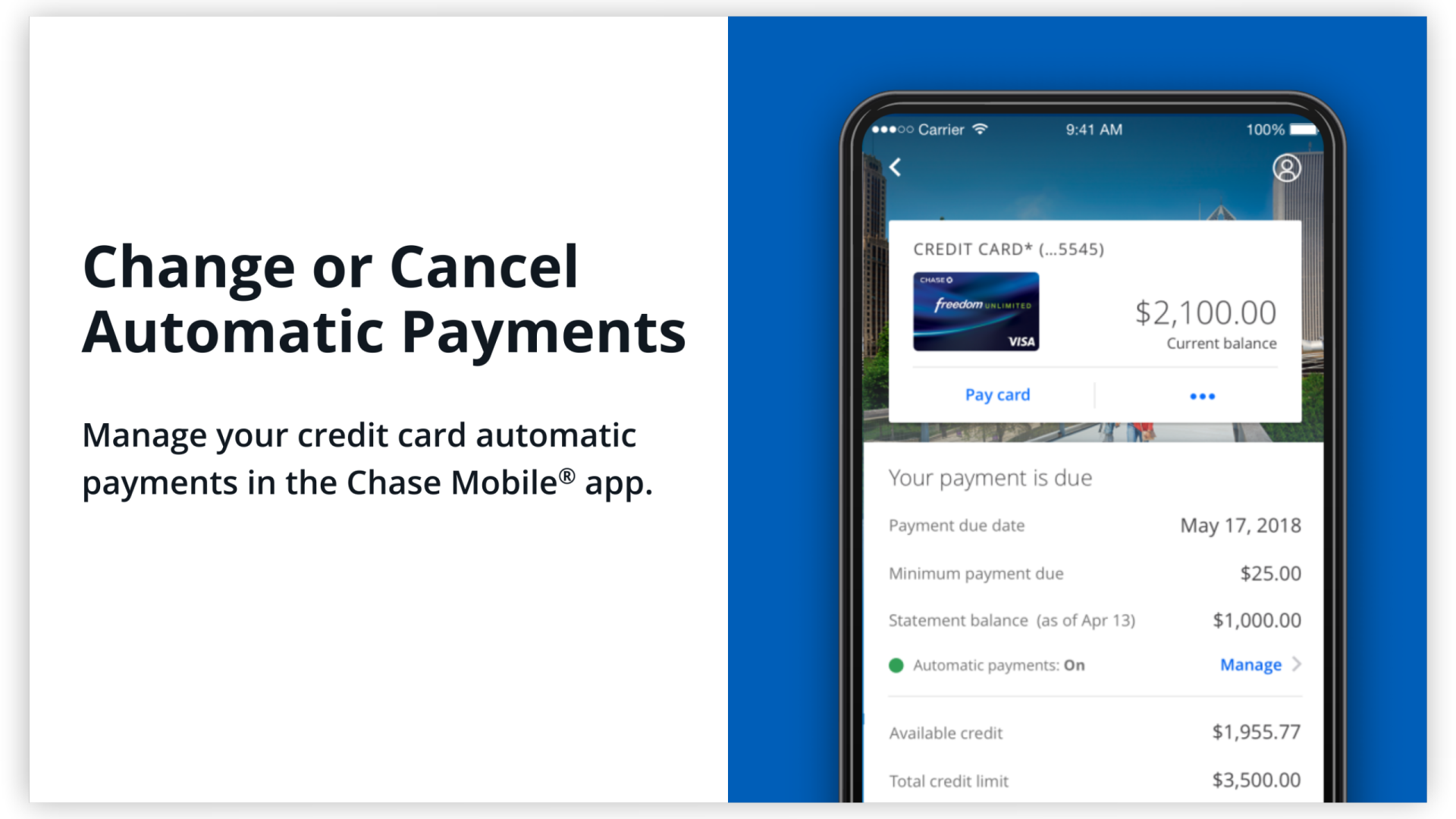
This is perhaps the most critical step. Identify all direct deposits (e.g., salary, government benefits, investment dividends) and automatic payments (e.g., utility bills, loan payments, subscriptions, insurance premiums) linked to your Chase account. You must proactively update these with your new bank account information well in advance of closing the old account. Provide your employer or other payors with your new bank details and set up new automatic payments through your new bank or directly with the service providers. Allow ample time for these changes to take effect, typically one or two billing cycles, to prevent any payment disruptions or late fees.
Transferring Remaining Funds
Once you’ve confirmed all transactions have cleared and direct deposits/automatic payments are rerouted, you’ll need to transfer any remaining funds out of your Chase account. Common methods include:
- Electronic Funds Transfer (EFT): You can link your Chase account to an account at another bank and initiate a transfer. This usually takes 1-3 business days.
- Wire Transfer: For larger sums or urgent transfers, a wire transfer is an option, though it often incurs a fee.
- Cashier’s Check/Official Check: Requesting a cashier’s check for the remaining balance is another secure way to move funds.
- Cash Withdrawal: If the balance is small, you might simply withdraw the cash at a Chase branch.
Understanding Potential Fees and Penalties
Before closing, inquire if any fees are associated with account closure. Some banks charge an “early account closure fee” if the account is closed within a certain period (e.g., 90 or 180 days) of opening. Also, ensure there are no outstanding balance requirements or pending charges that could prevent closure or lead to further fees. Clarifying these details upfront can save you from unexpected costs.
Keeping Meticulous Records
For your own financial records and peace of mind, it’s wise to keep copies of all relevant documents. This includes your final account statement, any correspondence with Chase regarding the closure, and especially the official confirmation of account closure. These records serve as proof that you properly closed the account and are not responsible for any future activity or fees.
Step-by-Step Guide to Closing Your Chase Bank Account
Chase, like most large financial institutions, offers several pathways to close an account. Choosing the most appropriate method depends on your personal circumstances, the complexity of your account, and your preference for direct interaction.
Visiting a Chase Branch: The Recommended Approach
For many, visiting a local Chase branch is the most straightforward and recommended method. It allows for direct interaction with a bank representative who can guide you through the process, answer any questions, and ensure all necessary paperwork is completed accurately.
- What to Bring: You’ll typically need a valid government-issued ID (driver’s license, passport) and your Chase debit card. If you have any remaining checks, bringing them for shredding might also be requested.
- Process: Inform the representative of your intention to close the account. They will verify your identity, confirm the account balance is zero (or assist in withdrawing/transferring any remaining funds), and provide you with the necessary forms to sign. Crucially, request a written confirmation of account closure before you leave.
Contacting Chase Customer Service by Phone
If visiting a branch isn’t feasible, you can initiate the account closure process by calling Chase’s customer service. This method is convenient but requires careful attention to detail on your part to ensure all steps are correctly followed.
- Phone Number: Look up the official Chase customer service number on their website (avoid third-party numbers).
- Verification: Be prepared to answer security questions to verify your identity.
- Instructions: The representative will guide you on how to proceed, which may involve verifying your zero balance, confirming direct deposit/auto-payment updates, and possibly mailing you forms to sign and return. Again, insist on receiving a written confirmation of closure via mail or email.
Sending a Written Request (with Caution)
While less common for standard checking/savings accounts, closing an account via a written request is an option, particularly for joint accounts or those with specific complexities, or if other methods are not viable. This method requires the most diligence.
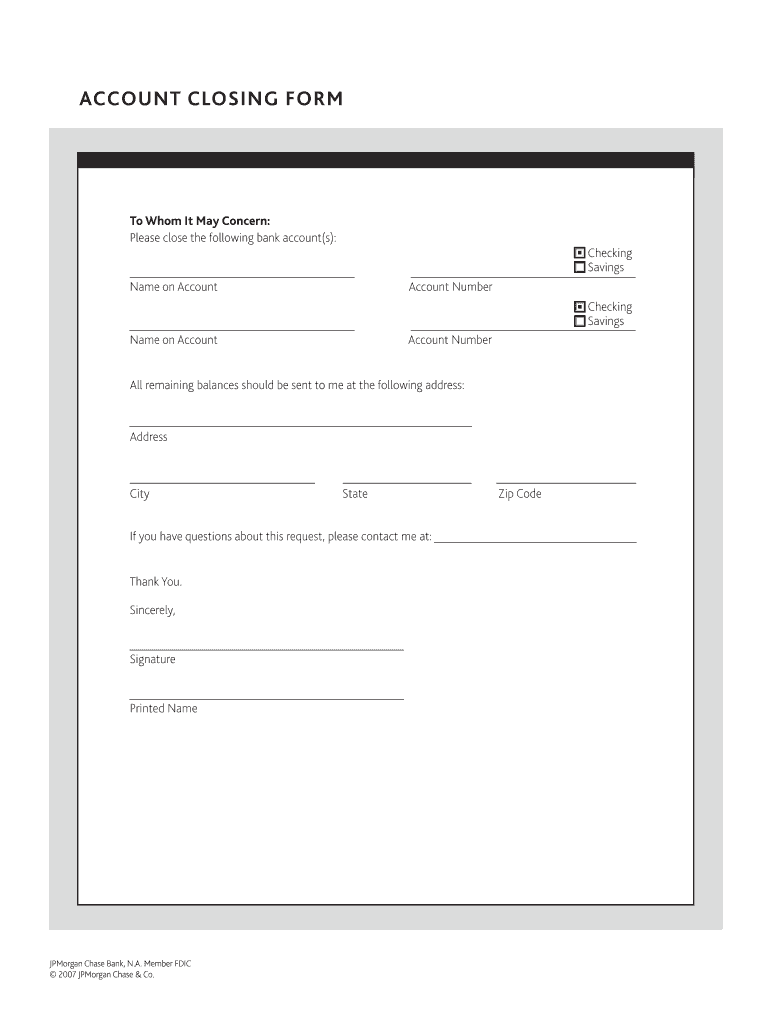
- Letter Content: Your letter should include your full name, account number, contact information, a clear statement of your intent to close the account, and signatures of all account holders if it’s a joint account. You might also specify how you wish any remaining funds to be disbursed (e.g., mailed as a cashier’s check to a specific address).
- Sending Method: Send the letter via certified mail with a return receipt requested. This provides proof that Chase received your request, which is invaluable for your records.
- Follow-Up: Follow up with Chase customer service by phone after a reasonable period to confirm receipt and inquire about the status of the closure.
Online Banking (Limitations)
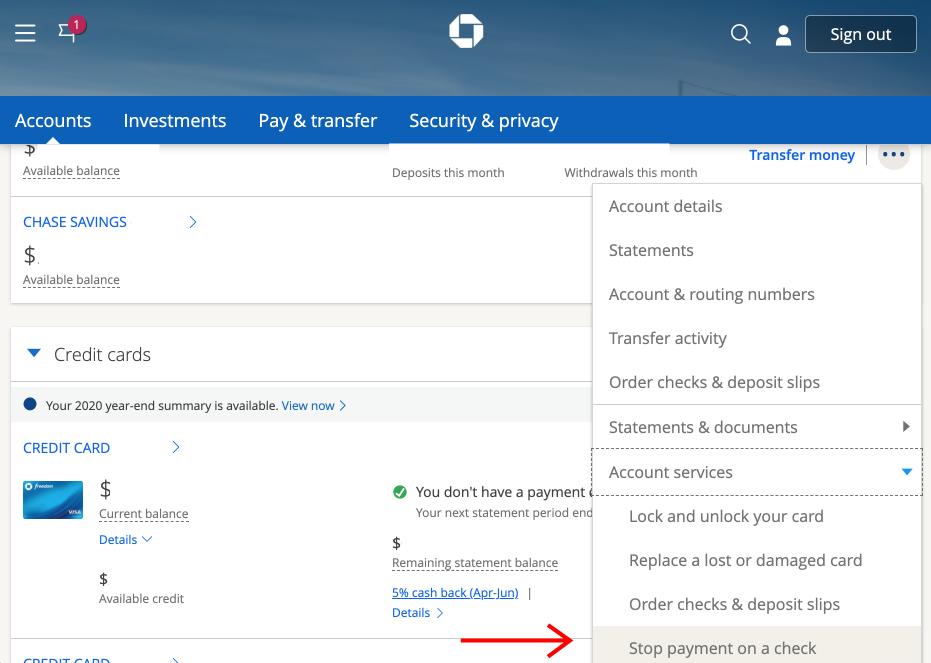
While Chase’s online banking platform is robust for managing accounts, it generally does not allow for the direct closure of checking or savings accounts online due to security protocols and the need for identity verification. You can, however, use online banking to check your balance, view transactions, and transfer funds to another linked account, which are essential preparatory steps.
Confirming Account Closure
Regardless of the method used, the final and perhaps most important step is to confirm the account has indeed been closed.
- Written Confirmation: Request and retain an official letter or email from Chase stating that the account has been closed and has a zero balance.
- Online Banking Check: Try logging into your Chase online banking to see if the account still appears. It might take a few business days for it to disappear from your active accounts list.
- Small Transfer Test: If you’re particularly cautious, after receiving confirmation, you might attempt a very small transfer (e.g., $0.01) to the old account number. If it bounces back, the account is likely closed.
Post-Closure Best Practices and Considerations
The process doesn’t quite end once you’ve received confirmation of closure. A few additional steps ensure long-term financial health and peace of mind.
Monitoring Your Credit Report
While closing a checking or savings account doesn’t directly impact your credit score like closing a credit card might, it’s still prudent to monitor your credit report. Ensure there are no unexpected inquiries or marks related to the old account. This helps catch any administrative errors or fraudulent activity that might attempt to leverage your former account details. You can obtain a free copy of your credit report annually from each of the three major credit bureaus.
Safely Disposing of Account-Related Documents
Once you’re certain the account is closed and you’ve retained your essential records, it’s crucial to securely dispose of any physical documents linked to the closed account. This includes unused checks, your old debit card (cut it up through the magnetic strip and chip), and any bank statements or sensitive mail. Shredding these documents prevents them from falling into the wrong hands and being used for identity theft.
Understanding the Impact on Other Chase Products
If you have other financial products with Chase, such as credit cards, mortgages, or investment accounts, closing a checking or savings account generally does not affect these relationships directly. However, it’s always wise to confirm this with Chase, especially if you had any cross-product benefits or linked services (e.g., automatic payments for your Chase credit card from your Chase checking account). Ensure those other products remain in good standing and are managed independently.
What to Do if You Change Your Mind
Should you decide shortly after closing that you need a Chase account again, you might be able to reopen it or, more commonly, simply open a new one. Be aware that opening a new account will involve the standard application process and may require a new minimum deposit.
Common Pitfalls to Avoid When Closing a Bank Account
Successfully closing a bank account hinges on meticulous planning and execution. Overlooking certain details can lead to significant financial headaches and frustration. Awareness of common pitfalls can help you navigate the process flawlessly.
Forgetting to Update Recurring Payments
This is arguably the most common and disruptive mistake. Failing to update all direct deposits and automatic payments before closing your account can lead to missed paychecks, bounced bill payments, late fees, and potential damage to your credit score (if credit-related payments are missed). Compile a comprehensive list of all recurring financial activities tied to your account and verify each one has been successfully rerouted to your new bank.
Leaving a Small Balance
Many individuals assume that if an account has just a few dollars, it will automatically close. However, banks may not close an account with a positive balance, even a negligible one. This small balance can then be eroded by monthly maintenance or dormancy fees, eventually leading to a negative balance and potential collection efforts or adverse marks on your banking history. Always ensure the account is at a true zero balance before initiating closure.
Not Getting Written Confirmation
Verbal confirmation is often insufficient. Without a written statement from Chase confirming your account’s closure, you lack official proof. In the event of future disputes, erroneous charges, or identity theft attempts linked to the old account number, this documentation is your primary defense. Always insist on and retain a physical or digital copy of the closure confirmation.
Rushing the Process
Closing a bank account should not be a last-minute decision or a rushed activity. It requires careful planning, especially when it comes to updating direct deposits and automatic payments. Allow yourself ample time – typically a few weeks to a month – to complete all preparatory steps, confirm changes, and then formally close the account. Rushing increases the likelihood of errors and omissions, leading to unnecessary stress and financial complications.
By diligently addressing these common pitfalls, you can ensure your Chase bank account closure is as smooth and uneventful as possible, safeguarding your financial stability and peace of mind.
Conclusion
Closing a bank account, particularly with a major institution like Chase, is a critical step in personal financial management that requires careful planning and execution. From understanding your motivations to meticulously preparing for the transition, and finally, executing the closure process, each stage demands attention to detail. By following the comprehensive steps outlined—reviewing transactions, updating recurring payments, transferring funds, and securing confirmation—you can ensure a seamless exit, free from unexpected fees or disruptions. Remember, sound financial stewardship is about more than just opening accounts; it’s also about managing their lifecycle effectively. With diligence and a clear understanding of the process, you can confidently navigate closing your Chase bank account, paving the way for your next financial chapter.
aViewFromTheCave is a participant in the Amazon Services LLC Associates Program, an affiliate advertising program designed to provide a means for sites to earn advertising fees by advertising and linking to Amazon.com. Amazon, the Amazon logo, AmazonSupply, and the AmazonSupply logo are trademarks of Amazon.com, Inc. or its affiliates. As an Amazon Associate we earn affiliate commissions from qualifying purchases.