
The concept of “mutation” often conjures images of scientific laboratories, genetic anomalies, and perhaps even the origins of superheroes. In its most fundamental biological sense, a mutation is a change in the DNA sequence of an organism. These alterations, however small, can have profound and far-reaching consequences, influencing everything from individual traits to the evolutionary trajectory of entire species.
But what if we broaden our perspective beyond the strictly biological realm? The idea of mutation – of transformation, alteration, and adaptation – resonates powerfully across various domains, particularly those at the forefront of our modern world: technology, brand development, and finance. Just as genetic mutations can lead to new variations in life, changes and adaptations in these sectors can drive innovation, disrupt industries, and redefine success.

This article will explore the multifaceted nature of mutation, beginning with its core biological definition and then extending its application to the dynamic landscapes of technology, branding, and money. By understanding the different types of mutations and their impacts, we can gain valuable insights into how change occurs, how it can be leveraged, and how to navigate its inevitable presence in our rapidly evolving world.
Biological Mutations: The Foundation of Change
At its core, mutation is a phenomenon of information alteration. In biology, the “information” is the genetic code, the blueprint that dictates the structure and function of living organisms. DNA, the molecule of heredity, is a long chain of chemical “bases” (Adenine, Thymine, Guanine, and Cytosine) arranged in a specific order. A mutation occurs when there is a change in this sequence.
Types of Gene Mutations
Gene mutations are changes that affect a single gene. These can occur spontaneously during DNA replication or be induced by external factors called mutagens (like radiation or certain chemicals).
Point Mutations: Small Changes, Big Impacts
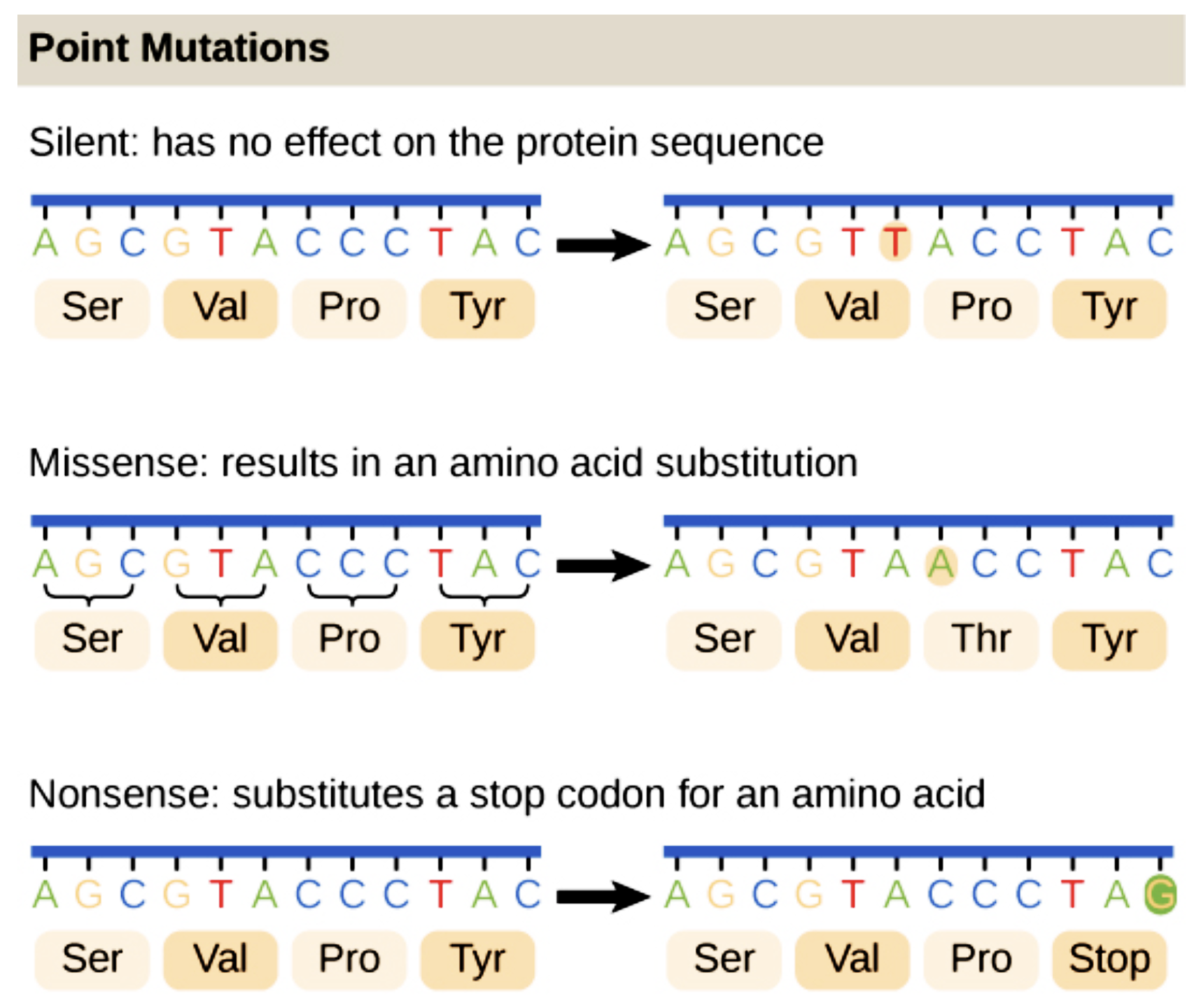
Point mutations are the most common type of gene mutation. They involve a change in a single nucleotide base within the DNA sequence. There are three main types of point mutations:
-
Substitution: One base is swapped for another.
- Silent Mutations: These substitutions result in a codon that codes for the same amino acid. While the DNA sequence is altered, the resulting protein remains unchanged. These are like typos in a recipe that don’t affect the final dish.
- Missense Mutations: The substitution leads to a codon that codes for a different amino acid. This can alter the structure and function of the protein, sometimes with significant consequences. Imagine changing one ingredient in a recipe, leading to a slightly different flavor or texture.
- Nonsense Mutations: The substitution creates a premature “stop” codon. This signals the cell to terminate protein synthesis prematurely, resulting in a shorter, often non-functional protein. This is like encountering a “stop” sign mid-instruction in a recipe, leaving the dish incomplete.
-
Insertion: An extra nucleotide base is added into the DNA sequence.
-
Deletion: A nucleotide base is removed from the DNA sequence.
Insertions and deletions can have more dramatic effects than substitutions because they can cause a frameshift mutation. DNA is read in groups of three bases called codons, each specifying an amino acid. If an insertion or deletion shifts the reading frame, all subsequent codons will be misread, leading to a completely different and often non-functional protein. This is akin to misreading a sentence by a single letter, scrambling the meaning of all subsequent words.
Chromosomal Mutations: Larger Scale Alterations
Chromosomal mutations are more extensive changes that affect the structure or number of entire chromosomes. These can involve large segments of DNA or even entire chromosomes.
- Deletions: Large segments of a chromosome are lost.
- Duplications: Segments of a chromosome are repeated.
- Inversions: A segment of a chromosome breaks off, flips around, and reattaches.
- Translocations: A segment of one chromosome breaks off and attaches to another non-homologous chromosome.
The impact of chromosomal mutations varies widely, from being harmless to causing severe genetic disorders.
The Role of Mutation in Evolution
While mutations can sometimes be detrimental, they are also the fundamental driving force behind evolution. Genetic variation, introduced by mutations, provides the raw material for natural selection. Organisms with beneficial mutations are more likely to survive and reproduce, passing those advantageous traits to their offspring. Over vast stretches of time, this process leads to the diversity of life we see on Earth.
Mutation in Tech: The Engine of Innovation and Disruption
The technology sector is perhaps the most visible arena where the concept of mutation plays out in real-time, albeit through a different lens. Here, “mutation” doesn’t refer to genetic code but to the rapid evolution, adaptation, and sometimes radical reinvention of software, hardware, and entire digital ecosystems.
Software Evolution: Iterative and Disruptive Mutations
Software, in particular, is in a constant state of mutation. Development cycles are rapid, with updates, patches, and entirely new versions released frequently. This can be viewed as a form of iterative mutation, where small changes (bug fixes, minor feature additions) build upon existing codebases.
However, the tech world also experiences more profound, disruptive mutations. Consider the emergence of:
- Mobile Computing: The shift from desktop-centric computing to smartphones and tablets represented a fundamental mutation in how we interact with technology. This wasn’t just an upgrade; it was a paradigm shift, mutating user habits, app development, and even hardware design.
- Cloud Computing: The move from local data storage and processing to distributed cloud services mutated the IT infrastructure landscape, enabling scalability, accessibility, and new business models.
- Artificial Intelligence (AI): The rapid advancements in AI, particularly in areas like machine learning and generative AI, are perhaps the most significant technological mutations of our era. These tools are not just improving existing processes; they are creating entirely new possibilities and fundamentally altering industries. AI tools can “mutate” workflows, generate content, and even write code, representing a powerful form of digital evolution.
AI as a Mutating Force
Generative AI models, for instance, can be seen as undergoing a form of “training mutation.” They learn from vast datasets, constantly refining their outputs and capabilities. This “mutation” allows them to adapt to new prompts, generate diverse forms of content, and even exhibit emergent properties that were not explicitly programmed. This rapid evolution of AI tools is a prime example of mutation driving progress and disruption.
Hardware Advancements: Physical Mutations
Hardware also undergoes its own form of mutation. Miniaturization, increased processing power, and new materials lead to devices that are more capable and efficient. Think of the evolution from bulky desktop computers to sleek laptops, and then to the powerful smartphones we carry today. Each generation represents a physical mutation, building upon and transforming previous designs.
Digital Security: The Constant Arms Race
In digital security, mutation is a constant. Cyber threats are not static; they evolve, adapt, and mutate to bypass existing defenses. This necessitates a continuous process of mutation in security software and strategies. New viruses, malware, and hacking techniques emerge, forcing cybersecurity professionals to “mutate” their defenses – developing new detection algorithms, encryption methods, and threat intelligence frameworks. This ongoing mutation is a critical battle for maintaining the integrity of our digital systems.
Brand Mutation: Adapting for Relevance and Resonance
In the realm of branding, “mutation” refers to the strategic adaptation and evolution of a brand’s identity, messaging, and offerings to remain relevant, connect with changing audiences, and thrive in dynamic markets. Brands that fail to mutate risk becoming obsolete, much like species unable to adapt to environmental changes.
Brand Strategy: Navigating the Evolving Consumer
Brand strategy is inherently about anticipating and responding to change. A successful brand must be willing to mutate its approach to marketing, product development, and customer engagement.
- Repositioning: A brand might undergo a significant repositioning mutation to target a new demographic or to shed a negative image. This involves a fundamental shift in its core message and perceived value.
- Brand Extension: Extending a brand into new product categories or markets is a form of controlled mutation, leveraging existing brand equity to create new revenue streams.
- Digital Transformation: Brands that have successfully navigated the digital revolution have undergone significant mutations in their online presence, e-commerce capabilities, and digital marketing strategies.
Adapting to Digital Culture
The rise of social media and the increasing importance of personal branding have also forced brands to mutate. They must now engage in authentic conversations, embrace user-generated content, and adapt to the fast-paced, informal nature of online communication. Brands that are perceived as “stiff” or out of touch are often the ones that fail to mutate effectively.
Corporate Identity: Evolving Visuals and Values
Corporate identity, the visual and emotional essence of a company, also undergoes mutation. This can manifest in:
- Logo Redesigns: Many iconic brands have evolved their logos over time, subtly or dramatically mutating their visual representation to reflect changing times and aesthetics.
- Mission and Values Updates: As societal norms and business priorities shift, companies may mutate their stated mission and core values to align with new expectations and ethical considerations.
- Personal Branding Integration: In today’s interconnected world, the lines between corporate and personal branding are blurring. Companies are increasingly encouraging their leaders and employees to develop strong personal brands, creating a ripple effect that can mutate the overall corporate image.
Case Studies in Brand Mutation
Successful brands often have compelling stories of mutation. Think of how companies like Netflix mutated from a DVD-by-mail service to a global streaming giant, or how Apple mutated from a computer company to a dominant force in consumer electronics and digital services. These transformations required significant strategic mutations in their business models, product development, and marketing.
Money Mutation: The Fluidity of Value and Investment
The world of finance and money is perhaps the most fluid and dynamic, constantly undergoing mutation. From the evolution of currency to the rise of new investment vehicles, money itself and how we interact with it are in perpetual flux.
Personal Finance: Adapting to New Tools and Opportunities
Personal finance has been dramatically mutated by technology. The days of solely relying on physical banks and paper statements are largely gone.
- Digital Banking: Online banking platforms, mobile payment apps, and budgeting tools have mutated how individuals manage their money, offering greater convenience, transparency, and control.
- Fintech Innovations: The explosion of Fintech (Financial Technology) has introduced a wave of innovative tools and services, from peer-to-peer lending to robo-advisors, mutating traditional financial models.
The Rise of Online Income and Side Hustles
The internet has mutated the concept of income generation. Online income streams and side hustles are no longer niche activities but mainstream avenues for financial growth. Platforms for freelancing, content creation, and online retail have empowered individuals to diversify their earning potential, a significant mutation from the traditional employer-employee model.
Investing: New Assets and Shifting Landscapes
The investment landscape is in a state of constant mutation, driven by technological advancements and changing economic conditions.
- Cryptocurrencies and Blockchain: The emergence of cryptocurrencies represents a radical mutation in the concept of currency and digital assets. Blockchain technology, the underlying innovation, is also mutating the financial industry in areas like secure transactions and smart contracts.
- Online Trading Platforms: The accessibility of online trading platforms has democratized investing, allowing individuals to participate in stock markets, options trading, and other financial instruments with unprecedented ease. This has mutated the traditional role of stockbrokers.
- Alternative Investments: Beyond traditional stocks and bonds, new forms of investment are emerging, from real estate crowdfunding to fractional ownership of assets. These mutations offer new avenues for wealth creation.
Financial Tools: Empowering Informed Decisions
The availability of sophisticated financial tools has also contributed to money mutation. From advanced charting software for traders to AI-powered investment analysis, these tools empower individuals to make more informed decisions. This “mutation” of information access and analytical capability allows for a more dynamic and responsive approach to managing wealth.
Business Finance: Adapting to Global Markets and Digital Economies
For businesses, the mutation of money is even more pronounced. Globalized markets, digital payment systems, and evolving accounting practices require constant adaptation.
- Digital Payment Gateways: The ability to accept payments in multiple currencies and through various digital channels is essential for modern businesses.
- Blockchain in Business: Beyond cryptocurrencies, blockchain technology is being explored and implemented for supply chain management, secure record-keeping, and transparent financial transactions, representing a significant mutation in how businesses operate.
- Access to Capital: Online lending platforms and crowdfunding have mutated the traditional avenues for business financing, providing new opportunities for startups and established companies alike.

Conclusion: Embracing the Inevitability of Mutation
From the microscopic changes in our DNA to the seismic shifts in technology, brands, and finance, mutation is a fundamental force shaping our world. Understanding the different types of mutations, whether biological, technological, or strategic, allows us to better comprehend the processes of change, innovation, and adaptation.
In technology, mutation drives progress, creating new tools and transforming industries. In branding, it ensures relevance and enduring connection with audiences. In money, it reflects the fluid nature of value and the constant evolution of how we earn, save, and invest.
As we move forward, the ability to recognize, understand, and even strategically leverage mutation will be paramount. Whether you are a scientist studying genetic code, a tech entrepreneur developing the next groundbreaking app, a marketer crafting a brand’s future, or an individual managing your finances, embracing the inevitability of mutation is the key to not just surviving, but thriving in our ever-changing world. By observing the patterns of change, we can better anticipate the future and actively participate in shaping it.
aViewFromTheCave is a participant in the Amazon Services LLC Associates Program, an affiliate advertising program designed to provide a means for sites to earn advertising fees by advertising and linking to Amazon.com. Amazon, the Amazon logo, AmazonSupply, and the AmazonSupply logo are trademarks of Amazon.com, Inc. or its affiliates. As an Amazon Associate we earn affiliate commissions from qualifying purchases.