
In an increasingly competitive global landscape, the question “what are the top ranked universities?” resonates far beyond the academic community. For students, parents, policymakers, and employers alike, university rankings serve as critical benchmarks, guiding decisions that can shape futures and national trajectories. However, to truly understand the significance of these rankings, we must view universities not merely as educational institutions, but as sophisticated, multi-faceted global brands.
Just like leading corporations, top-tier universities cultivate distinctive identities, reputations, and value propositions that attract the brightest talent, secure substantial funding, and exert profound influence. Their “brand” encompasses everything from centuries of tradition and intellectual heritage to cutting-edge research, campus culture, and the global impact of their alumni. This article delves into the world of top-ranked universities through a branding lens, exploring how academic excellence translates into powerful institutional brands and how these brands are built, perceived, and maintained in a dynamic global environment.
The Anatomy of a University Brand: Beyond the Prospectus
A university’s brand is a complex tapestry woven from tangible achievements and intangible perceptions. It is more than just a logo or a marketing campaign; it is the sum total of every experience, interaction, and outcome associated with the institution. For top-ranked universities, this brand equity is particularly robust, built over decades, if not centuries, of consistent excellence.
Academic Reputation as Core Brand Equity
At the heart of any top university brand lies its academic reputation. This is the bedrock upon which all other brand attributes are built. It is intrinsically linked to the quality of its faculty – Nobel laureates, pioneering researchers, influential thought leaders – whose presence elevates the institution’s intellectual capital. The volume and impact of research output, measured by citations and publications in prestigious journals, directly contribute to this reputation, signaling a university’s commitment to advancing knowledge. Furthermore, the success of its alumni – those who go on to lead industries, shape policy, and make significant societal contributions – serves as a powerful testament to the caliber of education and development offered. These factors collectively forge a perception of rigorous academic standards and a commitment to intellectual discovery, making the university synonymous with excellence.
Global Recognition and Prestige
For top-ranked universities, their brand extends far beyond national borders. Global recognition is a critical component of their prestige. This is fostered through a diverse international student body and faculty, which enriches the campus environment and creates a worldwide network of influence. Cross-cultural collaborations, international research partnerships, and satellite campuses in strategic locations further amplify their global footprint. A university with a strong global brand is perceived as a hub of international thought and innovation, attracting talent from every corner of the world and contributing to global dialogues and solutions. This international dimension not only enhances its brand appeal but also positions it as a key player on the world stage, capable of addressing universal challenges.
Campus Experience and Culture
While academic prowess is paramount, the intangible aspects of the campus experience and culture play an equally vital role in shaping a university’s brand. This encompasses everything from the physical beauty of the campus and its facilities to the vibrancy of student life, the strength of its traditions, and the sense of community it fosters. A unique campus culture – whether it’s known for its fierce intellectual debates, its entrepreneurial spirit, its artistic vibrancy, or its commitment to social justice – creates a distinct identity that resonates with prospective students and faculty. These experiential elements contribute to emotional connections and foster brand loyalty, transforming students into lifelong advocates and alumni. The stories, rituals, and shared experiences become powerful brand narratives that are passed down through generations, reinforcing the institution’s identity.
How Rankings Reflect Brand Strength and Influence
University rankings, often viewed as simple lists, are in fact sophisticated indicators of brand strength and influence within the higher education sector. They aggregate multiple data points and perceptions into a digestible format, offering a snapshot of an institution’s competitive positioning.
Methodologies and Metrics as Brand Indicators
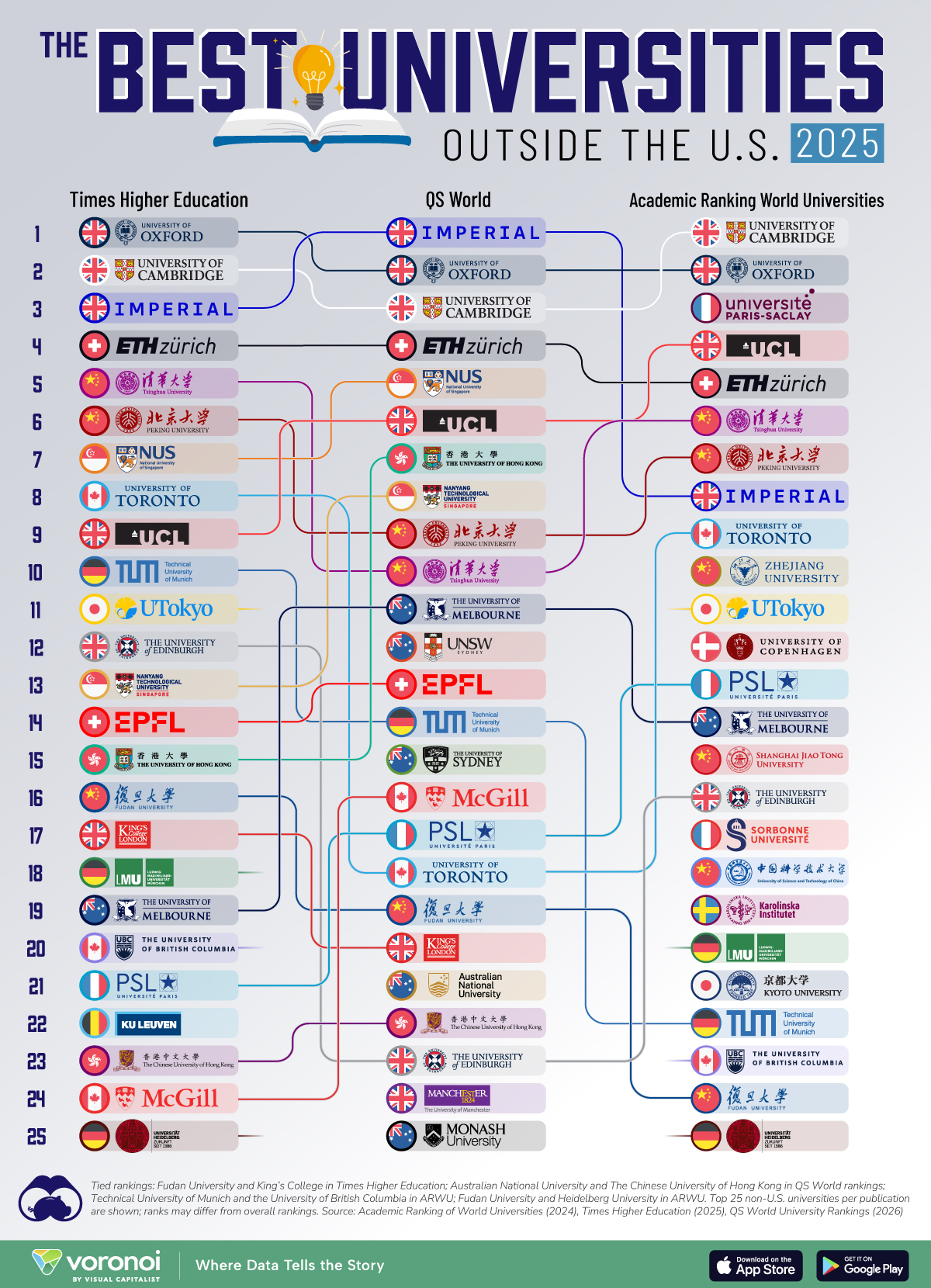
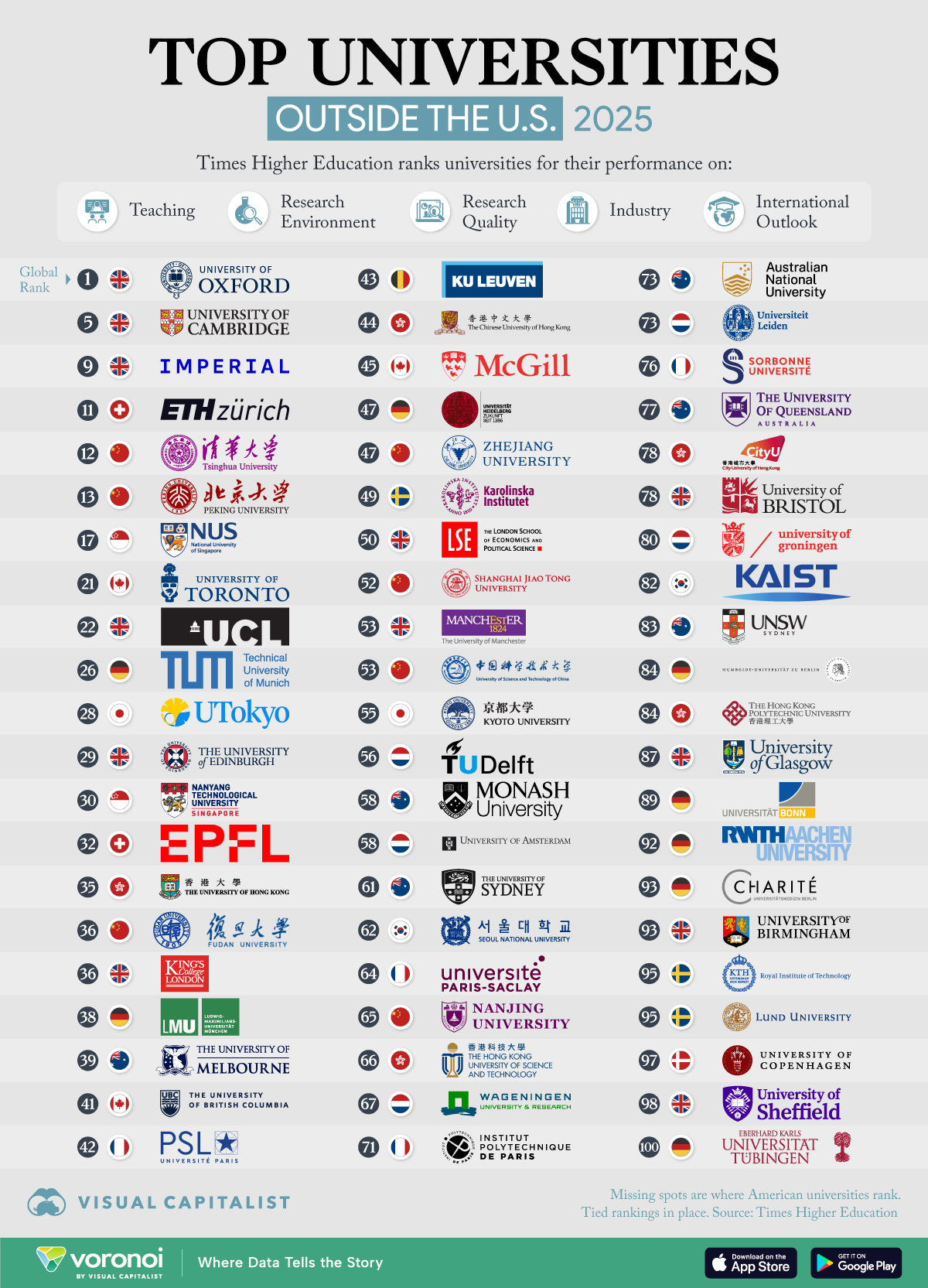
The methodologies employed by major ranking systems (e.g., QS World University Rankings, Times Higher Education World University Rankings, Academic Ranking of World Universities) are remarkably aligned with key brand attributes. Metrics such as academic reputation (based on peer surveys), employer reputation (surveying recruiters), faculty-student ratio, citations per faculty, and internationalization (proportion of international students and staff) directly measure various facets of a university’s brand.
- Academic Reputation and Employer Reputation are direct measures of brand perception among critical stakeholders.
- Citations per Faculty signifies the intellectual impact and thought leadership of the brand.
- Faculty-Student Ratio speaks to the perceived quality of teaching and personalized attention, a core aspect of the student experience brand.
- Internationalization reflects the global appeal and diversity of the brand, a key factor in its worldwide recognition.
Each of these metrics contributes to an overall “brand score,” influencing a university’s position and, consequently, its perceived value and attractiveness.
The Halo Effect: Prestige and Perceived Value
A high ranking creates a powerful “halo effect” for a university’s brand. This prestige automatically elevates the perceived quality of its degrees, its research, and its faculty. It signals to the world that this institution is among the best, attracting a higher caliber of applicants – both students and academics – who are eager to associate themselves with a winning brand. This demand allows top universities to be more selective, further enhancing their exclusivity and reinforcing their elite brand status. Furthermore, the halo effect extends to funding opportunities, partnerships with industry, and philanthropic donations, as stakeholders are more likely to invest in brands with proven success and strong reputations. This creates a virtuous cycle where high rankings fuel further excellence, which in turn reinforces brand strength.
Competitive Landscape and Brand Differentiation
In a crowded global market for higher education, rankings provide universities with a crucial tool for brand differentiation. They allow institutions to highlight their unique strengths and strategic focus areas. A university strong in STEM might emphasize its research output and employer reputation in tech fields, while another known for humanities might highlight its academic reputation and international outlook. By analyzing their position relative to competitors, universities can refine their brand messaging, target specific audiences, and strategically invest in areas that will enhance their unique selling propositions. Rankings thus become a critical element in a university’s overall marketing and brand strategy, helping them carve out a distinct identity in the global education marketplace.
Building and Maintaining a Top University Brand
Achieving and sustaining a top university ranking is not a passive process; it requires deliberate, long-term brand strategy and continuous investment. It’s an ongoing commitment to excellence across multiple dimensions.
Strategic Marketing and Communications
For a university brand to thrive, it must be effectively communicated. This involves sophisticated marketing and communications strategies that go beyond traditional advertising. Storytelling is paramount – showcasing the impactful research, the transformative student experiences, and the inspiring alumni journeys. A robust digital presence, including compelling websites, active social media engagement, and strategic content marketing, is essential for reaching global audiences. Media relations play a critical role in shaping public perception and ensuring that institutional achievements are recognized by a wider audience. Consistent brand messaging, visual identity, and tone of voice across all platforms reinforce the university’s identity and enhance its recognition.
Investment in Research and Innovation
A fundamental pillar of any top university brand is its commitment to groundbreaking research and innovation. This requires substantial and sustained investment in state-of-the-art facilities, attracting top research talent, and fostering an environment of intellectual curiosity and discovery. Universities that consistently produce high-impact research, secure significant grants, and contribute to solving global challenges naturally enhance their brand as centers of intellectual leadership and innovation. Their discoveries become part of their brand narrative, associating them with progress and a forward-thinking vision. This not only bolsters their academic reputation but also attracts external partnerships and funding, further reinforcing their brand value.
Alumni Engagement and Network Power
Alumni are arguably a university’s most powerful brand ambassadors. A strong alumni network provides advocacy, mentorship, and invaluable professional connections. Engaging alumni through regular communications, events, and opportunities to contribute back to the university fosters a lifelong connection and brand loyalty. Successful alumni, through their achievements and philanthropic support, amplify the university’s brand message and demonstrate the tangible returns of its education. Their stories become compelling testimonials, attracting future generations of students and faculty. The strength and global reach of a university’s alumni network are direct indicators of its brand influence and enduring impact.
Adaptability and Future-Proofing the Brand
In a rapidly changing world, a top university brand must demonstrate adaptability and a forward-looking perspective. This involves continuously reviewing and evolving curricula to meet the demands of emerging industries and global challenges. Embracing new technologies in teaching and research, such as AI and virtual reality, ensures that the brand remains relevant and cutting-edge. Responding proactively to societal needs, such as climate change, public health crises, or social inequality, allows universities to position themselves as thought leaders and problem-solvers, enhancing their brand as institutions with a positive global impact. Future-proofing the brand means anticipating trends, innovating, and demonstrating resilience in the face of disruption.
The Evolving Landscape of University Branding
The digital age and increasing global interconnectedness are fundamentally reshaping how university brands are perceived, communicated, and managed.
Digital Presence and Online Learning
The advent of massive open online courses (MOOCs) and the widespread adoption of digital learning platforms have significantly impacted university branding. A university’s digital presence—its website, social media channels, and online course offerings—is now a primary touchpoint for prospective students, researchers, and partners worldwide. For top universities, a sophisticated digital strategy is crucial not only for recruitment but also for extending their brand reach and demonstrating their commitment to accessible, cutting-edge education. Online programs can democratize access to their brand, potentially expanding their influence and reputation globally, while simultaneously posing challenges to maintaining exclusivity and traditional campus experiences.
Social Impact and Ethical Branding
Today’s stakeholders, particularly younger generations, increasingly prioritize institutions with a strong commitment to social responsibility and ethical practices. Universities that actively promote sustainability, foster diversity and inclusion, engage with local communities, and champion ethical research practices are building stronger, more resonant brands. Their brand narrative is no longer solely about academic excellence but also about their role as responsible global citizens. Transparent communication about their social impact initiatives and commitment to core values is essential for building trust and attracting talent aligned with these principles.
Navigating Reputation Management in a Connected World
In the age of instant information and social media, reputation management has become a critical aspect of university branding. A single misstep, scandal, or negative incident can quickly go viral, potentially damaging a meticulously built brand. Top universities must have robust crisis communication plans, transparency protocols, and active social listening strategies to monitor public sentiment and respond effectively. Protecting brand integrity means not only proactively promoting achievements but also responsibly addressing challenges, maintaining ethical standards, and safeguarding the trust of their diverse stakeholders.
Conclusion
The question “what are the top ranked universities?” opens a window into a fascinating world where academic prowess intersects with sophisticated brand strategy. These institutions, much like global corporations, meticulously cultivate their identities, manage their reputations, and communicate their unique value propositions to a diverse global audience. Their top rankings are not merely a reflection of academic quality but a powerful testament to successful brand building – a blend of historical prestige, intellectual leadership, a vibrant campus experience, and strategic engagement with the world.
As the higher education landscape continues to evolve, the art and science of university branding will only become more critical. The top-ranked universities of tomorrow will be those that not only uphold academic excellence but also demonstrate exceptional agility in adapting their brand narratives, embracing new technologies, championing social impact, and effectively navigating an increasingly complex and interconnected world. Their brands will continue to inspire, educate, and shape the future, leaving an indelible mark on society.
aViewFromTheCave is a participant in the Amazon Services LLC Associates Program, an affiliate advertising program designed to provide a means for sites to earn advertising fees by advertising and linking to Amazon.com. Amazon, the Amazon logo, AmazonSupply, and the AmazonSupply logo are trademarks of Amazon.com, Inc. or its affiliates. As an Amazon Associate we earn affiliate commissions from qualifying purchases.