
In the modern financial landscape, a credit card is far more than a simple tool for deferred payment. For the savvy consumer, it is a strategic instrument used to build credit history, earn significant travel rewards, secure consumer protections, and manage cash flow. However, with hundreds of options available from major issuers, the “best” card is rarely a universal truth; instead, it is a subjective fit based on an individual’s spending habits, financial goals, and credit score.
As we navigate the current economic environment, characterized by fluctuating interest rates and evolving reward structures, understanding the nuances of the credit card market is essential. This guide explores the top-tier credit cards currently dominating the market, categorized by their primary utility, while providing a deep dive into how to select the right financial partner for your wallet.
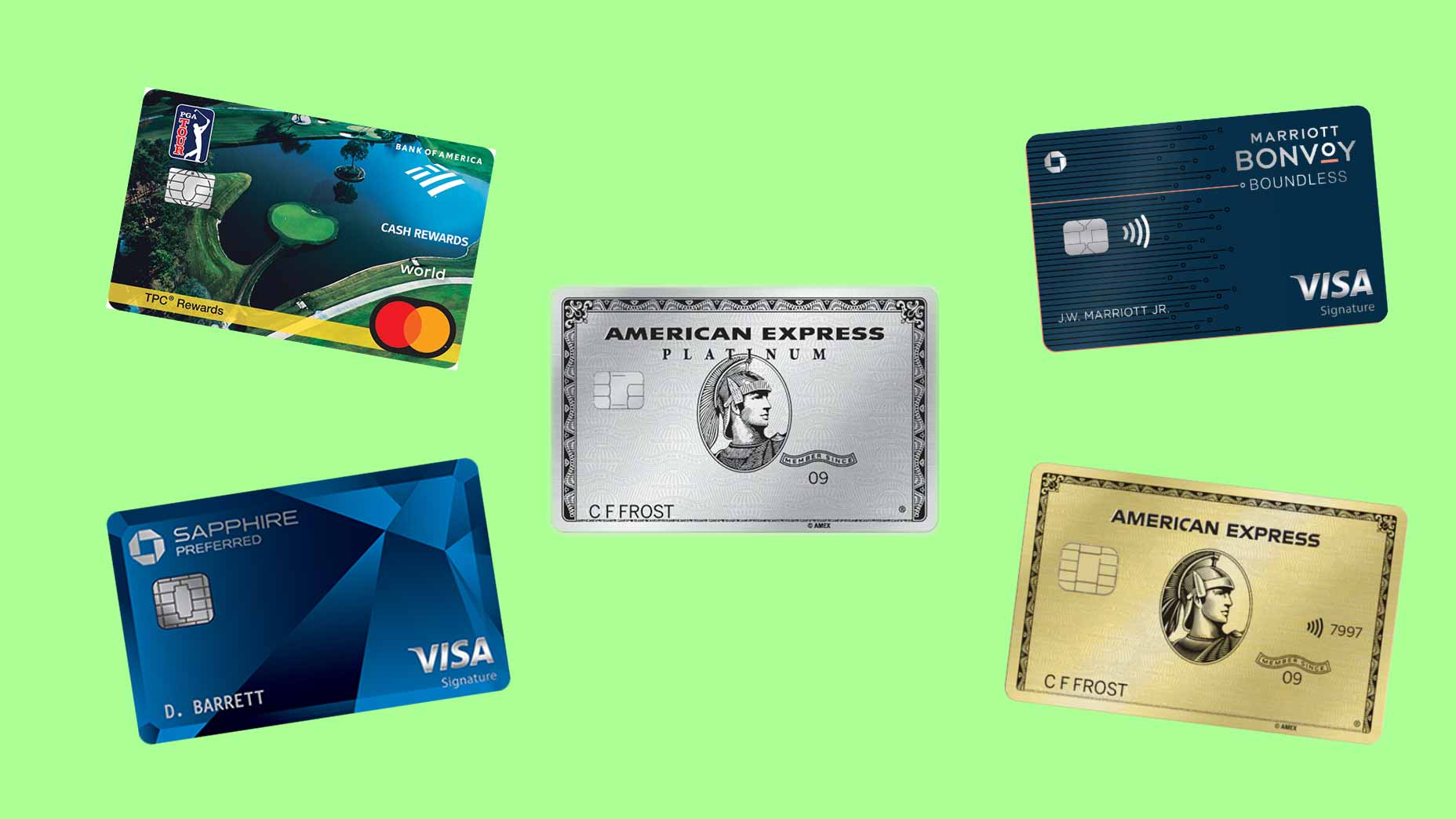
1. Categorizing the Top Credit Cards by Consumer Utility
To identify the top credit cards, one must first identify the “why” behind the application. Credit cards are generally grouped into categories that serve specific financial archetypes.
The Rewards Enthusiast: Cash Back Cards
Cash back cards remain the most popular choice for the average consumer due to their simplicity. These cards return a percentage of every dollar spent back to the user, either as a statement credit, a check, or a deposit into a bank account. Top-tier cards in this category typically offer either a flat-rate (e.g., 2% on all purchases) or tiered rewards (e.g., 3% on groceries and gas, 1% on everything else). The appeal here is liquidity; cash back is a tangible return on investment that requires minimal effort to redeem.
The Globetrotter: Travel and Miles Cards
For those who prioritize experiences over liquidity, travel rewards cards are the gold standard. These cards earn “points” or “miles” that can be redeemed for flights, hotel stays, and car rentals. The top cards in this category often feature “transferable currencies”—points that can be moved to various airline and hotel loyalty programs. Beyond points, these cards offer luxury perks such as airport lounge access, Global Entry/TSA PreCheck credits, and comprehensive travel insurance, which can often outweigh the cost of high annual fees.
The Debt Manager: Balance Transfer and 0% APR Cards
For individuals focused on debt consolidation or financing a large purchase, the “top” card is defined by its interest-saving potential. Balance transfer cards offer an introductory 0% APR period, sometimes lasting up to 21 months. This allows the cardholder to pay down their principal balance without the weight of accruing interest, serving as a vital tool for personal financial recovery and disciplined budgeting.
2. A Deep Dive Into the Current Market Leaders
While the “top” card depends on the user, several specific products consistently rank at the top of industry benchmarks due to their high earn rates and robust benefits.
The Best for Premium Travel: The Luxury Tier
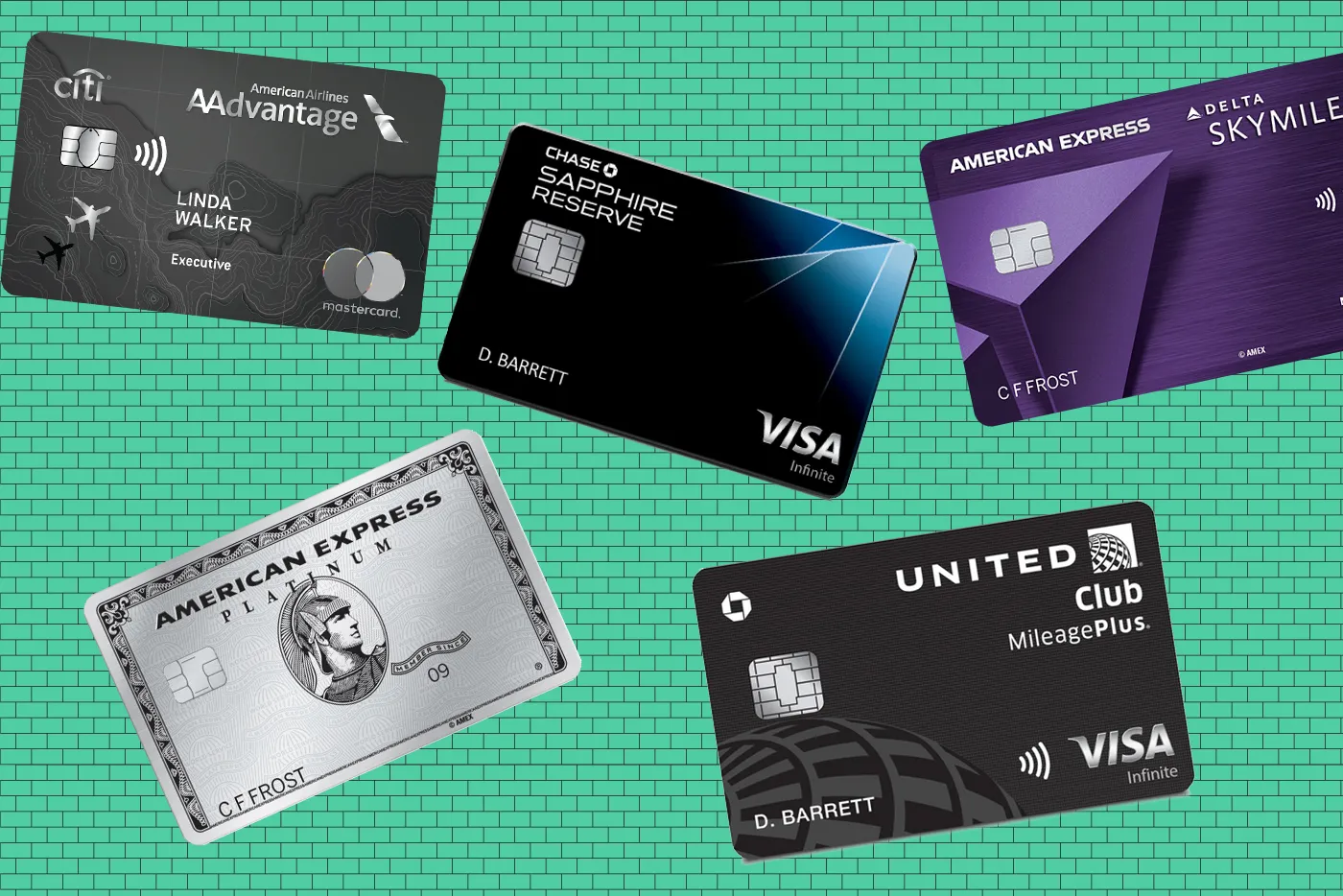
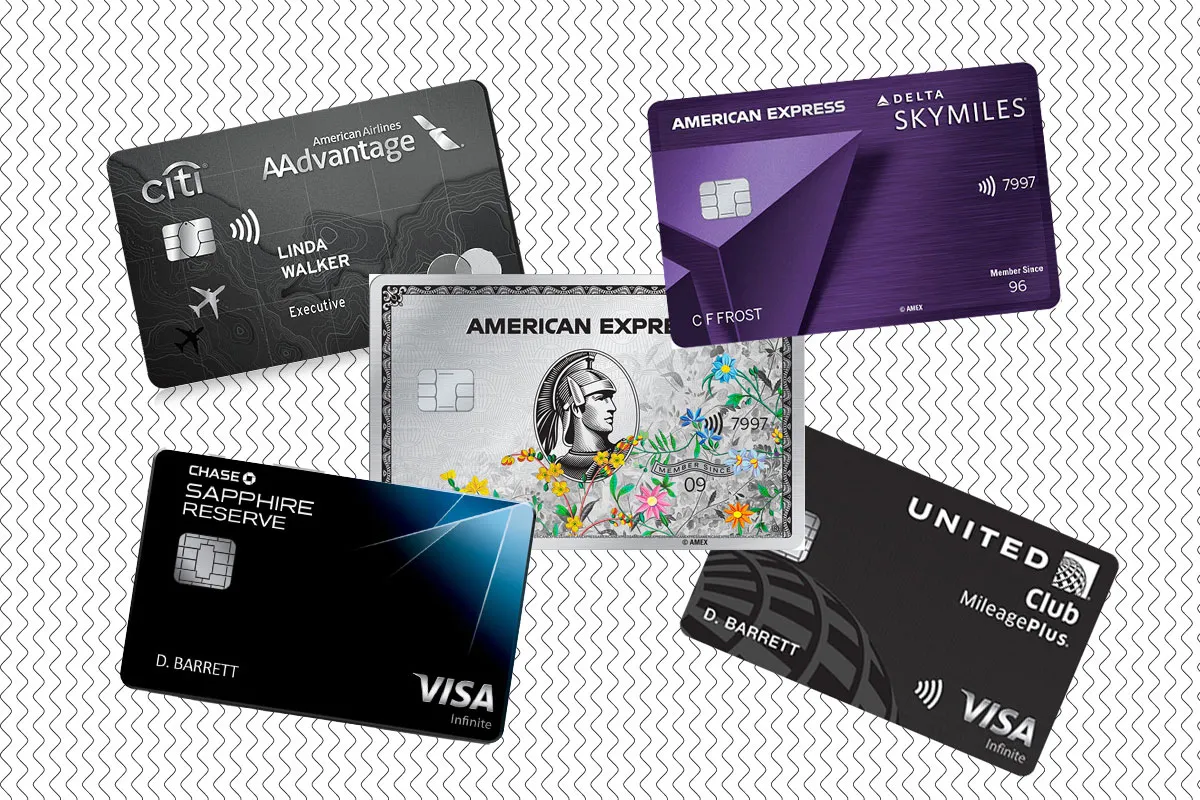
In the realm of high-end travel, cards like the Chase Sapphire Reserve and the American Express Platinum Card continue to lead the pack. The Sapphire Reserve is lauded for its flexibility; its “Ultimate Rewards” points are widely considered the most valuable currency in the industry. Meanwhile, the Amex Platinum serves as a “lifestyle” card, offering over $1,500 in various credits (Uber, digital entertainment, Saks Fifth Avenue) alongside unparalleled airport lounge access through the Centurion Network.
The Best for Everyday Spending: Flat-Rate and Tiered Cash Back
For those who want a “set it and forget it” approach, the Wells Fargo Active Cash® Card or the Citi Double Cash® Card are top contenders, both offering effectively 2% back on all purchases. For families, the American Express Blue Cash Preferred® is often cited as the premier choice, offering a staggering 6% cash back at U.S. supermarkets (on up to $6,000 per year) and 6% on select U.S. streaming subscriptions.
The Best for Building Credit: Secured and Student Cards
Not everyone has the credit score required for premium rewards. The Capital One Platinum Secured or the Discover it® Student Cash Back are the top choices for those entering the credit market. These cards provide a pathway to a higher credit score through responsible use, with Discover even offering a “cash back match” at the end of the first year, proving that even entry-level cards can provide significant value.
3. Understanding the Mechanics: Interest Rates and Fees
A card’s rewards are only valuable if they are not offset by high costs. To truly understand what makes a credit card “top-tier,” a consumer must look past the flashy sign-up bonus and analyze the underlying cost structure.
The Impact of Annual Percentage Rates (APR)
The APR is the cost of borrowing money on the card. For most top rewards cards, the APR is variable and can be quite high, often ranging from 19% to 29%. This is why the primary rule of credit card mastery is to pay the balance in full every month. If a balance is carried, the interest charges will almost always exceed the value of any points or cash back earned. Therefore, the “best” card for someone who carries a balance is never a rewards card, but rather a low-interest or 0% APR card.
Navigating Annual Fees vs. Value Proposition
Many of the top credit cards carry annual fees, ranging from $95 to $695. A common mistake is to avoid these fees at all costs. However, a professional financial analysis often shows that the benefits—such as travel credits, insurance, and higher earn rates—far exceed the fee. For example, a card with a $250 annual fee that provides a $200 dining credit and a $100 hotel credit actually “pays” the consumer $50 to keep it in their wallet. Identifying these value-positive opportunities is key to wealth management.
Foreign Transaction Fees and Hidden Costs
For international travelers or those who shop at overseas retailers, foreign transaction fees (usually around 3%) can quietly erode wealth. Many top-tier travel cards waive these fees entirely. When evaluating “top” cards, one must ensure the fee structure aligns with their lifestyle; a cash back card that charges 3% on every purchase made while on vacation is fundamentally flawed for a frequent traveler.
4. Strategic Optimization: How to Maximize Card Value
Owning a top credit card is only the first step; maximizing its utility requires a strategic approach to personal finance.
The Art of the Sign-Up Bonus
The fastest way to extract value from the credit card industry is through sign-up bonuses (SUBs). Issuers often offer 60,000 to 100,000 points (worth $600 to $1,500 or more) to new cardholders who meet a minimum spending requirement within the first few months. Strategic consumers time their applications around major life expenses—such as a wedding, home renovation, or holiday shopping—to ensure they hit these requirements without spending more than they otherwise would.
Stacking and the “Card Portfolio” Strategy
High-level practitioners of personal finance rarely rely on a single card. Instead, they build a “stack.” This might involve using a 4% gas card for the pump, a 6% grocery card for the supermarket, and a 2% flat-rate card for everything else. By aligning the card’s “bonus categories” with their largest budget line items, consumers can effectively “discount” their entire life by 3% to 5%.
Maintaining the Credit Score Foundation
The ability to access the top credit cards depends entirely on one’s credit score. This requires a focus on two primary factors: payment history and credit utilization. Payment history is simple: never miss a payment. Credit utilization—the ratio of your balance to your total limit—should ideally remain below 10%. By keeping balances low and limits high, consumers signal to issuers that they are low-risk, high-value clients, ensuring they always have access to the best financial products on the market.
5. Conclusion: Choosing Your Financial Ally
The quest to find the “top” credit card is ultimately a journey of self-assessment. There is no singular card that wins for every person in every scenario. For the debt-conscious, the top card is one with 0% interest. For the luxury traveler, it is the card that grants entry into an exclusive airport lounge. For the pragmatic head of a household, it is the card that puts the most cash back into the monthly budget.
As the financial industry continues to innovate with AI-driven personalized offers and more complex reward structures, the burden remains on the consumer to stay informed. By understanding the categories, analyzing the cost-to-benefit ratios, and employing a disciplined strategy, you can transform a simple piece of plastic into a powerful engine for financial growth and lifestyle enhancement. The top credit card is not just a way to pay—it is a way to get paid for the spending you were already going to do.
aViewFromTheCave is a participant in the Amazon Services LLC Associates Program, an affiliate advertising program designed to provide a means for sites to earn advertising fees by advertising and linking to Amazon.com. Amazon, the Amazon logo, AmazonSupply, and the AmazonSupply logo are trademarks of Amazon.com, Inc. or its affiliates. As an Amazon Associate we earn affiliate commissions from qualifying purchases.