
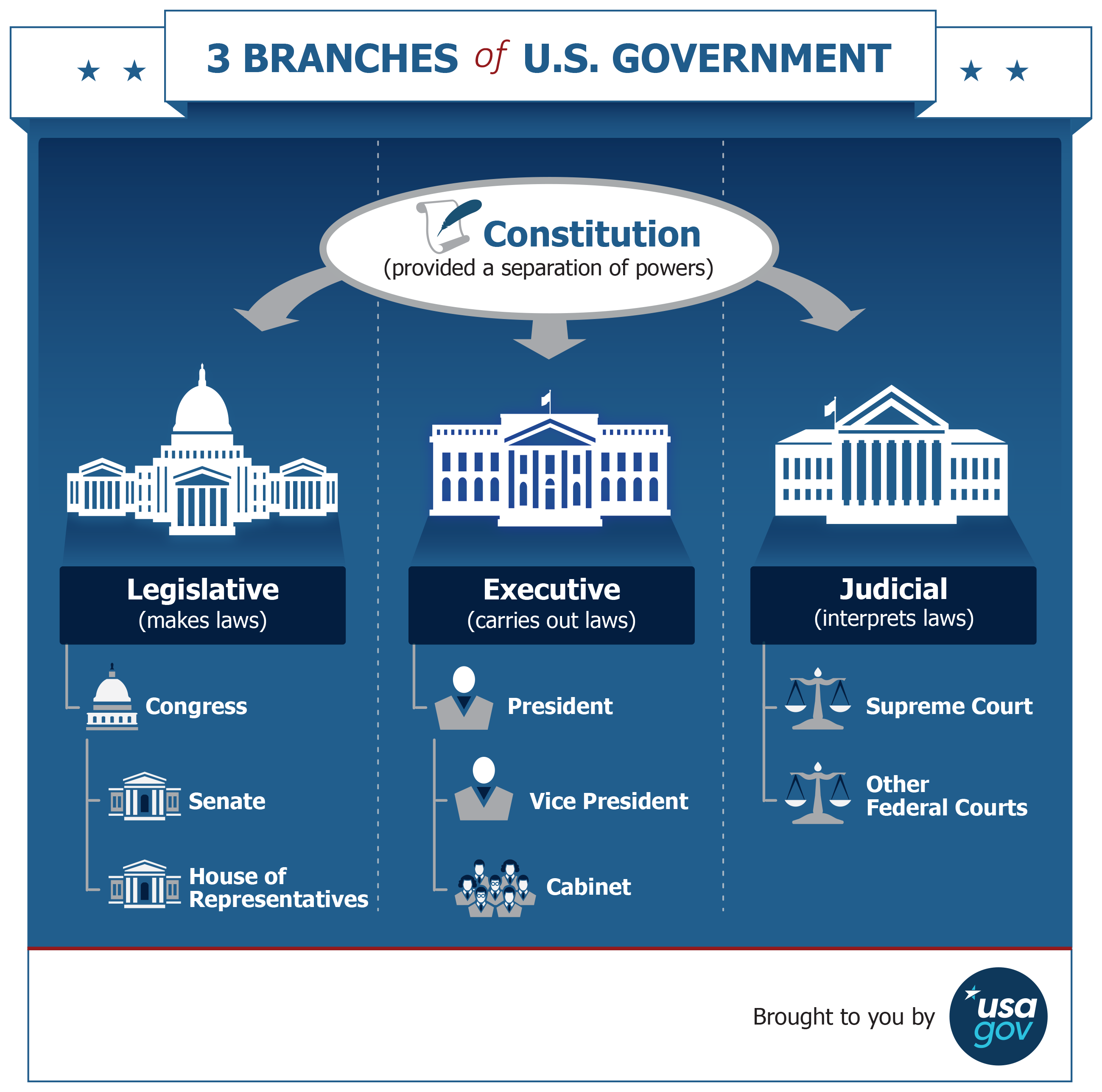
The United States federal government, a complex and dynamic entity, is structured into three distinct branches: the Legislative, Executive, and Judicial. This deliberate separation of powers, a cornerstone of American democracy enshrined in the Constitution, ensures a system of checks and balances designed to prevent the concentration of power and safeguard liberty. Beyond their general administrative and governance roles, each branch plays a critical, often underestimated, role in shaping the nation’s economic landscape and financial future. Understanding these financial facets is crucial for comprehending everything from tax policies and interest rates to market regulations and national debt.
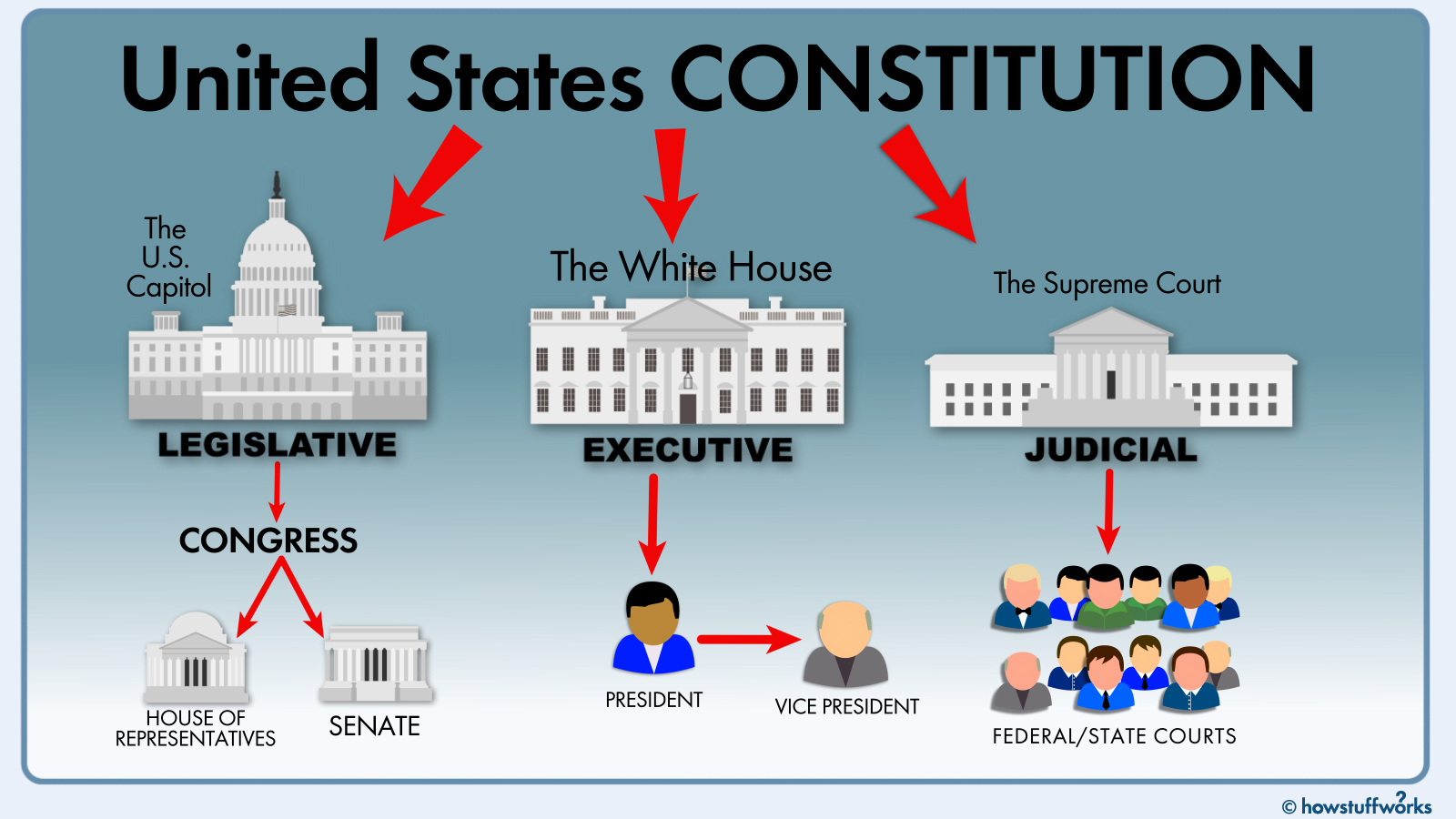
From crafting the federal budget and regulating financial markets to enforcing economic laws and settling financial disputes, the three branches collectively manage an economy worth trillions of dollars. For individuals, businesses, and investors, grasping how these branches interact financially offers profound insights into economic stability, investment opportunities, and the regulatory environment. This article delves into the financial implications and responsibilities inherent in the operations of the Legislative, Executive, and Judicial branches, highlighting their collective influence on the “Money” aspects of American life.
The Legislative Branch: Architect of the Nation’s Purse
The legislative branch, primarily embodied by the U.S. Congress (comprising the Senate and the House of Representatives), is arguably the most direct and influential force in shaping the nation’s financial destiny. Article I of the Constitution grants Congress extensive powers over money and commerce, making it the primary architect of fiscal policy. Its decisions directly affect every aspect of the economy, from how much money flows into federal coffers to how it is allocated across myriad programs and services.
Congressional Authority Over Taxation and Spending
The most significant financial power vested in Congress is the “power of the purse.” This authority dictates that only Congress can levy taxes, duties, imposts, and excises, as well as borrow money on the credit of the United States. This means every dollar the government collects from citizens and businesses, and every dollar it spends, must first be authorized by Congress. For individuals, this translates into the federal income tax rates they pay, the deductions they can claim, and the social programs (like Social Security and Medicare) funded by their contributions. For businesses, corporate tax rates, excise taxes, and various credits and subsidies are all congressional prerogatives.
Furthermore, Congress holds the exclusive power to appropriate funds—that is, to authorize the expenditure of government money. Through annual budget resolutions and appropriations bills, Congress decides how federal revenues are allocated to defense, infrastructure, education, healthcare, research, and countless other sectors. These decisions have massive economic ripple effects, stimulating certain industries, creating jobs, and influencing investment priorities. The size and scope of federal spending directly impact the national debt, a critical indicator for investors and future generations, managed through Congress’s power to borrow.
Regulating Commerce and Economic Policy
Beyond direct taxation and spending, Congress wields substantial power to regulate commerce among the states and with foreign nations. This “Commerce Clause” has been interpreted broadly over the centuries, allowing Congress to enact a vast array of laws that govern economic activity. Examples include antitrust laws designed to prevent monopolies, environmental regulations impacting industry, and labor laws setting minimum wages and workplace safety standards.
Through legislation, Congress also sets broad economic policy. It can establish financial regulatory bodies, dictate trade agreements, and pass laws aimed at stabilizing the economy during recessions or promoting growth during expansions. The creation of institutions like the Federal Reserve, though independent in its operations, was an act of Congress, demonstrating its foundational role in establishing the framework for monetary policy. Its oversight of agencies that regulate banking, securities, and consumer finance directly impacts investors and the integrity of financial markets.
Influencing Financial Markets and Debt
Congressional decisions cast long shadows over financial markets. Debates over the national debt ceiling, budget deficits, and major fiscal policies can introduce volatility into stock and bond markets. The prospect of tax reforms, infrastructure spending packages, or new regulatory regimes can significantly influence corporate profitability, investor sentiment, and capital allocation. The bond market, in particular, is highly sensitive to congressional actions regarding national debt issuance and fiscal stability, directly impacting interest rates for everything from mortgages to corporate loans. Ultimately, Congress acts as the ultimate steward of the nation’s fiscal health, with its legislative output directly shaping the financial environment for every participant.
The Executive Branch: Executor of Economic Policy and Fiscal Management
The executive branch, headed by the President, acts as the primary implementer and enforcer of the laws enacted by Congress. While Congress sets the broad financial framework, the Executive branch is responsible for the day-to-day management of the nation’s economy, the federal budget, and financial regulations. Its vast array of departments and agencies translate legislative intent into tangible economic actions and policies, influencing everything from international trade to individual financial security.
Budget Formulation and Implementation
The President plays a crucial role in the federal budget process, even though Congress holds the “power of the purse.” Annually, the President submits a comprehensive budget proposal to Congress, outlining the administration’s spending priorities and revenue projections. This document serves as a powerful signal of the Executive’s economic agenda, guiding congressional deliberations and setting the tone for national financial conversations. Once appropriations are passed by Congress, the executive branch, through agencies like the Office of Management and Budget (OMB) and the Treasury Department, is responsible for executing the budget, managing federal funds, and ensuring fiscal accountability.
The President’s economic team—including advisors from the Council of Economic Advisers and the Secretary of the Treasury—constantly monitors economic conditions, formulates policy recommendations, and represents the U.S. in international financial forums. Their pronouncements and actions can significantly influence investor confidence, market expectations, and the trajectory of the national economy.
Enforcement of Financial Regulations
Numerous executive departments and independent agencies are tasked with enforcing the financial laws passed by Congress. The Department of the Treasury manages federal finances, collects taxes through the IRS, and issues U.S. debt. The Securities and Exchange Commission (SEC) protects investors by regulating securities markets. The Federal Reserve, while independent, has its Board of Governors nominated by the President and confirmed by the Senate, and its monetary policy decisions have profound impacts on interest rates, inflation, and economic growth.
Agencies like the Consumer Financial Protection Bureau (CFPB) protect consumers in the financial marketplace, overseeing mortgages, credit cards, and student loans. The actions of these bodies, from setting interest rates to investigating financial fraud, directly influence personal finance decisions, business operations, and the overall stability and fairness of the financial system. The Executive’s robust enforcement mechanisms are critical for maintaining trust in financial institutions and preventing systemic risks.
Global Economic Leadership and Trade
The President, as the nation’s chief diplomat, plays a pivotal role in global economic affairs. Through trade negotiations, international agreements, and participation in organizations like the G7 and G20, the executive branch shapes global financial stability, promotes U.S. economic interests abroad, and manages currency relationships. Decisions on tariffs, trade sanctions, and foreign aid have direct consequences for U.S. businesses engaged in international trade and for global financial markets. The President’s stance on international economic issues can influence commodity prices, exchange rates, and investment flows worldwide, underscoring the Executive’s expansive financial reach beyond national borders.
The Judicial Branch: Upholding the Financial Rule of Law
The judicial branch, comprising the Supreme Court and lower federal courts, may seem less directly involved in daily financial policy compared to the other two branches. However, its role in interpreting laws and adjudicating disputes is absolutely critical for maintaining the stability, predictability, and fairness essential for a robust financial system. The courts ensure that financial transactions are conducted legally, contracts are honored, and governmental fiscal actions adhere to constitutional principles.
Interpreting Financial Statutes and Contracts
Federal courts are regularly called upon to interpret complex financial laws passed by Congress and implemented by the Executive branch. This includes laws related to taxation, banking regulations, securities fraud, bankruptcy, and consumer protection. A court’s interpretation of a statute can significantly alter its practical application, impacting industries, investors, and individuals alike. For instance, a Supreme Court ruling on the scope of the Commerce Clause can redefine the federal government’s power to regulate economic activity.
Furthermore, courts are the arbiters of contractual disputes. In the world of business finance and investing, contracts underpin nearly every transaction, from loan agreements and mergers to property deeds and employment terms. The enforceability and interpretation of these contracts by the judicial system provide the fundamental legal certainty necessary for businesses to operate, for capital to be deployed, and for personal financial planning to proceed with confidence. Without a reliable judicial system, the risk associated with financial dealings would skyrocket, hindering economic activity.
Ensuring Constitutional Fiscal Governance
The judicial branch serves as the ultimate check on the fiscal powers of both Congress and the Executive. It can declare laws passed by Congress unconstitutional, including those related to taxation, spending, or financial regulation. It can also rule on whether executive actions, such as imposing tariffs or enforcing regulations, exceed constitutional or statutory authority. This oversight ensures that all governmental financial activities remain within the bounds prescribed by the Constitution, safeguarding individual property rights and preventing arbitrary economic policies.
For example, a court might rule on the legality of a federal agency’s financial penalty, or a state’s challenge to a federal tax mandate. Such rulings have broad implications for government revenue streams, regulatory compliance costs for businesses, and the financial rights of citizens. The concept of “takings”—where the government seizes private property for public use—is a constitutional issue often decided by the courts, with direct financial consequences for property owners.
Impact on Business and Investor Confidence
The consistent and impartial application of financial laws by the judicial branch is a bedrock of business and investor confidence. A predictable legal environment reduces risk and encourages investment, both domestic and foreign. Investors need assurance that their property rights will be protected, that contracts will be enforced, and that disputes can be resolved fairly. When the judicial system is seen as corrupt or unreliable, capital flees, and economic growth stalls.
Court decisions related to intellectual property, bankruptcy proceedings, antitrust cases, and corporate governance can reshape entire industries and influence market valuations. Even seemingly minor legal precedents can have cascading effects on financial strategy and risk assessment for companies and individuals planning their financial futures.
Checks and Balances: Safeguarding Financial Stability
The separation of powers among the Legislative, Executive, and Judicial branches is not merely an organizational chart; it’s a dynamic system of checks and balances critical for the nation’s financial stability and resilience. Each branch possesses mechanisms to limit the power of the others, particularly concerning financial matters, ensuring accountability and preventing abuse.
Inter-branch Accountability in Fiscal Matters
Congress controls the purse strings, but the President can veto legislation, including appropriations bills, forcing Congress to reconsider or muster a two-thirds majority to override. Conversely, the Executive’s ability to spend money is always predicated on congressional authorization. The judiciary can strike down laws or executive actions deemed unconstitutional, thereby ensuring that neither branch oversteps its financial authority. For example, if Congress were to pass a law imposing an unconstitutional tax, the courts could invalidate it. If the Executive branch tried to divert appropriated funds without congressional approval, the courts could intervene.
This constant interplay means that no single branch can unilaterally dictate the nation’s financial policy or spending. It forces compromise and deliberation, which, while sometimes slow, is designed to produce more stable and equitable financial outcomes. This interdependence is vital for managing the national debt responsibly, setting appropriate tax levels, and allocating resources effectively, all of which are paramount for long-term economic health.
Preventing Abuse of Economic Power
The system of checks and balances is a bulwark against the abuse of economic power. Imagine a scenario where one branch could arbitrarily raise taxes, confiscate assets, or dictate economic activity without oversight. Such unchecked power would lead to financial instability, corruption, and a severe erosion of personal and business financial security. The requirement for multiple branches to agree (or at least not disagree to the point of blocking) on major financial legislation safeguards against rash decisions and protects individual financial liberties.
Furthermore, the investigative and oversight powers of Congress, the Executive’s enforcement capabilities, and the Judiciary’s role in adjudicating cases of financial misconduct (e.g., fraud, embezzlement) serve as crucial deterrents against illegal or unethical financial practices within both the government and the private sector.
The Dynamic Interplay for National Prosperity
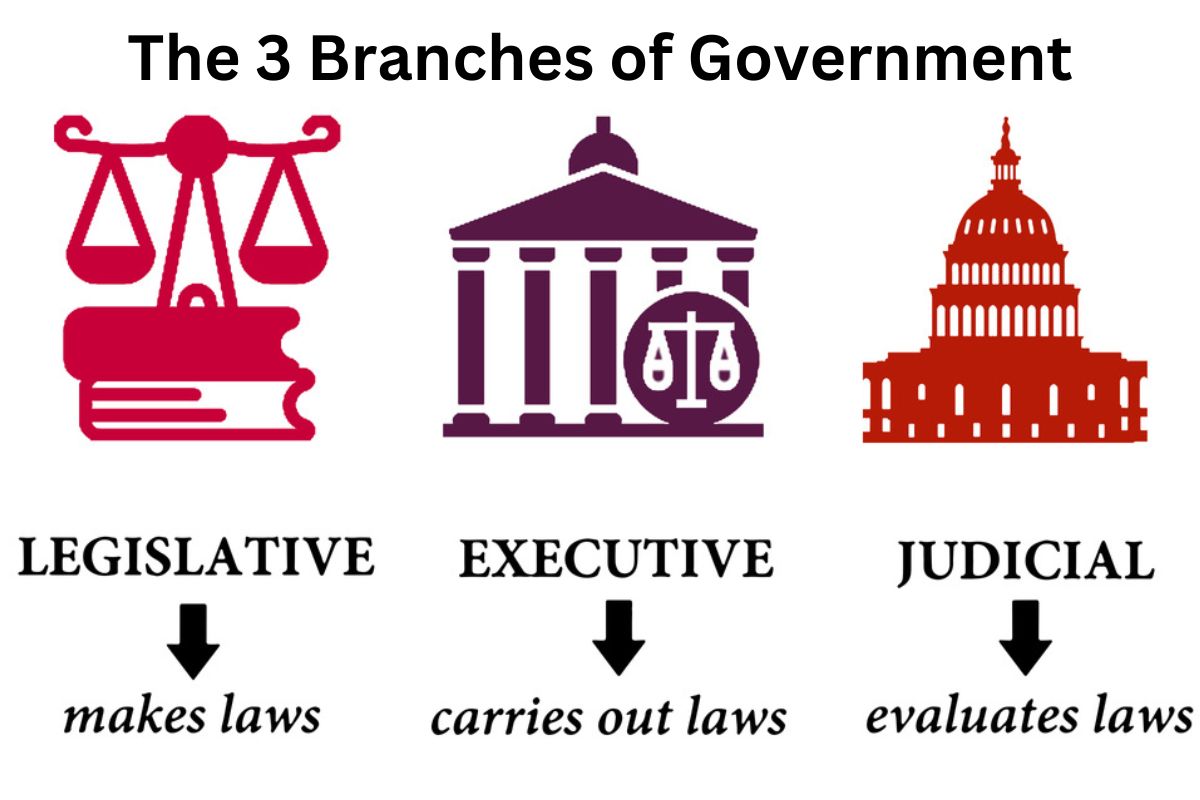
Ultimately, the healthy functioning of all three branches, in their distinct but interconnected financial roles, is indispensable for fostering national prosperity. The Legislative branch creates the financial rules, the Executive branch implements and enforces them, and the Judicial branch interprets and upholds them. When these branches work effectively, they cultivate an environment of economic predictability, legal certainty, and financial opportunity. This dynamic interplay encourages domestic and foreign investment, facilitates stable markets, and supports the financial well-being of its citizens.
Conclusion: The Tripartite Foundation of America’s Financial Future
The three branches of the federal government—Legislative, Executive, and Judicial—are far more than mere administrative divisions; they are the tripartite foundation upon which America’s financial system and economic future are built. Each branch, with its distinct powers and responsibilities, plays an indispensable role in shaping fiscal policy, managing the national economy, and upholding the rule of law that underpins all financial transactions.
From Congress’s “power of the purse” over taxation and spending, to the Executive’s implementation of economic policies and enforcement of regulations, to the Judiciary’s critical role in interpreting financial statutes and ensuring constitutional adherence, their combined efforts dictate the landscape of personal finance, investing, business finance, and global economic relations. Understanding this intricate interplay is not just an academic exercise in civics; it is a fundamental prerequisite for anyone seeking to navigate, influence, or simply comprehend the complex financial realities of the United States. The system of checks and balances, though sometimes challenging, ultimately serves to safeguard financial stability, prevent economic overreach, and foster an environment conducive to long-term national prosperity.
aViewFromTheCave is a participant in the Amazon Services LLC Associates Program, an affiliate advertising program designed to provide a means for sites to earn advertising fees by advertising and linking to Amazon.com. Amazon, the Amazon logo, AmazonSupply, and the AmazonSupply logo are trademarks of Amazon.com, Inc. or its affiliates. As an Amazon Associate we earn affiliate commissions from qualifying purchases.