
The automotive industry, particularly the electric vehicle (EV) segment, remains a critical barometer for economic health and technological advancement. Within this dynamic landscape, Tesla’s sales performance is not merely a tally of units but a profound indicator of market sentiment, investment trends, and broader financial shifts. As we navigate the specifics of “how many Teslas were sold in 2024,” we delve into a financial analysis, exploring the intricate relationship between sales figures, market valuation, and the strategic financial decisions shaping one of the world’s most scrutinized companies. This inquiry goes beyond raw numbers, examining the financial drivers and ramifications that make Tesla’s delivery reports a cornerstone of financial discourse.
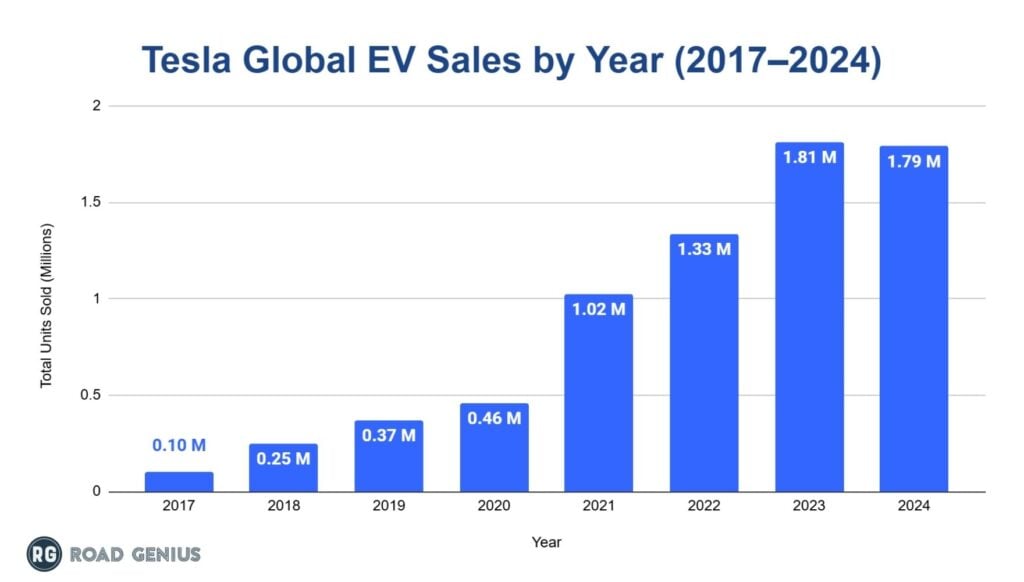
It is important to preface this analysis by acknowledging that 2024 is still unfolding. Specific, finalized sales figures for the entire year will only become available in early 2025. Therefore, this exploration will focus on historical trends, current market conditions, expert projections, and the financial implications as if certain sales outcomes were to materialize throughout 2024, providing a forward-looking financial perspective rather than definitive final results.
Tesla’s 2024 Delivery Landscape: A Financial Deep Dive
Understanding Tesla’s sales in 2024 requires a quarterly dissection, examining how various factors coalesce to influence delivery numbers and, consequently, the company’s financial health. Each quarter brings its own set of challenges and opportunities, impacting revenue, profitability, and investor expectations.
Navigating Market Headwinds and Production Adjustments
The year 2024 has presented a complex economic backdrop, with persistent inflationary pressures, fluctuating interest rates, and evolving consumer spending patterns. For an automotive company like Tesla, these macroeconomic headwinds can significantly impact demand for high-value purchases. Rising interest rates, for instance, increase the cost of financing for consumers, potentially dampening new car sales. From a financial perspective, Tesla’s ability to navigate these currents, whether through strategic pricing adjustments, production efficiencies, or inventory management, directly affects its top-line revenue and gross margins. Any production bottlenecks, factory ramp-ups (or slowdowns), or supply chain disruptions (e.g., battery material availability) inherently carry a cost, impacting operational expenditure and ultimately, net profit. The financial markets closely watch these operational efficiencies as indicators of the company’s ability to maintain or expand profitability.
Geographic Performance: Key Markets and Revenue Drivers
Tesla’s global footprint means that sales performance is a mosaic of regional strengths and weaknesses. China, Europe, and North America represent its primary battlegrounds, each with unique economic conditions, regulatory environments, and competitive landscapes. In 2024, the financial success in each region is dictated by a blend of local EV adoption rates, government incentives (which can significantly reduce the effective purchase price for consumers and impact Tesla’s revenue per unit), and the intensity of competition from both legacy automakers and new EV entrants. Strong performance in high-margin markets, or achieving economies of scale in rapidly expanding markets like China, directly translates to enhanced overall revenue and a stronger balance sheet. Conversely, underperformance in a key region can necessitate price cuts, impacting average selling prices (ASPs) and subsequently, profit margins. Investors keenly analyze these geographic breakdowns to assess diversified revenue streams and potential risks.
Model-Specific Sales Breakdown and Profitability
Tesla’s product portfolio in 2024 primarily revolves around the Model 3, Model Y, and increasingly, the Cybertruck and potentially refreshed S and X models. Each model carries different production costs, price points, and therefore, different profit margins. A shift in the sales mix towards higher-margin vehicles (e.g., Cybertruck if production scales efficiently) could significantly boost overall profitability, even if total unit sales remain flat. Conversely, a heavier reliance on lower-priced models, especially in a price-sensitive market, could compress average vehicle revenue and overall gross profit margins. The market’s reception to the Cybertruck’s rollout, for example, is not just about units sold, but about the revenue generated from its premium pricing and the associated production costs. Investors are interested in the profitability per vehicle and how the product mix strategy supports sustained financial growth and free cash flow generation.
The Financial Impact of Sales Performance on Tesla’s Valuation
Tesla’s stock market valuation often appears disconnected from traditional automotive industry metrics, heavily influenced by growth narratives, technological leadership, and future potential. However, sales performance in 2024 remains a critical underlying factor, providing tangible evidence of market acceptance and financial health.
Investor Sentiment and Stock Market Volatility
Quarterly sales and delivery figures are among the most anticipated financial disclosures for Tesla. These numbers directly inform investor sentiment, often leading to significant swings in stock price. Better-than-expected sales typically signal robust demand, effective production scaling, and a strong competitive position, often resulting in a positive stock reaction. Conversely, missed delivery targets can trigger sell-offs, reflecting concerns about demand, competition, or operational execution. For a stock trading at a high multiple of earnings, like Tesla often does, any deviation from growth expectations can have an outsized impact on its market capitalization, representing billions of dollars in shareholder value. The ability to consistently meet or exceed delivery guidance reinforces investor confidence in management’s financial forecasting and execution.
Revenue Generation and Profit Margins: A Shareholder Perspective
The ultimate goal of sales is revenue generation, and for shareholders, this revenue must translate into profit. Tesla’s 2024 sales directly contribute to its top-line revenue. However, what truly matters for financial health are the associated profit margins. Increased sales are only financially beneficial if they are achieved at healthy margins. Pricing strategies, cost of goods sold (COGS), and operational expenses (OpEx) all play a role in determining the net income available to shareholders. A higher volume of sales, coupled with efficient production and controlled costs, strengthens the company’s earnings per share (EPS), a key metric for investors. Maintaining or improving profit margins amidst potential price competition or raw material cost fluctuations is paramount for sustaining investor confidence and justifying its premium valuation.
Free Cash Flow and Capital Expenditure Considerations
Sales performance is a fundamental driver of free cash flow (FCF), which represents the cash a company generates after accounting for cash outflows to support operations and maintain its capital assets. Strong sales lead to increased revenue, which, if managed efficiently, boosts operating cash flow. This cash can then be used to fund capital expenditures (CapEx) – investments in new factories, equipment, or research and development – without relying heavily on debt or equity dilution. In 2024, significant CapEx might be directed towards Cybertruck ramp-up, new product development, or expansion of Gigafactories. A healthy FCF generated from vehicle sales ensures financial flexibility, enabling strategic investments and demonstrating financial self-sufficiency, which is highly attractive to long-term investors.
Competitive Landscape and Future Financial Projections
The EV market is intensifying, with both traditional automotive giants and nimble startups vying for market share. Tesla’s 2024 sales performance must be viewed within this competitive financial context, as it influences market share, pricing power, and long-term financial viability.
The EV Market Share Battle: Tesla vs. Legacy Automakers and New Entrants
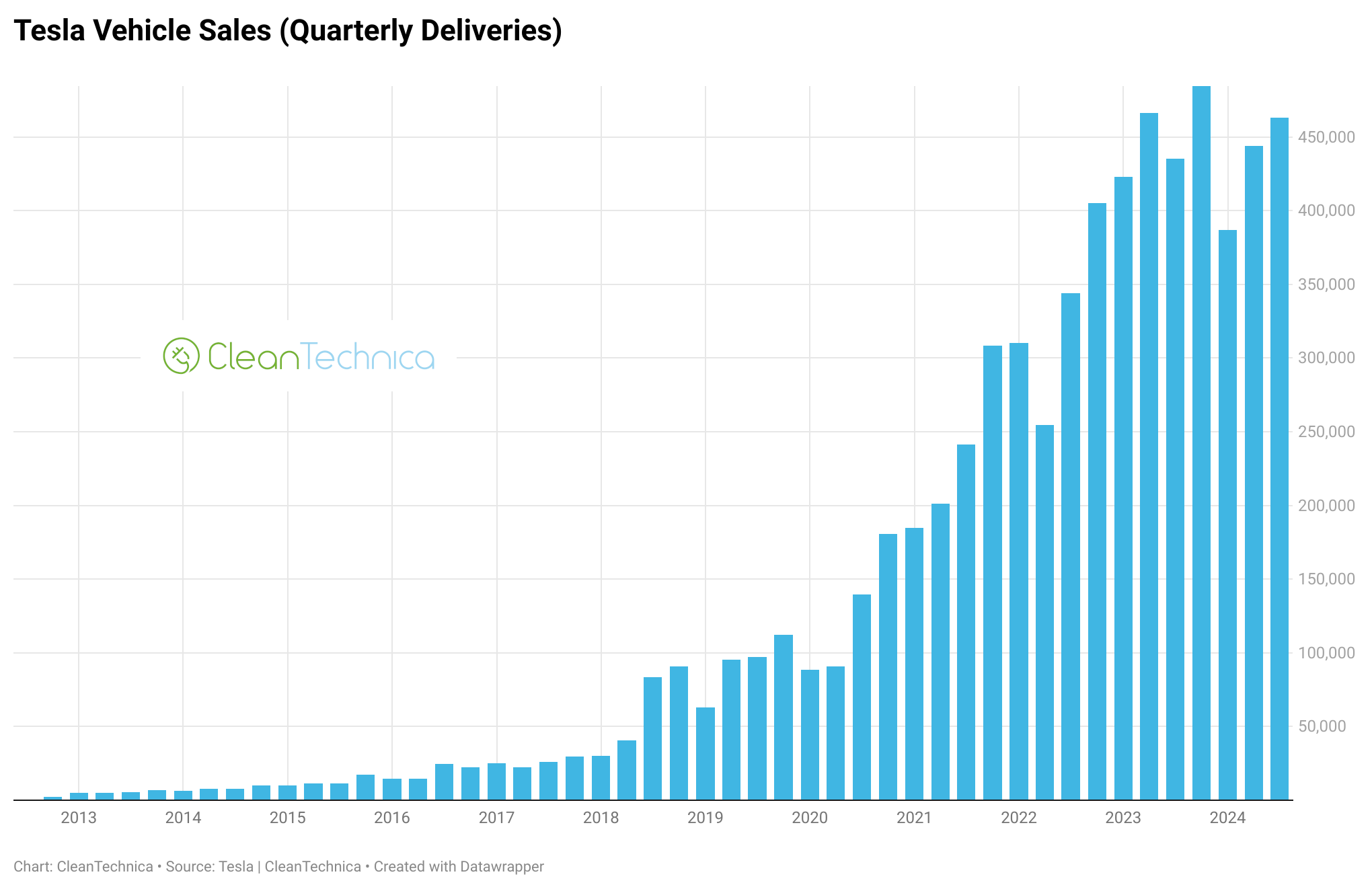
The number of Teslas sold in 2024 is a direct measure of its market share in the rapidly expanding EV sector. While Tesla has historically enjoyed a dominant position, competition from established players like General Motors, Ford, BMW, and Volkswagen, alongside new entrants such as BYD and Rivian, is eroding its lead. Each sale by a competitor represents a missed opportunity for Tesla to capture revenue and market share. From a financial perspective, maintaining a strong market share is crucial for economies of scale, brand recognition, and negotiating power with suppliers, all of which contribute to better cost structures and higher profit margins. Investors evaluate how Tesla’s sales stack up against the broader EV market to assess its competitive resilience and future growth trajectory.
Pricing Strategies and Their Effect on Demand and Profitability
Tesla’s 2024 financial narrative has been significantly shaped by its aggressive pricing strategies. Price cuts, while potentially stimulating demand and driving higher unit sales, can compress profit margins if not offset by cost reductions. The balance between maximizing sales volume and maintaining healthy profitability is a delicate financial act. Lowering prices to compete, for instance, might increase the number of Teslas sold, but it could lead to lower average selling prices (ASPs) across the portfolio, impacting gross profit per vehicle. Conversely, strategic price increases, often tied to technological enhancements or product differentiation, could boost ASPs and profitability but might risk alienating price-sensitive buyers. The impact of these decisions on the company’s overall revenue, net income, and shareholder value is under constant financial scrutiny.
Long-Term Financial Outlook: Growth Levers Beyond Vehicle Sales (AI, Energy)
While vehicle sales remain the primary revenue driver, Tesla’s long-term financial projections increasingly hinge on its diversification into other high-growth, high-margin areas. The progress in autonomous driving (Full Self-Driving, or FSD) represents a potential recurring revenue stream from software subscriptions. The energy storage division (Powerwall, Megapack) and the Supercharging network also contribute to the financial health, offering alternative revenue sources and diversifying the business model. In 2024, any increased adoption or expansion of these non-automotive segments, even if small compared to car sales, signals to investors a path toward more resilient and diversified financial performance, potentially reducing reliance on the cyclical automotive market and commanding a higher valuation multiple. The revenue generated from these ancillary services, especially their profitability, is key to Tesla’s future financial robustness.
Analyzing Broader Economic Factors Influencing Tesla’s 2024 Sales
Tesla’s financial performance in 2024 cannot be isolated from the broader global economic currents. These macro factors play a significant role in consumer purchasing power, regulatory frameworks, and operational costs.
Interest Rates, Consumer Spending, and Macroeconomic Headwinds
Interest rates profoundly influence the affordability of big-ticket items like cars. Higher rates increase the cost of auto loans, thereby reducing purchasing power and potentially delaying new car purchases. In 2024, the prevailing interest rate environment has likely exerted downward pressure on EV demand, including for Teslas, in many developed markets. Coupled with inflation eroding real wages, consumer discretionary spending, particularly on premium vehicles, may face constraints. From a financial perspective, Tesla must adapt by offering competitive financing options, optimizing production costs to maintain attractive price points, or focusing on markets less sensitive to interest rate fluctuations. These macroeconomic factors directly affect the total addressable market and Tesla’s ability to convert potential buyers into actual sales, impacting its quarterly financial results.
Regulatory Incentives and Their Role in Driving EV Adoption
Government incentives, such as tax credits, rebates, and preferential treatment for EV owners, significantly reduce the effective cost of an electric vehicle for consumers. These policies play a crucial role in accelerating EV adoption and directly impact sales volumes. In 2024, changes to these incentives in key markets (e.g., eligibility criteria for tax credits) can have an immediate financial consequence for Tesla. A reduction or elimination of subsidies might increase the net cost to the consumer, potentially dampening demand and impacting sales figures. Conversely, the introduction of new, favorable policies can spur demand, contributing to higher sales volumes and revenue. Tesla’s financial planning must account for these fluid regulatory landscapes, understanding their potential to either boost or hinder sales in various jurisdictions.
Supply Chain Resilience and Cost Management in a Volatile Market
The global supply chain, though recovering from the intense disruptions of prior years, remains a critical factor for automotive production. The availability and cost of raw materials (lithium, nickel, cobalt), semiconductors, and other components directly influence Tesla’s production capacity and cost of goods sold (COGS). Any renewed supply chain bottlenecks in 2024 could constrain production, limiting the number of vehicles Tesla can deliver and thus capping potential revenue. Moreover, volatility in raw material prices directly impacts profit margins. Tesla’s financial strategy focuses on supply chain diversification, localized production (Gigafactories), and long-term supply agreements to mitigate these risks, ensuring consistent production and cost control, which are vital for meeting sales targets and maintaining profitability.
Beyond Deliveries: Financial Health and Strategic Positioning
While vehicle sales are a primary metric, a holistic financial assessment of Tesla in 2024 extends to its broader financial health, operational efficiency, and strategic diversification.
Diversification of Revenue Streams: Energy Storage and Supercharging Network
Tesla’s financial resilience in 2024 is increasingly bolstered by its efforts to diversify beyond pure vehicle sales. The energy generation and storage business, comprising Powerwall, Powerpack, and Megapack solutions, represents a growing revenue stream with significant long-term potential. These products cater to the burgeoning demand for sustainable energy solutions for homes and utilities. Similarly, the Supercharging network, while initially a capital expenditure, is evolving into a potential profit center, particularly as Tesla opens it up to other EV manufacturers. These diversified segments offer financial stability, reduce reliance on a single product category, and provide alternative growth avenues, contributing to overall revenue and profit. The scale and profitability of these ventures are key indicators of Tesla’s ability to expand its financial footprint.
Operational Efficiencies and Cost Reduction Initiatives
In a competitive and price-sensitive market, operational efficiency is paramount for financial success. Tesla’s focus in 2024 includes continuous efforts to streamline manufacturing processes, reduce production costs per vehicle, and optimize logistics. Innovations in manufacturing (e.g., gigacasting, simplified wiring harnesses) aim to significantly lower COGS, thereby expanding gross profit margins even amidst fluctuating sales volumes or competitive pricing pressures. These internal cost reduction initiatives are crucial for improving the company’s bottom line, enhancing free cash flow, and ultimately delivering greater value to shareholders, irrespective of the absolute number of Teslas sold.

The Balance Sheet Story: Assets, Liabilities, and Shareholder Equity
Finally, a complete financial picture of Tesla’s 2024 performance is reflected in its balance sheet. The growth in assets (e.g., cash, inventory, property, plant, and equipment from new factories) demonstrates expansion, while managing liabilities (e.g., debt, accounts payable) efficiently is crucial for financial stability. Strong sales performance translates into increased cash and potentially lower reliance on external financing, strengthening the equity position. A robust balance sheet signifies financial resilience, enabling the company to weather economic downturns, fund future growth, and maintain investor confidence. The interplay between sales, profitability, cash flow, and the balance sheet provides a comprehensive financial narrative for Tesla’s journey in 2024.
aViewFromTheCave is a participant in the Amazon Services LLC Associates Program, an affiliate advertising program designed to provide a means for sites to earn advertising fees by advertising and linking to Amazon.com. Amazon, the Amazon logo, AmazonSupply, and the AmazonSupply logo are trademarks of Amazon.com, Inc. or its affiliates. As an Amazon Associate we earn affiliate commissions from qualifying purchases.