
In the hyper-competitive landscape of Silicon Valley and global tech hubs, sleep is often viewed as a luxury or, worse, a sign of weakness. The “hustle culture” that permeates software engineering, cybersecurity, and AI development has long glorified the “all-nighter” as a rite of passage. However, as the industry matures, a critical realization is surfacing: sleep deprivation is not a badge of honor; it is a systemic bug that compromises the very cognitive hardware required to build the future.
The side effects of sleep deprivation in the technology sector extend far beyond mere tiredness. They manifest as degraded code quality, compromised security protocols, and a significant decline in the innovative capacity of tech professionals. To understand the gravity of this issue, we must analyze the biological, cognitive, and organizational impacts of sleep loss through the lens of a digital-first world.
The Cognitive Glitch: How Sleep Loss Decays Technical Performance
For a software engineer or data scientist, the brain is the primary tool of production. Sleep deprivation acts as a persistent lag in this biological processing unit. When we deprive the brain of rest, we are essentially running high-level applications on outdated, overheating hardware.
Impaired Algorithmic Logic and Problem-Solving
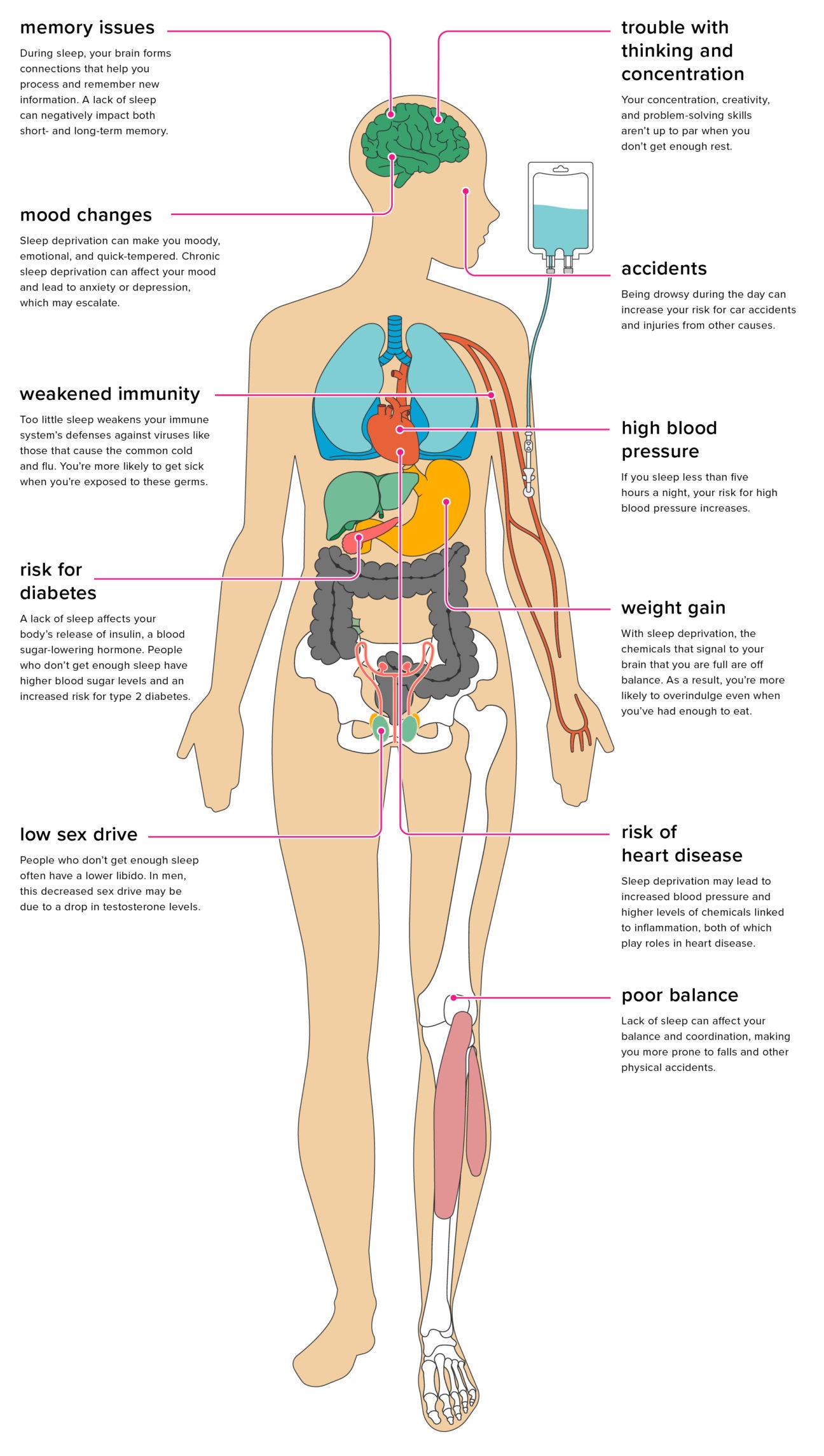
Programming is fundamentally an exercise in complex logic and working memory. Research indicates that sleep deprivation severely stunts the prefrontal cortex—the area of the brain responsible for executive function. For a developer, this means a reduced ability to hold multiple variables in “mental RAM” simultaneously. When sleep-deprived, the ability to trace an algorithmic path or debug a complex microservices architecture drops significantly. The result is “spaghetti code”—logic that is convoluted, inefficient, and prone to breaking because the architect lacked the cognitive clarity to see the simpler, more elegant solution.
The Latency of Decision-Making in Cybersecurity
In the realm of digital security, timing is everything. Whether responding to a zero-day exploit or monitoring a network for suspicious traffic, the speed of detection and response is critical. Sleep deprivation increases “cognitive latency.” Studies have shown that staying awake for 17 to 19 hours can lead to cognitive impairment equivalent to a blood-alcohol concentration (BAC) of 0.05%. At 24 hours of wakefulness, that impairment jumps to 0.10%, which is above the legal driving limit in most jurisdictions. In a high-stakes SOC (Security Operations Center) environment, a sleep-deprived analyst is effectively a compromised asset, unable to distinguish between a false positive and a genuine threat with the necessary precision.
The Biological Cost of the “Always-On” Culture
The tech industry’s relationship with hardware is often better than its relationship with human biology. While we optimize server uptimes and minimize latency, we frequently ignore the biological rhythms that govern human performance.
Blue Light, Melatonin, and the Circadian Rhythm Disruption
The very tools of the trade—high-resolution monitors, OLED smartphone screens, and LED-lit office spaces—are primary contributors to sleep deprivation. These devices emit high concentrations of blue light, which mimics daylight and suppresses the production of melatonin, the hormone responsible for signaling the body to sleep. For tech professionals working late-night deployments or on-call rotations, this creates a state of “digital jet lag.” The circadian rhythm becomes desynchronized, leading to sleep fragmentation where the individual may sleep, but the quality of that sleep (specifically REM and deep sleep stages) is insufficient for neural restoration.
Metabolic and Neurodegenerative Risks for Long-Term Developers
Chronic sleep deprivation isn’t just a short-term productivity killer; it is a long-term health liability. The “glymphatic system,” the brain’s waste-clearance mechanism, is primarily active during deep sleep. It flushes out neurotoxic waste products, such as beta-amyloid, which are linked to Alzheimer’s disease. In an industry where long-term intellectual longevity is the most valuable asset, the trend of sacrificing sleep for short-term sprints is a form of “biological debt.” Furthermore, sleep loss is linked to insulin resistance and cardiovascular strain, exacerbated by the sedentary nature of most tech roles.

Economic and Structural Impacts on Tech Organizations
The side effects of sleep deprivation aren’t just personal; they are financial. When an entire engineering team is operating on four hours of sleep to meet a release deadline, the organization is incurring significant hidden costs.
The Hidden Cost of “Crunch Culture” and Technical Debt
“Crunch time” is a common phenomenon in software and game development, characterized by mandatory overtime and sleep deprivation. While it may result in a short-term spike in output, the long-term cost is astronomical. Tired developers write buggy code. Those bugs must later be identified, documented, and fixed—a process that takes significantly longer than writing clean code initially. This is the definition of technical debt. By forcing a sleep-deprived schedule, companies are essentially taking out a high-interest loan on their future productivity, often spending three hours fixing the mistakes made during one hour of exhausted midnight coding.
Collaborative Friction and the Erosion of Team Dynamics
Sleep deprivation also impacts the “soft skills” that are increasingly vital in modern Agile and DevOps environments. Lack of sleep triggers the amygdala, the brain’s emotional center, making individuals more reactive, irritable, and less empathetic. In a collaborative environment, this leads to friction during peer reviews, reduced psychological safety, and a breakdown in communication. A team that is collectively sleep-deprived is more likely to experience “toxic” culture shifts, leading to higher turnover rates—an expensive problem in a sector where talent acquisition costs are at an all-time high.
Technological Countermeasures: From Biohacking to AI-Driven Recovery
Paradoxically, the same industry that created the “always-on” problem is now developing the tools to solve it. A new wave of “SleepTech” is emerging to help professionals manage their biological resources as precisely as they manage cloud resources.
Smart Wearables and Precision Sleep Monitoring
We are moving beyond simple step-counters into the era of precision biometrics. Devices like the Oura Ring, WHOOP, and advanced iterations of the Apple Watch provide tech professionals with granular data on their sleep architecture. By monitoring Heart Rate Variability (HRV) and Respiratory Rate, these tools offer a “readiness score.” Savvy tech leads are beginning to use this data to adjust workloads. If a lead developer’s wearable indicates a significant recovery deficit, the smart move is to pivot them away from high-stakes architectural decisions for that day, preventing potential system-wide errors.
AI-Optimized Scheduling and Cognitive Load Balancing
Artificial Intelligence is now being leveraged to optimize human schedules for maximum cognitive throughput. AI-driven apps like Rise Science utilize the principles of chronobiology to predict an individual’s “energy peaks” and “melatonin windows.” In the future, we may see enterprise integrations where project management tools like Jira or Asana suggest task assignments based on a team member’s circadian rhythm. High-complexity tasks (coding new features) are scheduled during peak alertness, while low-cognition tasks (admin, emails) are relegated to the post-lunch dip or the pre-sleep wind-down.
The Rise of Neurotech and Environmental Optimization
Beyond monitoring, new tech is actively intervening to mitigate sleep deprivation side effects. Smart lighting systems that automatically shift from blue to amber spectrums based on the time of day are becoming standard in modern tech offices. Furthermore, neurofeedback devices and “digital pills” (apps designed to induce specific brainwave states through binaural beats or guided coherence) are being used by high-performance individuals to force the brain into recovery modes that it might otherwise struggle to reach in a high-stress environment.
Summary: Prioritizing the Human Stack
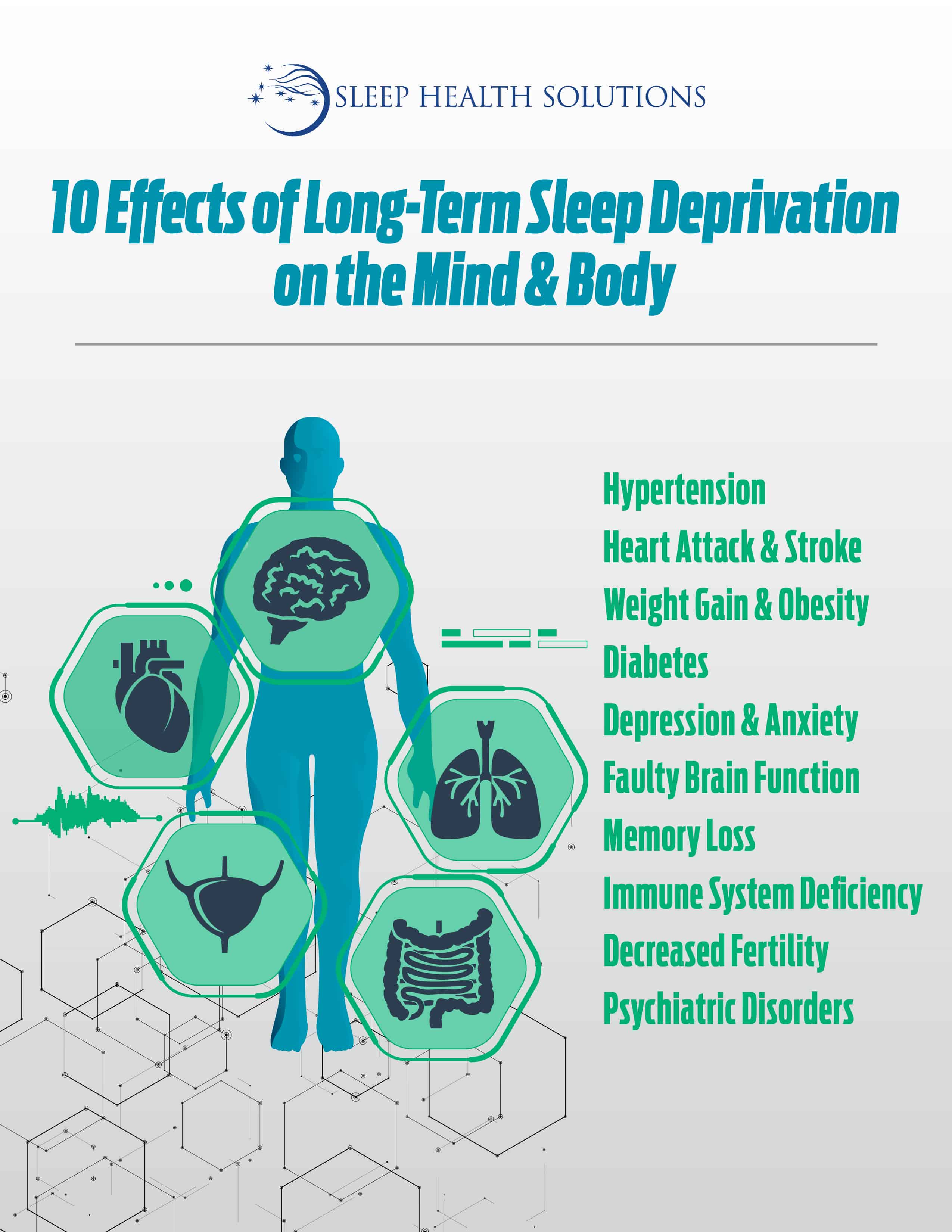
The side effects of sleep deprivation—cognitive decline, biological degradation, and economic waste—represent a significant threat to the continued growth of the technology sector. As we push the boundaries of what AI and software can do, we must not forget the biological constraints of the humans creating them.
The most successful tech firms of the next decade will be those that treat sleep as a critical component of their “human stack.” By moving away from a culture of exhaustion and toward a culture of optimized recovery, the industry can ensure that its greatest innovators remain sharp, healthy, and capable of solving the world’s most complex problems. In the world of high-performance computing, we know that systems require downtime for maintenance and updates; it is time we afforded the human brain the same respect.
aViewFromTheCave is a participant in the Amazon Services LLC Associates Program, an affiliate advertising program designed to provide a means for sites to earn advertising fees by advertising and linking to Amazon.com. Amazon, the Amazon logo, AmazonSupply, and the AmazonSupply logo are trademarks of Amazon.com, Inc. or its affiliates. As an Amazon Associate we earn affiliate commissions from qualifying purchases.