
Narcan, the brand name for naloxone, is a critical medication in the fight against opioid overdose. Its ability to rapidly reverse the life-threatening effects of opioids has saved countless lives. While its primary function is overwhelmingly positive, like any medication, it can have side effects. Understanding these potential side effects is crucial for both those administering Narcan and individuals who may receive it. This article delves into the side effects of Narcan, exploring its mechanism of action, the common and less common reactions, considerations for administration, and its broader implications within the digital health and personal safety landscape.
The Science Behind Narcan: How it Works and Why Side Effects Occur
To understand Narcan’s side effects, we must first grasp how it functions. Opioids, such as heroin, fentanyl, and prescription painkillers, exert their effects by binding to opioid receptors in the brain and body. These receptors are involved in pain perception, respiration, and mood. In the event of an overdose, excessive opioid binding can suppress vital functions, most dangerously, respiratory drive, leading to slowed or stopped breathing, which can result in brain damage or death.
Narcan is an opioid antagonist. This means it has a stronger affinity for opioid receptors than the opioids themselves. When administered, Narcan quickly attaches to these receptors, displacing the opioid molecules. This rapid reversal essentially “wakes up” the brain and body, restoring normal breathing and consciousness.
The side effects of Narcan arise from this very process of rapid opioid receptor blockade. When Narcan displaces opioids, it can trigger a sudden and intense withdrawal syndrome in someone who has been using opioids regularly. Imagine a door that has been firmly held shut by a heavy weight (the opioid). Narcan is like a key that quickly unlocks that door, allowing everything to snap back into place. This sudden shift can be jarring to the body, leading to a range of symptoms.
It’s important to differentiate between a side effect of Narcan and the natural consequences of an opioid overdose that has been reversed. While some symptoms might appear similar, understanding the underlying cause is key. The goal of Narcan is to counteract a life-threatening situation, and any mild or temporary side effects are generally considered a small price to pay for the preservation of life.
Common Side Effects: The Immediate Reversal Experience
The most frequently observed side effects of Narcan are directly related to the abrupt reversal of opioid effects and the onset of withdrawal symptoms. These are often transient and a testament to the medication’s potent action.
-
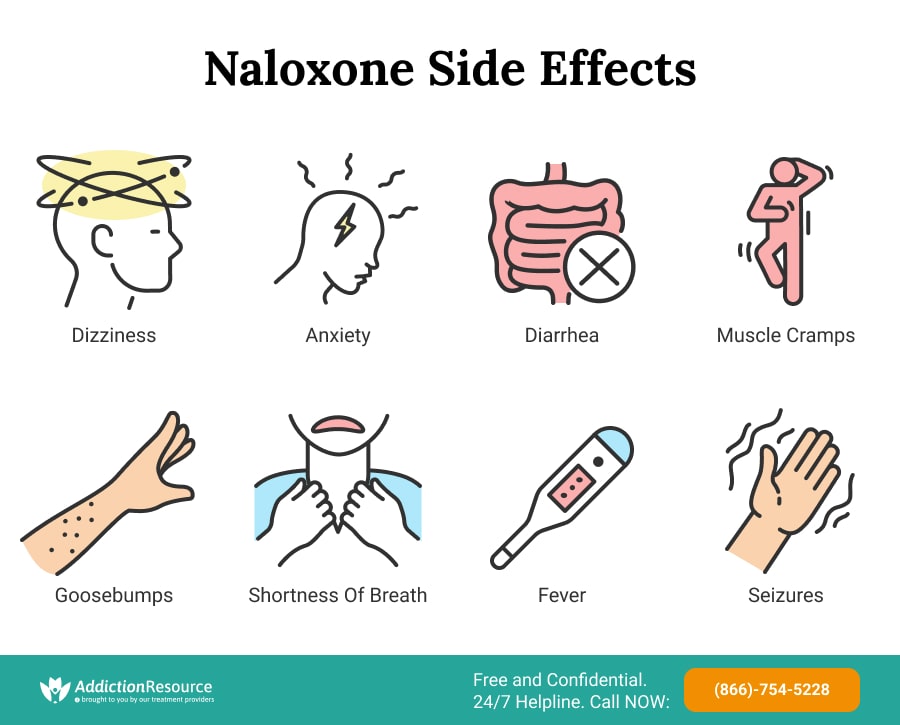
Withdrawal Symptoms: This is the hallmark of Narcan’s impact. Individuals who were experiencing opioid-induced respiratory depression and are revived by Narcan may rapidly exhibit signs of opioid withdrawal. These can include:
- Nausea and Vomiting: A very common symptom, as the body reacts to the sudden shift in neurochemical balance.
- Muscle and Bone Aches: Similar to flu-like symptoms, these are characteristic of opioid withdrawal.
- Sweating: Profuse sweating is another typical sign.
- Diarrhea: Gastrointestinal upset is frequent.
- Fever: A slight elevation in body temperature can occur.
- Goosebumps/Chills: The sensation of being cold and having goosebumps.
- Runny Nose and Tearing Eyes: Similar to cold symptoms.
- Insomnia/Restlessness: Difficulty sleeping or feeling agitated.
- Yawning: Frequent yawning is a common withdrawal symptom.
- Anxiety/Irritability: Feeling on edge or easily annoyed.
-
Headache: Some individuals may experience a headache following Narcan administration, though this is generally mild and short-lived.
-
Dizziness/Fainting (Syncope): In some cases, the rapid physiological changes can lead to feelings of dizziness or even a brief loss of consciousness. This is more likely if the person was already severely compromised by the overdose.
-
Increased Heart Rate (Tachycardia): The body’s response to the sudden shift in state can include a temporary increase in heart rate.
It is crucial to reiterate that these symptoms, while uncomfortable, are generally temporary and indicate that Narcan has successfully reversed the overdose. The immediate priority is restoring breathing and circulation. Medical professionals will monitor the individual closely, and supportive care can help manage these withdrawal symptoms.
Less Common and More Serious Side Effects: Rare but Important to Note
While the majority of Narcan’s side effects are related to withdrawal, there are rarer instances of more concerning reactions. These are exceptionally uncommon, especially in the context of an emergency reversal.
Allergic Reactions
As with any medication, there is a potential for allergic reactions to Narcan. These are rare but can range from mild skin rashes and itching to more severe anaphylactic reactions. Symptoms of anaphylaxis include:
- Hives or Rash: Red, itchy welts on the skin.
- Swelling: Particularly of the face, lips, tongue, or throat.
- Difficulty Breathing: Wheezing or shortness of breath.
- Dizziness or Lightheadedness: Due to a drop in blood pressure.
- Rapid Heartbeat: A very fast pulse.
If any signs of an allergic reaction are observed, immediate medical attention is required.
Seizures

While extremely rare, seizures have been reported in association with naloxone administration. The exact mechanism is not fully understood, but it is believed to be related to the sudden and profound reversal of opioid effects on the central nervous system.
Cardiac Arrest
In very specific and dire circumstances, particularly when Narcan is administered to individuals who are already critically ill or have been exposed to a mixture of substances, there have been rare reports of cardiac arrest. However, it is crucial to emphasize that Narcan is administered to prevent cardiac arrest caused by opioid overdose, and the risk of cardiac arrest from Narcan is astronomically lower than the risk of cardiac arrest from an untreated overdose.
It’s important to put these rare side effects into perspective. The life-saving benefits of Narcan far outweigh the minimal risks associated with its use. The decision to administer Narcan is always made in the context of an immediate, life-threatening opioid overdose.
Practical Considerations: Administration and Beyond
Understanding the side effects of Narcan also involves practical considerations for its administration and how these effects are managed.
Dosage and Administration Methods
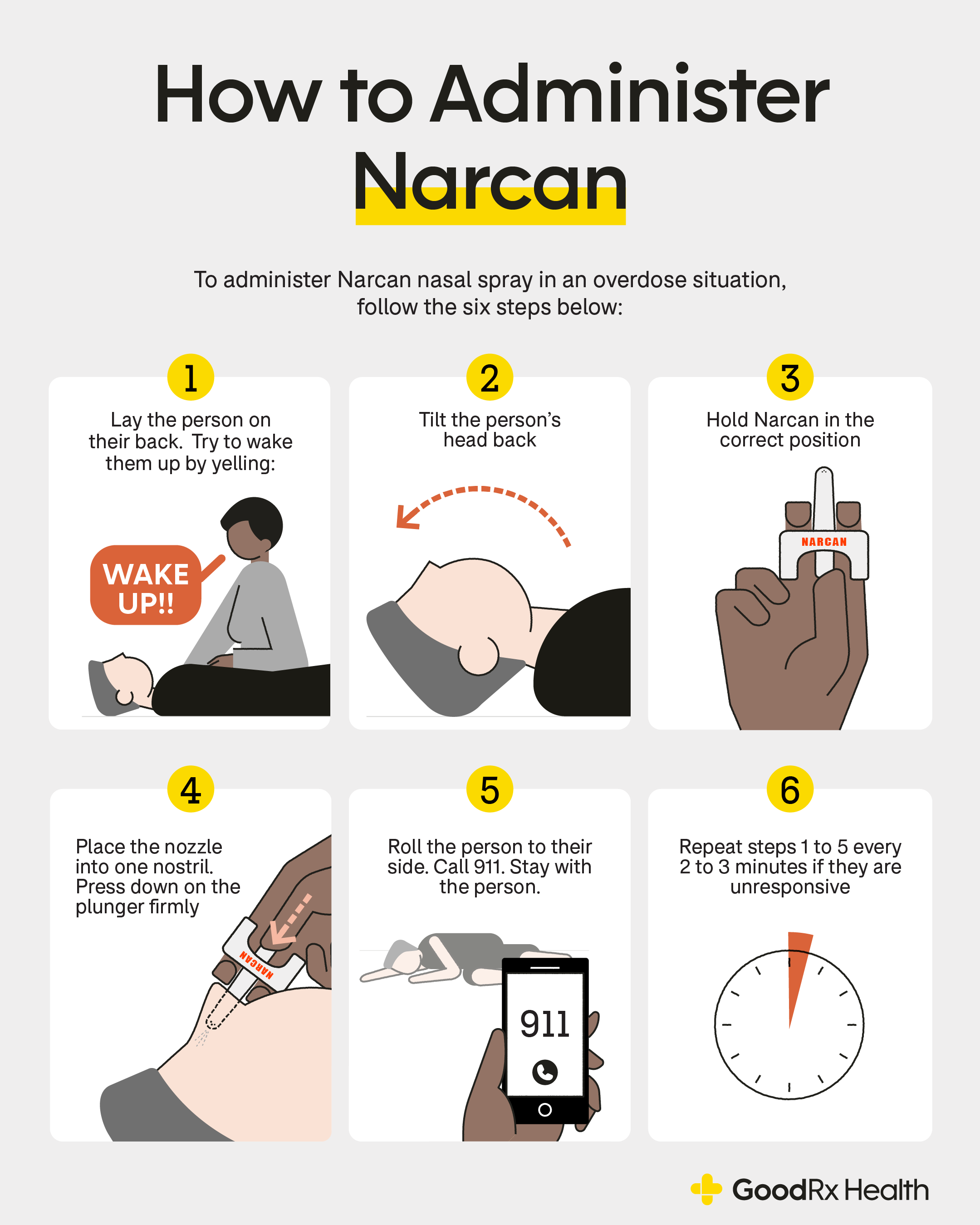
Narcan is available in various forms, including nasal spray and injectable solutions. The dosage and method of administration can influence the speed and intensity of side effects. Nasal sprays offer a rapid and non-invasive way to deliver the medication, often leading to a quicker onset of both reversal and withdrawal symptoms. Injectable forms, while also fast-acting, might allow for more controlled dosing in certain clinical settings.
-
Emergency Administration: In an emergency, the priority is to administer Narcan as quickly as possible. Bystanders trained in CPR and Narcan administration are vital. The immediate goal is to restore breathing.
-
Medical Supervision: Once Narcan has been administered and the individual is breathing again, they should still receive prompt medical attention. Healthcare professionals can assess the situation, manage withdrawal symptoms, and provide further treatment if necessary.
Managing Withdrawal Symptoms Post-Narcan
The acute withdrawal symptoms experienced after Narcan administration can be distressing. While they are temporary, healthcare providers may offer supportive care, such as:
- Hydration: Intravenous fluids can help with dehydration from vomiting or diarrhea.
- Medications: In some cases, medications might be used to alleviate specific withdrawal symptoms like nausea or anxiety, but this is typically done under medical supervision.
- Comfort Measures: Providing a calm environment and reassurance can be beneficial.
It’s essential for individuals experiencing withdrawal to understand that these symptoms are a direct result of the opioid leaving their system and will subside.
Narcan in the Digital Age: Data, Accessibility, and Prevention
The accessibility and distribution of Narcan have been significantly impacted by technology and digital innovation. This intersects with the broader themes of tech, brand, and money discussed on this website.
-
Tech and Accessibility: Online platforms and apps are playing an increasingly important role in educating the public about opioid overdose and Narcan. Websites and social media campaigns disseminate crucial information about recognizing overdose signs, administering Narcan, and where to obtain it. Digital tools can also facilitate the ordering and delivery of Narcan, making it more accessible to at-risk individuals and their families. Telehealth services can also provide guidance on Narcan use.
-
Brand and Awareness Campaigns: Organizations and public health initiatives have developed strong “brands” around Narcan and overdose prevention. Effective marketing and public relations campaigns are crucial for destigmatizing opioid use disorder and encouraging people to carry and use Narcan. These campaigns leverage storytelling, visual design, and accessible messaging to reach diverse audiences. The “brand” of Narcan is one of hope and a life-saving intervention.
-
Money and Funding: The cost of Narcan and its accessibility are often discussed in financial terms. Efforts to secure funding for Narcan distribution, advocate for its inclusion in insurance formularies, and develop cost-effective manufacturing processes are ongoing. The “money” aspect extends to understanding the economic burden of opioid addiction and how investments in prevention and treatment, including Narcan, can yield significant societal and financial returns.
The Future of Narcan and Overdose Prevention
As the opioid crisis evolves, so too will the strategies for prevention and treatment. Research continues into more effective and longer-acting opioid antagonists. The integration of Narcan into broader harm reduction strategies, coupled with robust public health education and accessible treatment options, remains paramount. Understanding the side effects of Narcan is not just about the immediate physiological response; it’s about empowering individuals with knowledge, fostering proactive safety measures, and ultimately, saving lives within a complex and ever-evolving societal landscape.
In conclusion, Narcan is an indispensable tool in reversing opioid overdoses. Its side effects are predominantly transient withdrawal symptoms, a direct consequence of its life-saving action. While rare, more serious reactions are possible, the benefits of Narcan in preventing death and severe harm from opioid overdose are undeniable. By understanding its mechanism, potential side effects, and practical considerations, we can continue to leverage this vital medication effectively and contribute to a safer, healthier future.
aViewFromTheCave is a participant in the Amazon Services LLC Associates Program, an affiliate advertising program designed to provide a means for sites to earn advertising fees by advertising and linking to Amazon.com. Amazon, the Amazon logo, AmazonSupply, and the AmazonSupply logo are trademarks of Amazon.com, Inc. or its affiliates. As an Amazon Associate we earn affiliate commissions from qualifying purchases.