
Embarking on an outdoor adventure often involves transporting your trusty bicycle. Whether you’re heading to a challenging mountain trail, a scenic coastal path, or simply a different city to explore, a bike rack is an indispensable piece of equipment for any car owner who loves cycling. Installing one might seem daunting at first, but with the right guidance, it’s a straightforward process that can be accomplished with basic tools and a little patience. This comprehensive guide will walk you through the essential steps of installing a bike rack on your car, ensuring your bikes are transported safely and securely.

Before diving into the installation, it’s crucial to understand that there isn’t a one-size-fits-all approach. The method and complexity of installation will vary significantly depending on the type of bike rack you choose and the specific make and model of your car. However, the underlying principles of secure attachment and safe transport remain consistent.
Understanding Your Bike Rack Options
The first step in effectively installing a bike rack is to understand the different types available and how they attach to your vehicle. This knowledge will not only inform your purchasing decision but also prepare you for the installation process. The primary categories of bike racks are:
Roof Racks
Roof racks are a popular choice for their versatility and ability to keep bikes out of the way of passengers and cargo. They typically consist of a system of bars that attach to your car’s roof, with specialized attachments designed to hold individual bikes.
-
Types of Roof Rack Mounts:
- Frame Mount: These racks clamp onto your bike’s frame, leaving the wheels free to rotate. They are generally easier to load but require you to lift your bike onto the roof.
- Fork Mount: These racks secure your bike by its front fork, requiring you to remove the front wheel. This lowers the bike’s center of gravity on the roof and can be more stable for transporting.
- Wheel Mount: Less common, these racks hold the bike entirely by its wheels.
-
Attachment Methods for Roof Racks:
- Factory-Installed Tracks: Some cars come with integrated roof tracks that allow for direct mounting of certain roof rack systems. This is often the most secure and straightforward installation.
- Bare Roof Clamps: For cars without factory tracks, specialized clamps attach to the edges of your car’s doors or window frames. These require careful measurement and precise fitting to ensure a secure hold.
- Rain Gutter Mounts: Older vehicles or SUVs with rain gutters can utilize racks that clamp onto these structural elements.
Trunk Mount Racks
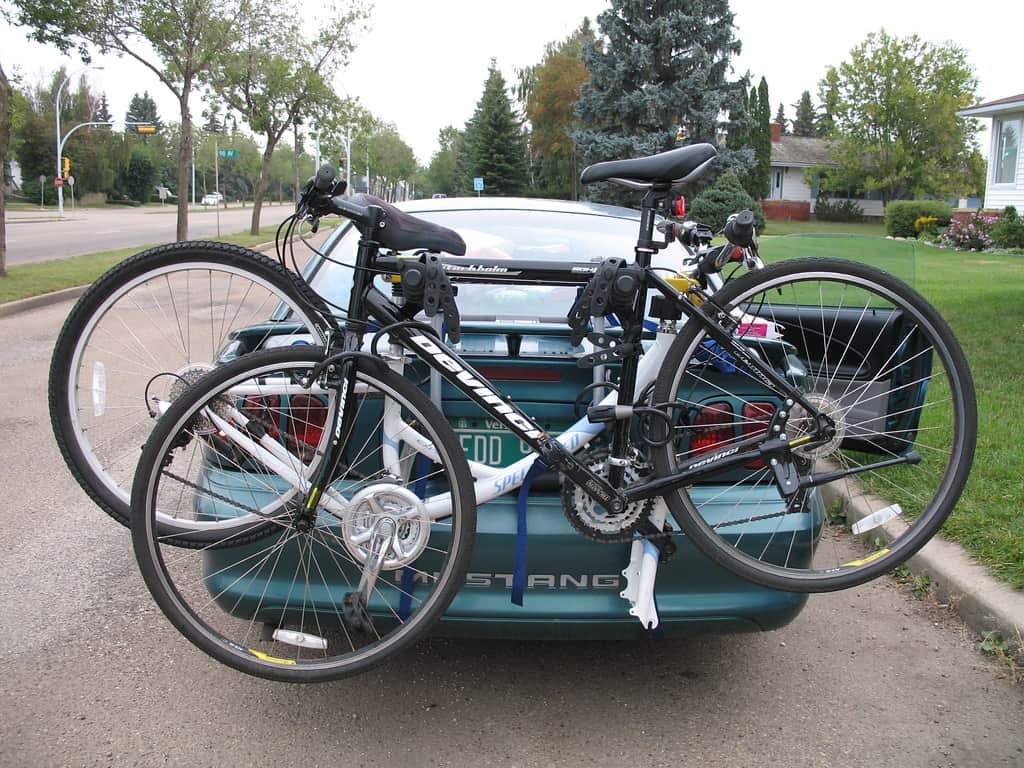
Trunk mount racks are designed to attach directly to the trunk lid or hatchback of your car. They are generally more affordable and easier to install than roof racks, but they can obstruct rear visibility and may not be suitable for all vehicle types.
- Key Considerations for Trunk Mount Racks:
- Compatibility: It’s crucial to ensure the rack is compatible with your car’s trunk shape and material. Some racks have adjustable arms and straps to accommodate various vehicle designs.
- Weight Limits: Always be mindful of the weight capacity of both the rack and your car’s trunk lid. Overloading can damage your vehicle.
- Paint Protection: Many trunk mount racks come with rubber or foam padding to prevent scratching your car’s paint.
Hitch Mount Racks
Hitch mount racks are installed into a trailer hitch receiver, which is typically found on the rear of SUVs, trucks, and some cars. They are known for their ease of loading and their ability to carry multiple bikes.
-
Types of Hitch Mount Racks:
- Platform Racks: These racks have platforms that cradle your bike’s wheels. They are very stable and generally don’t require you to lift your bike very high.
- Arm/Frame Racks: These racks have arms that extend to hold your bike’s frame. They are often more compact but might not be suitable for all bike types.
-
Hitch Size: Hitch racks are designed for specific hitch sizes (e.g., 1.25-inch or 2-inch). Ensure your vehicle has a compatible hitch receiver.
General Installation Steps: A Foundational Approach
While the specifics will vary, most bike rack installations follow a similar logical progression. This section outlines the fundamental steps, emphasizing safety and proper technique. Always refer to your specific bike rack’s instruction manual for detailed diagrams and model-specific advice.
Step 1: Preparation and Inventory
Before you begin, lay out all the components of your bike rack and compare them against the parts list in the instruction manual. Ensure you have everything required and that no parts are damaged. Gather the necessary tools, which typically include:
- Wrenches and Socket Set: For tightening bolts and nuts.
- Screwdriver: For various assembly steps.
- Measuring Tape: Essential for roof racks and ensuring proper spacing.
- Level: Useful for ensuring roof racks are parallel.
- Gloves: To protect your hands and provide better grip.
- Soft Cloth or Towel: To protect your car’s paint during the installation process.
Safety First: It’s highly recommended to have a second person assist you, especially when working with roof racks or lifting heavy bikes.
Step 2: Attaching the Rack to Your Car
This is the most critical phase, where the rack is physically connected to your vehicle.

For Roof Racks:
- Install Base Racks (if applicable): If your roof rack system requires a base rack installation (bars that span across your roof), follow the manufacturer’s instructions meticulously. This often involves attaching towers to your car’s doors or existing roof tracks. Precise positioning is key to ensure even weight distribution and stability. Use a measuring tape to ensure the bars are equidistant from the front and rear of your car and that they are parallel to each other.
- Attach Bike Mounts to Base Racks: Once the base racks are securely in place, attach the individual bike mounts to these bars. Follow the instructions for your specific mount (fork, frame, or wheel). Ensure they are spaced adequately to prevent bikes from touching each other.
For Trunk Mount Racks:
- Position the Rack: Carefully place the rack onto the trunk lid or hatchback. Ensure it sits flush and evenly.
- Secure Straps: Attach the support straps to the designated anchor points on your car. These are usually around the edges of the trunk lid or under the bumper.
- Tighten Straps: Once all straps are attached, begin to tighten them gradually and evenly. Use a criss-cross pattern to ensure consistent tension. Test the rack’s stability by gently pulling and pushing on it. The rack should feel firm and not wobble.
For Hitch Mount Racks:
- Insert into Hitch Receiver: Slide the shank of the hitch rack into your car’s trailer hitch receiver.
- Secure with Pin and Clip: Most hitch racks come with a pin and clip or a locking mechanism to secure the rack within the receiver. Insert the pin and secure it with the clip or lock. Ensure it’s fully seated.
- Tighten Anti-Rattle Device (if applicable): Many hitch racks have an anti-rattle device to minimize movement and noise during transit. Tighten this according to the manufacturer’s instructions.
Step 3: Loading Your Bikes
With the rack securely installed, it’s time to load your bicycles.
-
Lift Carefully: If you have a roof rack, this step is often the most physically demanding. Lift your bike with a straight back and bent knees. If you have a second person, coordinate your lift.
-
Secure the Bike:
- Roof Mounts: For frame mounts, secure the clamps around your bike’s frame. For fork mounts, remove the front wheel, insert the fork into the mount, and secure it. For wheel mounts, place the wheels in their cradles and secure. Once the bike is attached to the rack, secure the wheels with straps.
- Trunk Mounts: Position the bike’s frame onto the cradles or arms of the rack and secure it with the provided straps or clamps. Ensure the straps are not interfering with your car’s taillights or license plate.
- Hitch Mounts: Roll or lift your bike onto the platform or hook it onto the arms. Secure the bike’s frame and wheels according to the rack’s design.
-
Double-Check Security: Before you drive off, give each bike a gentle shake to ensure it’s firmly attached and won’t shift. Check that all straps and clamps are tightened appropriately and that nothing is loose.
Step 4: Final Checks and Test Drive
Before embarking on a long journey, perform a final inspection and consider a short test drive.
- Visual Inspection: Look at your car from all angles to ensure the rack and bikes are positioned correctly and not obstructing your view or any essential car components (lights, license plate, etc.).
- Strap and Clamp Tension: Re-check all straps and clamps for tightness. They may have loosened slightly as you loaded the bikes.
- Test Drive: Drive a short distance (e.g., a few blocks) at a moderate speed, paying close attention to any unusual noises or vibrations. Pull over in a safe location and re-check the rack and bike security.
Important Considerations and Best Practices
Beyond the basic installation steps, there are several crucial factors to keep in mind for safe and effective bike transport.
Maintaining Your Bike Rack
Regular maintenance will extend the life of your bike rack and ensure its continued safety.
- Regular Inspections: Before and after each use, inspect the rack for any signs of wear and tear, cracks, or loose components.
- Cleaning: Clean your bike rack periodically to remove dirt, salt, and debris, which can cause corrosion.
- Tightening Fasteners: Over time, vibrations can loosen bolts and screws. Periodically check and tighten all fasteners.
- Lubrication: If your rack has moving parts (like pivot points), a light application of lubricant might be necessary.
Driving with a Bike Rack
Driving with bikes on your car alters its handling and performance.
- Speed Limits: Adhere to posted speed limits and consider driving slower than usual, especially on uneven roads or in windy conditions.
- Cornering: Take corners more slowly and carefully. The extra weight and height of the bikes can affect your car’s balance.
- Fuel Efficiency: Expect a decrease in fuel economy due to increased wind resistance and weight.
- Height Clearance: Be extremely mindful of overhead clearances when entering parking garages, drive-thrus, or tunnels. The height of your car will be significantly increased.
- Braking: Allow for longer braking distances, as your car will be heavier.
- Weather Conditions: Strong winds, especially crosswinds, can make driving with a bike rack challenging. Reduce speed and be prepared for adjustments.
Compatibility and Legalities
Always ensure your chosen bike rack is compatible with your vehicle and complies with local laws.
- Vehicle Manual: Consult your car’s owner’s manual for any specific recommendations or restrictions regarding roof rack installation or carrying loads.
- License Plate and Lights: In many regions, it’s illegal for bike racks or bikes to obstruct your rear license plate, taillights, or turn signals. If your bikes cover these, you may need to use supplemental lighting and license plate brackets.
- Weight Limits: Never exceed the maximum weight capacity of your bike rack or your car’s roof load capacity.
By following these guidelines and paying close attention to the specific instructions for your bike rack, you can confidently install it on your car and enjoy worry-free transportation of your bicycles to your next adventure. Happy riding!
aViewFromTheCave is a participant in the Amazon Services LLC Associates Program, an affiliate advertising program designed to provide a means for sites to earn advertising fees by advertising and linking to Amazon.com. Amazon, the Amazon logo, AmazonSupply, and the AmazonSupply logo are trademarks of Amazon.com, Inc. or its affiliates. As an Amazon Associate we earn affiliate commissions from qualifying purchases.