
In the landscape of modern software development and digital entertainment, few phenomena have captured the collective imagination—and the competitive drive—of users quite like the “Shiny Pokémon.” While casual observers might view these as mere color-swapped sprites within a video game, from a technical and architectural perspective, Shiny Pokémon represent a masterclass in algorithmic rarity, procedural generation, and the psychological engineering of user retention.
Originally introduced in the late 1990s, Shiny Pokémon are ultra-rare variants of standard creatures, distinguished by a unique color palette and a specific entry animation, often referred to as “sparkles.” However, the “what” of Shiny Pokémon is less interesting to the technologist than the “how.” To understand Shiny Pokémon is to understand how developers use Random Number Generation (RNG), data mining, and server-side authentication to create digital scarcity in an era of infinite reproducibility.
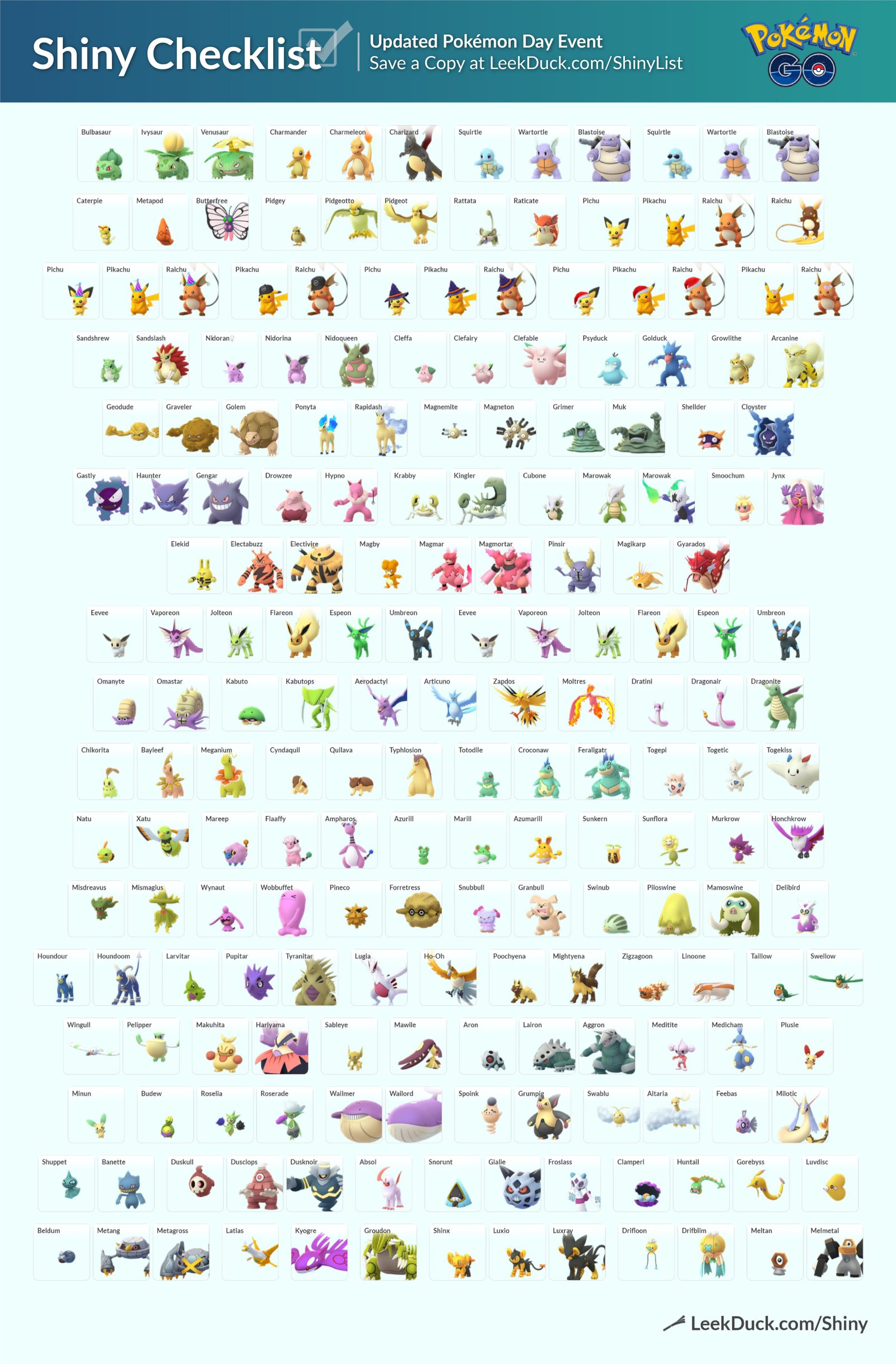
The Algorithm of Rarity: How RNG Defines the Shiny Experience
At the heart of every Shiny encounter lies a complex interaction of software instructions. Because computers cannot generate truly random numbers, they rely on algorithms known as Pseudo-Random Number Generators (PRNGs). These algorithms use a “seed”—often derived from the system clock or hardware input—to produce a sequence of numbers that appears random.
Random Number Generation (RNG) and Seed States
In the early iterations of the Pokémon franchise, the “Shininess” of a creature was determined by its Individual Values (IVs)—a set of hidden stats that dictate a Pokémon’s strength. Specifically, if a Pokémon’s IVs met a very narrow set of hexadecimal requirements, the game’s engine would trigger the Shiny sprite. This was a deterministic approach; if a player knew the seed state of the game’s PRNG, they could theoretically predict exactly when a Shiny Pokémon would appear.
In modern iterations, the technical framework has shifted toward more sophisticated checks. Today, a “Shiny check” involves a calculation comparing the Trainer ID (TID) and Secret ID (SID) against the Pokémon’s personality value (PV). When these values are processed through a bitwise XOR operation and the result falls below a certain threshold (typically 8 or 16), the software flags the entity as Shiny. This move from stat-based rarity to ID-based rarity represents a shift toward more secure, non-transparent digital asset generation.
Odds Manipulation: From 1/8192 to Dynamic Scaling
The evolution of Shiny odds provides a fascinating look at how developers balance software difficulty with user engagement. Historically, the base probability was set at 1 in 8,192. In more recent software versions, this has been adjusted to 1 in 4,096.
From a technical standpoint, developers implement “methods” to manipulate these odds dynamically. Whether through “chaining” (incrementing a counter in the game’s RAM) or “Masuda Method” programming (checking the regional origin of digital assets during a breeding function), the game engine is constantly performing background calculations to modify the threshold of the RNG check. This dynamic scaling is a precursor to the modern “pity systems” found in contemporary Gacha games and live-service software.
Data Mining and the Evolution of Shiny Hunting Tools
As the complexity of the Pokémon codebase grew, so too did the sophistication of the community’s technical tools. The “Shiny hunting” subculture is not merely a hobby; it is an exercise in data mining and reverse engineering.
The Role of Community-Driven Reverse Engineering
Much of what we know about the internal mechanics of Shiny Pokémon comes from “dataminers”—software enthusiasts who extract the ROM or source code of a game to analyze its binary structure. By looking at the “Shiny lock” flags—boolean values in the code that prevent certain legendary creatures from appearing as Shiny—dataminers provide the community with a roadmap of what is technically possible within the software’s constraints.
This relationship between developer and dataminer creates a unique tech ecosystem. Developers must decide whether to obfuscate their code further or allow the community to “solve” the logic of the game. For example, the discovery of “frames” in the game’s execution allowed players to use external software to monitor their console’s RAM in real-time, identifying the exact millisecond required to press a button to guarantee a Shiny encounter.
Third-Party Apps and Integration with Mobile Ecosystems
The launch of Pokémon GO shifted the technical requirements for Shiny Pokémon from local hardware to server-side authentication. In a mobile environment, the “Shininess” of a Pokémon is not determined until the client (the player’s phone) communicates with the Niantic servers.
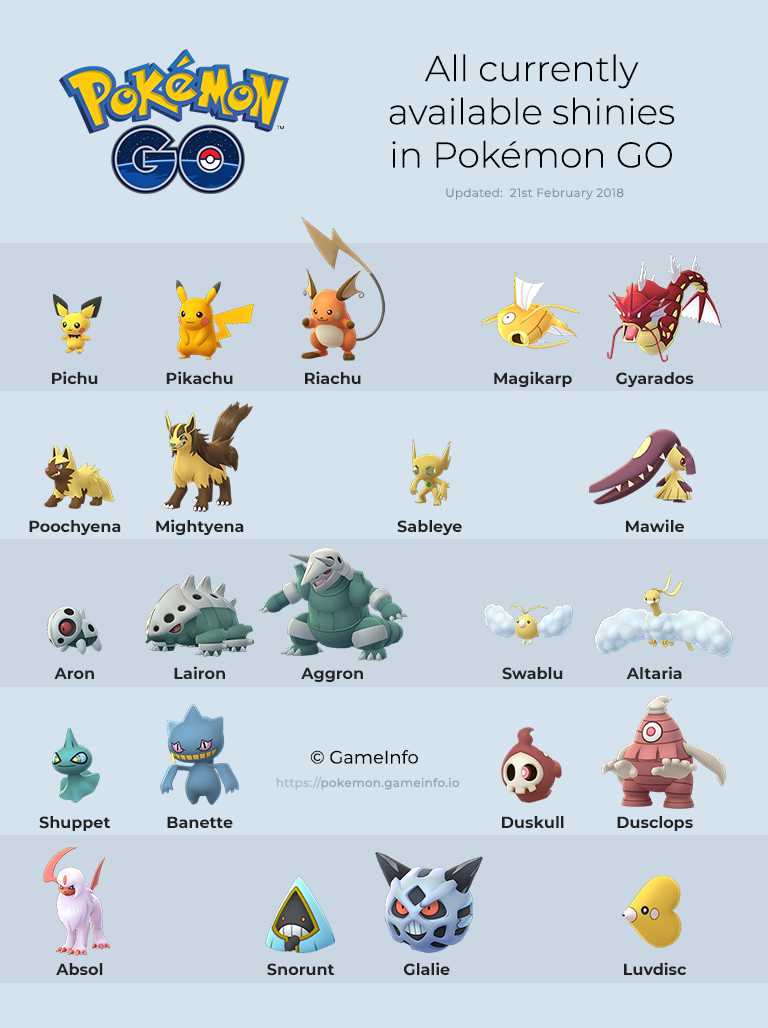
This architecture necessitated the development of sophisticated third-party tracking apps and maps. These tools use API “scrapers” to simulate user movement and report back on the spawn rates and Shiny availability within specific geographic coordinates. The technical arms race between developers implementing anti-cheat software (such as “shadow banning” or “SafetyNet” checks) and the creators of these tracking tools highlights the high stakes of digital rarity management.
Shiny Pokémon as a Case Study in Digital Scarcity and Gamification
Beyond the code, Shiny Pokémon serve as a foundational example of gamification—the use of game design elements in non-game contexts to improve user experience and loyalty. In the tech world, creating a “Shiny” version of a feature or a badge is a proven method for driving “The Completionist” behavior.
Psychological Triggers: The Variable Reward Schedule
The technical implementation of Shiny Pokémon mirrors the “Variable Ratio Schedule” used in UI/UX design for social media feeds and notification systems. Because the reward (the Shiny Pokémon) is high-value but unpredictable, it triggers a dopamine response that encourages prolonged session times.
For software developers, the Shiny Pokémon model provides a template for “rare event” programming. By introducing a low-probability, high-visual-impact event, developers can significantly increase the “Daily Active Users” (DAU) metric without needing to generate massive amounts of new content. A single “Shiny” asset can provide hundreds of hours of “gameplay” (or user engagement) simply through the pursuit of that asset.
Enhancing User Retention through Low-Probability Events
In the broader tech industry, we see “Shiny” mechanics in everything from “Limited Edition” digital skins in SaaS platforms to rare badges on fitness apps like Strava. The underlying logic is the same: use a simple code flag to transform a standard digital object into a status symbol. This creates a secondary layer of “meta-engagement” where users interact with the software not just for its primary function, but to interact with the rarity system itself.
The Future of Digital Assets: Shiny Pokémon and the Blockchain Parallel
As we look toward the future of technology, the concept of the Shiny Pokémon is increasingly being discussed in the context of the blockchain and Non-Fungible Tokens (NFTs). While Pokémon remains a closed ecosystem, the technical desire for unique, verifiable digital assets is universal.
Provenance and Ownership in Closed Ecosystems
Currently, a Shiny Pokémon’s “provenance”—its history of origin—is stored in a 100-byte block of data known as the Pokémon structure. This data includes the original trainer’s ID, the date met, and the location. This is, in essence, a centralized version of a blockchain ledger. It allows the software to verify that the asset is “legit” and not “hacked” (generated through external memory editors).
The technical challenge for the future is interoperability. As gaming moves toward the “Metaverse” or cross-platform ecosystems, how does a “Shiny” flag transition from one engine (e.g., Unity) to another (e.g., Unreal Engine 5)? The logic used to define Shiny Pokémon today is the blueprint for how we will define unique digital property in the decentralized web of tomorrow.
The Transition toward Interoperable Digital Identities
We are seeing the first steps of this with “Pokémon HOME,” a cloud-based storage service that acts as a central database for these digital assets across different software titles. Technically, this represents a shift from “game-specific data” to “persistent digital identity.” When a player moves a Shiny Pokémon from a 2003 GameBoy Advance title to a 2024 Nintendo Switch title, they are participating in a sophisticated data migration process that preserves the “Shiny” boolean across different hardware architectures and decades of code evolution.

Conclusion: The Lasting Impact of Code-Based Rarity
Shiny Pokémon are more than just a nostalgic element of pop culture; they are a sophisticated implementation of technical principles that govern much of our modern digital lives. From the PRNG algorithms that dictate their appearance to the server-side checks that validate their existence, these rare digital entities demonstrate the power of code to create value, community, and obsession.
As developers and technology enthusiasts, we can look at the “Shiny” phenomenon as a successful proof-of-concept for digital scarcity. It teaches us that rarity doesn’t require a physical form—it only requires a robust algorithm, a dedicated community of data-miners, and a bitwise operation that results in a “true” value for the sparkle animation to begin. In the end, the hunt for a Shiny Pokémon is a hunt for a specific sequence of bits, proving that in the digital age, even the most elusive treasures are ultimately written in code.
aViewFromTheCave is a participant in the Amazon Services LLC Associates Program, an affiliate advertising program designed to provide a means for sites to earn advertising fees by advertising and linking to Amazon.com. Amazon, the Amazon logo, AmazonSupply, and the AmazonSupply logo are trademarks of Amazon.com, Inc. or its affiliates. As an Amazon Associate we earn affiliate commissions from qualifying purchases.