
The Olympic gold medal is perhaps the most universally recognized symbol of success, representing the pinnacle of human achievement and physical excellence. However, from the perspective of a financial analyst or a precious metals investor, the medal is an intriguing study in commodity value, branding, and manufacturing economics. While the sentiment behind the award is priceless, the physical object itself follows a strict set of financial and compositional guidelines established by the International Olympic Committee (IOC).
To understand the true value of an Olympic gold medal, one must look past the podium and into the world of bullion markets, material science, and the secondary market for high-value collectibles.
The Financial Anatomy of a Gold Medal: Composition and Melt Value
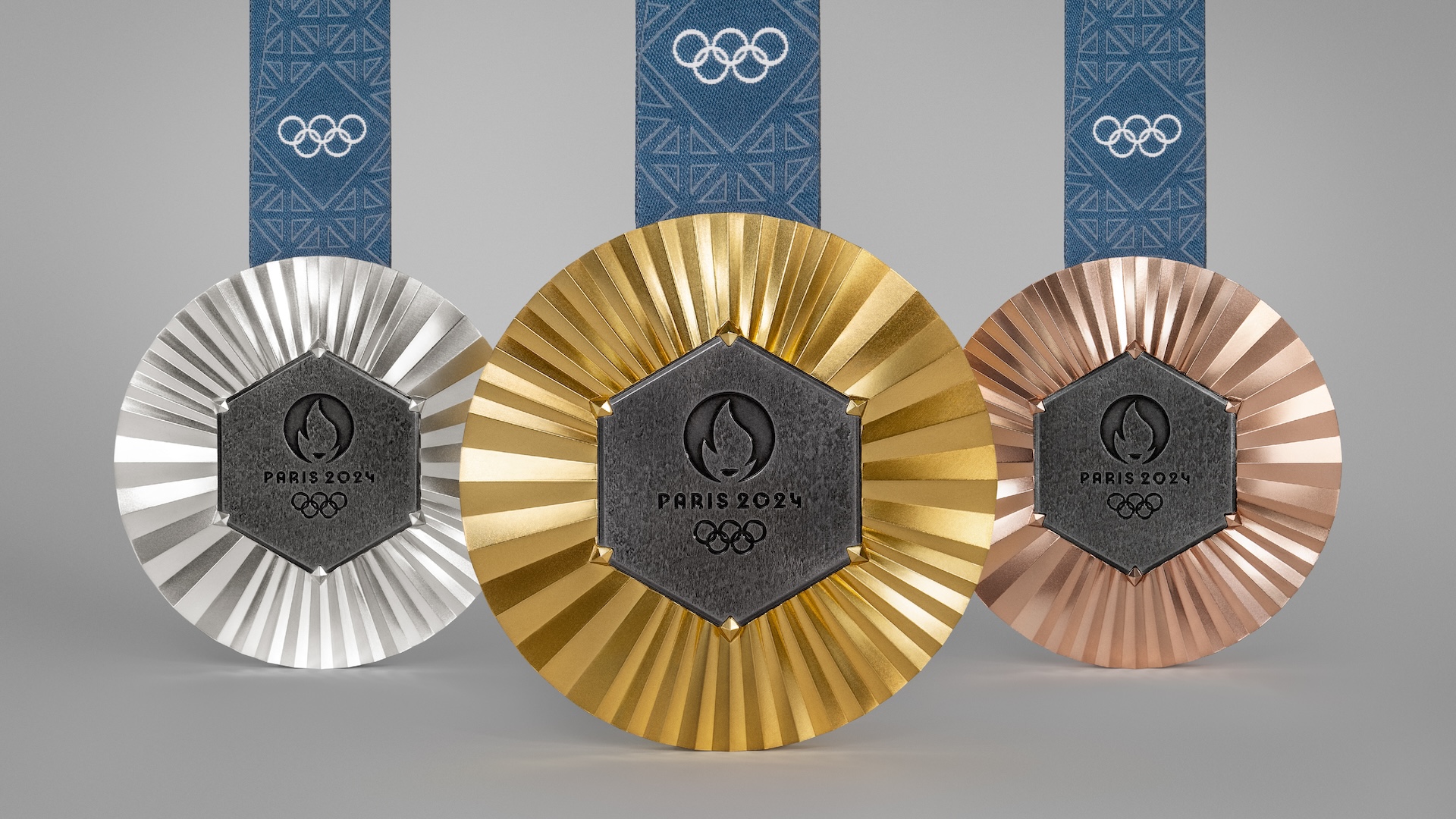
The first question most people ask when observing the medal ceremony is whether the gold medals are, in fact, solid gold. From a purely economic standpoint, the answer has been “no” for over a century. The last time solid gold medals were awarded was at the 1912 Stockholm Games. Since then, the composition has shifted toward a more cost-effective but still highly valuable hybrid of silver and gold.
The IOC’s Minimum Requirements
According to the Olympic Charter, the composition of the medals is strictly regulated. A gold medal must be made of at least 92.5% silver (often referred to as Sterling Silver) and must be plated with at least 6 grams of pure gold. This creates a significant gap between the “perceived” value of the medal as a solid gold object and its “melt” value—the literal price the raw materials would fetch on the open commodities market.
For example, in recent Games, a typical gold medal weighs roughly 500 to 550 grams. If a 550-gram medal contains the mandatory 6 grams of gold and 544 grams of silver, its financial floor is determined by the daily spot prices of those metals. At a gold price of $2,300 per ounce and silver at $30 per ounce, the 6 grams of gold are worth approximately $440, while the silver accounts for roughly $525. This brings the raw material value to just under $1,000.
The Economic Shift from Solid Gold to Plating
The transition from solid gold to silver-gilt was a pragmatic financial decision by the IOC. If a 550-gram medal were made of solid 24-karat gold, its raw material value would exceed $40,000 at current market rates. With hundreds of gold medals awarded at each Summer Games, the cost of production would become a prohibitive line item for the host city’s organizing committee, potentially reaching tens of millions of dollars for the gold medals alone. By utilizing silver as the primary substrate, the Olympics maintains a sense of prestige while managing the volatile overhead of precious metal procurement.
Beyond the Bullion: The Appraisal Value of Sporting History
While the melt value provides a baseline for the medal’s worth, the “market value” of an Olympic gold medal is significantly higher due to its rarity and the narrative attached to it. In the world of high-end memorabilia and alternative asset investing, an Olympic gold medal is a blue-chip collectible.
The Collectible Premium
When a medal hits the auction block, the financial return is rarely tied to the price of gold. Instead, it is driven by historical significance. A “generic” gold medal from a modern Olympics might sell for $20,000 to $50,000 at a specialized sports auction. However, medals belonging to legendary athletes command prices that rival fine art.
A primary example of this is the gold medal won by Jesse Owens at the 1936 Berlin Olympics. Given its immense historical context—challenging the narrative of the Nazi regime—one of his medals sold for nearly $1.5 million in 2013. For an investor, the ROI on such an item is not dictated by the London Bullion Market Association (LBMA) but by the supply and demand of the sports memorabilia market.
Factors Influencing Secondary Market Value
Several variables determine the financial trajectory of a medal on the secondary market:
- The Athlete’s Brand: Medals won by household names like Michael Phelps or Usain Bolt carry a massive premium.
- The Specific Event: Gold medals from marquee events, such as the 100-meter dash or the decathlon, often fetch higher prices than those from more niche disciplines.
- Condition and Documentation: As with any high-value asset, provenance and physical condition are paramount. Medals with their original ribbons and presentation boxes, accompanied by verifiable documentation, hold their value much more effectively against inflation.
The Business of Production: Sourcing and Manufacturing Costs
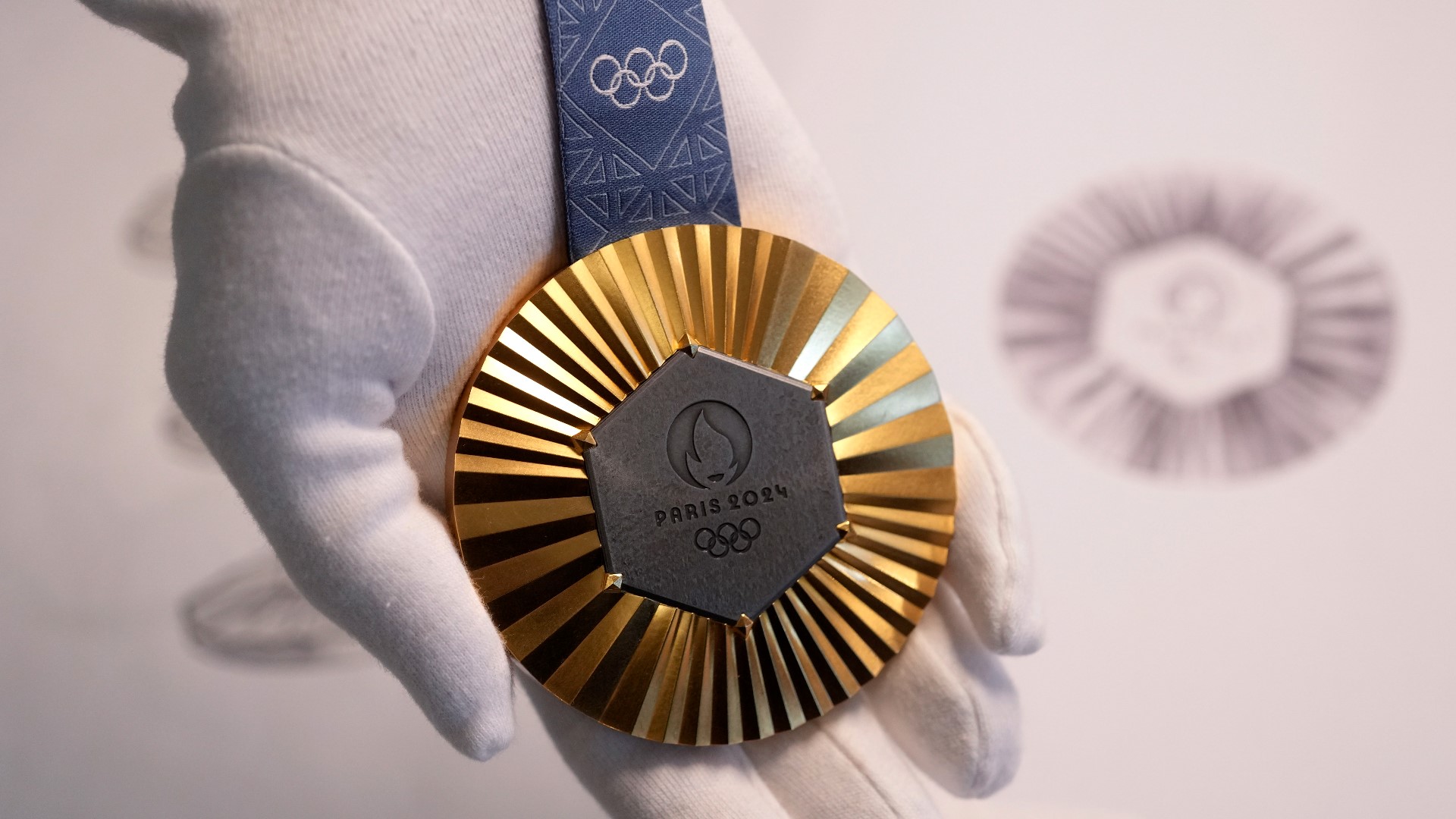
The creation of Olympic medals is a massive logistical and financial undertaking that involves global supply chains, mining partnerships, and advanced metallurgical tech. The host city usually partners with a national mint or a major mining conglomerate to secure the necessary materials.
Mining Sponsorships and ESG Factors
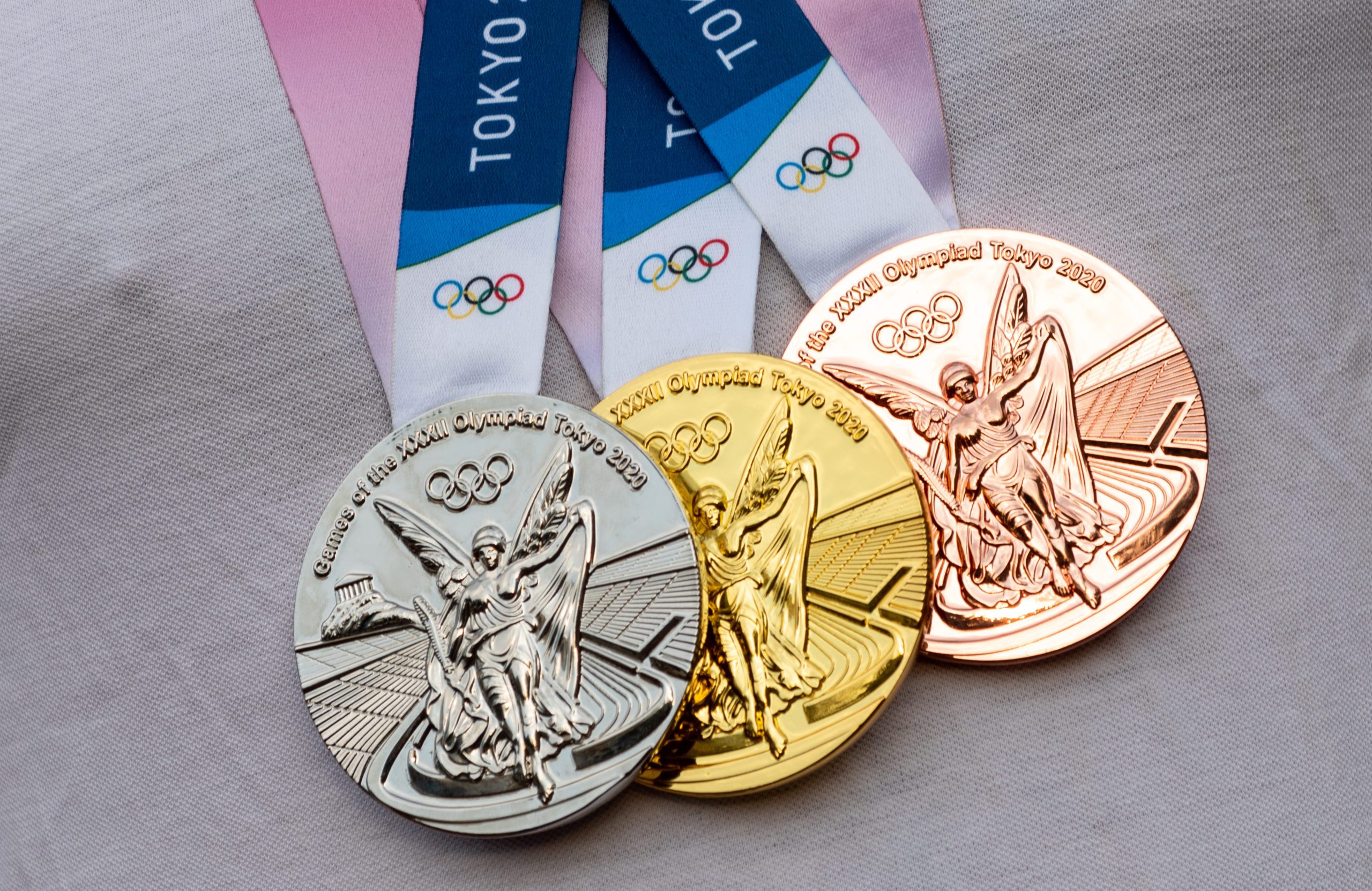
In recent years, the “Money” aspect of the medals has become intertwined with Environmental, Social, and Governance (ESG) investing. For the Tokyo 2020 Games, the organizing committee implemented a “green” financial strategy by sourcing the metals from recycled electronics. By extracting gold and silver from discarded smartphones and laptops, the committee reduced the direct cost of raw materials while boosting the “brand equity” of the Games as a sustainable enterprise.
This shift reflects a broader trend in corporate finance where the value of an asset is measured not just in its cost, but in its ethical footprint. For host cities, using recycled metals can be a savvy marketing move that attracts corporate sponsors who are sensitive to environmental issues.
Minting and Design Overhead
The production cost includes more than just the metal. The design of the medal is often commissioned from high-end designers or artists, and the actual minting process requires precision engineering. The cost of labor, security during transport, and the high-tech machinery required to plate the silver with a uniform 6 grams of gold all add to the “cost of goods sold” (COGS) for the organizing committee.
Economic Implications and the Athlete’s ROI
For the athlete, the gold medal is not just a trophy; it is a catalyst for financial growth. The “medal” itself is the foundation of a personal brand that can be leveraged for decades.
The Victory Tax and Immediate Cash Prizes
In many countries, winning a gold medal triggers an immediate financial windfall from the national Olympic committee or the government. For instance, the United States Olympic & Paralympic Committee (USOPC) awards “Operation Gold” grants, which currently provide $37,500 for a gold medal. Other nations offer significantly more; some countries have been known to award over $700,000 for a single gold medal to incentivize athletic excellence.
However, these bonuses often come with tax implications. In the United States, for a long time, both the cash prize and the value of the medal itself were subject to what was colloquially known as the “victory tax.” While legislation has since been passed to exempt most Olympic athletes from this tax, the financial planning required for a sudden influx of “Olympic wealth” remains a critical aspect of an athlete’s professional career.
The Long-Term Yield: Endorsements and Speaking Circuits
The true financial power of the gold medal lies in its ability to unlock “intangible assets.” A gold medalist enters a tier of marketability that allows for lucrative endorsement deals, book contracts, and high-paying speaking engagements. From a career-earnings perspective, the medal acts as a “credential” that increases the athlete’s lifetime earning potential by millions of dollars.
In this sense, the 6 grams of gold and 500+ grams of silver serve as the “seed capital” for a lifelong business venture. The athlete invests years of training and personal capital into their sport, and the medal is the ultimate dividend.
Conclusion: The Asset Class of Champions
When we analyze what Olympic gold medals are made of, we find a complex blend of precious metals and market psychology. Physically, they are silver-gilt artifacts with a intrinsic melt value that fluctuates with the global economy. Professionally, they are the key to a massive personal branding ecosystem and endorsement revenue. Historically, they are rare assets that can appreciate in value far beyond the rate of inflation.
Whether viewed as a commodity, a collectible, or a brand-building tool, the Olympic gold medal remains one of the most fascinating objects in the world of finance. It is a testament to the fact that the value of an asset is rarely found in its materials alone, but in the scarcity, history, and excellence it represents. For the investor or the athlete, the gold medal is more than just metal; it is a high-yield investment in human potential.
aViewFromTheCave is a participant in the Amazon Services LLC Associates Program, an affiliate advertising program designed to provide a means for sites to earn advertising fees by advertising and linking to Amazon.com. Amazon, the Amazon logo, AmazonSupply, and the AmazonSupply logo are trademarks of Amazon.com, Inc. or its affiliates. As an Amazon Associate we earn affiliate commissions from qualifying purchases.