
The term “tariffs” often conjures images of international trade disputes and complex economic jargon. However, in today’s interconnected world, tariffs can have far-reaching consequences that touch upon the very fabric of our daily lives, influencing the technology we use, the brands we trust, and the financial decisions we make. As governments around the globe navigate evolving economic landscapes, understanding the implications of new tariffs is crucial for businesses and individuals alike. This article will delve into the nature of new tariffs, exploring their potential impact across the key domains of Tech, Brand, and Money.
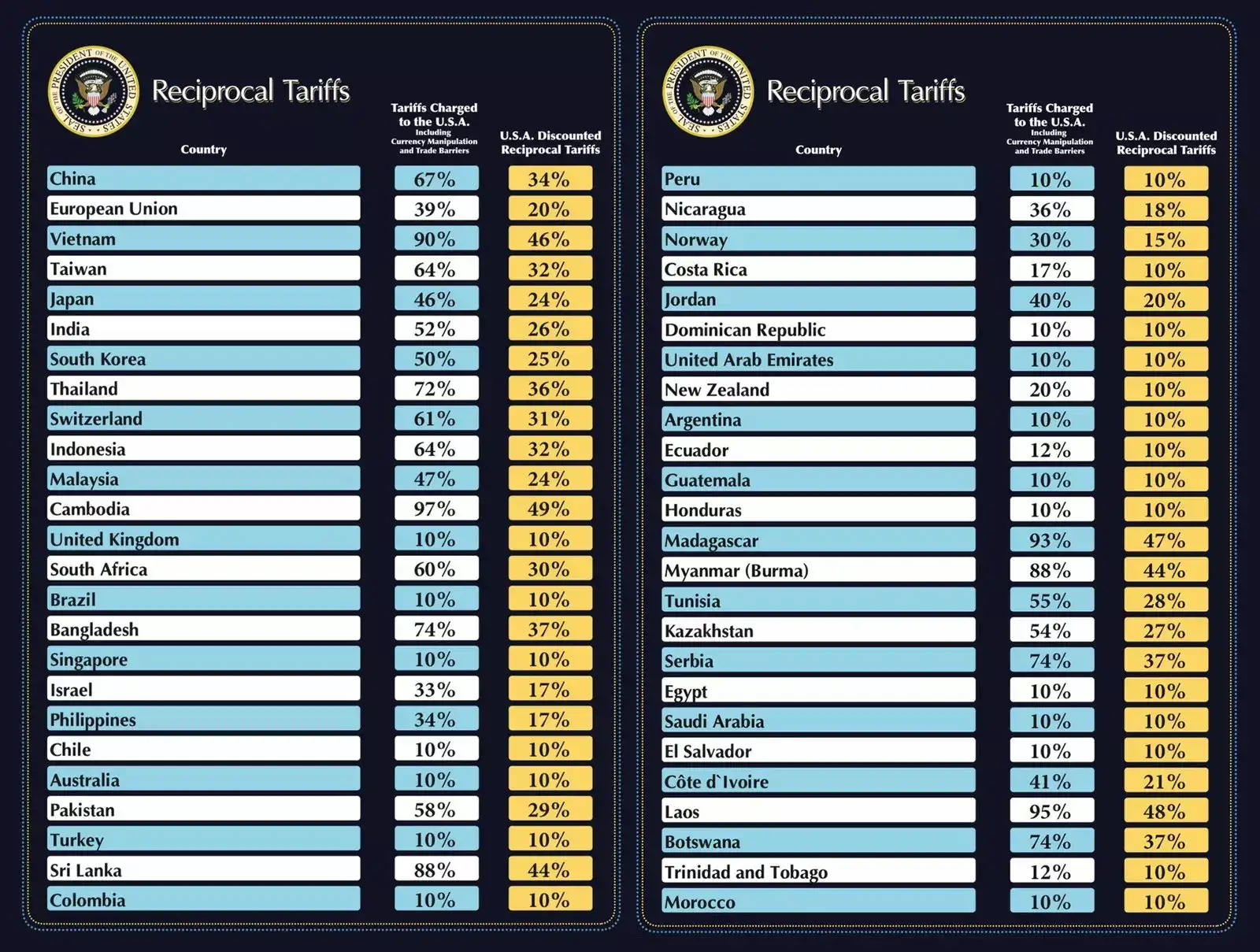
Understanding the Mechanics of New Tariffs
Before we explore the downstream effects, it’s essential to grasp what tariffs are and why they are imposed. At their core, tariffs are taxes levied by a government on imported goods. They serve a variety of purposes, often driven by a nation’s economic, political, or strategic objectives.
Why Are New Tariffs Implemented?
The reasons behind introducing new tariffs are multifaceted and can vary significantly from one situation to another. Several common drivers underpin these policy decisions:
- Protecting Domestic Industries: One of the most frequent justifications for tariffs is to shield domestic industries from foreign competition. By making imported goods more expensive, tariffs can encourage consumers to purchase domestically produced alternatives, thereby supporting local jobs and businesses. This is often a key consideration in sectors deemed strategically important or those facing significant challenges from overseas producers.
- Revenue Generation: Tariffs can be a source of income for governments. The revenue collected from imported goods can contribute to a nation’s treasury, funding public services and infrastructure projects. While not always the primary driver, it remains a tangible benefit for the imposing country.
- National Security: In certain instances, tariffs can be employed as a tool to bolster national security. This might involve restricting the import of goods that could be used for military purposes or ensuring the domestic production capacity of critical technologies and resources. For example, a country might impose tariffs on goods from a rival nation to limit its access to vital components or to encourage domestic manufacturing of those same items.
- Retaliation and Trade Negotiations: Tariffs can also be used as a form of leverage in international trade negotiations or as a retaliatory measure against another country’s trade practices. If a nation believes another country is engaging in unfair trade, such as subsidizing its own industries or imposing its own tariffs, it might respond by imposing its own tariffs to pressure the other nation into changing its policies. This can lead to tit-for-tat tariff escalations, impacting global trade flows.
- Addressing Trade Deficits: Some governments implement tariffs with the aim of reducing a trade deficit – the situation where a country imports more goods and services than it exports. By making imports more expensive, tariffs can theoretically encourage more domestic production and exports, thereby narrowing the gap.
The Ripple Effect: How Tariffs Impact Pricing and Availability
When new tariffs are introduced, they rarely stay isolated to the direct importer. The increased cost of imported goods inevitably trickles down through the supply chain.
- Increased Costs for Businesses: Companies that rely on imported components, raw materials, or finished products will see their operational costs rise. This is particularly true for industries heavily dependent on global supply chains, such as electronics manufacturing, automotive production, and fashion retail.
- Higher Consumer Prices: To maintain profit margins, businesses often pass on these increased costs to consumers in the form of higher prices for the final products. This can lead to a general increase in the cost of living, affecting everything from the latest smartphone to everyday groceries.
- Potential for Supply Chain Disruptions: Tariffs can force businesses to re-evaluate their existing supply chains. They may need to seek out new, potentially more expensive, or less efficient suppliers to avoid paying the tariffs. This can lead to delays, shortages, and a general instability in product availability.
- Shift in Trade Patterns: Over time, sustained tariff policies can lead to significant shifts in global trade patterns. Countries may seek out new trading partners or invest more heavily in domestic production to circumvent tariffs. This can reshape the global economic landscape and create new winners and losers.
Tariffs and the Tech Landscape: Innovation, Affordability, and Security
The technology sector, with its intricate global supply chains and rapid innovation cycles, is particularly susceptible to the effects of tariffs. From the chips that power our devices to the software that underpins our digital lives, tariffs can introduce new challenges and opportunities.
Impact on Gadgets and Consumer Electronics
The journey of a smartphone, a laptop, or any modern gadget is a testament to global collaboration. Components are sourced from numerous countries, assembled elsewhere, and then distributed worldwide. New tariffs can disrupt this complex ecosystem:
- Increased Cost of Devices: Many of the components used in consumer electronics, such as semiconductors, displays, and processors, are manufactured in countries that may become subject to new tariffs. This directly translates to higher costs for manufacturers, who will likely pass these increases onto consumers. Expect to see price hikes on new phones, laptops, gaming consoles, and other tech gadgets.
- Reduced Accessibility of Innovation: When technology becomes more expensive, its accessibility diminishes. This can disproportionately affect lower-income consumers and emerging markets, slowing down the adoption of new technologies and widening the digital divide. The latest advancements might remain out of reach for a significant portion of the global population.
- Supply Chain Diversification and Reshoring: In response to tariffs and the inherent risks of relying on a single region for critical components, tech companies are increasingly exploring supply chain diversification. This could involve setting up manufacturing facilities in new countries or even reshoring production back to their home nations. While this can enhance resilience, it often comes with higher initial investment and potentially slower production ramp-up.
- Focus on Domestic R&D and Manufacturing: Tariffs can also act as a catalyst for increased investment in domestic research and development and manufacturing capabilities. Governments might offer incentives to encourage the local production of essential tech components, aiming to reduce reliance on foreign sources and foster a more self-sufficient tech ecosystem.
AI Tools, Software, and Digital Security
The impact of tariffs extends beyond hardware. The development and distribution of software, including cutting-edge AI tools, can also be affected.
- Software Development Costs: While software itself might not be directly subject to physical tariffs, the hardware used for development (powerful servers, high-performance workstations) and the cloud infrastructure that hosts many AI applications are often built using components that could be impacted by tariffs. This can indirectly increase the cost of developing and deploying software solutions.
- Access to AI Expertise and Collaboration: International collaboration is vital for the advancement of AI. Tariffs and the resulting geopolitical tensions can create barriers to the free flow of talent, research, and intellectual property. This could slow down the pace of innovation as researchers and developers face greater difficulties in collaborating across borders.
- Digital Security Implications: In some cases, tariffs might be imposed on specific technologies or companies for national security reasons, often tied to concerns about data privacy and cybersecurity. This can lead to restrictions on certain software or hardware being used in critical infrastructure or government systems, prompting a need for alternative, more secure solutions.
- Emergence of Regional Software Ecosystems: As geopolitical tensions rise, we might see the development of more regionalized software ecosystems. Countries or blocs might encourage the use of locally developed software and platforms to reduce reliance on foreign technology and enhance digital sovereignty.
Brand Strategies in a Tariff-Affected World
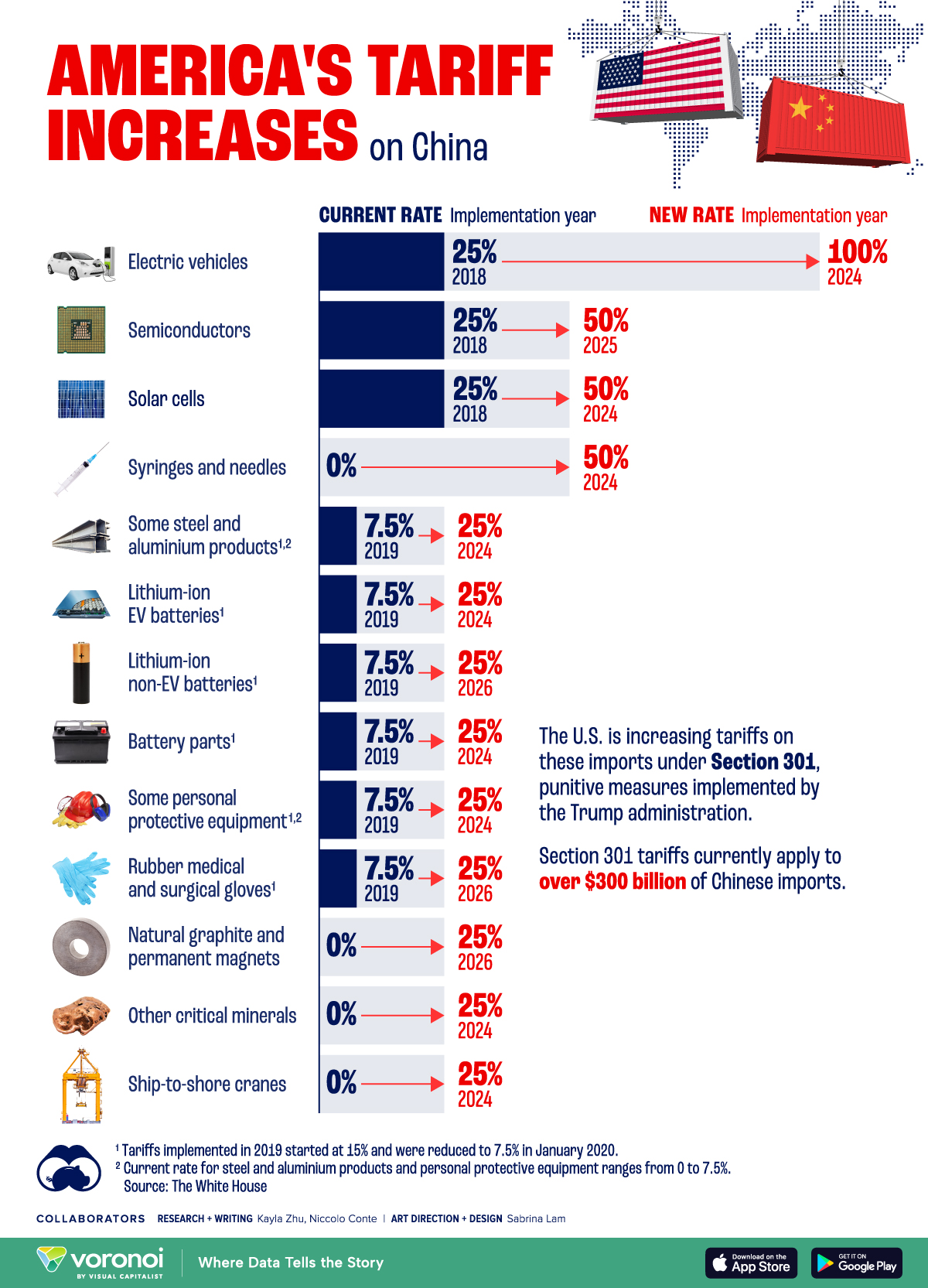
For businesses, navigating the complexities of tariffs requires a robust and adaptable brand strategy. The economic and political landscape can significantly influence how brands are perceived, how they operate, and how they connect with their target audiences.
Adapting Marketing and Messaging
The introduction of tariffs can necessitate a shift in how brands communicate with their customers.
- Transparency and Communication: When prices rise due to tariffs, brands need to be transparent with their consumers. Clearly explaining the reasons behind price adjustments can help maintain trust and mitigate negative customer reactions. Effective communication about supply chain challenges and the efforts being made to address them is crucial.
- Highlighting Domestic Sourcing or Value: Brands that can emphasize domestic sourcing or highlight the added value of their products beyond just price may find it easier to weather tariff-related challenges. For example, a brand that focuses on superior quality, unique design, or exceptional customer service can differentiate itself even if its prices increase.
- Emphasizing Brand Values and Purpose: In times of economic uncertainty, consumers often gravitate towards brands that align with their values. Brands that can effectively communicate their social responsibility, commitment to sustainability, or support for local communities can foster stronger emotional connections with their audience, making them less susceptible to price sensitivity.
- Strategic Partnerships and Collaborations: Tariffs can create opportunities for strategic partnerships. Brands might collaborate with local suppliers to reduce reliance on imports or form alliances with other businesses to share resources and mitigate the impact of rising costs.
Reimagining Supply Chains and Production
The operational impact of tariffs on brands is profound, forcing a re-evaluation of how products are made and delivered.
- Reshoring and Nearshoring: To avoid tariffs and build more resilient supply chains, many brands are exploring options to bring production closer to home. This could involve reshoring (bringing manufacturing back to the home country) or nearshoring (moving production to nearby countries). While these strategies can reduce shipping costs and lead times, they often involve significant upfront investment and require the development of new manufacturing capabilities.
- Supplier Diversification: Relying on a single supplier or region for critical components becomes a significant risk when tariffs are in play. Brands are increasingly diversifying their supplier base to mitigate this risk. This means identifying and working with multiple suppliers across different geographical locations, creating redundancy and flexibility in their operations.
- Product Design and Material Sourcing: Tariffs can influence product design and material sourcing decisions. Brands might opt to use materials that are not subject to tariffs or redesign products to utilize more readily available domestic components. This can lead to innovation in product development as brands seek creative solutions to overcome trade barriers.
- Impact on Corporate Identity and Reputation: A brand’s reputation can be significantly impacted by its response to tariffs. Companies perceived as exploiting tariffs for excessive profit can suffer reputational damage. Conversely, brands that demonstrate agility, resilience, and a commitment to their customers and employees during challenging times can enhance their corporate identity and build stronger loyalty.
Tariffs and Your Personal Finances: Investing, Income, and the Bottom Line
The economic implications of tariffs extend directly to the personal finances of individuals. From the cost of goods to investment opportunities and potential income streams, tariffs can influence various aspects of our financial lives.
The Impact on Everyday Spending
The most immediate and noticeable impact of tariffs on individuals is often through their purchasing power.
- Increased Cost of Goods and Services: As mentioned earlier, tariffs lead to higher prices for imported goods. This can include electronics, clothing, automobiles, and even some food items. Consumers will find themselves paying more for the same products, effectively reducing their disposable income.
- Inflationary Pressures: When a wide range of imported goods become more expensive, it can contribute to broader inflationary pressures across the economy. This means the overall cost of living rises, impacting household budgets significantly.
- Shifting Consumer Behavior: Faced with higher prices, consumers may alter their spending habits. They might postpone non-essential purchases, switch to cheaper alternatives, or increase their focus on value and durability. This can create opportunities for brands that offer affordable options or emphasize long-term value.
Investment Strategies in a Tariff Environment
The economic shifts brought about by tariffs can create new investment considerations and opportunities.
- Sector-Specific Opportunities and Risks: Tariffs can create winners and losers in the stock market. Industries that benefit from protectionist policies, such as domestic manufacturing or certain agricultural sectors, may see their stock prices rise. Conversely, companies heavily reliant on imports or exports to countries with retaliatory tariffs may face stock price declines. Investors need to carefully analyze which sectors are likely to be positively or negatively impacted.
- Diversification as a Key Strategy: In an unpredictable economic climate, diversification remains a cornerstone of sound investment strategy. Investors may consider diversifying their portfolios across different asset classes, geographical regions, and industries to mitigate the risks associated with tariffs.
- Geopolitical Risk in Investment Decisions: Tariffs are often a symptom of broader geopolitical tensions. Investors need to factor in geopolitical risks when making investment decisions, understanding that trade disputes and policy changes can create market volatility.
- Currency Fluctuations: Tariffs can influence currency exchange rates. A country imposing tariffs might see its currency strengthen if it leads to a reduction in imports. Conversely, retaliatory tariffs can weaken a country’s currency. Investors in foreign markets need to be aware of these potential currency fluctuations.
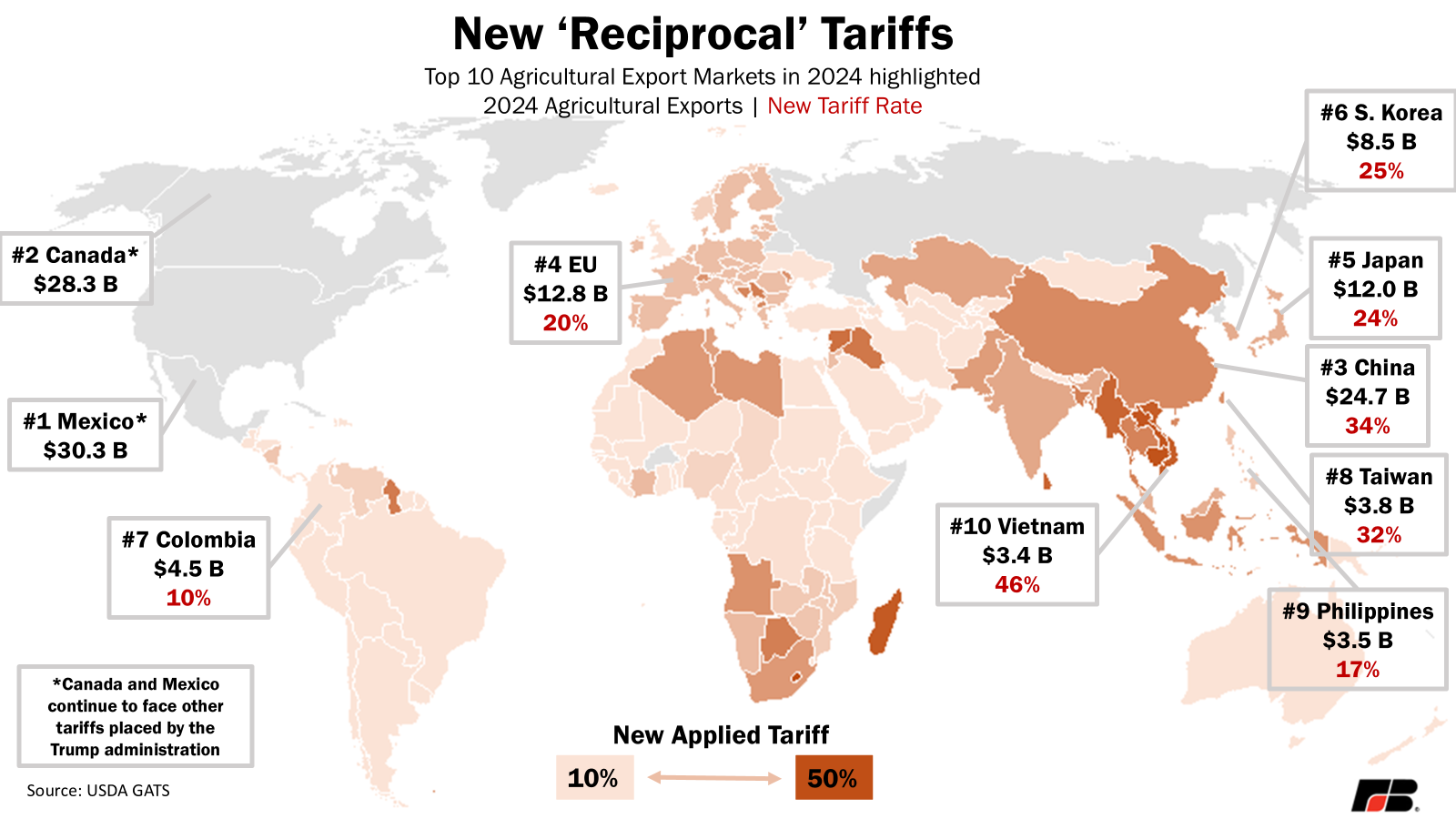
Online Income, Side Hustles, and the Future of Work
The impact of tariffs can also ripple into the realm of online income and side hustles, influencing how individuals generate revenue.
- Impact on E-commerce: For individuals involved in e-commerce, tariffs on imported goods can affect their inventory costs and profit margins. Conversely, tariffs on foreign goods might create opportunities for domestic producers to compete more effectively online.
- Opportunities in Domestic Production and Services: As businesses seek to diversify their supply chains and invest in domestic production, there may be increased demand for skilled labor and services related to manufacturing, logistics, and local sourcing. This can translate into new opportunities for individuals looking to start side hustles or develop new income streams.
- Gig Economy and Remote Work: The flexibility of the gig economy and remote work might become even more appealing as individuals seek to adapt to changing economic conditions. The ability to offer services online, regardless of geographical location, can help individuals navigate tariff-related disruptions to traditional employment.
- Focus on Skills and Adaptability: In an economy shaped by evolving trade policies, the ability to acquire new skills and adapt to changing market demands becomes paramount. Individuals who invest in their education and training, particularly in areas that are less susceptible to international trade fluctuations, are likely to be better positioned for future success.
In conclusion, the question “what are the new tariffs” is not merely an academic one. It’s a practical query with significant implications for the technological advancements we embrace, the brands we interact with, and the financial well-being of every individual. As the global economic and political landscape continues to evolve, staying informed about tariffs and their multifaceted impacts will be essential for navigating the complexities of the modern world.
aViewFromTheCave is a participant in the Amazon Services LLC Associates Program, an affiliate advertising program designed to provide a means for sites to earn advertising fees by advertising and linking to Amazon.com. Amazon, the Amazon logo, AmazonSupply, and the AmazonSupply logo are trademarks of Amazon.com, Inc. or its affiliates. As an Amazon Associate we earn affiliate commissions from qualifying purchases.